Back to Tomioka: A Cinematic Journey Through Grief and Recovery in Post-Disaster Japan

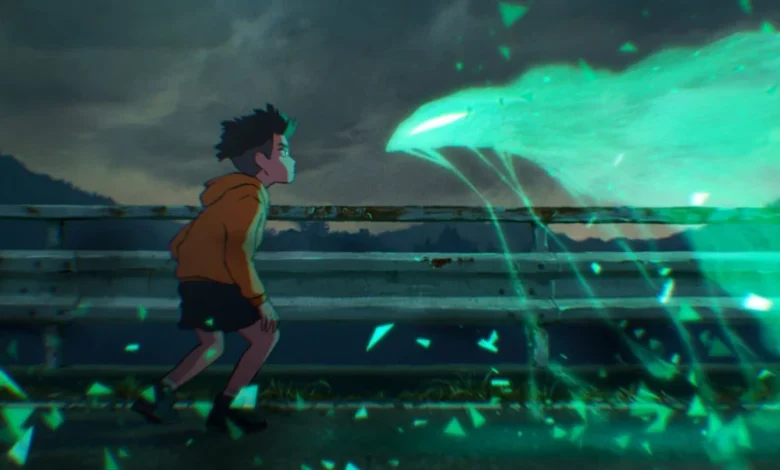
The upcoming animated feature film Back to Tomioka, currently in development by Foliascope and co-produced by Crunchyroll, stands as a poignant exploration of loss, resilience, and the fragile process of familial reconciliation. Set against the backdrop of the Fukushima Daiichi nuclear disaster’s aftermath, the film follows two siblings who embark on a perilous journey into a radioactive exclusion zone to return their grandmother’s ashes to her home. Directed by François-Marc Baillet, the project has garnered significant attention for its blend of striking 2D animation and its commitment to portraying the lingering physical and emotional landscapes of a region still defined by the 2011 catastrophe.
The Genesis of the Project and the Creative Shift
The narrative of Back to Tomioka originated from a script by Laurent Galandon. Because the financing and production of feature-length animation are notoriously protracted, the creative team initially opted to release the story as a graphic novel, illustrated by Michaël Crouzat and Aude Soleilhac, which was published while the film remained in development.
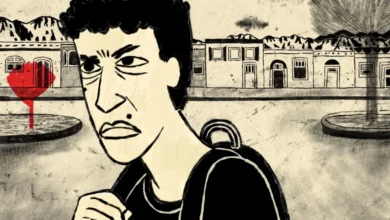
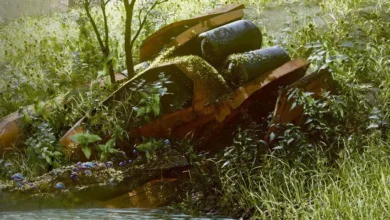
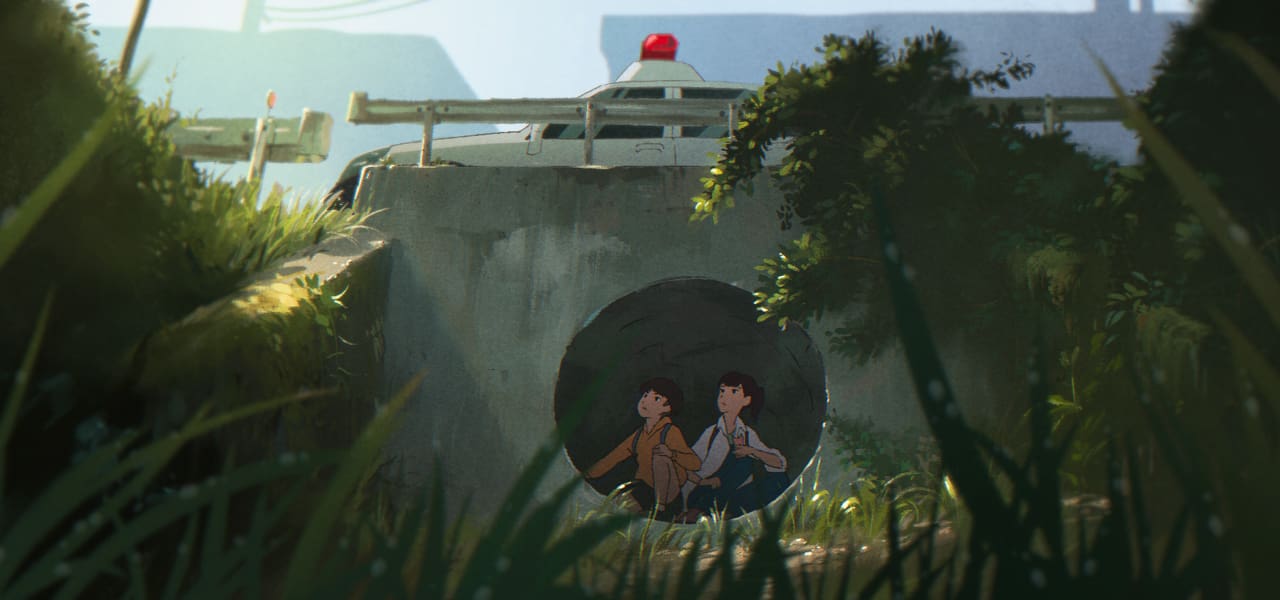
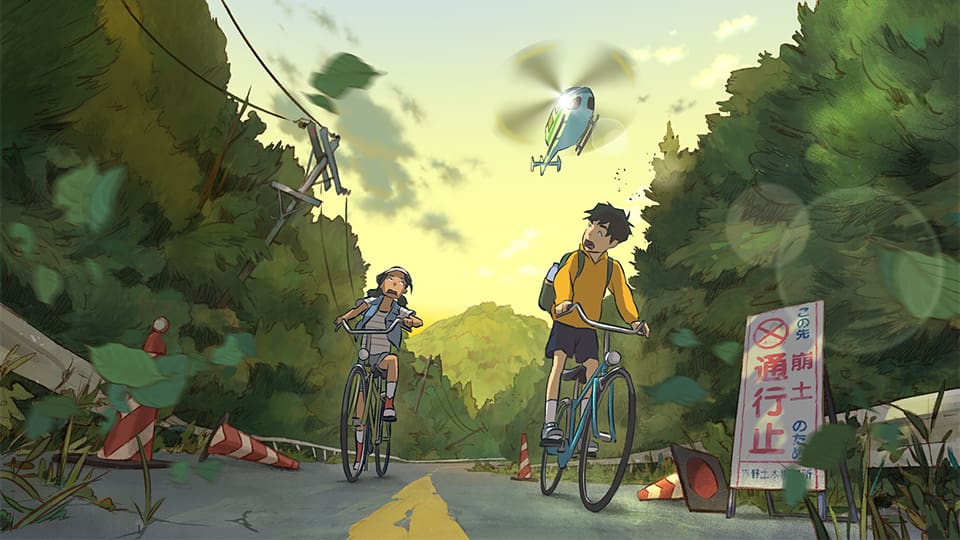
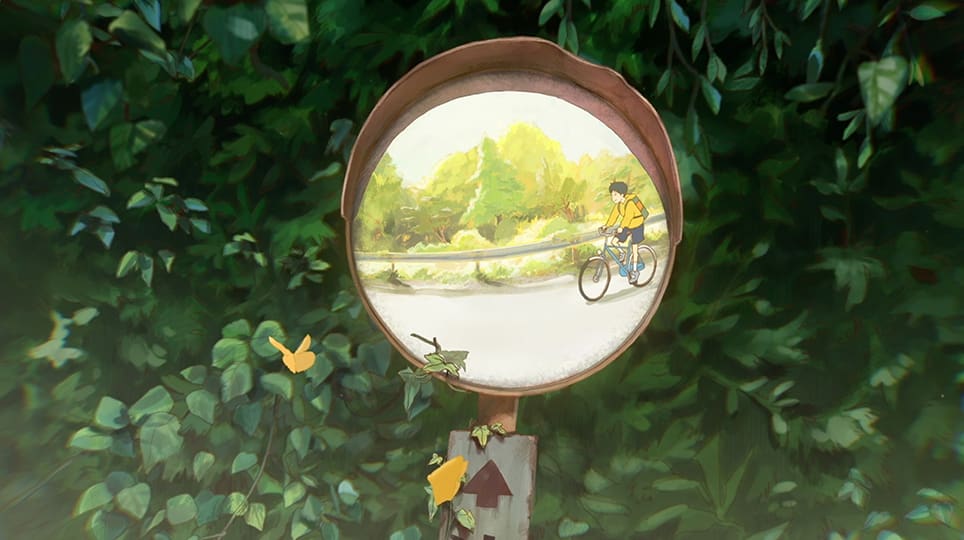
When director François-Marc Baillet joined the production, he was tasked with a unique creative challenge: translating a static, established narrative into a cinematic language. Baillet has described this process as a necessary act of "killing" the comic book to ensure the film could stand on its own merits. While the graphic novel serves as a narrative foundation, the film adaptation prioritizes the specific rhythms of cinema, utilizing movement, sound design, and a deliberate directorial vision to craft a different, more immersive experience. The film is currently slated for a 2028 release, following an extended development period that allowed the creative team to refine the visual style—a semi-realistic, hand-painted aesthetic that emphasizes the textures of nature reclaiming abandoned human spaces.

Contextualizing the Fukushima Disaster
The events depicted in the film are deeply rooted in the historical reality of the triple catastrophe that struck Japan on March 11, 2011. The earthquake, subsequent tsunami, and the following meltdown at the Fukushima Daiichi Nuclear Power Plant resulted in the displacement of over 150,000 residents from the surrounding areas. Tomioka, a town located within the restricted zone, saw its population plummet as the government implemented strict evacuation orders to protect citizens from radiation exposure.
In the years since the disaster, the Japanese government has undertaken extensive decontamination efforts. While evacuation orders have been lifted for parts of the region, many residents have chosen not to return, leading to a demographic shift characterized by an aging population and abandoned infrastructure. Baillet’s research into the region—including visits to Tomioka, Namie, Futaba, and Minamisoma—exposed him to the stark reality of this "dissonance," where the landscape remains beautiful but scarred. He noted that in some areas, only a small fraction of the original population has returned, leaving once-thriving schools and neighborhoods as hollowed-out monuments to a pre-disaster era.
Research and Narrative Authenticity
To ensure the film maintained a high degree of sensitivity and authenticity, the production team consulted directly with figures like Naoto Matsumura, a farmer who famously refused to evacuate the exclusion zone, choosing instead to remain behind to care for abandoned animals. Matsumura’s story served as an initial catalyst for Galandon’s script, providing the creative team with firsthand accounts of the extreme isolation and psychological toll experienced by those who remained in the zone.
For Baillet, the film is not a historical documentary but an adventure-drama that uses the disaster as a framing device for the siblings’ personal growth. His personal connection to the subject matter—having been unable to attend his own grandmother’s funeral during the 2020 Covid-19 pandemic—offered him a point of entry into the characters’ grief. This personal resonance is intended to elevate the film beyond a standard disaster narrative, focusing instead on the universal themes of memory and the necessity of closure.
Technical and Aesthetic Direction
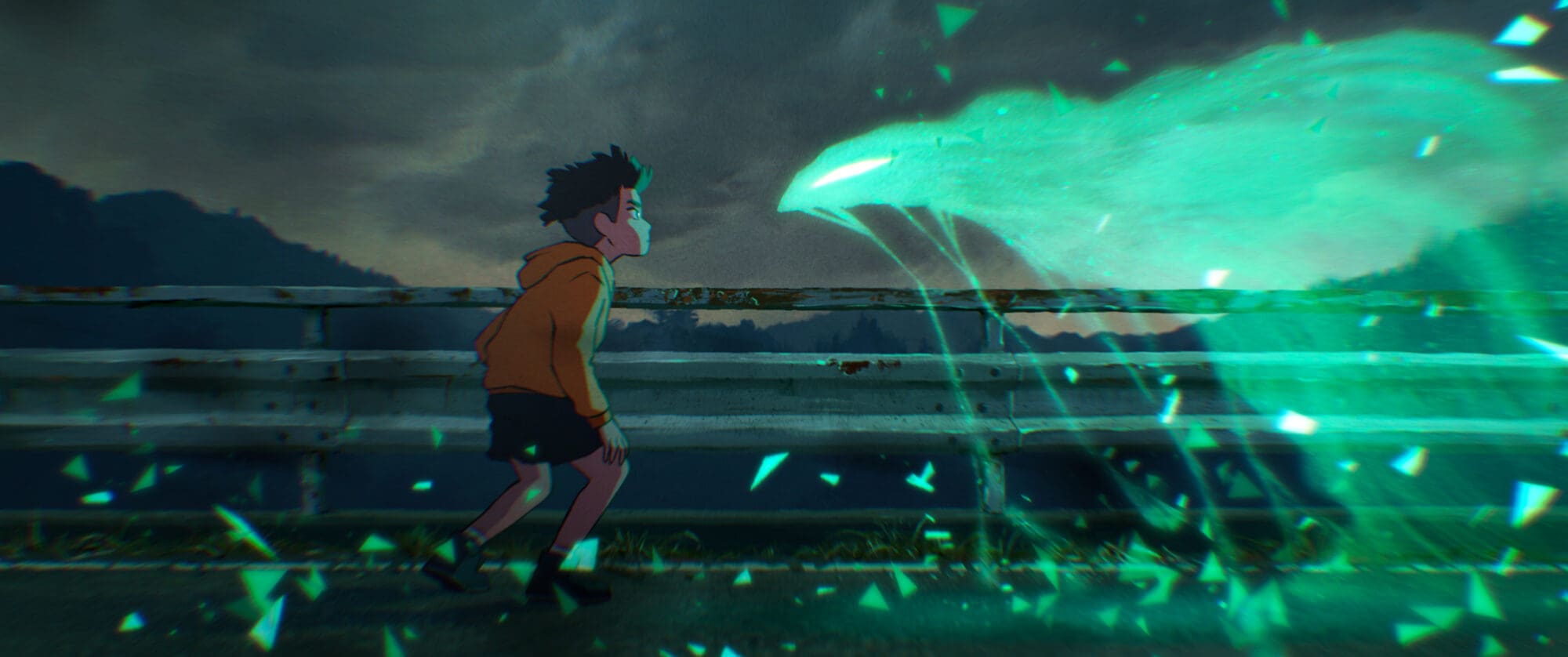
The visual identity of Back to Tomioka is central to its identity. By utilizing 2D animation, the team avoids the potential sterility of high-end CGI, instead opting for a hand-crafted approach that reflects the "dust, dense vegetation, and abandoned spaces" of the exclusion zone. Baillet has explicitly distanced the film from the use of rotoscoping, preferring to rely on the interpretive power of painting and color to evoke the atmosphere of the region.
The production is a testament to the collaborative nature of international animation. With Foliascope, a French animation studio known for its artisanal approach, and the partnership with Crunchyroll, the film benefits from a global distribution perspective while remaining grounded in a specifically Japanese context. The team’s participation in industry events such as TIFFCOM in Tokyo underscores their desire to integrate into the Japanese creative ecosystem, honoring the traditions of animation that have long bridged the gap between European and Japanese storytelling.
Broader Implications and Thematic Significance
The core message of the film, as articulated by Baillet, centers on the idea that while individuals cannot control the tragedies that befall them, they can exercise agency over what they choose to preserve and protect. This theme resonates strongly within the context of climate change and environmental disaster, where communities worldwide are increasingly forced to grapple with the loss of ancestral homes and cultural heritage.
By focusing on a story that explores the intersection of environmental catastrophe and family grief, Back to Tomioka joins a small but significant body of work—including projects from Studio Ghibli and other acclaimed creators—that use animation as a medium to process complex societal trauma. The film’s ability to spark dialogue between generations, as hoped by its director, is perhaps its most significant ambition. By providing a narrative that children and parents can watch together, the creators aim to facilitate discussions about the long-term impacts of disasters, the importance of empathy, and the resilience of the human spirit.
Industry Outlook
As the 2028 release date approaches, the industry will be watching to see how the project navigates the fine line between artistic expression and the portrayal of living, sensitive history. The "long development" phase has allowed the production to evolve from a simple adaptation into a complex, researched work of art. The success of the film will likely hinge on whether it can capture the specific nuances of the Japanese experience in Fukushima while maintaining the universal emotional accessibility required for a global audience.
In the final analysis, Back to Tomioka represents a significant creative endeavor that leverages the medium of animation to bridge cultural and temporal distances. By choosing to tell a story about a family trying to reconcile in the wake of an irreversible tragedy, the filmmakers are not only documenting a specific moment in time but are also creating a reflective space for audiences to confront their own experiences with loss and the enduring, sometimes painful, nature of home. Whether the final film achieves the same impact as its predecessors in the genre remains to be seen, but its commitment to research, respect for the local population, and distinct visual language marks it as one of the most anticipated international animated features of the coming years.