The landscape of global animation is poised for a significant shift as Tokyo Anime Next prepares to unveil a prestigious international award dedicated to the Japanese animation industry. During a high-profile symposium held at TIFFCOM in Tokyo this week, industry leaders gathered to discuss the conceptual framework, strategic necessity, and long-term objectives of this initiative. While an official launch is not slated until 2027, the dialogue among some of the medium’s most influential figures provided a clear roadmap for how Japan intends to solidify its influence in the global cultural market.
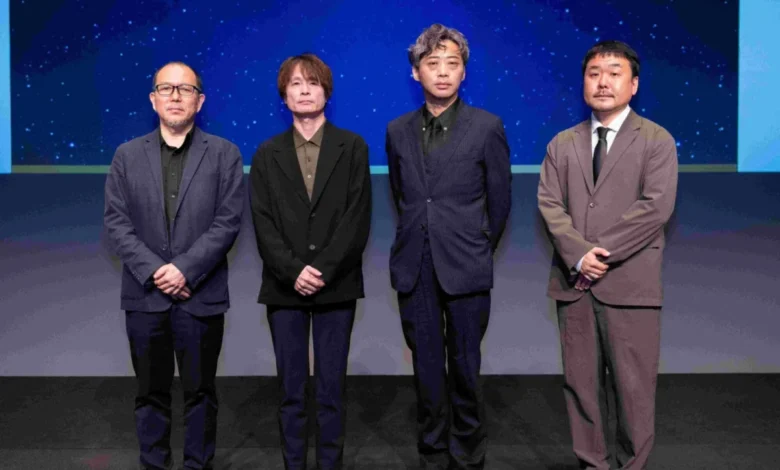
The symposium, moderated by animation programming advisor Ryota Fujitsu, featured a panel of heavyweights, including Studio Chizu producer Yuichiro Saito, Association of Japanese Animations director and A-1 Pictures president Akira Shimizu, and Toho Co., Ltd. animation division chief Masaya Saito. Together, they explored the mechanism of peer review, the importance of "borderless" storytelling, and the necessity of establishing a standard of excellence that resonates both domestically and abroad.
The Strategic Necessity of a Global Benchmark
For decades, Japanese animation—or anime—has evolved from a niche domestic export into a dominant pillar of global entertainment. However, despite its massive international reach, the industry has historically lacked a centralized, industry-sanctioned international award that carries the prestige of the Academy Awards or the Palme d’Or while remaining rooted in the specific aesthetic and technical nuances of Japanese production.
The proposed 2027 award aims to rectify this. Masaya Saito of Toho noted that the sheer volume of output—often exceeding 300 television series and 80 feature films annually—makes it impossible for any single critic or casual fan to maintain a holistic view of the industry’s trajectory. By implementing a peer-review system, the award intends to create a "collective intelligence" capable of identifying the most significant creative achievements within the medium.

"Peer review can facilitate networking and provide mutual inspiration within the industry," Masaya Saito stated during the symposium. He emphasized that the goal is not merely to celebrate individual successes but to foster a robust ecosystem where industry professionals can engage in a deeper dialogue about their craft.
Defining the "Third Way" in Global Aesthetics
One of the most profound points raised during the panel came from Yuichiro Saito, the producer behind critically acclaimed works like Wolf Children and Summer Wars. He posited that Japanese animation represents a "third element" in the global cultural equation, effectively disrupting the traditional binary of European fine art traditions and American-centric commercial cinema.
This "third element" is characterized by a unique synthesis of traditional Japanese values and hyper-modern animation technology. By positioning the new award as a conduit for this aesthetic, the organizers hope to foster greater international appreciation for the nuance inherent in Japanese storytelling. This is particularly relevant in an era where digital streaming platforms have democratized access to anime, allowing audiences in North America, Europe, and Southeast Asia to consume content simultaneously with domestic viewers in Japan.
A Response to Global Market Demands
The panel also addressed the tension between commercial viability and creative innovation. Akira Shimizu of A-1 Pictures offered a candid look at the challenges studios face in the current streaming-driven economy. With platforms demanding high-octane "fantasy and action" titles to satisfy global algorithms, studios often find themselves constrained by genre popularity.
"We’re often asked: ‘A-1 Pictures, can you please make a fantasy action work?’" Shimizu admitted. While he acknowledged that meeting these demands is necessary for industry growth, he argued that the award should encourage a broader appreciation for the medium’s full spectrum, including romance, drama, and experimental works that might not immediately trend on global platforms. The award, therefore, could serve as a counterbalance to the "hit-driven" nature of streaming services, providing a platform for works that prioritize artistic merit and cultural depth over sheer marketability.

Chronology of the Initiative
The path toward the 2027 launch is carefully structured to ensure industry-wide buy-in.
- Late 2026: The preliminary symposium at TIFFCOM marks the first formal public discussion regarding the award’s philosophy and structure.
- 2027: The official launch of the award, featuring an integrated online component designed to solicit participation and feedback from international audiences.
- Post-2027: The long-term vision involves establishing the award as the definitive industry benchmark, with winners recognized as the gold standard for Japanese animation.
The initiative is deeply tied to the broader trend of "localization." Masaya Saito pointed out that anime is arguably the most globally localized form of entertainment, adapting seamlessly across diverse cultures and languages. The award is designed to highlight this reality, proving that while the stories are distinctively Japanese, the themes of human connection, struggle, and growth are universal.
Industry Implications and Future Prospects
The establishment of this award holds significant implications for the future of animation labor and talent development. By creating a high-profile recognition system, the organizers hope to inspire the next generation of animators, directors, and producers. For those entering the field, the prospect of competing for an industry-recognized accolade provides a tangible goal that extends beyond mere box office performance.
Furthermore, the emphasis on "industrial empathy" represents a shift toward more sustainable production practices. By evaluating creators through a lens that accounts for the complexity of the production pipeline, the industry hopes to foster an environment where talent is nurtured rather than merely exploited for rapid content creation.
The panel’s focus on the "borderless" nature of the medium was underscored by anecdotes of international solidarity, such as the collective effort by the anime industry to aid recovery efforts following the California wildfires. This sense of global community suggests that the new award will not be an insular event but a collaborative project that acknowledges the role of international fans and partners in the continued success of Japanese animation.

Analyzing the Impact of the 2027 Launch
From a market perspective, the move is timely. As major studios in the U.S. and Europe continue to lean heavily into animation, the Japanese industry’s ability to define its own standards of quality will be crucial in maintaining its competitive edge. An industry-backed award provides a platform to validate the craftsmanship involved in traditional hand-drawn techniques and high-end digital integration alike.
The success of this endeavor will likely depend on the transparency of the judging process and the degree to which it can engage with the global anime fanbase. If the award can bridge the gap between critical acclaim and popular appeal, it will likely become a cornerstone event in the international film festival circuit.
As the industry looks toward 2027, the message from the TIFFCOM panel is clear: Japanese animation is ready to take its place on the world stage, not just as a successful export, but as a respected art form with a rigorous and recognized tradition of excellence. The proposed award is the final piece of that evolution, promising to provide a clear, unified voice for an industry that has spent decades speaking to the world through the power of its imagination.
Related posts: