The Animation Community Mourns the Untimely Passing of Prolific Voice Actor Eric Bauza at 46

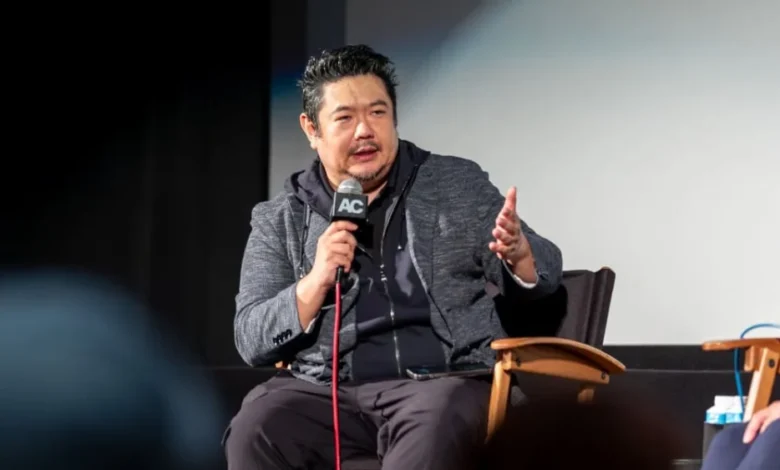
The animation industry is currently reeling from the sudden loss of Eric Bauza, one of the most recognizable and versatile voice performers of his generation, who passed away at the age of 46. A titan of contemporary voice acting, Bauza was perhaps best known for his definitive portrayal of iconic Looney Tunes characters, including Bugs Bunny and Daffy Duck, as well as his extensive contributions to hundreds of television series, feature films, and video games. His death has prompted an outpouring of grief from colleagues, studio executives, and fans alike, underscoring not only his professional impact but his reputation as a pillar of kindness within the entertainment community.
A Career Defined by Range and Legacy
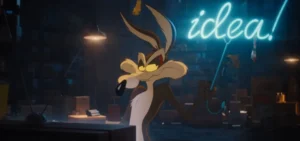
Born in Toronto, Ontario, Bauza’s journey into the world of voice acting began with a deep, lifelong passion for the medium. Unlike many actors who transition into animation from live-action, Bauza was a student of the craft, deeply influenced by the legends of the Golden Age of Animation. He famously viewed his tenure as the voice of the Looney Tunes not merely as a job, but as a sacred stewardship. Following in the footsteps of Mel Blanc—the "Man of a Thousand Voices"—Bauza managed the delicate balance of honoring the history of these characters while infusing them with a modern, kinetic energy that resonated with contemporary audiences.
Over the course of his 15-year relationship with Warner Bros. Animation, Bauza became the primary voice for several of the most famous cartoon characters in history. His ability to switch seamlessly between the cynical, fast-talking nature of Daffy Duck and the cool, composed demeanor of Bugs Bunny earned him industry-wide acclaim. Beyond the Looney Tunes, his resume was sprawling; he lent his voice to projects as diverse as Rick and Morty, The Fairly OddParents, Gravity Falls, and El Tigre: The Adventures of Manny Rivera. This versatility allowed him to move effortlessly between slapstick comedy and nuanced, character-driven storytelling.
Chronology of a Storied Professional Life
Bauza’s career trajectory was marked by consistent growth and an increasing presence in high-profile projects. After early roles that established his reputation as a reliable and dynamic performer, his work in the late 2010s saw him taking on more legacy characters, a testament to his growing stature in the industry.
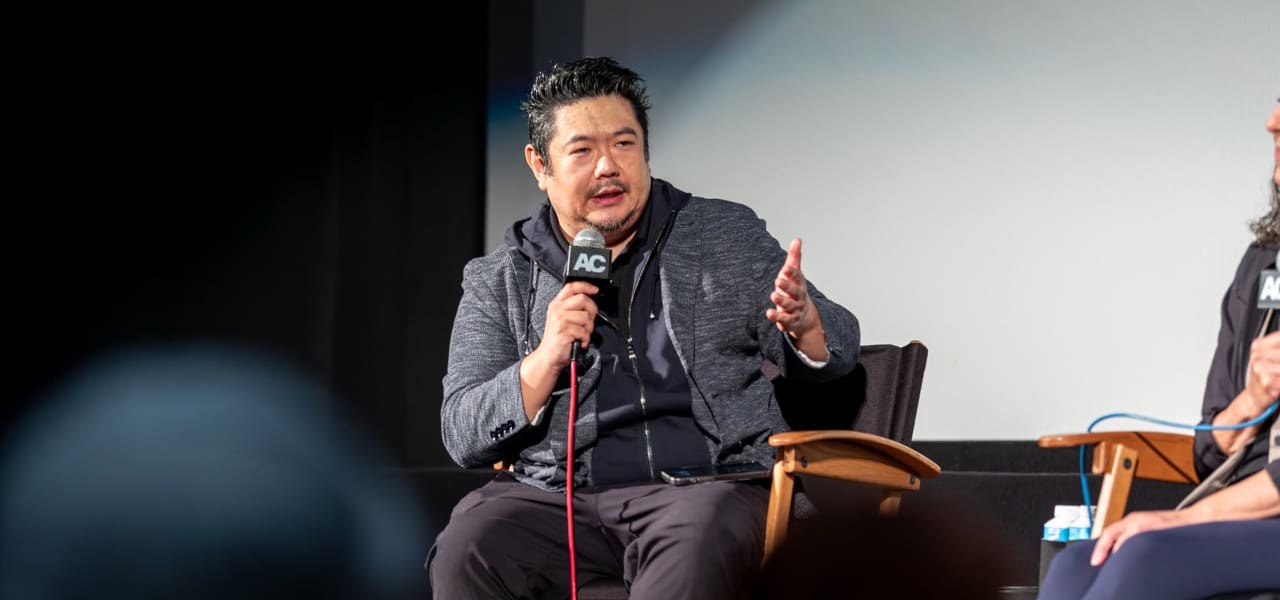
- Early Career: Building his foundation in Canadian and American animation, Bauza quickly became a go-to performer for complex, multi-layered characters.
- The Warner Bros. Era: His collaboration with Warner Bros. reached a zenith when he was officially tapped to carry the mantle for the core Looney Tunes cast, a role that cemented his status as a leading voice actor.
- The Rise of Saturday Morning Cartoons United: In recent years, Bauza shifted his focus toward community building. Along with his fiancée, Caro Beurmann, he co-founded "Saturday Morning Cartoons United," a charitable organization dedicated to using animation as a vehicle for social good. The organization gained traction for its high-profile screenings and fundraisers, including events supporting wildfire relief and animation industry advocacy.
- October 2026: The news of his passing was met with immediate, widespread shock across the industry, leading to a massive social media response from those who had worked alongside him.
Official Responses and Industry Impact
The loss of a performer with Bauza’s volume of work has created a significant vacuum in the voice-acting landscape. Warner Bros. Television Group chairman Channing Dungey and WBPA president and chief creative officer Bill Damaschke issued a joint statement acknowledging the gravity of the loss. They noted that Bauza was a "treasured part of our animation family" and emphasized that he viewed his work on the Looney Tunes as one of the greatest honors of his life.
The tributes provided by his peers highlight a consistent theme: Bauza’s technical brilliance was only surpassed by his interpersonal warmth. Dan Harmon, the co-creator of Rick and Morty, expressed a sentiment shared by many, noting that it was difficult to find anyone in the creative sphere who did not adore Bauza. Similarly, Phineas and Ferb co-creator Dan Povenmire emphasized that the industry was finally catching up to the level of recognition Bauza deserved, noting that his success was rooted in his genuine kindness.
Data and Artistic Contributions
To understand the scale of Bauza’s career, one must look at the breadth of his credit list. According to industry databases, Bauza is credited with over 500 individual acting roles. His work spanned:
- Feature Film Animation: Including high-profile studio releases and independent projects.
- Television Animation: Covering both long-running series and limited-run streaming shows.
- Video Game Voice-Over: An area where his ability to provide consistent, repetitive dialogue without losing character depth made him highly sought after.
His contribution to the craft was not limited to performance; he was also a vocal advocate for the animation community. His work with Saturday Morning Cartoons United served to bridge the gap between fans and professionals, proving that the medium could be used to support disaster relief and social causes. This legacy of philanthropy is something his partners and collaborators intend to uphold. Caro Beurmann has signaled that the mission of their shared organization will continue, serving as a living memorial to his values.
Implications for the Future of Animation
The death of a talent like Eric Bauza raises broader questions about the preservation of character legacies. In an era where the industry is increasingly turning to technology to replicate human voices, performers like Bauza serve as a reminder of the "human element"—the specific, unquantifiable spirit that an actor brings to an animated character.

His colleagues, such as director Dave Green, often pointed out that Bauza’s success was derived from his status as a "fan first." He understood the audience because he was one of them. This perspective is increasingly vital as the animation industry faces rapid changes in production methods and distribution. The loss of such a foundational figure forces a moment of reflection on how studios will handle the succession of these iconic characters and the importance of maintaining the human, collaborative spirit that Bauza championed.
A Legacy of Generosity
Perhaps the most poignant aspect of the tributes following Bauza’s death is the emphasis on his off-screen character. Colleagues such as Alex Hirsch, creator of Gravity Falls, and voice actor Carlos Alazraqui shared anecdotes of his generosity—from sending personalized voice memos to fans to taking the time to draw for the children of his coworkers.
This reputation as a "kind and humble" collaborator was not merely anecdotal; it was a defining trait that helped him navigate a notoriously competitive industry. By prioritizing relationships over professional rivalries, Bauza created a network of support and genuine friendship that has now manifested in an unprecedented wave of public mourning.
As the animation community moves forward, the void left by Eric Bauza will be felt in both the recording booths of Los Angeles and the broader cultural landscape of animation. While his voice will live on through the countless characters he brought to life, his influence as a mentor, advocate, and friend remains his most enduring contribution. The industry now faces the challenge of continuing to foster the kind of collaborative, inclusive, and generous environment that Bauza not only participated in but actively helped to build. His life serves as a benchmark for what it means to be a professional in the creative arts: a balance of extraordinary technical skill, unwavering dedication to one’s craft, and, above all, the maintenance of a kind and open heart.