The Strategic Importance of YouTube Chapters for Video Optimization and Search Visibility


Two minutes of effort—that is the average time investment required to implement a feature that significantly impacts the discoverability of a YouTube video. Despite the clear advantages, a substantial portion of content creators neglect the inclusion of video chapters, inadvertently limiting their reach, viewer retention, and search engine performance. As competition on the platform intensifies, the implementation of metadata-driven tools like timestamps has evolved from a convenience feature into a fundamental component of search engine optimization (SEO) and user experience design.
The core utility of YouTube chapters lies in their dual functionality: they act as a navigation tool for the audience and a structured data signal for the platform’s recommendation algorithm. By segmenting a video into distinct, titled sections, a creator provides context to both YouTube and Google, facilitating a clearer understanding of the content’s specific subject matter.
The Mechanism of Search Engine Visibility
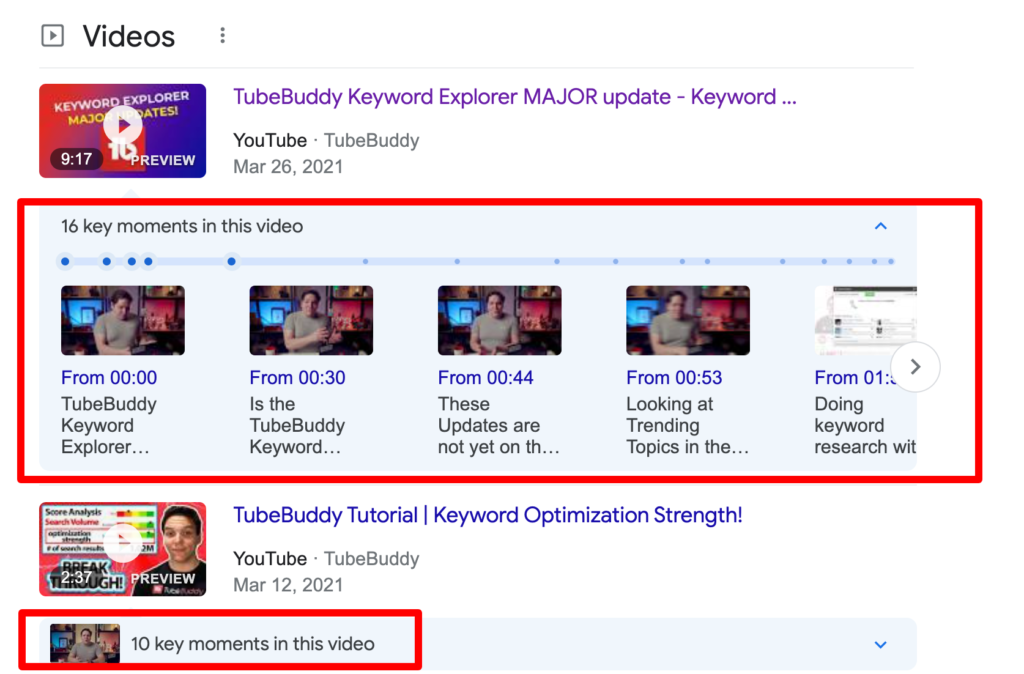
The relationship between video chapters and search rankings is rooted in the "Key Moments" feature. When a creator formats their video description with chronological timestamps, Google can extract these segments and display them directly within search results. This allows a user to bypass irrelevant portions of a video and jump directly to the specific timestamp that addresses their query.
Data from search analytics indicate that videos utilizing these timestamped links often secure higher click-through rates (CTR) compared to static video results. Because Google can index these individual segments, a single video may appear in search results for multiple, distinct queries, effectively turning one piece of content into a multi-purpose resource. For content creators, this represents an "unfair advantage" in a crowded marketplace, as it allows their videos to capture traffic that might otherwise go to competitors who lack such structured metadata.

Evolution of YouTube Metadata Standards
The history of YouTube navigation has shifted from linear consumption to modular engagement. Initially, viewers were expected to watch videos from start to finish. However, as the average video length increased and the platform became a primary repository for technical tutorials, educational content, and long-form podcasts, the need for non-linear navigation became apparent.
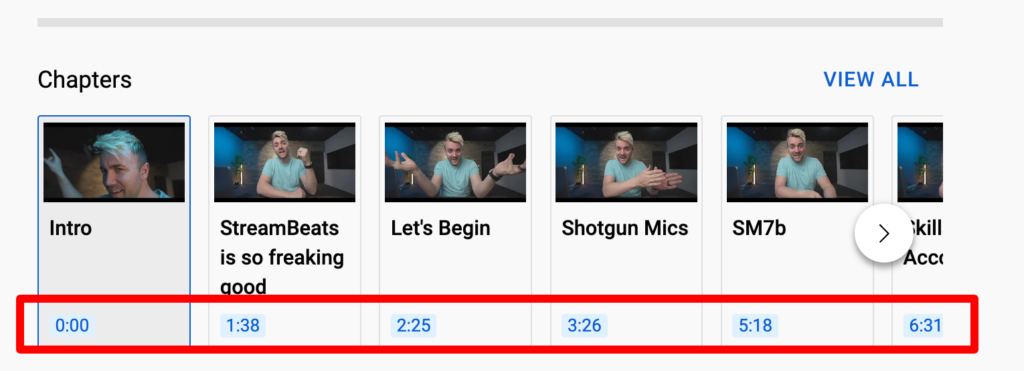
YouTube formally introduced the "Chapters" feature to address this demand. By allowing creators to define sections, the platform essentially enabled "table of contents" functionality for video. Over time, the integration of these markers with Google’s search algorithms transformed them from mere playback controls into critical SEO assets.
Manual Versus Automated Implementation
YouTube provides two primary methods for generating chapters: automatic and manual. The automated system, which utilizes machine learning to analyze audio and visual cues, is enabled by default for eligible videos. While this system offers a baseline for creators who are time-constrained, it frequently lacks the precision and keyword optimization necessary for high-level search performance.
Professional creators and digital marketing agencies prioritize manual implementation. Manual chapters allow for the inclusion of high-value keywords within the chapter titles—a critical step that the automated system cannot replicate. By selecting titles that align with search intent, a creator can ensure that their video is categorized correctly by search crawlers.
Best Practices for Keyword-Driven Chapter Titles
The efficacy of a chapter is largely dependent on its titling. A generic label such as "Step 1" or "Ingredients" offers little value to search algorithms. Conversely, a descriptive title such as "How to calibrate the XYZ sensor for maximum accuracy" contains specific, high-intent keywords.
To maximize the impact of this strategy, creators are advised to conduct keyword research before finalizing their timestamps. By identifying the specific questions users are asking within a niche, a creator can align their chapter titles with the language of the audience. This alignment increases the probability that the video will be surfaced by Google’s algorithms as a direct answer to a specific search query.
The Role of Analytical Tools
For creators managing extensive libraries, the manual process of scrubbing through footage to identify timestamps can be labor-intensive. Specialized tools, such as the TubeBuddy Chapter Editor, have been developed to streamline this workflow. These interfaces allow for real-time chapter creation while viewing the content, eliminating the need to toggle between multiple browser tabs or document files.
The use of such tools is becoming standard practice for high-output channels. By integrating chapter creation into the broader post-production workflow, creators can ensure that every video is optimized for search without significantly increasing production time. This efficiency is critical for maintaining consistency, which is a major factor in the algorithm’s assessment of a channel’s authority.
Impact on Viewer Retention and Engagement
Beyond SEO, chapters have a measurable impact on viewer retention. When a user can identify exactly when a specific topic will be discussed, they are more likely to remain on the page, even if they choose to skip ahead. This prevents "bounce rates" where a user might leave a video because they could not find the information they required within the first few seconds.
Furthermore, chapters enhance the "watch time" metric—the primary currency of the YouTube ecosystem. Higher retention rates signal to YouTube that the content is relevant and satisfying, which in turn leads to broader exposure through the "Suggested Videos" sidebar and the homepage feed.
Strategic Application for Existing Libraries
One of the most underutilized strategies in digital content management is the retrospective optimization of legacy content. Many creators possess a vast archive of high-quality videos that have lost traction over time. Adding chapters to these existing uploads is a low-effort, high-reward initiative.
Because YouTube updates video metadata in real-time, the addition of chapters to an older video can immediately improve its visibility in search results. This process does not require re-uploading the file, thus preserving existing view counts, comments, and engagement metrics. For tutorials and how-to channels, this is perhaps the most effective way to breathe new life into older content and maximize the return on investment for videos that were produced months or even years ago.
Implications for Future Content Strategy
As the digital landscape moves toward "Answer Engine Optimization" (AEO), the structure of content is becoming as important as the quality of the production itself. The ability for search engines to parse information into digestible, indexable components is the future of content distribution.
The requirement for chapters is minimal: a minimum of three, beginning at 0:00, in chronological order, with each segment lasting at least ten seconds. Despite this simplicity, the variance in performance between those who utilize the feature and those who do not is significant. As platforms continue to prioritize user experience and information density, those who invest the time to structure their content will be better positioned to capture and retain an audience in an increasingly competitive digital environment.
In conclusion, the implementation of YouTube chapters is an essential discipline for any serious content creator. It bridges the gap between passive viewing and active engagement, while simultaneously acting as a bridge between the YouTube platform and the broader web. Whether through manual entry or the use of optimization toolkits, the integration of timestamps is a foundational step toward long-term growth and sustained search visibility.