Tokyo International Film Festival Expands Global Animation Reach with Diverse Programming and Industry Dialogue


The 39th Tokyo International Film Festival (TIFF), scheduled to run from October 26 to November 4, 2026, marks a pivotal evolution in the festival’s approach to the medium of animation. While Japan remains a global powerhouse in the production of animated content, the festival is shifting its focus to bridge the gap between domestic consumption and the burgeoning landscape of international independent animation. Under the strategic guidance of programming advisor Ryota Fujitsu, this year’s Animation Selection is designed not merely as a screening showcase, but as a critical platform to foster cross-cultural exchange and challenge the insular nature of the Japanese animation market.

A Strategic Pivot in Programming
Historically, Japanese audiences have shown a marked preference for domestic anime and long-running franchise films. Data from 2024 indicates that the Japanese animation industry reached a staggering valuation of nearly ¥4 trillion ($25.6 billion), yet this revenue is heavily concentrated within local intellectual properties. Fujitsu, who has taken a central role in curating the festival’s animation slate, suggests that this reliance on established domestic IP creates a barrier for audiences to appreciate the diversity of global animation.
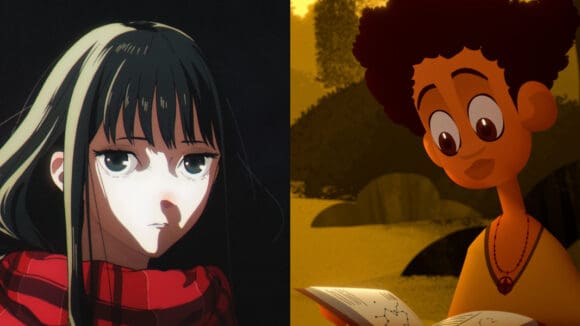
By introducing films that have garnered acclaim at prestigious international circuits like the Annecy International Animation Film Festival, TIFF is positioning itself as a conduit for "creative cross-pollination." The inclusion of international titles such as Erica Maradona’s Son of a Bitch, which employs a distinct, limited color palette to convey its coming-of-age narrative, and the DreamWorks-produced Forgotten Island, reflects an intent to introduce local viewers to diverse aesthetic and storytelling methodologies.

The Role of Festivals in Market Development
The festival’s influence on the commercial trajectory of animation in Japan cannot be overstated. A clear precedent exists: the 2023 screening of Robot Dreams at TIFF served as a launchpad for its domestic success. Following its subsequent Oscar nomination in 2024, the film enjoyed a prolonged and successful theatrical run in Japan. By mirroring this curation strategy, the 2026 festival organizers hope to replicate this success for titles like Iron Boy and Amadeo and the Hypothetical New World.
These screenings are not merely cultural offerings; they represent a calculated effort to diversify the viewing habits of a market that is arguably the most animation-literate in the world. As Fujitsu notes, the process of selecting these films is akin to "trying foreign food." The goal is to present works that, while potentially unconventional by Japanese standards, offer a level of creative daring often absent in the risk-averse, committee-driven world of large-scale franchise production.
Empowering Original Japanese Narratives
While international outreach is a priority, the 39th TIFF is simultaneously addressing a domestic systemic issue: the struggle of original Japanese animated features to compete with established franchises. In a market dominated by sequels and spin-offs, original projects often struggle to secure the necessary marketing spend and screen time to find an audience.
The inclusion of upcoming original features such as Ghost – End of Night, Grotesqqque, and Cherry and Virgin is a deliberate attempt to provide these films with early visibility. Historically, the "just-in-time" production model of Japanese animation—where films are often completed mere days before release—has hindered their participation in international-standard festival cycles. However, the current shift toward earlier development cycles for these projects signifies a maturation of the industry’s production pipeline, allowing these titles to participate in the festival ecosystem before their wide theatrical rollout.

Industry Symposiums: Addressing Representation and Ethics
The festival’s programming extends beyond the screen into the realm of professional development. The 2026 edition features three major symposiums, each designed to tackle pressing issues within the global animation community.
One of the most anticipated discussions, "The Thrill of Being an Animator," will feature documentary filmmaker Alexandre Poncet alongside directors Shingo Natsume and Atsushi Nishigori. This panel is expected to address the existential questions facing the industry today, particularly the integration of Artificial Intelligence. As the industry grapples with the ethical and creative implications of generative tools, the conversation will focus on the intrinsic value of human artistic contribution—a central theme of Poncet’s documentary Walking with Animators.

Furthermore, the symposium "Women Directors: Diverse Visions" marks a significant milestone for the festival. With women currently representing less than 5% of feature animation directors globally, the discussion serves as both a celebration and a critique of the industry’s progress. The panel will feature industry veterans including Chika Nagaoka (Detective Conan: The Fist of Blue Sapphire), Kotono Watanabe (Gold Kingdom and Water Kingdom), and Ai Yoshimura (The Rose of Versailles).
Fujitsu notes that the industry has seen a significant influx of women in various production roles over the last two decades. However, because the path to directing is often a multi-decade progression, the transition to leadership positions is only now beginning to reflect the demographic shift within the workforce. This panel is designed to highlight the contributions of these directors and underscore the necessity of sustained advocacy for gender equity in leadership roles.

Broader Implications for the Global Animation Industry
The 39th Tokyo International Film Festival represents a broader trend in the cinematic landscape: the move away from isolated, territory-specific markets toward a more integrated global dialogue. By creating a space where international independent animation and domestic Japanese production can exist on equal footing, TIFF is setting a new standard for film festivals in Asia.
The implications of this approach are threefold:

- Audience Diversification: By exposing local audiences to foreign storytelling, the festival is fostering a more sophisticated domestic consumer base that may become more receptive to non-traditional animation.
- Professional Connectivity: The focus on symposiums and direct dialogue between international and Japanese creators is designed to facilitate future collaborations, potentially mitigating the "silo effect" that has defined the Japanese industry for years.
- Institutional Reform: By prioritizing original content and highlighting the need for gender diversity, the festival is acting as a pressure point for systemic change within the Japanese animation studios, encouraging them to adopt more sustainable, transparent, and inclusive production models.
As the 39th Tokyo International Film Festival prepares to open its doors, it does so with a vision that transcends simple entertainment. The event is a reflection of a maturing industry—one that is increasingly aware of its global responsibility and the necessity of evolving to meet the challenges of an increasingly digital and interconnected world. Whether these efforts will successfully shift the needle on domestic box office trends remains to be seen, but the festival’s commitment to providing a platform for unconventional, challenging, and diverse voices marks a significant step forward for the global animation community.