Stoke’s Scout Multitool: A Photographer’s Pocket Companion Designed for Precision and Practicality

In the ever-evolving landscape of photography, where technological advancements often take center stage, it’s the subtle yet crucial accessories that can truly enhance a creative’s workflow. Stoke, a company founded by Irish photographer and industrial designer Ben Millett, has introduced the Scout, a meticulously crafted multitool designed to address the often-overlooked practical needs of photographers in the field. Moving beyond the sprawling functionality of conventional multitools, the Scout focuses on essential tasks, offering a streamlined and highly effective solution for common on-the-go adjustments and minor repairs.
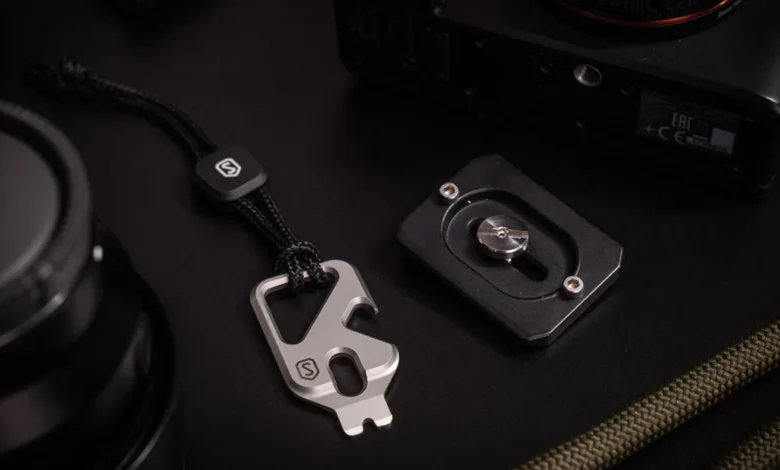
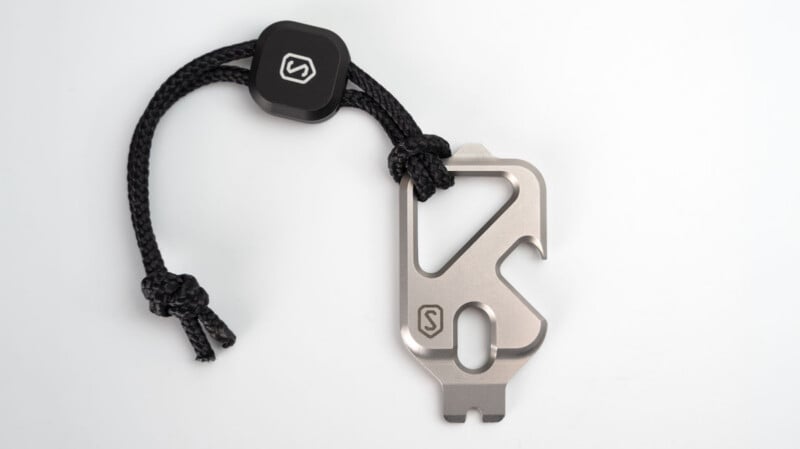
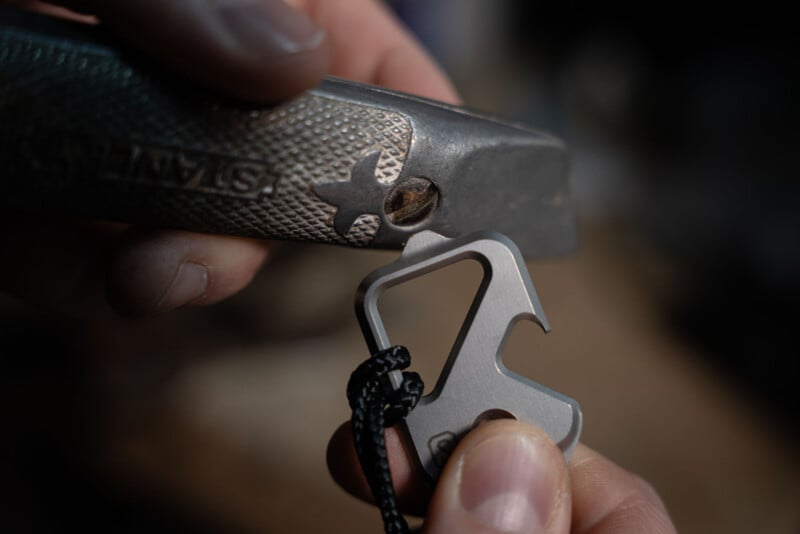
The genesis of the Scout lies in Millett’s personal experience as a photographer. "Most multitools try to do everything," Stoke states in its product description, underscoring the core philosophy behind the Scout. "Scout was designed to do only what matters." This principle translates into a compact tool featuring a curated set of functionalities: a flathead screwdriver for precise adjustments, a prying edge for delicate tasks, a bottle opener for moments of well-deserved refreshment, a cord cutter for utility, bolt-tightening capabilities, and wire-stripping edges. For photographers, its most significant contribution is its ability to efficiently tighten or loosen tripod plates and other camera mounting hardware, a common point of minor frustration for those who frequently adjust their gear.
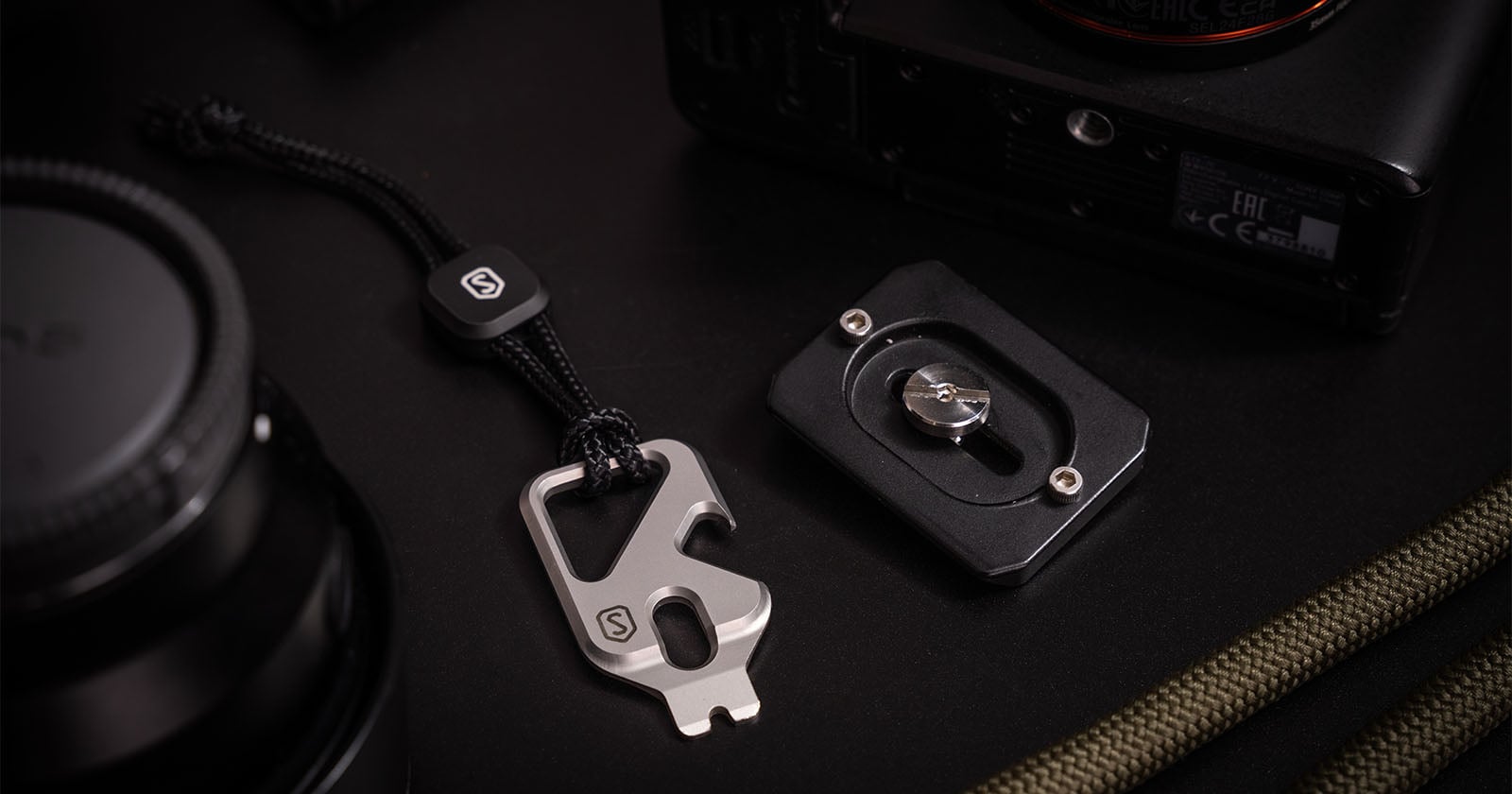
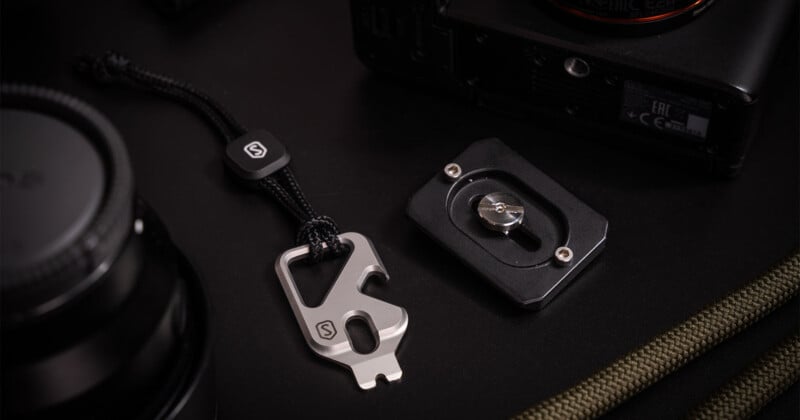
Historically, photographers have resorted to makeshift solutions for tightening tripod plates, often relying on the edges of keys, coins, or even fingernails. While these methods can work in a pinch, they are rarely ideal. Keys can scratch equipment, coins offer limited torque, and fingernails are often insufficient for stubborn screws. The inconvenience of fumbling for the right tool, or discovering that the necessary tool is missing, can interrupt the creative flow and add unnecessary stress to a shoot. The Scout aims to eliminate this friction by providing a purpose-built, easily accessible tool that can be conveniently attached to a keyring or backpack.
Millett elaborates on the inspiration, stating, "The initial inspiration for Scout was the need for a small tool to quickly adjust screws on camera brackets and L-plates and the annoyance of not always having a tool suitable or having to fumble with a bigger multitool. The desire for this simple, almost single-task pocket tool grew into what Scout is now. A bring everywhere pocket tool with a tight, considered set of functions centered around the core inspiration of turning and tightening." This focused approach distinguishes the Scout from more complex multitools that often include an overwhelming array of functions, many of which a photographer might rarely, if ever, use.
Addressing a Specific Photographic Pain Point: Tripod Adjustments
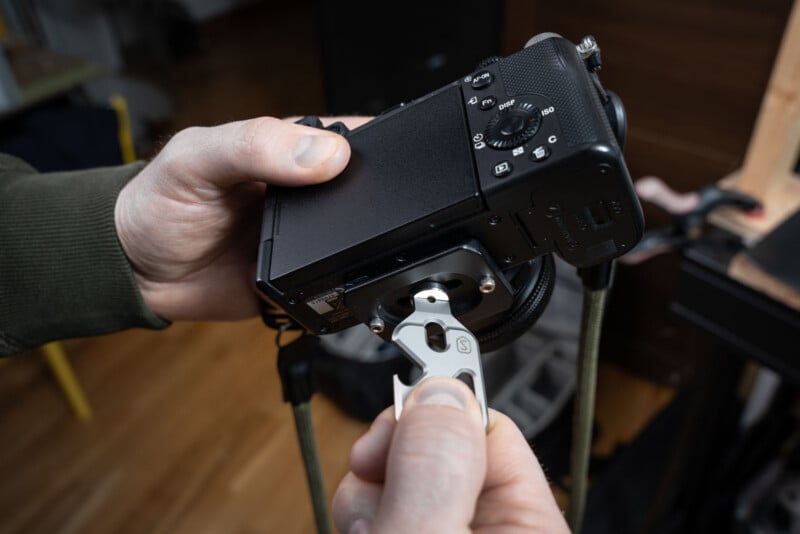
A particularly ingenious aspect of the Scout’s design addresses a common, albeit minor, annoyance with tripod adjustments. Many tripods are shipped with small, often fiddly, 1/4-inch hex wrenches for tightening mounting plates. While some tripods cleverly incorporate storage for these wrenches, many do not, leaving photographers to remember to carry them separately. Even when present, these small wrenches can be difficult to grip and maneuver, especially when significant torque is required to secure a camera setup firmly.
The Scout’s design incorporates a dedicated 1/4-inch diameter opening specifically engineered to accommodate these standard tripod wrenches. This feature allows users to wrap the Scout around the wrench, providing a significantly improved grip and leverage. This enhanced purchase enables photographers to tighten or loosen screws with greater ease and confidence, ensuring their camera equipment remains stable and secure in various shooting conditions. This thoughtful consideration for a specific photographic need highlights the tool’s user-centric design.
Beyond the Tool: The Conker Lanyard Adjuster
Stoke’s commitment to refining the photographer’s toolkit extends beyond the Scout multitool itself. Alongside the Scout, the company has launched the Conker, a two-part, machined-aluminum lanyard adjuster. This accessory is designed to work in conjunction with the lanyard cord included with the Scout, offering a sophisticated solution for managing lanyard tension.
The Conker’s adjustment mechanism is a key innovation. It allows for the attachment or removal of the lanyard without the need for tying, untying, or cutting the cord. Millett identifies this as a "personal pet peeve," suggesting that the ease of adjustment offered by the Conker addresses a common frustration with traditional lanyard systems. This attention to detail, even in seemingly minor accessories, underscores Stoke’s dedication to creating practical and user-friendly tools for photographers.
Design Philosophy and Materials
The Scout multitool embodies a minimalist yet highly functional aesthetic. Crafted from durable metal, it features a sleek design that prioritizes utility without unnecessary ornamentation. The inclusion of a black cord, often a paracord loop, enhances its portability and allows it to be readily attached to a camera bag, belt loop, or keyring. The tool’s compact size ensures it remains unobtrusive in a pocket or bag, making it an ideal everyday carry item for photographers.
The choice of materials and the precision of its construction are indicative of a product built for longevity. In a field where gear can be subjected to varied environmental conditions, a robust and reliable tool is paramount. The Scout’s construction suggests it is designed to withstand the rigors of outdoor photography and frequent use.
Market Context and Competitive Landscape
The market for multitools is vast, with numerous brands offering a wide spectrum of products ranging from budget-friendly options to high-end, specialized tools. However, few are specifically tailored to the nuanced needs of photographers. While general-purpose multitools might include a screwdriver that could technically tighten a tripod plate, they often lack the ergonomic design and specific features that make the Scout stand out.
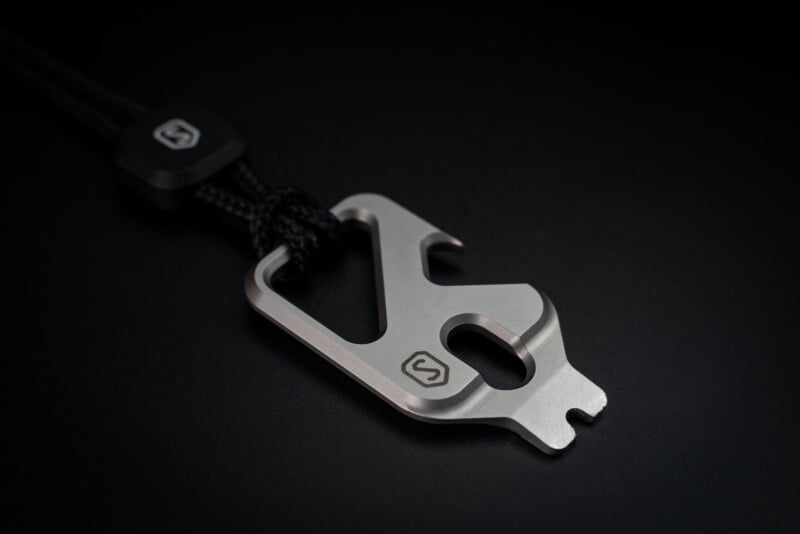
The Scout’s value proposition lies in its specialization. By focusing on a select set of highly relevant functions, it avoids the bloat of more comprehensive multitools. This targeted approach makes it a more efficient and practical choice for photographers who value precision and ease of use in their gear. The "do only what matters" ethos positions the Scout as a complementary tool rather than a replacement for larger, more complex multitools that might be kept at home or in a studio.
Crowdfunding Campaign and Availability
The Stoke Scout multitool was launched via a crowdfunding campaign on Kickstarter, a platform commonly used by innovative companies to gauge market interest and secure initial funding. The campaign offered an "early bird" package priced at £41 (approximately $49), representing a significant discount from the anticipated retail price of £59 (approximately $70). This pricing strategy is typical for crowdfunding campaigns, aiming to reward early supporters and build momentum.
Stoke announced that deliveries of the Scout were slated to begin in June. Crowdfunding campaigns, while offering the opportunity to acquire innovative products at potentially lower prices, also carry inherent risks. PetaPixel, in its reporting on such campaigns, includes a disclaimer advising potential backers to conduct their own research and acknowledges the possibility of financial loss. PetaPixel’s policy of financially backing campaigns at the lowest tier also aims to provide insight into campaign communications and hold creators accountable for their promises.
Broader Implications for Photography Gear
The emergence of tools like the Scout suggests a growing trend towards specialized, high-quality accessories that enhance the photographer’s experience by addressing specific pain points. As camera bodies and lenses become more sophisticated, the supporting ecosystem of accessories also needs to evolve. This includes not only items directly related to image capture but also the tools and conveniences that facilitate the use and maintenance of that gear.
The Scout’s success, if measured by its adoption among photographers, could encourage other manufacturers to develop similar niche tools. The demand for well-designed, durable, and practical accessories that simplify fieldwork is likely to persist. The implications are that photographers are increasingly seeking solutions that streamline their workflow, reduce minor frustrations, and ultimately allow them to focus more on their creative vision.
Analysis of the "Essential" Debate
While the Scout is not an "essential, must-have" item in the same way a camera body or a lens might be considered, its value lies in its contribution to a smoother, more efficient photographic experience. The argument for its inclusion in a photographer’s kit centers on convenience, durability, and intelligent design. In the often unpredictable environments where photography takes place, having reliable tools readily available can make a tangible difference.
The Scout represents a class of products that, while not critical for image capture, significantly improve the user’s interaction with their gear. It’s a testament to the idea that even the most experienced photographers can benefit from thoughtfully designed tools that address small but persistent annoyances. The "rugged, simple tool designed to last a very long time" appeals to a desire for quality and longevity in a world often dominated by disposable goods. The convenience and versatility it offers can indeed smooth out some of the friction photographers encounter, allowing for greater focus and enjoyment in their craft.
The introduction of the Stoke Scout multitool and its accompanying Conker lanyard adjuster signals a thoughtful approach to accessory design for photographers. By prioritizing specific, high-impact functionalities and investing in quality materials and construction, Stoke aims to provide practical solutions that genuinely enhance the photographic workflow. While not a revolutionary piece of technology, the Scout embodies a philosophy of refinement and utility that resonates with the practical demands of modern photography.