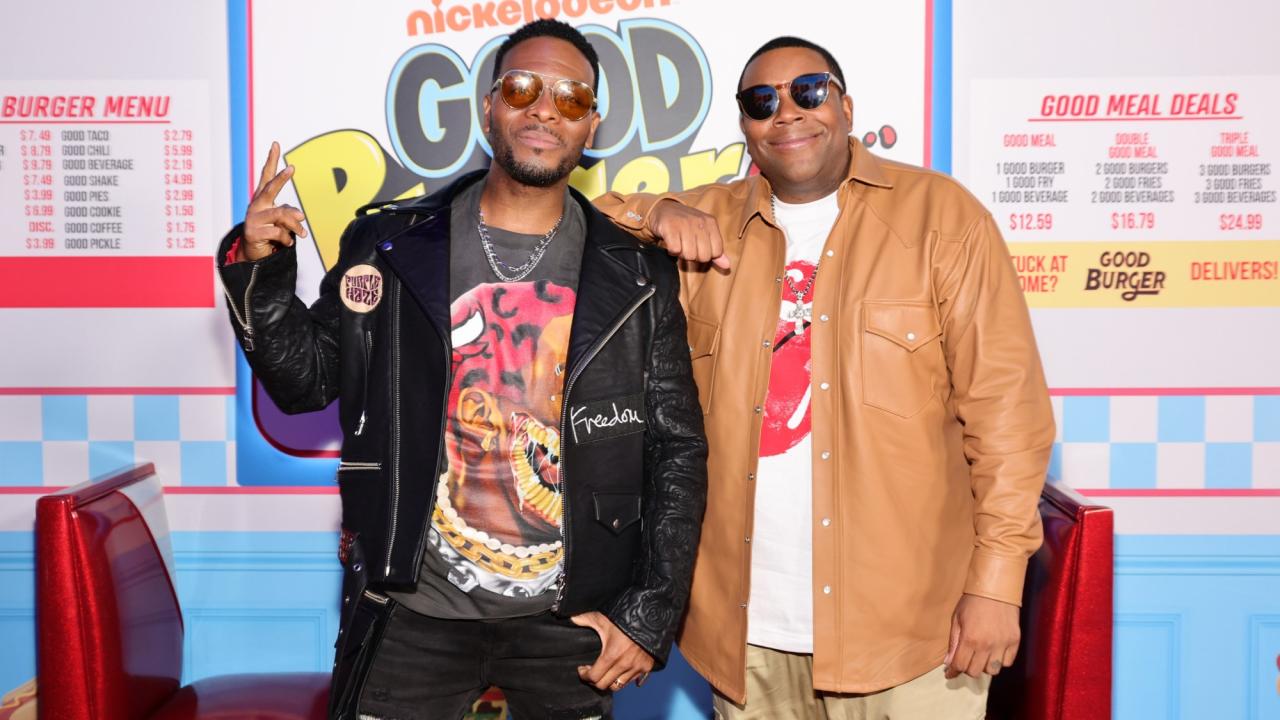
PETA sends message to Kenan Thompson and Kel Mitchell after Good Burger 2 announcement, sparking immediate debate. This new campaign follows a history of PETA’s activism, and the actors’ prior public images. The announcement of Good Burger 2 has ignited a firestorm of reaction, with PETA taking a clear stance. This blog delves into the details, analyzing PETA’s message, potential reactions, and the broader implications for animal rights activism and celebrity engagement.
The recent announcement of “Good Burger 2” has generated significant buzz, but it’s also brought a different kind of attention – a forceful message from PETA. This blog will explore the history of PETA, their methods, and their specific concerns surrounding the film. We’ll look at the potential impact on the actors, their careers, and the overall reception from the public.
A key aspect will be analyzing the strategy and comparing it to past campaigns. The potential future implications and the intended target audience of PETA’s message will also be discussed.
Background on PETA and the “Good Burger 2” Announcement
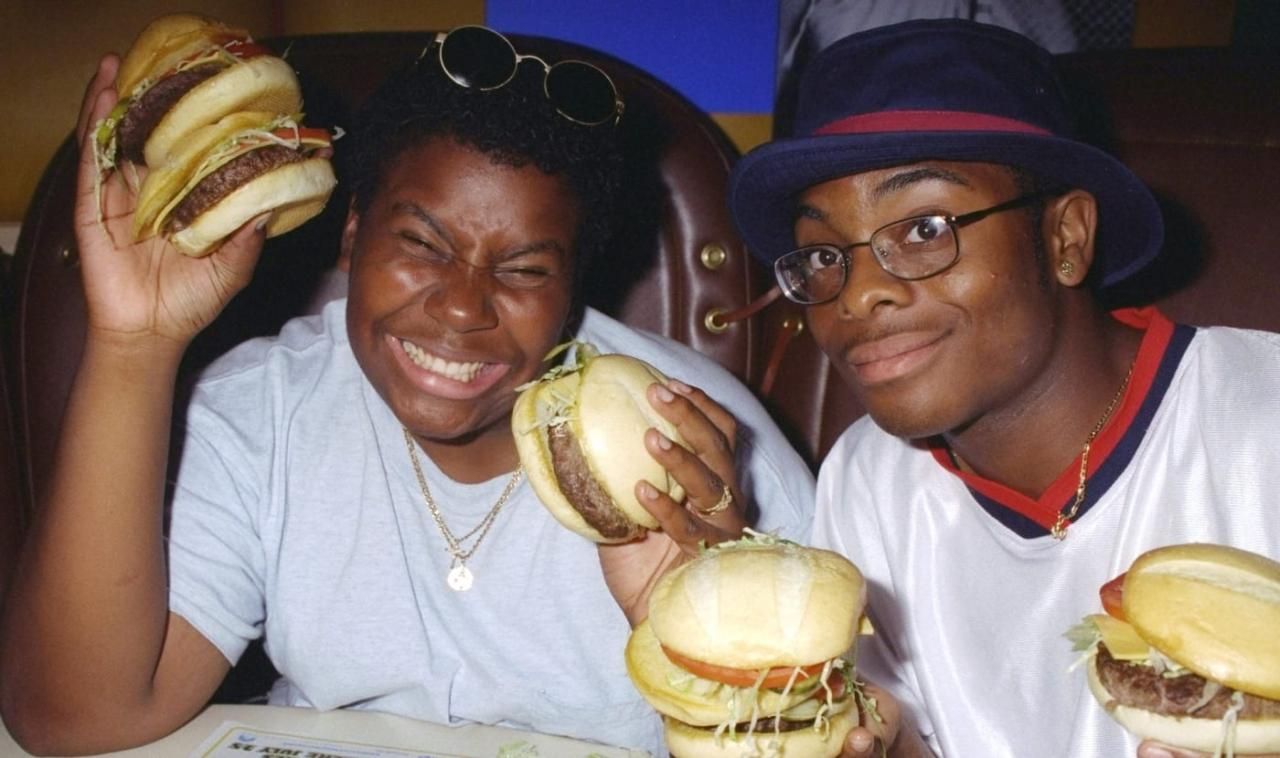
PETA, the People for the Ethical Treatment of Animals, has a long history of advocating for animal rights. Founded in 1980, PETA has been a vocal force in campaigns against animal testing, factory farming, and the use of animals in entertainment. Their methods, often involving public protests and advocacy, have garnered both support and criticism. This approach has, in many cases, led to significant changes in animal welfare standards and policies.The recent announcement of “Good Burger 2,” while not directly related to PETA’s work, has sparked interest given PETA’s history of addressing similar issues in the entertainment industry.
The date of the announcement and initial reactions are yet to be determined, but the project’s renewed interest has already caught the attention of animal rights organizations.
PETA’s Stance on Animal Rights
PETA’s core philosophy centers on the belief that animals deserve the same consideration and respect as humans. This extends to their opposition to activities that cause animals harm or suffering, including, but not limited to, animal testing, the fur industry, and the use of animals in entertainment. Their campaigns often involve public awareness campaigns, protests, and legal action to achieve their objectives.
The “Good Burger 2” Announcement
The announcement of “Good Burger 2” has brought renewed attention to the film franchise. Initial public reaction and media coverage will likely shape the film’s trajectory, particularly given PETA’s involvement in addressing animal rights in entertainment. A positive response from audiences and critics could help the franchise’s resurgence, while a negative response might lead to adjustments or further scrutiny.
Public Image and Reputation
| PETA | Kenan Thompson | Kel Mitchell |
|---|---|---|
| PETA is a well-known organization that has been active in animal rights advocacy for decades. They are recognized for their strong stance, sometimes controversial tactics, and significant impact on public discourse regarding animal welfare. | Kenan Thompson is a highly regarded comedian and actor with a reputation for comedic timing and versatility. He has a positive public image and is known for his contributions to the entertainment industry. | Kel Mitchell is a well-known comedian and actor, known for his work in children’s television and comedy. He has maintained a public image associated with his earlier work and continued acting roles. |
Relationship Between Kenan Thompson, Kel Mitchell, and Animal Rights Organizations
While specific instances of past interactions between Kenan Thompson, Kel Mitchell, and PETA or similar organizations are not readily available, the general trend suggests limited direct involvement. The actors’ focus has predominantly been on their acting and comedic careers. Public figures’ interactions with animal rights organizations are often driven by personal values and beliefs.
Public Reaction and Potential Impact
PETA’s message to Kenan Thompson and Kel Mitchell regarding the “Good Burger 2” announcement is likely to spark a range of public reactions, impacting not only the actors’ careers but also PETA’s image and the film’s future. The potential for controversy and the actors’ response will be critical factors in shaping the narrative. This response will examine the potential public reaction, the impact on the actors and PETA, and provide examples of past celebrity responses to similar activism.
Potential Public Reactions
The public’s response to PETA’s message will likely be diverse, depending on individual views on animal rights, the film’s subject matter, and the actors’ perceived involvement. Some may applaud PETA’s activism, while others might criticize their tactics or find them irrelevant to the film. There’s a possibility of a significant portion of the audience being indifferent.
PETA’s message to the voice actors behind the Good Burger 2 announcement feels a little… out of place, doesn’t it? While the fast food franchise might be stirring up some controversy, it’s almost comical compared to the whole Keanu Reeves thing. Apparently, Keanu Reeves, in a surprisingly straightforward interview, admits to some rather intense stunts while filming John Wick here , and yet PETA’s concern over the new burger flick seems a tad…well, less extreme.
Maybe they should focus on the bigger fish in the pond first?
Impact on Kenan Thompson and Kel Mitchell’s Careers
The message could affect the actors’ future projects, potentially impacting their career trajectory. A negative public response could lead to decreased interest in future projects or brand endorsements. On the other hand, a positive response could attract new fans and support for future ventures. It’s important to consider the actors’ personal stances on animal rights and their decision-making process in responding to PETA’s message.
Public perception of their response will be a crucial factor.
Celebrity Responses to Similar Activism
Numerous celebrities have faced similar activism from animal rights groups. Some have publicly supported the cause, while others have chosen to remain neutral or address the issue privately. The public’s reaction to the celebrity’s stance often varies, depending on the specific issue and the celebrity’s public image. For example, actors involved in film projects featuring potentially controversial topics, like violence or controversial political statements, have faced public backlash.
The outcome is often influenced by the celebrity’s past actions and public image.
Impact on PETA’s Image and Reputation
PETA’s actions, and the public’s response to them, can significantly impact the organization’s reputation. A strong, well-reasoned response from the actors could either reinforce PETA’s credibility or damage its image. The organization’s approach to handling this situation could influence public perception of their methods and effectiveness. A calculated and thoughtful response is essential.
Predicted Public Reaction Based on Scenarios
| Scenario | Potential Public Reaction | Impact on Actors | Impact on PETA |
|---|---|---|---|
| PETA’s message is ignored | Mixed or neutral reaction; some may criticize PETA’s tactics. | Minimal impact on their careers. | Potential damage to PETA’s image, perception of irrelevance. |
| Actors publicly support PETA’s message | Positive reaction from PETA supporters; negative from those opposed. | Potential for both positive and negative publicity. Potential for career enhancement if the response is well-received. | Enhancement of PETA’s credibility or further damage, depending on public perception. |
| Actors publicly oppose PETA’s message | Strong reaction from both sides, with potential for negative publicity for the actors. | Potential for significant negative publicity and decreased career opportunities. | Potential for PETA to be viewed as confrontational. |
Comparison of Messaging Strategies
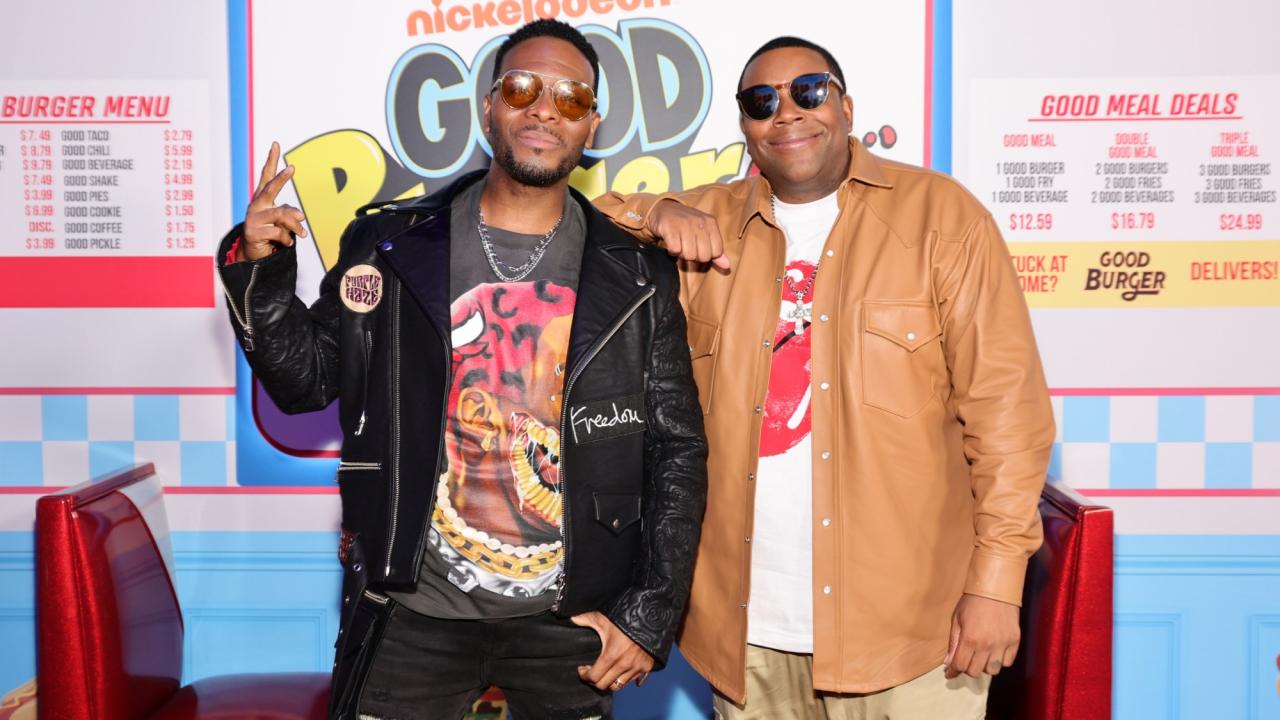
PETA’s recent response to the “Good Burger 2” announcement highlights a common strategy in animal rights activism – a direct challenge to popular culture. Analyzing PETA’s approach alongside other animal rights organizations reveals key similarities and differences in their messaging strategies, which often impact how their messages are received by various demographics and lead to both positive and negative responses.
Understanding these nuances is crucial for evaluating the effectiveness of different approaches in the broader context of animal rights advocacy.
Comparing PETA’s Approach to Other Organizations
Different animal rights organizations employ various strategies, ranging from public awareness campaigns to legislative advocacy. PETA’s tactics frequently involve direct action and provocative messaging, often aimed at a broad audience. Other organizations might focus on education and building long-term support, targeting specific groups or industries. This varied approach reflects the different goals and resources of various organizations.
PETA’s message to the voice actors behind the Good Burger 2 announcement feels a little… out of place, doesn’t it? While the fast food franchise might be stirring up some controversy, it’s almost comical compared to the whole Keanu Reeves thing. Apparently, Keanu Reeves, in a surprisingly straightforward interview, admits to some rather intense stunts while filming John Wick here , and yet PETA’s concern over the new burger flick seems a tad…well, less extreme.
Maybe they should focus on the bigger fish in the pond first?
Examples of Effective and Ineffective Campaigns
Effective campaigns often resonate with a specific demographic by employing emotionally compelling narratives or concrete solutions. For example, campaigns highlighting the cruelty of factory farming might be very effective when paired with detailed information on alternatives. Conversely, campaigns that rely solely on inflammatory language or sensationalism without providing solutions or alternative options can be less effective, and sometimes backfire.
Examples of effective campaigns include those that successfully shifted public opinion on issues like foie gras or the fur trade. Conversely, some campaigns may be perceived as overly aggressive or lacking in nuance, leading to negative publicity or reduced support.
Potential Reception by Different Demographics
PETA’s direct approach, while often generating media attention, might alienate certain segments of the population. Younger audiences, particularly those actively engaged in social media discussions, may be more receptive to PETA’s style. Older generations, however, may find the messaging confrontational or even offensive. Public perception of PETA is frequently complex, with some seeing it as a crucial voice for animal rights and others viewing it as overly radical.
Counterarguments and Criticisms of PETA’s Messaging
A common criticism of PETA’s approach is its perceived focus on shock value rather than nuanced discussions. Critics may argue that PETA’s tactics can undermine the credibility of the animal rights movement as a whole. Some argue that focusing solely on negative portrayals of the status quo, without presenting positive alternatives, can be counterproductive. Furthermore, some argue that PETA’s focus on controversial issues can overshadow more constructive approaches to animal welfare.
Comparison Table: PETA vs. Another Organization
| Feature | PETA | Humane Society of the United States (HSUS) |
|---|---|---|
| Messaging Style | Direct, confrontational, often employing shock value | Emphasizes education, responsible pet ownership, and legislative change |
| Target Audience | Broad, aiming to raise awareness across demographics | Targeted at specific audiences, including pet owners, and those involved in animal agriculture |
| Tactics | Protests, public campaigns, boycotts, often employing emotionally charged imagery | Legislative advocacy, educational programs, research, partnerships with animal shelters |
| Overall Tone | Often viewed as provocative and controversial | Generally perceived as more mainstream and accessible |
Potential Future Implications
The PETA message to the stars of “Good Burger 2” and the subsequent public response mark a significant moment in celebrity engagement with animal rights activism. This incident isn’t just a fleeting controversy; it has the potential to reshape how actors, studios, and animal rights organizations approach similar issues in the future. Understanding these potential implications is key to comprehending the broader impact of this interaction.
Potential PETA Actions
PETA’s strategy in this case suggests a continued campaign of public pressure. They may ramp up their online presence with targeted social media campaigns, potentially including new videos or infographics highlighting their stance on animal welfare in the film industry. Further, PETA might focus on contacting other actors or studios involved in future projects, aiming to influence future productions.
They may also choose to engage in direct action, though this is less likely in this specific context. It is also plausible they will focus on other aspects of the actors’ work, given their recent statements.
Potential Actor Responses
The actors, facing public scrutiny, could react in several ways. They might issue statements clarifying their positions on animal welfare or potentially engage in a more public dialogue with PETA, perhaps through interviews or online forums. There’s also the possibility of collaborating with animal welfare organizations, either financially or through charitable activities. Their responses will be heavily influenced by public opinion and the pressure from their management teams.
Resolution of Similar Controversies
Past controversies involving animal welfare and celebrities have often been resolved through dialogue, compromise, or a combination of both. For instance, when actors have been criticized for their use of fur or leather, they have sometimes publicly committed to reducing their use of these materials, or shifted to more ethically sourced options. The resolution is often context-specific, depending on the specific nature of the controversy and the personalities involved.
Some situations have even led to positive change in studio practices, such as promoting more ethical filmmaking.
Broader Implications on Activism and Celebrity Engagement
This interaction highlights the growing power of animal rights activism in the public sphere. Celebrities, once largely shielded from direct public criticism on animal rights issues, are now more susceptible to targeted campaigns. This could encourage other activist groups to use similar strategies to engage with celebrities and influence public perception on social issues. Conversely, celebrities may become more cautious about accepting projects with potential ethical concerns, potentially affecting future film and television productions.
PETA’s message to the voice actors behind the Good Burger 2 announcement feels a little… out of place, doesn’t it? While the fast food franchise might be stirring up some controversy, it’s almost comical compared to the whole Keanu Reeves thing. Apparently, Keanu Reeves, in a surprisingly straightforward interview, admits to some rather intense stunts while filming John Wick here , and yet PETA’s concern over the new burger flick seems a tad…well, less extreme.
Maybe they should focus on the bigger fish in the pond first?
Potential Influence on Future Film and Television Projects
Studios may be more likely to consider the potential for controversy before taking on certain projects. For example, projects featuring explicit or controversial animal use might be subject to increased scrutiny and potential delays or even cancellation. This increased awareness could lead to more ethical considerations during the production of films and TV shows. Furthermore, this event highlights the importance of transparent communication regarding ethical concerns, and the need for companies to respond promptly and professionally to criticism.
Potential Impacts Table
| Impact Category | Description |
|---|---|
| Short-Term | Increased media attention on animal rights issues. Immediate reactions from PETA and the actors. Public debate and discussion. |
| Medium-Term | Potential shift in studio practices regarding animal welfare. Celebrity engagement with animal rights groups may become more common. Influencing decisions in future casting and production choices. |
| Long-Term | Potential for increased activism and public pressure on animal rights. Shift in public perception of animal welfare. Long-term impact on the entertainment industry’s approach to ethical concerns. |
Detailed Explanation of PETA’s Target Audience: Peta Sends Message To Kenan Thompson And Kel Mitchell After Good Burger 2 Announcement
PETA, a globally recognized animal rights organization, employs a multifaceted approach to achieve its mission. Understanding their target audience is crucial to evaluating the effectiveness of their messaging, especially in the context of a high-profile announcement like “Good Burger 2.” Their strategy likely centers on influencing public opinion and potentially pressuring businesses or individuals to adopt more animal-friendly practices.
Specific Demographics Targeted
PETA’s target audience is a broad but well-defined group of individuals who are receptive to animal rights advocacy. They likely prioritize various demographic segments. This includes, but is not limited to, younger adults and Gen Z who are often highly engaged in social media activism and readily influenced by online campaigns. Further, PETA likely targets those who already have established pro-animal sentiment, particularly those involved in vegan or vegetarian lifestyles.
The organization likely also seeks to attract those who are aware of and concerned about animal welfare issues.
Strategies for Targeting Specific Demographics
PETA likely utilizes various strategies to reach their intended audience, including social media campaigns, targeted advertising, and collaborations with influencers and celebrities. They likely employ specific language and imagery that resonates with the values and concerns of their target demographic. For example, campaigns emphasizing the ethical implications of consuming animal products are likely directed towards those concerned with animal welfare and sustainability.
Desired Outcomes of PETA’s Message
The desired outcomes of PETA’s message for their target audience vary depending on the specific campaign. However, common objectives include increased awareness of animal welfare issues, a shift in public opinion towards animal rights, and the potential for influencing consumer choices or corporate practices. The organization may also seek to motivate individuals to adopt vegan or vegetarian lifestyles.
Examples of Similar Campaigns
Numerous campaigns aimed at specific demographics demonstrate PETA’s approach. For instance, campaigns targeting young adults often leverage humor and trending social media challenges to create viral awareness. They frequently use visual storytelling, showcasing the experiences of animals in graphic and impactful ways to evoke an emotional response from the audience.
Table: PETA’s Target Audience Segments and Strategies, Peta sends message to kenan thompson and kel mitchell after good burger 2 announcement
| Target Audience Segment | Strategies Likely Employed | Desired Outcomes |
|---|---|---|
| Young Adults (Gen Z/Millennials) | Social media campaigns, influencer collaborations, trending challenges, engaging visual content, humor | Increased awareness, emotional engagement, positive brand association, viral reach |
| Vegans/Vegetarians | Reinforcing existing values, providing resources for lifestyle support, highlighting animal welfare concerns | Community building, reinforcing values, education |
| Animal Welfare Advocates | Direct advocacy messaging, providing detailed information on animal welfare issues, fostering community engagement | Motivating action, fostering a sense of shared responsibility, and building support for specific issues |
| General Public | Raising awareness about animal welfare issues, highlighting the ethical implications of certain practices, providing accessible information | Shifting public opinion, promoting understanding, influencing consumer choices |
Conclusive Thoughts
In conclusion, PETA’s message to Kenan Thompson and Kel Mitchell regarding “Good Burger 2” highlights a continuing battle for animal rights. The potential public reaction, the actors’ responses, and the lasting effects on the film industry and PETA’s reputation are all key points. This case study demonstrates the complex relationship between celebrities, animal rights activism, and the public. The long-term implications of this message are still unfolding, and the future actions of all parties involved will be interesting to watch.