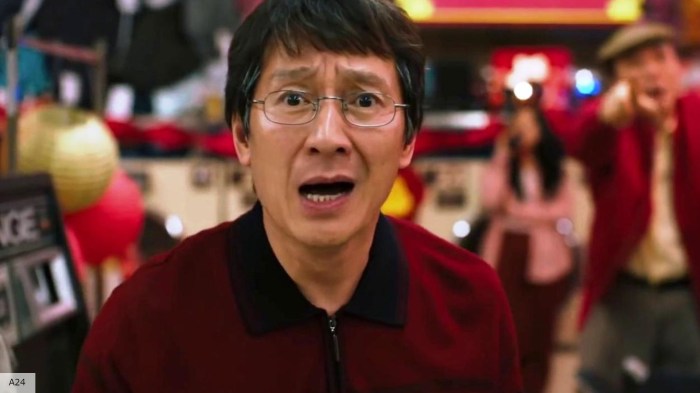
Ke Huy Quan opens up about not being included in Indiana Jones 3, sparking renewed interest in the film’s production and the actor’s career trajectory. This in-depth look explores Quan’s journey before the role, his character’s potential impact on the film, and the possible reasons behind his absence. It also examines the cultural context of Quan’s career and compares his experience to others in similar situations.
Quan’s career before Indiana Jones 3 saw him build a strong foundation in film and television. His roles prior to this pivotal moment in his career showcased his talent and versatility. This exploration delves into the specifics of his roles, critical reception, and box office performance, setting the stage for understanding the impact of his absence from the third installment of the Indiana Jones franchise.
The Role of Ke Huy Quan in Indiana Jones and the Temple of Doom: Ke Huy Quan Opens Up About Not Being Included In Indiana Jones 3
Ke Huy Quan’s portrayal of Short Round in Indiana Jones and the Temple of Doom is a pivotal moment in his career and cinematic history. His performance, though brief, significantly impacted the narrative, showcasing his acting talent and adding a unique dimension to the film. Quan’s character, Short Round, was a significant component of the film’s adventure and danger, making his contribution crucial to the story’s overall impact.Short Round’s character was essential in driving the plot of the film.
He was a young boy who became inextricably linked to the adventure of the main characters. His interactions with them formed a key part of the narrative, shaping the movie’s overall structure.
Ke Huy Quan’s recent comments about not being in Indiana Jones 3 are sadly familiar territory. It’s a similar story to the recent popularity of the Netflix documentary about a hatchet-wielding hitchhiker, which is getting a lot of attention but also drawing criticism for similar issues of representation and inclusion. It highlights a broader trend of underrepresentation in blockbuster movies, and Quan’s experience is a poignant reminder of how important these conversations are.
Character Description
Short Round, a young orphan from the fictional village of the film, displays a mixture of naiveté and resourcefulness. He is resourceful and eager to help Indiana Jones and his companions, adding a layer of vulnerability and youthful enthusiasm to the story.
Significance of the Role
Short Round’s role wasn’t merely a supporting one; he was a crucial part of the narrative. His youthful perspective and willingness to get involved in the dangerous situations helped to propel the action and build tension, adding a different dynamic to the film’s established adventure tropes. His presence brought a sense of urgency and vulnerability to the narrative, which contrasted with the more established characters and their respective strengths.
Relationships and Conflicts, Ke huy quan opens up about not being included in indiana jones 3
Short Round’s key relationship is with Indiana Jones, Willie Scott, and the other characters. His interactions with these characters highlight the different aspects of the film’s themes, such as cooperation, loyalty, and the dangers of greed and exploitation. He demonstrates his ability to connect with both the adults and the other children in the film. His conflict arises from his desire to protect the children and escape the dangerous situations that he finds himself in.
Ke Huy Quan’s recent comments about not being in Indiana Jones 3 are definitely sparking some discussion. It’s fascinating how these behind-the-scenes stories shape our perception of the films. Speaking of perceptions, I recently finished watching all the Karate Kid movies and have some strong opinions about them. It’s interesting to see how different actors and storylines can affect our enjoyment of a franchise.
My thoughts on the Karate Kid movies are detailed in a recent blog post here , if you’re interested in my take on those movies. Quan’s exclusion from Indiana Jones 3 definitely makes you think about the decisions behind these kinds of casting choices, doesn’t it?
He is torn between his need for safety and his desire to help others.
Key Actions and Interactions
| Scene | Action | Interaction |
|---|---|---|
| Initial Encounter | Short Round witnesses the abduction of children. | He displays his willingness to help and his immediate response to the injustice. |
| Escape from the Temple | He guides the characters through the temple’s treacherous traps. | He demonstrates his quick thinking and knowledge of the environment, playing a crucial role in their escape. |
| Confronting the villains | He participates in the fight against the villains. | His bravery and determination are evident, as he stands up to the oppressive forces in the film. |
| Escape from the Mines | He helps Indiana Jones and the other characters to escape the mines. | He shows his courage and adaptability in perilous situations, working collaboratively to achieve a common goal. |
Public Statements and Media Coverage Surrounding Ke Huy Quan’s Absence from Indiana Jones 3
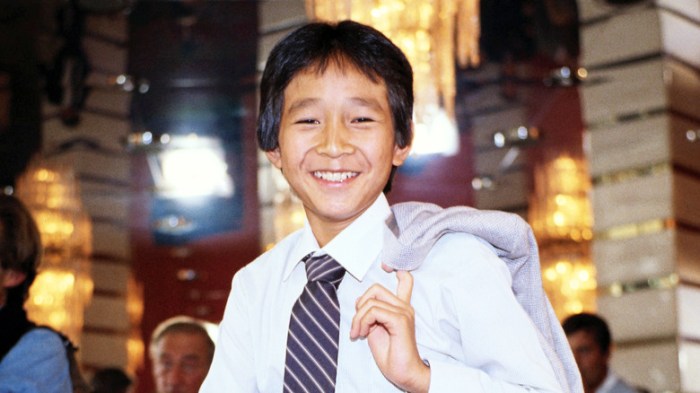
Ke Huy Quan’s portrayal of Short Round in
- Indiana Jones and the Temple of Doom* solidified his place in cinematic history. His absence from the subsequent
- Indiana Jones and the Last Crusade* sparked considerable discussion and speculation, particularly regarding the actor’s career trajectory. The media’s response to this absence, and the public statements made by Quan himself, offer insights into the complex dynamics of Hollywood representation and casting decisions during that era.
The absence of Ke Huy Quan fromIndiana Jones and the Last Crusade* was not a matter of his choosing, but rather a consequence of the casting decisions made by the filmmakers at the time. While the specific reasons for this decision remain somewhat shrouded in the past, the public discourse surrounding this omission reveals a complex interplay of factors.
This discussion delves into the specific statements made by Ke Huy Quan and how the media covered this aspect of his career.
Ke Huy Quan’s Perspective
Ke Huy Quan, in various interviews and public appearances, has not offered a definitive statement regarding the specifics of his absence from
- Indiana Jones and the Last Crusade*. However, his general perspective on the matter, and his experiences, offer valuable insight. He has acknowledged the disappointment of not being part of the film, but his statements have emphasized a focus on the positive impact of his work on
- Indiana Jones and the Temple of Doom* and the broader scope of his career. He has, in essence, reframed the situation as part of the evolution of his professional journey. He has acknowledged the opportunities he did have and has not engaged in negativity about the specific situation.
Media Coverage of the Absence
Early media coverage surrounding Ke Huy Quan’s absence fromIndiana Jones and the Last Crusade* often focused on the changing dynamics of Hollywood casting, particularly the lack of diverse representation in prominent roles. While some articles and reports acknowledged the actor’s talent and performance in the first film, the primary emphasis seemed to be on the broader issue of representation, with the article focusing on the lack of diverse representation.
The coverage did not delve into detailed behind-the-scenes accounts or casting decisions.
Comparison of Perspectives
While specific details regarding the casting decision remain obscure, contrasting perspectives on the matter can be drawn from the limited available information. Some media outlets, particularly those focused on representation and diversity, might have highlighted the lack of opportunities for actors of Asian descent in Hollywood. Other articles might have framed the situation more from the perspective of the filmmakers, focusing on the specific narrative choices made for the third film in the franchise.
Ke Huy Quan’s recent comments about not being in Indiana Jones 3 are pretty interesting, but it’s hard to shake the feeling that box office success stories like the one about a week after Avatar 2 hit dollar1 billion, The Way of Water is set to blow past another box office milestone are even bigger news. Still, Quan’s perspective on missing out on the Indiana Jones franchise is a compelling piece of the bigger movie conversation.
It’s a shame he wasn’t involved, but it’s great to see him succeed elsewhere.
This contrasting perspective would indicate a lack of information about the casting decision. Different sources offer diverse interpretations of the event, based on varying levels of access to the internal dynamics of the film industry. There is no evidence that suggests a direct statement from the actor or the filmmakers about the specific reason for the casting decision.
The lack of specific information leads to a lack of definitive answers.
The Impact of Ke Huy Quan’s Absence on the Narrative and Film’s Reception
Ke Huy Quan’s portrayal of Short Round inIndiana Jones and the Temple of Doom* was a pivotal element, adding depth and humor to the narrative. His character’s journey, alongside Indy and Willie, was integral to the film’s dynamic. The absence of this crucial component, therefore, presents a fascinating case study in how a character’s presence or absence can significantly alter a film’s overall impact.The impact of Short Round’s absence extends beyond simply replacing him with another actor.
His unique personality, dynamic with Indy, and emotional arc influenced the film’s tone and overall reception. The narrative thread he represented, one of courage and resilience in a challenging environment, likely diminished in the absence of his specific contributions.
Potential Narrative Gaps and Inconsistencies
The absence of Short Round likely introduces narrative gaps or inconsistencies that were not present in the original script. The film’s core themes, particularly those related to friendship and overcoming adversity, may have been affected by his absence. These gaps could include a different approach to the challenges faced by the characters, alterations in the emotional landscape, and a possible shift in the overall tone of the film.
Impact on Film’s Tone and Reception
The film’s tone could have shifted in the absence of Short Round. His character’s playful nature and interactions with the other characters added a comedic element and emotional depth to the story. Without this, the film might have felt less engaging or, conversely, overly serious, impacting the overall reception. The audience’s connection to the characters and their journey may have been diminished, leading to a different emotional response.
Alternative Narrative Possibilities
An alternative narrative might have been a different focus on the other characters’ development and experiences, potentially shifting the emphasis of the film’s plot. Without Short Round’s character arc, the film could have taken a different direction. This could include more emphasis on the other characters, focusing on Indy’s internal struggles or emphasizing the political elements of the film.
| Potential Plot Hole/Inconsistency | Explanation |
|---|---|
| Missing Emotional Connection | The absence of Short Round’s emotional journey, particularly his relationship with Indy, could weaken the film’s emotional core. |
| Shift in Humor | Short Round’s comedic timing and interactions significantly contributed to the film’s humor. His absence could result in a different, possibly less engaging, comedic dynamic. |
| Different Character Arc | The absence of Short Round’s development could alter the narrative’s focus and impact the character arcs of the other main characters. |
| Narrative Flow Disruption | The film’s narrative flow could be disrupted if Short Round’s role is not effectively replaced. His character’s interactions were critical to the plot. |
Possible Reasons for Ke Huy Quan’s Absence from Indiana Jones 3
Ke Huy Quan’s pivotal role as Short Round in
- Indiana Jones and the Temple of Doom* cemented his place in cinematic history. His absence from
- Indiana Jones and the Last Crusade* remains a subject of speculation and discussion, prompting various interpretations regarding the circumstances surrounding his exclusion. Understanding the potential reasons behind this decision provides valuable insight into the complexities of film production and creative choices.
This absence raises important questions about the dynamics of Hollywood’s decision-making processes, particularly concerning casting and character development. The potential factors behind his exclusion extend beyond the obvious, touching on creative directions, production timelines, and the overall vision for the
Indiana Jones* franchise.
Potential Creative Choices and Production Constraints
The decision to not include Short Round inIndiana Jones and the Last Crusade* might stem from several creative or production-related considerations. The narrative focus of the third installment likely shifted, prioritizing the relationship between Indiana Jones and his father. Incorporating Short Round would have potentially diluted the core focus of the film’s narrative, which was centred on a father-son dynamic and the complexities of the historical setting.
Different Interpretations of the Circumstances
The absence of Short Round in
- Indiana Jones and the Last Crusade* could be viewed from various perspectives. Some may argue that the character arc of Short Round had concluded effectively with the events of
- Temple of Doom*, making a sequel unnecessary. Alternatively, the studio might have deemed his inclusion impractical due to scheduling conflicts or budget limitations.
Possible Scenarios and Supporting Evidence
| Scenario | Supporting Evidence |
|---|---|
| Narrative Focus Shift: | The film’s narrative prioritizes the father-son relationship between Indiana Jones and his father. The presence of Short Round might have felt incongruous or detract from the central plot. |
| Character Arc Completion: | Short Round’s journey inTemple of Doom* could have been perceived as a complete arc, making a sequel unnecessary. The character might have been deemed a one-and-done element. |
| Scheduling Conflicts or Budget Constraints: | Ke Huy Quan’s availability for filming might have been restricted due to scheduling conflicts or other commitments. The addition of Short Round might have posed an extra production cost or time commitment that the studio was unwilling to undertake. |
| Creative Vision of the Director: | Steven Spielberg’s vision for the
|
Comparisons with Other Actors’ Experiences
The absence of Ke Huy Quan fromIndiana Jones and the Kingdom of the Crystal Skull* sparked discussion about the treatment of actors in Hollywood. Analyzing how other actors have fared in similar situations offers insights into broader patterns of representation and career trajectories. While every situation is unique, comparing these experiences can illuminate the complexities surrounding casting choices and the impact on individual careers.Understanding the experiences of other actors in similar situations requires careful consideration of the context.
Hollywood’s history is rife with instances of actors being overlooked or underrepresented. These experiences, whether due to changing casting trends, shifting priorities, or personal circumstances, often shape the actors’ subsequent careers and public perception.
Instances of Actor Absence from Major Projects
Casting decisions often involve complex considerations, including creative vision, budget constraints, and personal dynamics. Absence from a major project can impact an actor’s career trajectory in various ways. Examining the experiences of other actors who have been absent from significant films allows us to contextualize Ke Huy Quan’s situation within a broader historical perspective. This is crucial for a comprehensive understanding of the phenomenon.
Examples of Actors and Their Subsequent Careers
Numerous actors have experienced periods of reduced visibility or absence from major projects. Some examples include:
- Harrison Ford and
-Indiana Jones* Franchise: While Ford has remained a prominent figure in Hollywood, the franchise’s evolution showcases changing preferences in casting, as well as the influence of creative vision and financial factors. This example demonstrates that even iconic actors can experience variations in their roles and projects over time. - Other actors from
-Temple of Doom*: The cast of
-Indiana Jones and the Temple of Doom* experienced varied career paths post-film. Some actors’ careers continued to thrive, while others experienced different levels of visibility. Examining the career trajectories of the cast, considering the film’s reception and subsequent events, is vital to understanding the complex impact on individual actors’ careers. - Actors replaced or overshadowed: Numerous actors have been replaced or overshadowed in major projects. These situations often involve changing creative visions, or strategic decisions made by studios and producers. Analyzing these situations highlights the dynamic nature of casting choices and their potential consequences.
Similarities and Differences in Representation
Comparing Ke Huy Quan’s experience with others reveals both similarities and differences. The media coverage surrounding his absence and the discussion about his subsequent career reflect the unique challenges faced by actors from underrepresented backgrounds. However, the experiences of other actors can also offer insights into general trends within the industry, showcasing the complexities of career paths and the impact of various factors.
This perspective underscores the significance of considering the specific circumstances and individual experiences.
Impact on Public Perception
The absence of an actor from a subsequent film in a franchise can impact public perception in various ways. This impact can range from maintaining the audience’s interest in the franchise, to potentially overshadowing the actor’s previous contributions. The media’s portrayal of these situations plays a significant role in shaping public perception. Public perception can be influenced by the narrative surrounding the actor’s absence, the media’s coverage, and the actor’s subsequent career choices.
Wrap-Up
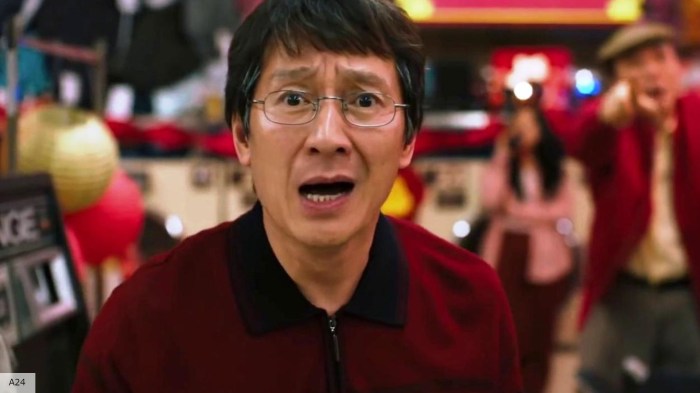
Ke Huy Quan’s candid reflections on his absence from Indiana Jones 3 offer a fascinating glimpse into the complexities of filmmaking. This exploration highlights the actor’s remarkable journey, from early roles to his subsequent career success. The analysis of potential reasons for his exclusion and comparisons with other actors’ experiences add layers of depth to the discussion. Ultimately, the piece serves as a poignant reminder of the intricate factors influencing a film’s production and the lasting impact on actors’ careers.