
Halle bailey explains how the little mermaids story has been updated to be about more than just a boy – Halle Bailey explains how the Little Mermaid’s story has been updated to be about more than just a boy, showcasing a significant shift from the traditional narrative. This reimagining delves into a richer, more complex portrayal of Ariel, exploring themes that resonate deeply with modern audiences. The updated story expands beyond the prince-centric plot, offering a more inclusive and nuanced perspective on the characters and their motivations.
The analysis explores how this updated version reimagines classic elements, from gender roles to relationships, to address contemporary issues and concerns. It highlights the evolution of the story, showcasing the core changes and their impact on the narrative as a whole. The new themes and messages are examined, along with their relevance to modern audiences.
Halle Bailey’s Interpretation
Halle Bailey’s portrayal of Ariel in the live-action “The Little Mermaid” marks a significant shift from traditional depictions of the character. Her performance embodies a nuanced and complex understanding of Ariel, moving beyond the simplistic image of a damsel in distress. Bailey’s interpretation underscores the character’s resilience, her internal conflict, and her yearning for self-discovery. This new perspective allows audiences to connect with a more relatable and multi-dimensional portrayal of a young woman facing significant choices.Bailey’s Ariel transcends the typical “damsel in distress” archetype.
She portrays a character who is actively engaged in her own journey of self-discovery and growth, demonstrating a proactive spirit and a desire for personal freedom. This modern interpretation distinguishes Ariel from traditional portrayals by emphasizing her strength and agency, which empowers the audience to see the character in a more profound light.
Ariel’s Motivation
Ariel’s desire for human experience is not merely a superficial longing for a prince. Bailey’s portrayal emphasizes a deeper motivation, reflecting a desire for self-discovery and the exploration of a different world. Her yearning is not solely about love, but about experiencing life beyond the confines of her current existence. This reinterpretation positions Ariel as a young woman with a thirst for knowledge and a need to define her own identity, not just be defined by others.
Comparison of Traditional and Updated Interpretations
| Feature | Traditional | Updated |
|---|---|---|
| Gender Roles | Ariel is often presented as passive, reliant on a male figure for rescue or validation. | Bailey’s Ariel is proactive, seeking autonomy and self-expression. |
| Motivation | Ariel’s primary motivation is often presented as romantic love for a prince. | Ariel’s motivation is multifaceted, encompassing self-discovery, the desire for new experiences, and a yearning for personal growth. |
| Relationships | Ariel’s relationships are primarily focused on romantic interests. | Ariel’s relationships are diverse and significant, including those with her family and the sea creatures around her, emphasizing a broader network of support and understanding. |
| Character Development | Ariel’s character development is often limited to her transformation from mermaid to human. | Bailey’s Ariel showcases a more profound character arc, exploring her internal conflicts and struggles with personal choices and societal expectations. |
Key Elements in Bailey’s Interpretation
This new interpretation emphasizes several key elements that differentiate it from traditional depictions. Bailey’s Ariel demonstrates a stronger sense of self-determination, highlighting her unique voice and aspirations. This modern portrayal also features a more complex and realistic understanding of her relationships with her family and other sea creatures. Furthermore, the film delves into the emotional complexities of her desire to explore a new world, showcasing the depth and nuance of her character.
The Updated Story’s Focus
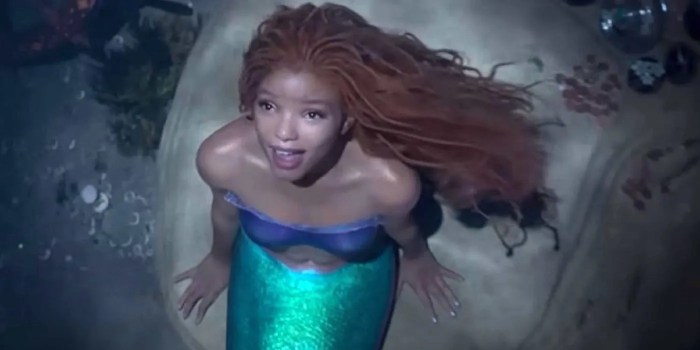
The reimagining of Disney’sThe Little Mermaid* moves beyond the original narrative’s limitations, focusing on themes that resonate more deeply with modern audiences. Halle Bailey’s portrayal of Ariel as a complex and empowered young woman has sparked crucial discussions about representation and self-discovery. This updated interpretation offers a fresh perspective on classic themes, while also incorporating contemporary values.The updatedLittle Mermaid* narrative prioritizes themes of self-discovery, embracing one’s individuality, and the importance of family and community.
It emphasizes the value of friendship and finding your own voice. This modern interpretation acknowledges the struggles of adolescence and the journey toward independence.
Themes and Messages Emphasized
The updated story delves into complex emotions, challenges, and triumphs. It highlights the challenges of navigating societal expectations and the importance of self-acceptance. The film explores the emotional journey of finding one’s true self and embracing one’s individuality, while also emphasizing the significance of community and meaningful relationships. It touches on the complexities of love, loss, and the pursuit of personal happiness.
Significance for Modern Audiences
The updatedLittle Mermaid* story is relevant to modern audiences because it speaks to universal experiences of self-discovery, navigating societal expectations, and the search for identity. It provides a relatable lens through which young viewers can explore their own emotions and aspirations. The film resonates with a contemporary audience through its emphasis on complex characters and relatable conflicts, making it a relevant and impactful story.
Core Changes Differentiating the Updated Narrative
The updatedLittle Mermaid* departs from the original in several significant ways. Instead of solely focusing on a romantic interest, the updated story emphasizes the importance of self-love and empowerment, and the journey toward independence. The narrative emphasizes the importance of family, friendship, and community. This shift reflects a more contemporary understanding of what constitutes a fulfilling life.
Examples Demonstrating the Updated Focus
- Ariel’s quest for self-discovery is paramount. She doesn’t simply seek a prince; she seeks a deeper understanding of herself and her place in the world. This self-discovery is central to her character arc and the film’s overall message.
- The film portrays the complexities of family dynamics. Ariel’s relationship with her father, her sisters, and the sea witch are all depicted with nuance and depth, illustrating the diverse and challenging aspects of familial bonds. This depiction goes beyond a simple “good vs. evil” narrative, reflecting the reality of familial complexities.
- Ariel’s journey includes navigating societal expectations. The story depicts the pressure she faces to conform to societal norms, but her resilience and determination to follow her heart are central to the plot. This addresses the modern experience of balancing personal desires with societal expectations.
Shifting from a Boy-Focused Narrative
The original “The Little Mermaid” tale, while beloved, often centers on a male protagonist and his desires. This focus, while seemingly innocent, can inadvertently overshadow other aspects of the story and potentially limit the narrative’s impact on audiences, particularly in today’s context. The updated version of the story, with Halle Bailey’s Ariel, reimagines this narrative by shifting the focus beyond the prince and exploring other themes and character motivations.The original story largely revolved around the prince’s search for his lost love and Ariel’s sacrifice to be with him.
This male-centric perspective often positioned the female characters, including Ariel, as objects of desire and secondary to the male lead. The updated story rebalances this by emphasizing Ariel’s journey of self-discovery and empowerment, placing her desires and motivations front and center. This shift acknowledges the limitations of the original narrative and aims to offer a more inclusive and nuanced portrayal of the characters and their relationships.
Comparison of Narrative Focus
The updated “Little Mermaid” story moves away from the prince as the central plot driver, focusing instead on Ariel’s internal conflict, her relationship with her family and friends, and her broader community. This shift is evident in several key aspects of the narrative.
Halle Bailey’s recent explanation about the updated Little Mermaid story being more than just a boy-centric narrative is fascinating. It’s refreshing to see a focus on the mermaid’s journey beyond a romantic interest. Speaking of refreshing looks, Rita Ora’s beachwear, rocking a beaded vest (check out this stylish beach look ), is definitely setting the summer fashion tone.
Ultimately, though, the evolution of the Little Mermaid’s story, as highlighted by Halle Bailey, is what truly resonates.
| Aspect | Original | Updated |
|---|---|---|
| Plot Focus | The prince’s quest and Ariel’s desire to be with him. | Ariel’s self-discovery, her journey of acceptance and her community’s struggles. |
| Character Development | The prince’s character is often underdeveloped beyond his romantic interest in Ariel. Other characters are often sidelined. | Ariel’s character is richly developed, showcasing her strengths, weaknesses, and growth throughout her journey. Other characters, like her sisters and the sea creatures, receive more depth. |
| Themes | Love, sacrifice, and the desire for a human life. | Self-discovery, acceptance, environmental issues, and social justice themes are explored in a more comprehensive and nuanced way. |
Motivations Behind the Shift
The shift away from a male-centric narrative in the updated “Little Mermaid” reflects a broader cultural movement towards inclusivity and representation. This change is driven by a recognition that previous versions often limited the story’s potential to explore broader themes and character arcs. By centering Ariel’s story and motivations, the updated version can resonate more deeply with modern audiences.
The updated narrative acknowledges that focusing on only one character’s perspective—in this case, a male one—can lead to a less comprehensive and less impactful narrative. This inclusivity fosters a more comprehensive understanding of the world and its complexities.
Potential Impact on Audiences
The shift in focus from a boy-centric narrative has the potential to significantly impact audiences in several ways. First, it can foster a stronger sense of connection and identification with female characters. This is especially important for young girls, who may find themselves inspired by a protagonist who is empowered and driven by her own desires. Second, the updated narrative can challenge preconceived notions about gender roles and expectations, promoting a more inclusive and balanced perspective.
Third, the updated story can resonate with a wider range of audiences, including those who may not have previously connected with the original narrative. By addressing the limitations of the original story, the updated version can create a more dynamic and engaging experience for viewers.
Expanding Themes and Messages
The updated “Little Mermaid” transcends the original’s somewhat simplistic narrative, delving into richer themes that resonate deeply with modern audiences. This reimagining isn’t just about a change in protagonist; it’s about a broader exploration of identity, self-discovery, and the complexities of societal expectations. The film embraces a more nuanced portrayal of its characters and their motivations, fostering a deeper connection with viewers.The updated narrative acknowledges and addresses the original’s limitations, particularly its gendered portrayal.
This allows for a fresh perspective on the classic story, opening up new avenues for discussion and interpretation. The expanded themes challenge viewers to contemplate the societal pressures and personal struggles of characters, making the film more relatable and thought-provoking.
New Themes and Messages
The updated “Little Mermaid” explores a wider range of themes compared to the original. These themes include:
- Challenging Societal Expectations: Ariel’s journey is not just about love, but about defying societal expectations placed upon women. Her desire for self-expression and independence resonates with modern audiences facing similar pressures. This theme highlights the importance of embracing one’s individuality and breaking free from limiting norms.
- Finding Your Voice: Ariel’s transformation isn’t merely physical; it’s about finding her voice and embracing her authentic self. This message is particularly poignant in today’s world, where many individuals struggle to find their place and express their true selves.
- Family and Relationships: The film portrays the importance of family and healthy relationships, showing how familial support and understanding can be crucial in navigating life’s challenges. This revised focus demonstrates a more balanced and holistic view of human connection.
- Environmental Concerns: The film subtly incorporates environmental themes, reflecting the growing awareness of ecological issues in modern society. The interconnectedness of humans and the natural world is a significant theme that resonates with a contemporary audience concerned about sustainability.
- Identity and Self-Acceptance: Ariel’s journey is about embracing her true identity, regardless of societal expectations. This is a universal theme that speaks to the need for self-acceptance and understanding in a diverse world.
Social and Cultural Influences
Several social and cultural factors influenced the evolution of the “Little Mermaid” story. These include:
- Feminist Movements: The increasing prominence of feminist movements has led to a greater emphasis on female empowerment and challenging traditional gender roles. This has significantly impacted the reinterpretation of classic narratives, including the “Little Mermaid.”
- Growing Awareness of Environmental Issues: The rise of environmental awareness has brought to light the importance of preserving the natural world and the interconnectedness of humans and nature. This has inspired storytelling that integrates ecological themes.
- Increased Cultural Diversity: The growing awareness of cultural diversity has created a demand for stories that represent a wider range of experiences and perspectives. This trend is reflected in the updated narrative’s emphasis on representation and inclusivity.
Updated Themes and Messages List
- Challenging Societal Expectations: Ariel defies norms by pursuing her own desires, not conforming to traditional expectations.
- Finding One’s Voice: Ariel’s journey emphasizes the importance of expressing one’s true self and finding a unique voice.
- Importance of Family and Relationships: The narrative underscores the significance of familial support and understanding in navigating life’s complexities.
- Environmental Awareness: The story incorporates environmental themes, highlighting the importance of ecological balance.
- Identity and Self-Acceptance: Ariel’s journey focuses on embracing her unique identity and accepting herself for who she is.
Modern Relevance and Impact
The updated Little Mermaid, with its reimagined narrative, resonates deeply with modern audiences by tackling contemporary issues and concerns in a fresh and engaging way. It moves beyond a simplistic love story, prompting reflection on themes of self-discovery, societal expectations, and personal agency. This reimagining of a classic tale offers a platform for discussing relevant social issues and potential impacts on future generations, demonstrating a crucial connection to our present.The updated story’s modern relevance lies in its ability to reflect and address contemporary issues facing young people today.
The exploration of complex themes, such as identity, societal pressures, and the pursuit of personal fulfillment, is incredibly relatable for a diverse audience.
Relatability and Exploration of Identity
The updated story’s exploration of identity and self-discovery resonates deeply with young audiences. The struggles of navigating societal expectations, finding one’s voice, and embracing individuality are universal experiences that the film tackles in a powerful way. Characters’ journeys towards self-acceptance and the importance of finding your own path mirror the challenges many young people face today. The film’s portrayal of diverse characters and their unique experiences further emphasizes the value of embracing individuality and celebrating differences.
Addressing Societal Pressures and Expectations
The film deftly addresses societal pressures and expectations placed on young people, particularly regarding gender roles and the pursuit of happiness. The story challenges traditional narratives, encouraging critical thinking about the constraints imposed by societal norms and expectations. This exploration of personal agency and the right to make choices about one’s own life is a powerful message that resonates with contemporary audiences.
Halle Bailey’s insightful take on the updated Little Mermaid story, highlighting its move beyond a simple boy-centric narrative, is really interesting. It’s fascinating how these kinds of stories are evolving, and it makes you think about how other classic tales might be reinterpreted in the future. Speaking of re-interpretations, I also came across this article about Jeff Goldblum’s comments on Sam Neill’s cancer diagnosis here , which touches on a different, but equally powerful, aspect of human experience.
It really underscores the beauty of these stories’ ability to resonate with us on so many levels, and it brings the point back to how stories like the Little Mermaid are changing and becoming more profound.
Potential Impact on Future Generations
The updated Little Mermaid can serve as a powerful catalyst for discussion and introspection for future generations. By exploring complex themes, the film can inspire critical thinking about societal issues, personal responsibility, and the importance of self-discovery. The film’s emphasis on self-acceptance, individuality, and challenging traditional norms has the potential to shape future generations to be more independent, self-aware, and empowered.
Social and Cultural Significance
The updated Little Mermaid holds significant social and cultural significance by providing a platform for discussion about societal norms and expectations, particularly regarding gender roles and societal pressures. By showcasing characters who challenge these norms and explore their own paths, the film fosters a more inclusive and understanding narrative. This narrative resonates with a diverse range of audiences, offering a fresh perspective on a beloved classic.
Relation to Contemporary Social Issues
The updated Little Mermaid directly connects with contemporary social issues such as body image, self-esteem, and the pressure to conform to societal expectations. The film challenges viewers to question these pressures, prompting introspection and discussion. Furthermore, its portrayal of complex relationships and the importance of finding your own path encourages critical thinking and promotes empathy for others’ journeys.
By presenting these themes in a compelling narrative, the film creates a platform for discussing vital social issues in a way that resonates with a modern audience.
Analysis of Character Development: Halle Bailey Explains How The Little Mermaids Story Has Been Updated To Be About More Than Just A Boy

The updated “The Little Mermaid” offers a fascinating lens through which to examine character development, particularly Ariel’s. This reimagining delves deeper into her motivations and internal conflicts, moving beyond the simplistic portrayal of a girl seeking a prince. The story now explores a more nuanced understanding of Ariel’s growth and transformation.The updated portrayal of Ariel departs significantly from the original.
Halle Bailey’s recent comments on the updated Little Mermaid story, highlighting how it’s more than just a boy-focused narrative, are definitely intriguing. It’s interesting to consider how this fresh perspective contrasts with the drama unfolding in the Real Housewives world, where Nene Leakes just dropped some serious shade on the entire franchise with some new comments. This recent controversy reminds us that even in fairytale retellings, there’s always room for evolution and change, just as there are always interesting twists in reality TV.
Ultimately, both highlight how stories are constantly being reshaped for modern audiences.
Instead of a purely romantic quest, the new narrative emphasizes Ariel’s desire for self-discovery and empowerment. Her journey becomes more complex, showcasing her evolving understanding of her own identity and place in the world. This shift allows for a richer exploration of themes surrounding freedom, self-determination, and societal expectations.
Ariel’s Journey in the Updated Story
The updated version of Ariel’s journey transcends the limitations of the original. No longer confined to a simple desire for human experience, she grapples with deeper questions about her identity and purpose. Her quest for acceptance and understanding of her own individuality takes center stage, showcasing her emotional depth and resilience. The updated film highlights Ariel’s evolving understanding of her place in the world and the challenges she faces in forging her own path.
Key Elements Highlighted in Ariel’s Character, Halle bailey explains how the little mermaids story has been updated to be about more than just a boy
The updated “Little Mermaid” emphasizes Ariel’s intellectual curiosity and determination. She is portrayed as a thoughtful and observant individual, actively seeking knowledge and understanding. This intellectual dimension is a key element in her character, allowing for a more complex and nuanced portrayal of her growth. Furthermore, the updated film emphasizes Ariel’s independence and self-reliance. She takes proactive steps to achieve her goals, demonstrating a strength and resilience that resonates with modern audiences.
Ariel’s Relationships in the Updated and Original Versions
Ariel’s relationships with other characters are significantly altered in the updated version. The original often placed her in a passive role, primarily focused on her relationship with Prince Eric. In the updated version, her relationships with her family and other sea creatures are given greater depth. This broadening of relationships allows for a more comprehensive understanding of Ariel’s motivations and the complex web of societal expectations she faces.
The updated film highlights the importance of community and belonging.
Changes in Character Arcs, Motivations, and Relationships
The updated “Little Mermaid” introduces a significant shift in Ariel’s character arc. Instead of a purely romantic pursuit, her journey becomes one of self-discovery and empowerment. Her motivations are now rooted in a desire for independence and a quest to understand her place in the world. Her relationships with other characters, including her family, are given more prominence and depth, enriching the narrative and showcasing the importance of community and acceptance.
The updated film also emphasizes the significance of challenging societal expectations and forging one’s own path.
Impact on Representation and Inclusivity
The updated “The Little Mermaid” story, centered on a Black protagonist, represents a significant shift in how a beloved classic is presented. This change has profound implications for representation and inclusivity, particularly within the realm of children’s media. The story’s updated portrayal moves beyond a narrow, historically limited perspective to embrace diversity and promote understanding of various experiences.This updated portrayal challenges the traditional narrative, acknowledging that representation matters and impacts how young audiences perceive themselves and the world around them.
The story’s success in showcasing a more diverse perspective directly correlates with the positive impact it has on younger audiences. This updated version, unlike previous iterations, has a wider reach in terms of representation, encouraging inclusivity and promoting a more accepting and understanding environment for all.
Significance of the Updated Story
The updated “The Little Mermaid” story is significant because it features a Black protagonist. This change breaks the mold of a predominantly white, Western-centric representation of characters in popular culture. It offers a powerful statement that people of color are worthy of being central figures in beloved stories, and that these stories can be both impactful and inspiring. This shift allows children to see themselves reflected in characters and stories, promoting self-acceptance and fostering a sense of belonging.
Promoting Diverse Perspectives and Experiences
The updated story moves beyond a singular perspective by showcasing a character who is Black and embodies a unique cultural identity. This portrayal broadens the range of experiences children encounter in media, allowing them to recognize and appreciate the richness of diverse cultures and backgrounds. This inclusivity is not just about race; it extends to other facets of identity, like family structure, personality, and aspirations.
The updated story shows that there are multiple ways to be a strong, independent individual.
Impact on Younger Audiences
The positive impact on younger audiences is profound. Seeing characters who look like them, and who embody the qualities of courage, compassion, and resilience, is crucial in building self-esteem and fostering a sense of belonging. This exposure to diverse characters encourages empathy and understanding among children, laying the foundation for a more inclusive and accepting future generation. Children who see themselves reflected in media are more likely to develop a positive self-image and a stronger sense of identity.
This positive self-image translates to greater confidence and a more positive outlook on life.
Positive Impact of Updated Representation
The updated representation positively impacts the story by making it more relatable and meaningful for a wider audience. This wider appeal enhances the story’s impact and encourages a more inclusive understanding of its themes and messages. This inclusivity is not just a social good; it enriches the storytelling itself, offering fresh perspectives and a more nuanced exploration of universal human experiences.
The positive impact of representation can be measured in terms of increased audience engagement, cultural appreciation, and positive societal shifts.
Examples of Inclusivity in the Updated Story
- The character’s cultural background is a key aspect of the narrative. This showcases the importance of cultural identity and encourages children to embrace their own heritage.
- The character’s relationships with other characters reflect a diverse range of interpersonal dynamics, demonstrating that friendships and relationships can flourish across different backgrounds and experiences.
- The story tackles themes of self-discovery and identity, which resonate with a broad range of children and demonstrate the universality of these experiences.
- The character’s journey showcases perseverance and resilience, highlighting the importance of these qualities regardless of background or circumstance.
Last Point
Ultimately, the updated Little Mermaid story offers a fresh perspective on a beloved classic. By expanding beyond a boy-centric narrative, the story now encompasses a broader spectrum of themes and messages, resonating with a wider audience and potentially inspiring future generations. This reimagining demonstrates how classic tales can be adapted to address contemporary issues and promote inclusivity and representation.