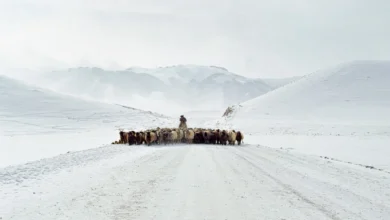
The Essence of Place and the Art Inherent in Nature: Terry McDonald’s Fine Art Photography


Terry McDonald, a distinguished artist, author, and educator, has dedicated his photographic career to capturing the profound essence of place and the inherent artistry of the natural world. His work, characterized by its dynamic landscapes, evocative wildlife portraits, and intimate explorations of awe-inspiring natural, historical, and cultural sites, transcends mere documentation. McDonald approaches fine art photography as a meticulous craft interwoven with artistic vision, aiming to create authentic images that resonate deeply with viewers. His commitment to this philosophy has established him as a significant voice in contemporary landscape and nature photography.
A Lifelong Pursuit of Natural and Cultural Narratives
McDonald’s artistic journey is rooted in a deep appreciation for the world’s diverse environments. He travels extensively, drawing inspiration from the vastness of natural vistas, the subtle beauty of wildlife, and the rich tapestry of human history interwoven with the land. His home base in Guelph, Ontario, serves as a vital anchor, facilitating his passion for outdoor pursuits such as hiking, backcountry canoeing, and Nordic skiing. These activities not only inform his photographic subjects but also provide him with an intimate understanding of the environments he seeks to portray. This firsthand experience allows him to imbue his photographs with a palpable sense of place, reflecting a deep connection with the subjects he captures.
The artist’s dedication to his craft is evident in his consistent output and the recognition his work has garnered. McDonald’s photographs have been featured in prominent photography publications, including Photo Life, Light & Landscape, and Landscape Photographer, alongside Luminous Landscape itself. This consistent presence in respected journals underscores the quality and impact of his visual narratives. Furthermore, the acquisition of his work by private collectors across four continents speaks to the universal appeal and enduring value of his fine art photography. His online presence at luxBorealis.com offers a comprehensive portfolio, allowing a global audience to engage with his distinct artistic perspective.
The Luminous Landscape: A Hub for Photographic Excellence
The article’s availability exclusively to Luminous Landscape members highlights the platform’s role as a curated space for in-depth photographic content. Luminous Landscape is not merely a repository of images; it is a comprehensive membership site boasting over 5,300 articles covering an extensive range of photographic topics. This includes detailed explorations of virtually every camera, lens, and printer imaginable, catering to both seasoned professionals and enthusiastic amateurs.
The membership model is structured to provide exceptional value, with a modest annual fee of $24.00 USD (equivalent to $2.00 per month). This investment grants members access to a rich library of resources, encompassing past and future video tutorials on critical aspects of digital photography such as Lightroom and Capture One software, advanced printing techniques, and efficient file management strategies. Additionally, the membership provides access to a wealth of interviews with prominent photographers and engaging travel videos, further enriching the learning experience and broadening the horizons of its subscribers. This commitment to providing comprehensive educational and inspirational content positions Luminous Landscape as a vital resource for photographers seeking to deepen their knowledge and refine their skills.
Terry McDonald’s Pedagogical Approach and Community Engagement
Beyond his personal artistic endeavors, Terry McDonald actively contributes to the photographic community through his role as an educator and presenter. He is a regular guest speaker at camera clubs, sharing his insights and experiences with aspiring and established photographers alike. This engagement extends to offering a variety of "Field & Screen" workshops, a program that likely combines practical, hands-on field instruction with in-depth screen-based learning, such as post-processing and digital workflow. These workshops are designed to impart not only technical skills but also the philosophical underpinnings of fine art photography, encouraging participants to develop their own authentic voice and vision.
McDonald’s educational outreach is a testament to his belief in fostering a vibrant and knowledgeable photographic community. By sharing his expertise and passion, he empowers others to explore their creative potential and to connect with the natural world through the lens. His ability to balance a prolific artistic career with active teaching and community involvement demonstrates a holistic commitment to the advancement of fine art photography.
The "Essence of Place" and "Art Inherent in Nature": A Philosophical Framework
McDonald’s artistic philosophy is encapsulated in two core tenets: capturing "the essence of place" and revealing "the art inherent in nature." These phrases are not mere stylistic descriptors but represent a profound approach to seeing and interpreting the world.
"The essence of place" suggests a deep dive into the unique character and spirit of a location. It implies going beyond the superficial appearance to uncover the underlying qualities that make a place distinct and memorable. This could involve understanding its geological history, its ecological systems, its cultural significance, or the interplay of light and atmosphere that defines its mood. McDonald’s photographs, therefore, are not just snapshots of a landscape; they are interpretations that convey a sense of belonging, history, and emotional resonance. For instance, a photograph of a mountain range might not only depict its majestic peaks but also evoke the feeling of ruggedness, timelessness, and the raw power of geological forces.
"The art inherent in nature" posits that beauty and artistic principles are not solely human constructs but are intrinsically present in the natural world. This perspective encourages the photographer to act as a discoverer, revealing the pre-existing artistry found in natural forms, patterns, and processes. This could manifest in the intricate symmetry of a snowflake, the vibrant palette of a sunset, the dynamic flow of a river, or the subtle textures of weathered rock. McDonald’s role, in this context, is to perceive these inherent artistic qualities and to translate them into compelling visual language, highlighting the aesthetic sophistication of the natural world. This often involves an intimate focus on details, revealing the often-overlooked beauty in the minutiae of the environment.
Implications for Contemporary Fine Art Photography
Terry McDonald’s approach offers valuable insights into the evolving landscape of fine art photography. In an era often dominated by rapid digital manipulation and a pursuit of fleeting trends, his emphasis on authenticity, craft, and a deep connection to subject matter stands as a counterpoint. His work suggests that true photographic art lies not only in technical proficiency but also in a profound understanding and respect for the world being photographed.
The sustained success of Luminous Landscape, with its robust membership and comprehensive content, further underscores the enduring demand for high-quality, in-depth photographic education and inspiration. The platform’s ability to attract and retain members through its valuable resources indicates a strong community of photographers who are invested in developing their skills and artistic vision. McDonald’s contributions to such a platform reinforce his position as a respected educator and practitioner within this dedicated community.
McDonald’s journey from his home base in Ontario to international recognition exemplifies the power of dedication and a clear artistic vision. His commitment to exploring and interpreting "the essence of place" and "the art inherent in nature" provides a timeless model for photographers seeking to create work that is both aesthetically compelling and deeply meaningful. His continued contributions to the field, through his art, his writing, and his teaching, ensure that his unique perspective will continue to influence and inspire for years to come. The ongoing accessibility of his work and expertise through platforms like Luminous Landscape ensures that his legacy will be shared with future generations of photographers.
Related posts: