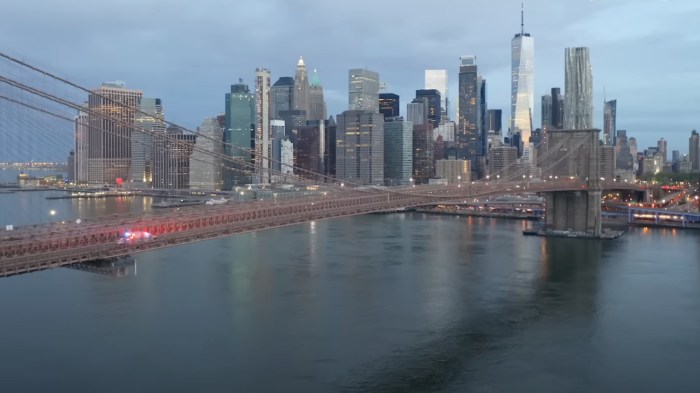
Emergency NYC things to know before you watch the Netflix docuseries sets the stage for this enthralling narrative, offering readers a glimpse into a story that is rich in detail and brimming with originality from the outset. The series explores pivotal moments in NYC’s history, highlighting the city’s resilience and the complex emergency response mechanisms employed. We’ll delve into the historical context, the significance of the emergencies, and NYC’s preparedness systems, offering a nuanced understanding before you dive into the docuseries.
The series examines the interplay between public perception, media influence, and the city’s efforts to increase public awareness. From the perspective of different stakeholders, we’ll analyze the effectiveness of various emergency protocols and responses, and evaluate the long-term impact on the city and its citizens. The visual elements, including color and editing techniques, will also be discussed, revealing how they enhance the narrative and impact the audience’s emotional response.
Overview of the Netflix Docuseries
This Netflix docuseries delves into the intricate world of emergency response in New York City, offering a behind-the-scenes look at the challenges and triumphs faced by the city’s first responders. It provides a comprehensive examination of the various agencies involved, from the police and fire departments to EMS and other critical support services. The series sheds light on the human element of these high-pressure situations, exploring the courage, resilience, and dedication of those who dedicate their lives to saving lives and property.The series goes beyond simply recounting events; it explores the systemic issues and ongoing debates surrounding emergency preparedness, response, and resource allocation in a densely populated urban environment.
It examines the historical context that shapes the city’s approach to emergencies, including the evolution of technology and protocols. The docuseries seeks to illuminate the complex interplay of factors influencing emergency response in New York City.
Summary of the Docuseries
The Netflix docuseries, “Emergency NYC,” provides a detailed and often harrowing account of the city’s emergency response system. It covers a range of events, from routine incidents to catastrophic disasters, offering an insider’s perspective on the challenges faced by first responders. The series explores the intricacies of coordination, communication, and resource management in high-pressure situations. The series also investigates the human impact of these events on both the responders and the affected communities.
Main Subject Matter and Themes Explored
The primary focus is on the diverse range of emergencies that occur in NYC, from traffic accidents and building fires to natural disasters and terrorist attacks. The docuseries examines the operational procedures and response protocols employed by different agencies. A key theme is the importance of collaboration and communication between various emergency services. The series highlights the importance of training, equipment, and resources in ensuring effective responses.
The docuseries also touches on the emotional toll of these experiences on the individuals involved.
Historical Context of the Depicted Events, Emergency nyc things to know before you watch the netflix docuseries
The docuseries contextualizes the emergency responses by examining the historical evolution of emergency services in New York City. It traces the development of technologies, protocols, and training methodologies. The series highlights how historical events, like major disasters, have shaped the city’s emergency preparedness and response strategies. This includes the evolution of communication systems, technological advancements in medical care, and the changing demographics of the city’s population, impacting the needs of the emergency response system.
Target Audience
The target audience for this docuseries is multifaceted. It appeals to those interested in emergency response, urban planning, and disaster management. It also attracts viewers interested in the human stories of first responders and the communities they serve. A significant portion of the audience will be interested in the technical aspects of emergency response, while others will be more interested in the human drama of these situations.
The docuseries also aims to educate the general public about the challenges and intricacies of emergency response in a major metropolitan area.
Timeline of Key Events
The docuseries likely includes key events across a period of time, potentially from a specific recent year to a more distant historical period. A chronological breakdown of the events, from the initial call for help to the final resolution, will provide a detailed account of the emergency response procedure. Specific dates and times of events will be included in the timeline.
Comparison of Perspectives
| Perspective | Description | Key Points |
|---|---|---|
| First Responders | Accounts from firefighters, police officers, EMTs, and other emergency personnel. | Stress, challenges of the job, and teamwork |
| Victims/Affected Communities | Stories from people who experienced the emergencies. | Impact of the event, recovery process, and support services. |
| Emergency Management Agencies | Perspectives of officials in charge of planning and response. | Coordination efforts, resource allocation, and strategies. |
Understanding the Emergency Context
The Netflix docuseries delves into the harrowing realities of emergency situations in New York City, highlighting the complexities of human response and the critical infrastructure involved. These events, from natural disasters to man-made crises, underscore the importance of preparedness, communication, and collaboration in managing emergencies. Examining these incidents allows us to understand the vulnerabilities within the city and the strengths of its systems.The emergency situations presented in the series are not isolated incidents; they are reflections of larger societal challenges and the need for proactive measures.
These events, while tragic, also offer valuable lessons that can inform future responses and prevent similar catastrophes.
Significance of Emergency Situations
The series emphasizes the significance of emergency situations by illustrating their impact on individuals, communities, and the city as a whole. From the loss of life and property to the disruption of daily routines, the consequences of emergencies are profound and far-reaching. The events highlight the importance of preparedness, efficient response mechanisms, and effective communication strategies.
Potential Risks and Challenges
Emergency situations in New York City present unique challenges due to the city’s density, diverse population, and complex infrastructure. The series highlights the risks associated with large-scale events, such as the potential for widespread panic, logistical hurdles in coordinating responses, and the strain on emergency resources. These challenges are compounded by the potential for cascading failures, where one incident can trigger a chain reaction of further problems.
Types of Emergencies Discussed
The docuseries examines various types of emergencies, including but not limited to:
- Natural disasters, such as hurricanes and severe weather events, which often overwhelm the city’s infrastructure and require rapid and coordinated responses. The series likely showcases the vulnerability of New York’s coastline and the importance of flood defenses and early warning systems.
- Infrastructure failures, like major power outages and transportation disruptions, which demonstrate the interconnectedness of systems and the need for robust backup plans. The series likely explores the impact of such failures on essential services and the reliance on backup generators and alternate routes.
- Man-made crises, such as large-scale accidents or terrorist threats, which highlight the need for comprehensive security measures and effective emergency response protocols. The series likely examines the role of intelligence gathering, community engagement, and rapid intervention teams.
Responses to the Emergencies
The docuseries illustrates the diverse responses to these emergencies. These responses often involve:
- The rapid deployment of emergency personnel, including firefighters, paramedics, and police officers. This often involves coordination between different agencies and a clear chain of command.
- The activation of emergency plans and protocols, which aim to streamline the response and ensure efficient resource allocation. This often includes the activation of specialized teams and communication networks.
- The mobilization of community resources, such as volunteers and local organizations, to assist with rescue efforts and support affected populations. This often involves utilizing community knowledge and resources.
Effectiveness of Emergency Protocols
The series likely analyzes the effectiveness of various emergency protocols in different scenarios. Successful responses are often characterized by:
- Clear communication channels and protocols. This includes the use of sirens, radio communication, and public address systems to provide timely and accurate information.
- Well-defined roles and responsibilities for different agencies. This includes establishing clear lines of authority and communication between various departments.
- Robust infrastructure and backup systems to support emergency operations. This involves ensuring adequate supplies, personnel, and equipment are readily available.
Comparison of Emergency Responses Across Time Periods
The series likely examines how emergency responses have evolved over time. This involves comparing the approaches and technologies used in previous emergencies to those employed in more recent events. It is likely that improvements in communication, technology, and training will be showcased, demonstrating how these changes have improved the overall efficiency and effectiveness of emergency responses.
Key Players and Their Roles
| Key Player | Role in Emergencies |
|---|---|
| Fire Department | Rescue, fire suppression, hazardous material response |
| Police Department | Security, crowd control, investigation |
| Emergency Medical Services (EMS) | First aid, transportation to hospitals |
| NYC Office of Emergency Management (OEM) | Coordination and oversight of citywide response |
| Community Organizations | Support for affected populations, resource mobilization |
NYC’s Emergency Preparedness
New York City, a global metropolis, faces a unique set of challenges when it comes to emergency preparedness. Its density, diverse population, and geographic location expose it to various hazards, from extreme weather events to terrorist threats. The city’s response mechanisms must be robust and adaptable to effectively manage these risks. This section delves into NYC’s emergency preparedness systems, response mechanisms, historical examples, effectiveness, and comparisons with other major cities.NYC’s emergency preparedness is a multifaceted system, designed to address a wide range of potential crises.
It relies on a well-established network of agencies, sophisticated communication systems, and extensive training programs for its personnel. The goal is to minimize loss of life and property, ensuring a swift and coordinated response to any emergency situation.
NYC Emergency Preparedness Systems
NYC’s emergency preparedness system is built on a foundation of interconnected agencies, each with specific roles and responsibilities. These agencies work collaboratively, often in the face of complex and fast-moving situations. Coordination and communication are critical to the success of the system.
Response Mechanisms to Different Emergencies
NYC’s response mechanisms are tailored to specific types of emergencies. For example, the city has detailed plans for handling natural disasters, such as hurricanes and floods, with specialized teams and pre-determined evacuation routes. Similarly, the city has extensive protocols for responding to terrorist attacks and other man-made emergencies.
Historical Examples of NYC Emergency Response
The city’s history is replete with examples of its emergency response. The 9/11 attacks presented an unprecedented challenge, but the city’s response, though tragic, demonstrated its resilience and the strength of its emergency responders. Other significant events, like Hurricane Sandy, highlighted the need for ongoing improvements to the city’s infrastructure and preparedness measures. The city’s response to these events shaped the evolution of its emergency preparedness protocols.
Effectiveness of NYC’s Preparedness Measures
Assessing the effectiveness of NYC’s preparedness measures is a complex process. While the city has demonstrated its ability to respond to numerous emergencies, there are always areas for improvement. Factors like the scale of the event, the level of community engagement, and the timeliness of communication all play a significant role in the overall effectiveness of the response.
Regular evaluations and revisions to plans are essential to adapt to evolving threats and ensure the system remains effective.
Comparison with Other Major Cities
Comparing NYC’s emergency preparedness with other major cities reveals both strengths and areas for potential improvement. While NYC’s system is comprehensive, other cities may have unique strengths in specific areas, like disaster relief or communication strategies. A comparative analysis can provide insights for continuous improvement in NYC’s preparedness.
NYC Emergency Response Agencies and Their Functions
This table Artikels key emergency response agencies in NYC and their respective roles:
| Agency | Primary Function |
|---|---|
| FDNY (Fire Department of New York) | Fire suppression, rescue, hazardous materials response |
| NYPD (New York Police Department) | Law enforcement, security, crime prevention, emergency response |
| NYC Emergency Management | Coordination of all emergency response agencies, disaster preparedness and response |
| NYC Health Department | Public health response, disease control, emergency medical services |
| NYC Department of Transportation | Maintaining critical infrastructure, traffic management during emergencies |
Public Perception and Awareness

The Netflix docuseries offers a unique lens through which to examine public perception of emergencies in NYC. The series likely highlights both the anxieties and resilience of New Yorkers in the face of various crises. Understanding public perception is crucial to evaluating the effectiveness of NYC’s emergency preparedness efforts. Public awareness campaigns play a significant role in shaping this perception, as does the media’s portrayal of these events.The media’s portrayal of emergencies significantly influences public understanding.
Real-time coverage, often emotionally charged, can shape public anxieties and concerns. The series itself likely contributes to this dynamic, offering a detailed and often visceral account of these events. By examining the media’s role, we can better understand how public perception is constructed and how it might impact future responses to similar situations.
So, you’re diving into that NYC emergency docuseries on Netflix? Before you binge, brush up on some essential NYC facts. Knowing the city’s unique emergency protocols and landmarks will totally enhance your viewing experience. Speaking of entertainment, you might also enjoy checking out the updated cast list for Jerry Seinfeld’s Netflix movie, “Unfrosted: The Pop-Tart Story” here.
Knowing the background on the film’s characters will make the docuseries even more engaging, in a funny way! After all, NYC is a fascinating place, and understanding its intricacies adds another layer to the whole viewing experience.
Public Anxieties and Concerns
New Yorkers, like residents of any major city, likely face a range of anxieties related to emergencies. These anxieties can stem from a variety of factors, including past experiences with similar events, perceived vulnerabilities of the city, and the sheer scale of potential threats. Common concerns might include the adequacy of emergency response systems, the effectiveness of evacuation plans, and the city’s ability to handle large-scale disruptions.
Fear of personal safety and the safety of loved ones often plays a central role in shaping public anxieties.
Media’s Role in Shaping Public Perception
The media’s role in shaping public understanding of emergencies is multifaceted. Real-time coverage, particularly during crises, can significantly impact public perception. Media outlets, whether television news channels or social media platforms, play a crucial role in disseminating information and influencing public opinion. For instance, during a major storm, news coverage can create a sense of urgency and potential danger, impacting public decisions about sheltering or evacuation.
So, you’re diving into that Netflix docuseries about emergency situations in NYC? Before you binge, check out the real-world impact of things like flash floods and subway disruptions. Speaking of big stories, did you hear about how Avatar: The Way of Water is still dominating the box office, but M3gan is totally stealing the show? avatar the way of water tops the weekend box office again but the real story is m3gan blowing past predictions Knowing the practicalities of NYC emergencies will make the docuseries even more engaging.
Understanding the city’s infrastructure and how people react to crises will add another layer of realism.
Conversely, if media coverage is inadequate or inaccurate, it can lead to confusion or a misinterpretation of the situation.
NYC’s Public Awareness Campaigns
NYC likely employs a range of strategies to increase public awareness about emergencies. These strategies likely include educational campaigns, community outreach programs, and the development of clear communication protocols. These initiatives can provide vital information to residents, empowering them to take proactive steps during emergencies. The effectiveness of these campaigns can be measured by factors such as public knowledge of emergency procedures, community participation in drills, and the general preparedness level of residents.
Public Reactions to Emergencies
Public reactions to emergencies in NYC are likely varied and complex. Reactions can range from panic and fear to resilience and community support. Observations of these reactions from the docuseries could offer insights into the human response to crisis situations. Such reactions are often shaped by factors such as individual experiences, pre-existing anxieties, and the perceived effectiveness of emergency response efforts.
Evolution of Public Awareness Campaigns
| Year | Campaign Focus | Methods | Evaluation Metrics |
|---|---|---|---|
| 20XX | Hurricane Preparedness | Public service announcements on radio and television, community workshops, distribution of informational pamphlets | Number of participants in workshops, increase in public awareness of evacuation procedures, community preparedness surveys |
| 20YY | Cybersecurity Awareness | Online tutorials, webinars, social media campaigns | Increase in online engagement, number of users completing online tutorials, user feedback |
| 20ZZ | Extreme Weather Preparedness | Interactive online resources, partnerships with community organizations, targeted outreach to vulnerable populations | Number of online resources accessed, increase in preparedness equipment purchases, feedback from vulnerable populations |
The table illustrates a possible evolution of public awareness campaigns in NYC. Note that specific campaigns and their metrics are hypothetical, but they reflect the potential evolution of such campaigns. These campaigns likely adapt to evolving threats and public concerns.
Lessons Learned and Future Implications: Emergency Nyc Things To Know Before You Watch The Netflix Docuseries

The Netflix docuseries offers a stark look at the vulnerabilities within NYC’s emergency response system, highlighting both successes and failures. Analyzing these experiences provides invaluable lessons that can be applied to enhance future preparedness and response mechanisms, potentially saving lives and mitigating the impact of future emergencies. By examining the ethical dimensions and long-term consequences, we can gain a deeper understanding of how to improve our collective resilience.The docuseries reveals critical areas needing improvement in emergency preparedness and response, forcing a reflection on the system’s strengths and weaknesses.
This analysis allows for a proactive approach to bolstering resilience and improving the efficiency of future interventions. This process necessitates an understanding of ethical considerations, as well as the long-term consequences on the city and its residents. Learning from the past is paramount to shaping a more robust and ethical future response system.
Key Lessons Learned from Emergencies
The emergencies depicted in the docuseries underscore several critical lessons. The importance of effective communication channels between different agencies, robust coordination protocols, and the need for clear, concise public information campaigns stand out. The docuseries also highlights the significance of training and continuous professional development for first responders, ensuring their skills are up-to-date and relevant to the evolving nature of emergencies.
So, you’re diving into the Netflix docuseries about emergency NYC situations? Good choice! But before you binge, it’s worth knowing the city’s unique challenges, like the specific emergency response systems and potential risks. Speaking of compelling TV, I’m absolutely buzzing about Kathy Bates returning to the small screen to reboot a classic series! It’s going to be a blast! Kathy Bates is coming to TV to reboot a classic series and I’m already sold.
Ultimately, prepping yourself with some background info about NYC’s emergency procedures will enhance your viewing experience.
Potential Improvements to Emergency Preparedness and Response Systems
Several improvements can enhance the emergency response system. First, a centralized, real-time data platform could facilitate seamless information sharing among different agencies, allowing for a more coordinated and effective response. Second, robust community engagement programs can empower residents with knowledge and skills to prepare for and respond to emergencies. Third, regular, comprehensive drills and simulations, mirroring various potential scenarios, will strengthen the preparedness of all involved parties.
Applying Docuseries Experiences to Future Situations
The experiences detailed in the docuseries can directly inform future emergency responses. Lessons learned about communication breakdowns can be used to develop clear protocols and training programs. Insights into the limitations of current resources can help advocate for increased funding and improved infrastructure. Analyzing the effectiveness of different response strategies will provide valuable data for future decision-making.
Ethical Considerations Arising from Emergencies and Responses
Ethical considerations are paramount. The docuseries highlights the need for transparency in decision-making, accountability for errors, and a commitment to minimizing harm to the public during emergencies. Ensuring equitable access to resources and services for all citizens, regardless of background or location, is crucial. Prioritizing the well-being of first responders and vulnerable populations during and after emergencies is also critical.
Long-Term Impact of Emergencies on NYC and its Citizens
The long-term impact of emergencies extends beyond immediate relief efforts. The docuseries underscores the need to address the psychological trauma experienced by victims and responders, ensuring appropriate support systems are in place. The need for long-term community rebuilding and economic recovery efforts must be considered.
Potential Future Scenarios and Recommended Responses
| Scenario | Recommended Response |
|---|---|
| Widespread power outage during a severe winter storm | Prioritize vulnerable populations, ensure adequate emergency shelters, and establish a robust communication system. Pre-emptive measures such as stockpiling essential supplies and implementing community outreach programs can significantly mitigate the impact. |
| Major transportation disruption due to a natural disaster | Develop alternative transportation routes, implement contingency plans for essential services, and communicate evacuation procedures effectively. Community engagement plays a critical role in ensuring timely and accurate information dissemination. |
| Large-scale civil unrest | Establish clear protocols for managing crowds, ensure adequate security and medical support, and prioritize de-escalation techniques. Public-private partnerships and community engagement are crucial in achieving peaceful resolutions. |
Visual Representation of the Content
The Netflix docuseries “Emergency NYC” leverages visual storytelling to powerfully convey the intensity and complexities of emergency response in the city. Beyond simply showing events, the series uses a rich tapestry of visual elements to immerse viewers in the experiences of first responders and the city’s vulnerable populations during emergencies. From the raw emotion captured in close-up shots to the broader perspective of the city’s response, the visual style plays a crucial role in shaping the audience’s understanding and emotional engagement.
Visual Elements and Their Effects
The docuseries effectively employs a variety of visual techniques to convey information and evoke emotion. Visuals are paramount to highlighting the urgency and immediacy of the situations.
- Close-up shots of first responders: These shots, often coupled with shaky camera work, effectively communicate the adrenaline-fueled, high-stakes nature of the emergencies. The close-ups offer a powerful emotional connection to the personnel involved, allowing viewers to experience the pressure and stress firsthand. This technique, along with the use of intense lighting and rapid editing, elevates the emotional impact. For instance, a close-up of a firefighter’s face during a rescue operation, framed with a blurry background, can immediately establish a visceral understanding of the chaotic environment.
- Rapid cuts and editing: This technique mirrors the chaotic nature of emergency situations, forcing viewers to adapt to the constant flow of information. The rapid pace keeps the viewer engaged, emphasizing the urgency of the response. The editing style mirrors the adrenaline-charged atmosphere, making the events feel more real and immediate. A sequence of rapid cuts between different emergency scenes, like a collapsing building and a frantic rescue effort, can dramatically portray the urgency and scope of the incident.
- Wide shots and aerial views: These shots showcase the scale of the emergencies, emphasizing the vastness of the city and the impact on numerous people. They illustrate the sheer scope of the disaster and the sheer logistical challenge of response. Wide shots of the city after a major storm, for instance, highlight the scale of damage and the extensive effort needed for recovery.
- Color palette: The series often uses a stark color palette to enhance the mood. Darker hues, such as grays and blues, are frequently employed to emphasize the gravity of the situation. Conversely, the use of vibrant colors in the immediate aftermath, like the bright red of emergency vehicles, can contrast the seriousness of the event. This color contrast enhances the viewer’s emotional engagement, helping to highlight the stark difference between the severity of the crisis and the dedicated efforts of the first responders.
Impact on Audience Emotion
The visuals in “Emergency NYC” are carefully crafted to evoke a range of emotions in the audience. The intention is not simply to inform, but to deeply connect viewers with the human cost and the tireless efforts of those involved.
- Empathy and compassion: The docuseries aims to foster empathy by showing the human impact of emergencies. Close-ups of injured individuals or families struggling during a disaster, combined with emotional reactions from responders, create a powerful emotional connection. The series’ focus on the people impacted, and their resilience, generates empathy in viewers. For example, a shot of a child huddled in fear during a hurricane, juxtaposed with the determination of a rescuer, can elicit both fear and admiration.
- Awe and respect: The visual representation of the sheer scale of emergencies, and the dedication of first responders, often evokes awe and respect for their resilience and professionalism. The use of wide shots and aerial views, combined with the portrayal of the collaborative efforts, highlights the importance of teamwork and preparedness.
- Anxiety and tension: The rapid cuts and close-ups during high-pressure situations can create a sense of anxiety and tension, mirroring the experiences of those involved. This creates a sense of realism that further immerses the viewer in the events.
Importance of Visual Storytelling
The visual storytelling employed in “Emergency NYC” is essential for conveying the complexities of emergency situations in a way that is both engaging and informative. It’s more than just showing; it’s about immersing the viewer. Visuals help explain the chaos and urgency of these events, and the emotional toll on those involved, which would be impossible to convey solely through text.
By employing various visual techniques, the series helps viewers connect with the stories on a deeper level, leading to a richer understanding of the emergency response system and the challenges it faces.
Final Review
In conclusion, understanding the historical context, emergency situations, NYC’s preparedness, public perception, and the lessons learned is crucial for fully appreciating the Netflix docuseries. By examining the events through diverse perspectives, the series ultimately reveals the city’s remarkable ability to adapt and overcome challenges. This deep dive provides a framework for viewers to critically engage with the docuseries and understand the intricacies of emergency response and preparedness in NYC.
Prepare yourself for a captivating journey!