
Scrubs Creator Has Good News For Fans Hoping To See Zach Braff And Other Stars For Reunion Project
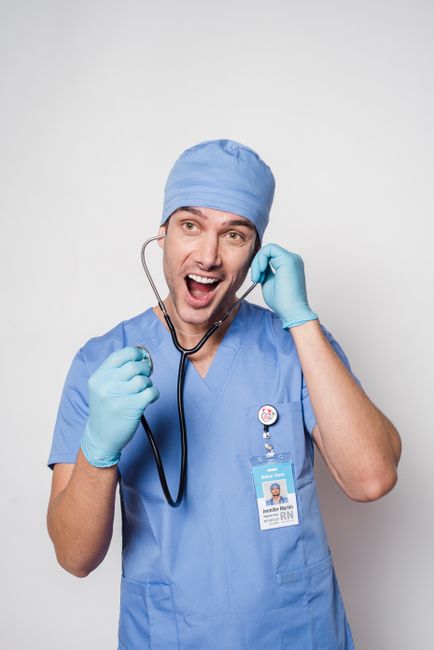
Scrubs Creator Bill Lawrence Hints at Reunion Project: Fans Reignite Hopes for Zach Braff and Beloved Cast
The enduring affection for the medical comedy Scrubs, which aired from 2001 to 2010, continues to fuel fervent hopes among its dedicated fanbase for a reunion project. These aspirations have been significantly amplified by recent comments from the show’s creator, Bill Lawrence, who has hinted at the possibility of bringing the beloved characters back to the screen. Lawrence, a prolific television producer known for his work on shows like Scrubs, Cougar Town, and Ted Lasso, has consistently engaged with fans about the show’s legacy and the potential for a revival. While concrete details remain scarce, his latest remarks have injected a fresh wave of optimism, particularly for those eager to see Zach Braff, Sarah Chalke, Donald Faison, John C. McGinley, and the rest of the iconic ensemble back in action at Sacred Heart Hospital. This article delves into the history of Scrubs, the reasons behind its lasting appeal, the previous reunion efforts, and the implications of Bill Lawrence’s recent hints, exploring what a potential Scrubs reunion might entail and its significance for both the cast and the audience.
Scrubs distinguished itself from other medical dramas and sitcoms through its unique blend of surreal humor, poignant character development, and an unflinching look at the challenges and triumphs of hospital life. Created by Lawrence, the show centered on the personal and professional lives of the staff at the fictional Sacred Heart Hospital, primarily focusing on J.D. Dorian (Zach Braff), a likable but often insecure intern who navigates his early career with the help of his best friend, Turk (Donald Faison), and his mentor, Dr. Cox (John C. McGinley). The series was lauded for its distinctive narrative voice, with J.D.’s internal monologues and fantasy sequences offering viewers an intimate glimpse into his thought process. This innovative storytelling technique, combined with sharp wit and genuinely emotional storylines, created a deeply resonant viewing experience. The show tackled serious themes such as death, illness, and ethical dilemmas with a sensitivity that was often juxtaposed with its more outlandish comedic elements, a balance that proved remarkably effective. The chemistry between the cast was palpable, with each actor bringing a unique energy to their role, fostering a genuine sense of family that extended beyond the screen.
The appeal of Scrubs is multifaceted and deeply rooted in its ability to connect with viewers on multiple levels. Firstly, the show’s humor, while often absurd and exaggerated, stemmed from relatable human experiences and insecurities. J.D.’s constant daydreaming and his awkward interactions with colleagues and patients mirrored the anxieties many viewers experience in their own lives. Secondly, Scrubs was not afraid to delve into darker, more emotional territory. The show presented the harsh realities of medicine, the emotional toll it takes on healthcare professionals, and the profound impact of patient care. Episodes dealing with loss, difficult diagnoses, and moral quandaries were often delivered with a raw authenticity that resonated deeply. The show’s ability to seamlessly transition from laugh-out-loud comedy to tear-jerking drama was a hallmark of its success and a primary reason for its enduring popularity. The characters, despite their eccentricities, felt incredibly human and flawed, making them easy to root for. Fans developed strong emotional attachments to J.D.’s journey of self-discovery, Turk and Carla’s evolving relationship, Elliot’s struggle for professional validation, and Dr. Cox’s gruff but ultimately caring mentorship. The show’s legacy is further cemented by its exploration of diverse themes, including race, gender, and sexuality, handled with nuance and humor, further broadening its appeal.
Over the years, the possibility of a Scrubs reunion has been a recurring topic of discussion among fans and the cast. Zach Braff, in particular, has been an active participant in these discussions, often expressing his fondness for the show and his castmates. He, along with Donald Faison, has participated in numerous fan conventions and interviews where the idea of a reunion has been enthusiastically explored. While a full-fledged revival series has never materialized, there have been some notable efforts to bring the cast back together. The most significant of these was the one-hour special, "Scrubs: Med School," which aired as part of the ABC sitcom Scrubs: Interns in 2009, a spin-off that ultimately did not get picked up. More recently, Braff and Faison reunited for a podcast titled "Fake Doctors, Real Friends with Zach and Donald," where they rewatch and discuss Scrubs episodes. This podcast has not only reignited interest in the show but has also served as a platform for the cast to reconnect and reminisce, keeping the spirit of Scrubs alive. The immense popularity of this podcast demonstrates the continued appetite for the duo’s chemistry and their shared experiences on the show.
Bill Lawrence’s recent comments have provided the most significant spark of hope yet for a reunion project. While he has been notoriously tight-lipped about specific plans, his guarded optimism suggests that something may be in the works. In various interviews and social media interactions, Lawrence has acknowledged the overwhelming fan desire for a Scrubs reunion and has alluded to conversations with the cast and network executives. He has often emphasized that any reunion would need to be the "right" kind of project, one that honors the legacy of the original show and offers a satisfying continuation of the characters’ stories. This cautious approach is understandable, given the high stakes involved in reviving a beloved series. The challenge lies in finding a narrative that feels fresh and relevant while staying true to the core essence of Scrubs. Lawrence’s past success with revivals, notably Ted Lasso, which shares some thematic and tonal similarities with Scrubs in its blend of humor and heart, further bolsters confidence in his ability to deliver a quality project. His dedication to finding the perfect creative path forward, rather than rushing a project for the sake of it, is a positive sign for fans.
The nature of a potential Scrubs reunion project is a subject of much speculation. Given the age of the characters and the narrative arcs established in the original series, a direct continuation of their careers at Sacred Heart might present challenges. Many characters, including J.D., Turk, and Carla, had moved on to new roles and life stages by the end of the series. Therefore, a revival could take several forms. A feature film is a strong possibility, allowing for a contained story that revisits the characters in a significant way. This could involve a milestone event, such as a reunion at Sacred Heart for a special occasion, or a look at how their lives have unfolded years later. Another option is a limited series, which would provide more breathing room for character development and plot progression than a film, while still avoiding the commitment of a full season order. This format would allow Lawrence and the writers to explore the characters’ current lives and challenges in a more nuanced manner. The podcast hosted by Braff and Faison could even serve as a blueprint, with the series picking up on the themes and discussions they’ve been having, bringing their retrospective insights into a new narrative.
The involvement of key cast members, particularly Zach Braff and Donald Faison, is crucial for the success of any Scrubs reunion. Their chemistry is arguably the heart of the show, and their continued engagement through the podcast demonstrates their willingness to revisit their characters. Sarah Chalke, who played Elliot Reid, has also expressed enthusiasm for a reunion. John C. McGinley’s portrayal of Dr. Cox was iconic, and his return would be essential. Other beloved characters, such as Carla Espinosa (Judy Reyes), Dr. Kelso (Ken Jenkins), and Ted Buckland (Sam Lloyd), would also be vital to capturing the full Scrubs experience. The challenge will be to find a story that justifies the return of all these characters in a meaningful way, avoiding a mere cameo-laden fan service exercise. Lawrence’s history of fostering strong ensemble casts suggests he would prioritize the integrity of the characters and their relationships. The success of Ted Lasso, which relies heavily on its ensemble, demonstrates Lawrence’s skill in making every character feel integral to the story.
The implications of a Scrubs reunion project extend far beyond mere nostalgia. For the cast, it represents an opportunity to revisit characters they deeply loved and to reconnect with a significant chapter of their careers. For Bill Lawrence, it is a chance to give fans a proper send-off to a show that has garnered a cult following and continues to attract new viewers. For the audience, a reunion would be a chance to return to a world that provided comfort, laughter, and emotional resonance. It offers a rare opportunity to see beloved characters navigate new challenges and to experience the unique blend of humor and heart that defined Scrubs. In an era where reboots and revivals are commonplace, a Scrubs reunion, if executed thoughtfully and with the genuine passion of its creator and cast, has the potential to be a truly special event, reminding audiences why they fell in love with the show in the first place and reaffirming its status as a classic of the genre. The anticipation surrounding Bill Lawrence’s hints underscores the deep emotional connection many viewers have with Scrubs and its characters, a connection that a well-crafted reunion could undoubtedly satisfy. The potential for this project to generate significant buzz and reintroduce the show to a new generation of viewers is also substantial, ensuring its legacy continues to flourish.
