Buffer vs Later A Comprehensive Analysis of Leading Social Media Management Platforms

In the contemporary digital landscape, the efficacy of a brand’s online presence is inextricably linked to the sophistication of its management infrastructure. As social media platforms evolve from simple communication channels into complex ecosystems for commerce, community building, and content distribution, the demand for robust management tools has surged. Among the market leaders, Buffer and Later stand out as two distinct solutions, each catering to different operational philosophies. While Buffer has historically prioritized a streamlined, channel-agnostic approach to cross-platform publishing, Later has cemented its reputation as a visual-first scheduling powerhouse, particularly optimized for Instagram and TikTok.
The choice between these two platforms represents a strategic decision for businesses, creators, and agencies. A comparative examination of their architectural design, pricing models, and feature sets reveals that while both aim to simplify the complexities of digital marketing, they serve fundamentally different organizational needs.
Evolution and Market Positioning
Buffer, founded in 2010, originated as a simple tool designed to solve the problem of fragmented posting schedules. Over the past 14 years, it has scaled its operations to support a wide array of networks, maintaining a reputation for simplicity and accessibility. Its evolution has focused on providing a clean user interface that reduces the friction associated with managing multiple social identities.
Later, originally launched as "Latergramme" in 2014, began as a specific solution for the then-burgeoning Instagram platform. Its focus was rooted in the visual requirements of the network, introducing the concept of a visual content calendar that allowed users to curate their aesthetic grid before publishing. This visual-first DNA remains the cornerstone of its product offering, distinguishing it from more text-centric or utility-focused management tools.
Architectural Differences in Pricing and Scaling
A critical point of divergence lies in how these companies approach their business models. Buffer operates on a granular, channel-based pricing structure. This model allows users to pay for exactly what they utilize, making it a highly cost-effective solution for solopreneurs or small teams that do not require an expansive suite of features for every connected profile.
Conversely, Later utilizes a "social set" structure. A social set typically encompasses one account per supported platform. While this provides a cohesive way to manage a brand’s presence across different networks, it lacks the flexibility for users who may have a heavy presence on one platform (such as needing three distinct LinkedIn pages) but no presence on others. For larger organizations, Later’s pricing can escalate rapidly if they require multiple social sets or additional user seats, whereas Buffer’s Team plan offers a flat-rate structure that provides unlimited user access, prioritizing scalability for growing teams.
Feature Comparison and Technical Capabilities
The technical requirements for modern social media management extend well beyond simple scheduling. Both platforms offer AI-assisted content generation, yet their implementation differs significantly. Buffer integrates its AI Assistant across all plans, including its free tier, with no stated limits. This reflects a commitment to democratizing access to generative tools. Later, however, employs a credit-based system tied to its paid subscription tiers. This approach limits the frequency of AI usage, positioning the feature as a premium service for higher-volume users.
Engagement and Community Management
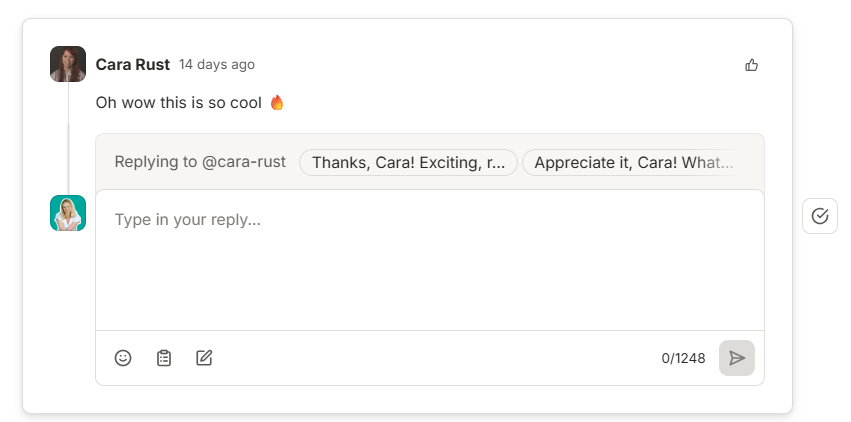
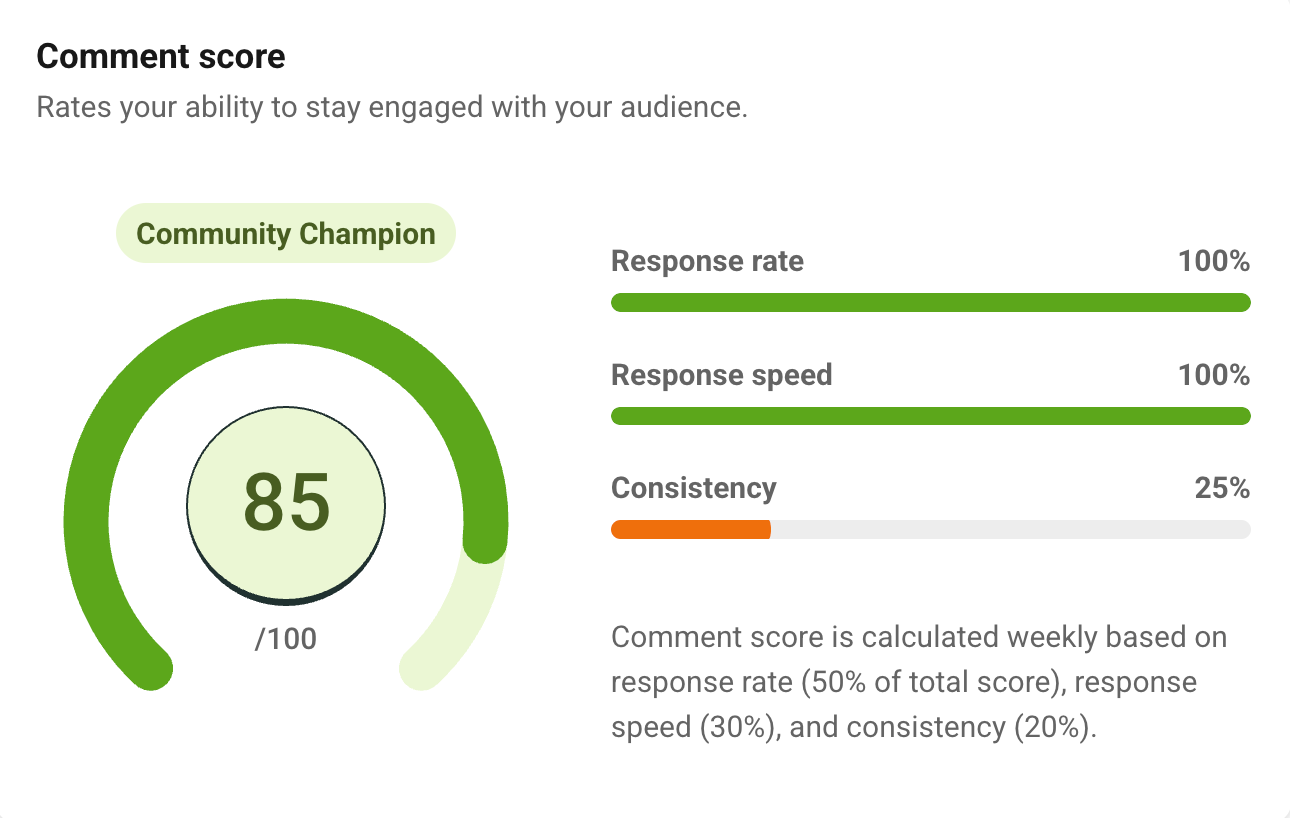
In the realm of audience interaction, the platforms exhibit varying degrees of depth. Buffer’s "Community" feature is built to facilitate rapid engagement, allowing users to reply to comments and mentions across nearly all supported channels from a unified inbox. Its inclusion of a "comment score" provides an objective metric for team performance, allowing managers to track responsiveness and consistency—a vital KPI for customer support and community health.
Later’s social inbox is robust but more restrictive in its availability, often limited to team-level plans. It excels in its ability to manage comments and direct messages specifically for visual platforms, including Instagram, Facebook, and TikTok. Furthermore, Later offers a social listening add-on, which allows brands to monitor brand sentiment and competitive benchmarking. While this is a powerful tool for market research, it is an additional, variable-cost service, distinguishing it from the all-in-one approach often favored by Buffer.
Visual Planning vs. Analytical Depth
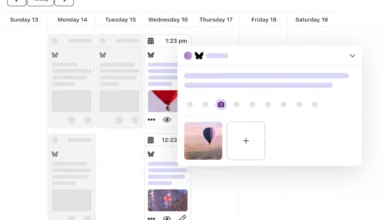
Later’s visual planner remains its most significant competitive advantage. For users whose primary objective is maintaining a curated aesthetic, the ability to drag and drop content into a grid preview is unparalleled. It turns the planning process into a design task rather than a logistical one.
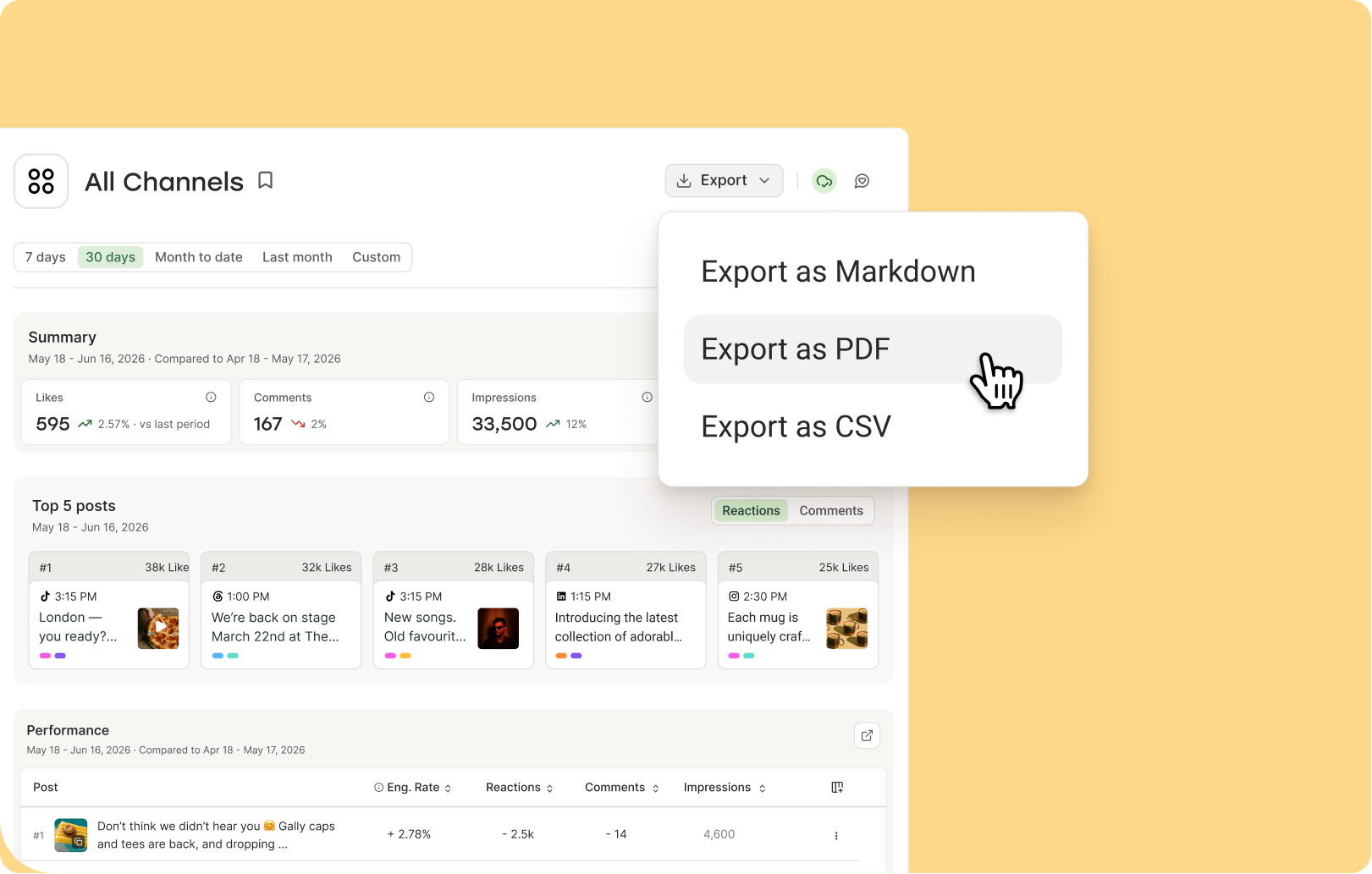
Buffer, while offering grid previews for Instagram, lacks the same level of drag-and-drop interactivity. However, it compensates with superior analytical reporting. Buffer’s "Insights" feature is available across all tiers, providing a unified view of performance data. Its "Takeaways" feature, which utilizes AI to interpret complex data into actionable business intelligence, addresses a common pain point for marketers: the ability to turn raw metrics into strategic decisions.
Strategic Implications for Different Users
The decision-making process for selecting a platform often rests on three primary factors: team size, platform diversity, and budget.
For independent creators and small startups, Buffer offers a lower barrier to entry. Its free plan, which supports three social channels and includes basic analytics and AI tools, provides a comprehensive foundation for individuals just beginning to scale their digital presence. The ability to add unlimited users on the Team plan also makes it an attractive option for agencies that need to invite clients into the dashboard to review content without incurring per-seat charges.
For social media-first brands—particularly those in retail, fashion, or lifestyle sectors—Later is often the preferred choice. The integration with Shopify, the ability to create affiliate links via Mavely, and the focus on visual content calendars create a seamless workflow from content creation to conversion. These features are specifically designed to monetize social traffic, a goal that is central to many modern digital marketing strategies.
Broader Market Context
The competition between Buffer and Later highlights the ongoing trend of "platform specialization." As social media platforms like TikTok, Threads, and LinkedIn continue to update their APIs and introduce new formats, management tools are forced to adapt rapidly.
Industry analysts observe that the "one-size-fits-all" era of social media management is waning. Users now demand deep integrations with specific platforms. Buffer has responded by widening its scope, supporting 11 platforms including newer networks like Mastodon and Bluesky. This strategy aims to capture the "early adopter" market and provide a home base for users who want to experiment with decentralized social media.
Later, by contrast, has doubled down on its niche. By focusing on eight core platforms and emphasizing influencer marketing and e-commerce integrations, it has carved out a position as a specialized growth tool. Its influencer marketing platform, which operates as a separate but integrated service, demonstrates a clear move toward becoming a comprehensive marketing hub rather than just a scheduling utility.
Future Considerations
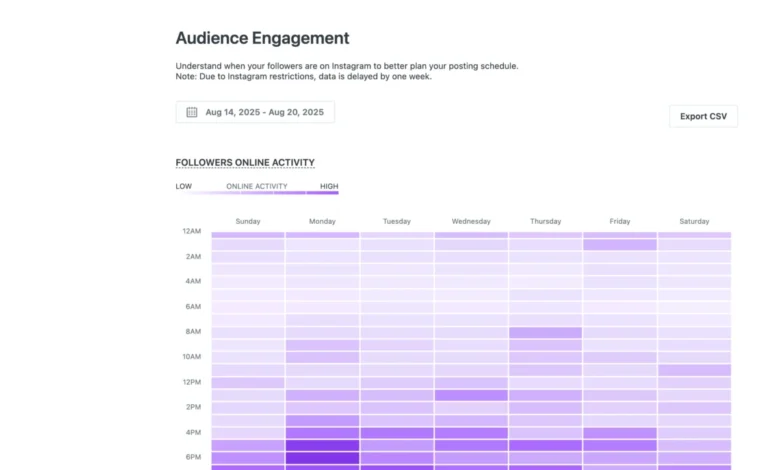
As these companies continue to iterate, the industry should expect increased reliance on machine learning for predictive analytics. Both platforms are currently in a race to see who can provide the most accurate "best time to post" recommendations and content sentiment analysis.
For users currently evaluating these tools, the most pertinent advice is to perform an audit of current and future social media requirements. If the priority is to maintain a cohesive brand aesthetic with a focus on visual conversion, Later offers a specialized, albeit more expensive, environment. If the priority is flexibility, unlimited collaboration, and a broad, cross-platform reach at a predictable price point, Buffer represents a more versatile and scalable solution.
Ultimately, both tools have matured into essential components of the modern marketing stack. The "better" tool is not a universal constant, but a variable dependent on the specific strategic objectives of the user. Whether the goal is to drive high-conversion visual campaigns or to manage a diverse, cross-platform brand presence, the maturity of these tools ensures that the administrative burden of social media management can be significantly reduced, allowing teams to focus on the creative essence of their digital narratives.
Related posts: