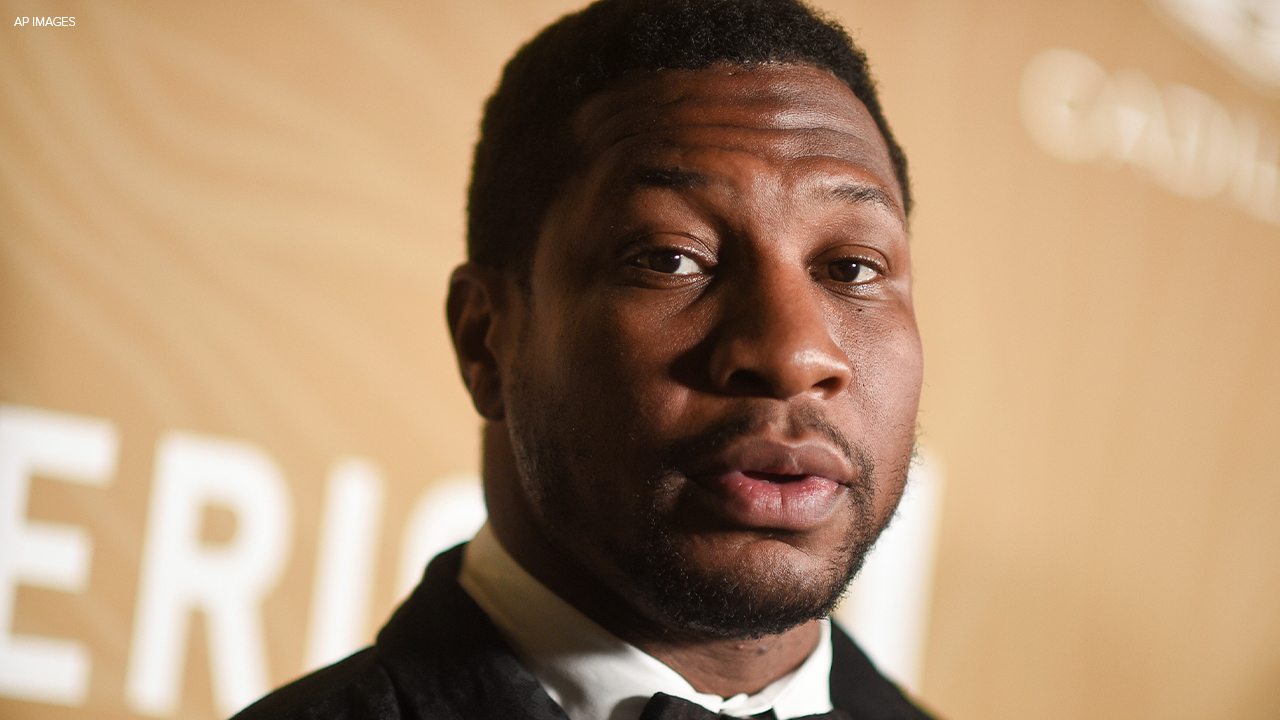
After jonathan majors arrest the us army spoke out about pulling the campaign featuring the mcu star – After Jonathan Majors’ arrest, the US Army spoke out about pulling the campaign featuring the MCU star. This decision has sent ripples through the entertainment and military industries, raising questions about the future of such partnerships. The arrest’s specifics, the campaign’s details, and the Army’s reasoning are all crucial elements to understanding this evolving situation. This blog post delves into the background, the Army’s response, public perception, and the broader implications of this controversial move.
The campaign, likely designed to attract recruits or promote a particular military initiative, now faces an uncertain future. The details of the campaign, including the specific MCU star’s role, will be examined. This article aims to offer a comprehensive overview of the events leading up to the Army’s decision, analyzing potential motivations, and assessing the potential fallout for both the military and the entertainment industries.
Background of the Event
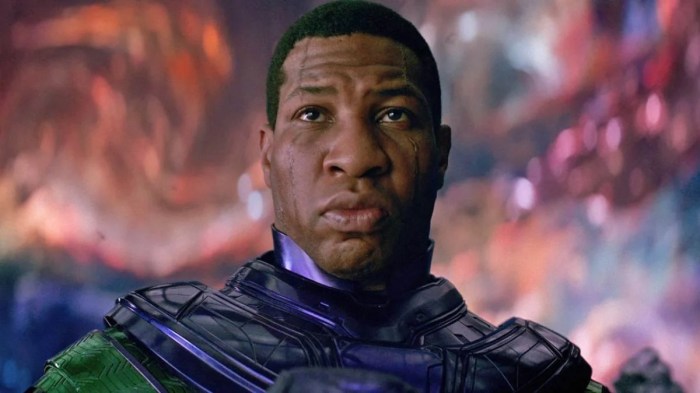
Jonathan Majors, a rising star in the Marvel Cinematic Universe, was arrested on accusations of assault. The specifics of the alleged incidents are currently under investigation and legal proceedings. This arrest has cast a significant shadow over various aspects of his public image and professional endeavors. Simultaneously, the US Army had been preparing a promotional campaign featuring Majors.
The timing of the arrest in relation to this campaign has led to significant scrutiny and a subsequent response from the military.The campaign featuring Jonathan Majors was likely part of a broader recruitment drive. This sort of celebrity endorsement is frequently used to attract potential recruits and to create a more appealing image of military service. However, the arrest has significantly impacted the campaign’s potential effectiveness, raising questions about the suitability of using him as a spokesperson in light of the accusations.
The Army’s decision to withdraw or modify the campaign is a direct response to this public relations challenge.
The US Army’s decision to potentially pull the MCU star’s campaign after Jonathan Majors’ arrest got me thinking. It’s a whole other kettle of fish, right? I finally dove into all the Karate Kid movies, and honestly, they’re a surprisingly nuanced look at self-improvement and resilience. This article really captures the heart of what I enjoyed about them.
Still, it makes me wonder about the future of similar campaigns. How will these kinds of decisions impact the military’s public image going forward?
Summary of Jonathan Majors’ Arrest
Jonathan Majors’ arrest involves allegations of assault. The specifics of the alleged incidents remain confidential as the investigation and legal process unfold. The arrest’s timing has created a significant PR challenge for various parties, particularly those associated with Majors’ public image and professional engagements.
Details of the Army’s Campaign
The US Army’s campaign, likely focusing on recruitment, used Jonathan Majors to promote a positive image of military service. The campaign likely included various media outlets, including social media, print, and television advertisements. The intention was to portray the military as a desirable career path, leveraging Majors’ established presence in popular culture.
Contextual Impact on the Campaign
The arrest’s timing directly impacted the campaign’s potential. Public perception of Majors’ image has taken a negative turn. Consequently, the army’s decision to address the situation demonstrates a proactive response to the evolving public sentiment. The Army’s response is intended to manage the potential damage to the campaign’s effectiveness.
Timeline of Key Events
| Date | Event | Description |
|---|---|---|
| Prior to Arrest | Campaign Preparation | The US Army likely developed a comprehensive campaign with Jonathan Majors as a central figure. |
| Date of Arrest | Arrest of Jonathan Majors | Jonathan Majors was arrested on accusations of assault. The specifics remain undisclosed. |
| Following Arrest | Army Response | The US Army promptly announced the withdrawal or modification of the campaign featuring Jonathan Majors. |
The Army’s Response
The US Army’s decision to pull its marketing campaign featuring Jonathan Majors has sparked considerable discussion. The swiftness of the action, coming shortly after the actor’s arrest, suggests a calculated response to potential negative public perception and reputational damage. This response raises important questions about the Army’s brand image and its approach to aligning with public sentiment in the face of controversy.The Army’s statement, while brief, explicitly cited concerns regarding the image and integrity of the campaign in the context of recent events.
Following Jonathan Majors’ arrest, the US Army’s decision to pull the campaign featuring the MCU star highlights the potential fallout from controversies. This isn’t isolated; similarly, Amy Robach and TJ Holmes are still under investigation at ABC, but insider claims there have been other ramifications here , suggesting a wider trend of repercussions for public figures embroiled in scandal.
It seems the army’s move might just be the tip of the iceberg, impacting future campaigns and potentially other public figures’ roles.
This suggests a proactive approach to mitigating potential harm to the campaign and the institution’s public image. This strategic move underscores the importance of managing public perception in the face of evolving situations, especially those involving sensitive figures.
Potential Reasons Behind the Decision
The Army’s decision likely stemmed from a confluence of factors. Maintaining a professional and trustworthy image is paramount for the military. Associating the campaign with an actor embroiled in allegations could potentially damage this image, leading to public skepticism and reduced effectiveness. Public relations and image management are critical for maintaining the Army’s credibility and the campaign’s intended message.
The possibility of legal ramifications and potential negative media coverage was undoubtedly a significant consideration. Avoiding any association with controversial individuals is a prudent strategy for protecting an institution’s reputation.
Following Jonathan Majors’ arrest, the US Army’s decision to pull the campaign featuring the MCU star sparked a lot of discussion. It’s certainly a notable PR setback, but it also makes you wonder about the broader implications of celebrity endorsements. Meanwhile, Saturday Night Live and Michael B. Jordan’s hilarious jab at Southwest Airlines on their recent show ( saturday night live and michael b jordan threw up a big middle finger at southwest airlines ) was a perfect example of how humor can sometimes be a more effective PR response than a carefully crafted statement, highlighting the importance of public perception in a crisis.
This all further emphasizes how these decisions about celebrity image can quickly ripple through multiple sectors, impacting campaigns from military recruitment to entertainment.
Implications on the Campaign’s Future
The campaign’s future is now uncertain. Without the star’s presence, the marketing strategy will need to be adapted to maintain its momentum. This could involve introducing a new spokesperson, changing the messaging, or even temporarily pausing the campaign until the situation surrounding the actor clarifies. The impact on campaign engagement and reception will need to be carefully monitored.
Precedents and Similar Situations
Instances where public figures associated with campaigns have faced controversy provide valuable context. The impact of celebrity endorsements on brand image and reputation has been studied extensively, particularly in the entertainment industry. A comprehensive analysis of past instances would include examining the factors leading to these decisions, the reactions of the public, and the long-term consequences for both the brand and the celebrity involved.
Comparison Table
| Situation | Celebrity Involved | Brand/Organization | Action Taken | Outcome |
|---|---|---|---|---|
| Jonathan Majors’ Arrest | Jonathan Majors | US Army | Campaign withdrawal | Uncertain, pending public reaction and clarification of the situation |
| [Example 2 – Athlete caught in a scandal] | [Athlete’s Name] | [Brand Name] | [Action Taken] | [Outcome] |
| [Example 3 – Actor with past controversies] | [Actor’s Name] | [Company/Organization] | [Action Taken] | [Outcome] |
Impact on the Military and Entertainment Industries
The recent arrest of Jonathan Majors and the subsequent withdrawal of the US Army’s campaign featuring the actor have significant implications for both the military and entertainment sectors. The incident raises concerns about the image the military projects and the nature of collaborations between entertainment and government entities. The potential ramifications extend beyond the immediate fallout, influencing future partnerships and legal landscapes.
Potential Impact on the Military’s Image, After jonathan majors arrest the us army spoke out about pulling the campaign featuring the mcu star
The Army’s image, particularly its public perception of professionalism and ethical conduct, is likely to be negatively affected. The association with an actor embroiled in a public controversy, especially one involving allegations of domestic violence, can severely damage the military’s reputation. This negative perception could deter potential recruits and volunteers, affecting the military’s ability to maintain and grow its ranks.
Instances of similar controversies involving military personnel, in the past, have highlighted the importance of careful vetting and the potential reputational risks associated with such partnerships. This incident is a stark reminder of the importance of carefully evaluating the individuals and entities associated with military campaigns.
Effect on Entertainment Industry Collaborations with Military Organizations
The entertainment industry’s willingness to partner with military organizations might decrease following this event. The risk of negative publicity and potential legal challenges associated with such partnerships is now significantly higher. Studios and actors may be more cautious in accepting military endorsements or participating in campaigns that involve military branding, potentially leading to a shift in the types of collaborations pursued in the future.
This could limit the opportunities for both the military and the entertainment industry to engage in joint ventures that can benefit both parties.
Influence on Future Partnerships
The incident is expected to influence future collaborations between the military and the entertainment industry in several ways. Thorough background checks and robust due diligence processes will likely become more stringent. The military may prioritize collaborations with actors and projects that have a demonstrably positive image, thereby minimizing the potential for future controversies. Furthermore, clauses within contracts will likely include more detailed provisions addressing the conduct of individuals associated with the project, especially regarding legal and ethical considerations.
This approach is expected to minimize future risks and uphold the integrity of the military image.
Potential Legal Implications
The legal implications of the Army’s decision are multifaceted. The cancellation of the campaign could be scrutinized under various legal frameworks, including contracts and reputational damage. The military’s decision to terminate the partnership raises questions about the extent of its legal obligations to the actor, the studio, or any other associated parties.
Table of Potential Legal Aspects
| Legal Aspect | Potential Implications |
|---|---|
| Contractual Obligations | Breach of contract claims by the actor or the studio, or the agency involved. The specifics of the contract, including termination clauses, would be crucial in determining liability. |
| Reputational Damage | Claims for damages related to lost revenue, diminished brand image, or reputational harm for the military. Past precedents in similar situations can help assess potential legal liabilities. |
| Public Relations Impact | Potential lawsuits related to the negative public image associated with the incident. The military’s response and the way the controversy is handled could influence the outcome of legal proceedings. |
| Employee Liability | Potential legal ramifications if military personnel are found to have been involved in any wrongdoing, potentially leading to disciplinary actions. |
Alternative Campaign Strategies: After Jonathan Majors Arrest The Us Army Spoke Out About Pulling The Campaign Featuring The Mcu Star
The recent arrest of Jonathan Majors and the subsequent withdrawal of the US Army’s campaign featuring him necessitates a re-evaluation of the entire marketing strategy. This situation underscores the importance of thorough risk assessment and the potential for unforeseen events to significantly impact a campaign’s trajectory. The Army must now consider alternative strategies that prioritize public perception and maintain its core message without jeopardizing its values.This analysis explores potential alternative campaign strategies, focusing on how to adapt and rebrand the campaign to maintain its goals while mitigating risks associated with public image issues.
The strategies presented are designed to be adaptable and responsive to evolving circumstances.
Potential Campaign Rebranding Strategies
The Army’s campaign, now potentially tarnished by the recent events, requires a rebranding strategy that focuses on its core mission and values. This is crucial for maintaining public trust and ensuring the campaign effectively communicates its intended message. Avoiding a direct association with the actor is paramount.
- Shifting Focus to Different Aspects of the Military’s Mission: Instead of emphasizing the actor, the campaign could highlight specific branches of the armed forces, showcasing their diverse roles and missions. This approach could showcase the breadth of military operations and highlight the various individuals contributing to national defense, rather than focusing on a single figure.
- Emphasizing the Army’s Values: The campaign could prioritize values such as service, dedication, and commitment. This approach will re-establish a sense of integrity and reliability, focusing on the Army’s core values rather than on an individual. For instance, this could involve highlighting the stories of individual soldiers and their contributions to the community.
- Partnering with Diverse Role Models: Instead of a celebrity endorsement, the campaign could feature diverse individuals who embody the Army’s values. This approach allows for broader representation and engagement, demonstrating a commitment to inclusivity and community engagement. These individuals could include veterans, active-duty personnel, or community leaders, creating a broader and more relatable message.
Alternative Messaging Approaches
The current campaign messaging needs to be re-evaluated to reflect the new context. This requires a shift in focus from celebrity endorsements to showcasing the work and dedication of the personnel.
- Focusing on the Everyday Heroes: Instead of highlighting a specific individual, the campaign could focus on the everyday acts of heroism and dedication performed by the Army’s personnel. This approach can resonate with a wider audience and create a more genuine connection with the public.
- Highlighting Technological Advancements: The campaign could showcase the cutting-edge technology and equipment utilized by the Army. This strategy focuses on the tangible contributions of the Army and its importance in national security, demonstrating a commitment to progress and innovation, while avoiding direct celebrity association.
- Emphasizing Community Engagement: The campaign could highlight the Army’s engagement with communities across the nation. This could include community service projects, partnerships with schools, or initiatives that showcase the Army’s commitment to civic engagement and patriotism. This approach reinforces the Army’s presence as a vital part of the community and emphasizes its value to society.
Comparison of Original and Alternative Strategies
| Characteristic | Original Campaign Strategy (featuring Jonathan Majors) | Alternative Campaign Strategy (focused on Army Values) |
|---|---|---|
| Focus | Celebrity endorsement and individual promotion | Army values, personnel, and community engagement |
| Potential Impact | High visibility, but potentially damaged reputation | Positive reputation, greater public trust |
| Target Audience | Broad, but potentially skewed | Broader, more inclusive, and more loyal |
| Risk Assessment | High risk of negative publicity if issues arise | Low risk of negative publicity if issues arise |
Ethical Considerations
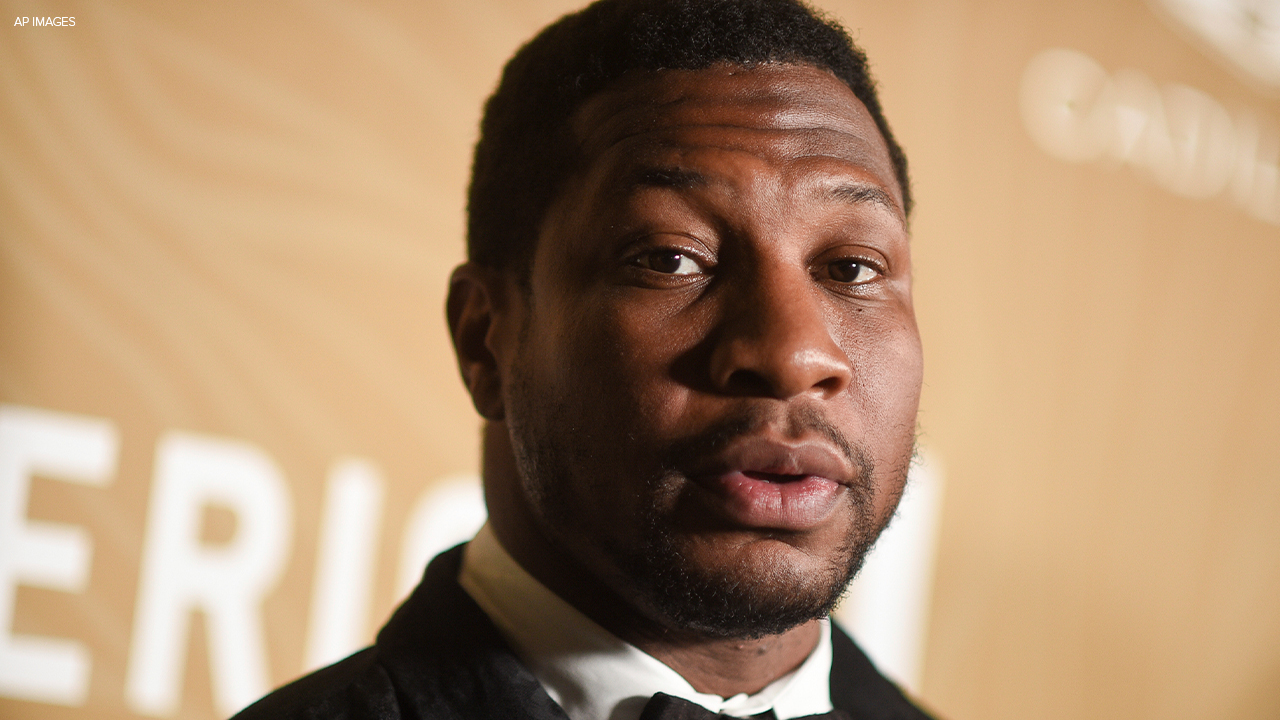
The recent controversy surrounding the US Army’s campaign featuring Jonathan Majors, and their subsequent decision to pull it, raises significant ethical dilemmas. These issues extend beyond the immediate fallout, impacting the military’s image, the entertainment industry’s responsibility, and the public’s perception of both. The army’s actions sparked a wider discussion about the ethical implications of celebrity endorsements, public image management, and the responsibility of institutions to uphold their values.The decision to sever ties with Majors, following his arrest, highlights a complex interplay of factors, from public perception to legal implications.
The Army’s choices, however, are not without their ethical considerations and potentially far-reaching consequences.
Ethical Dilemmas of the Army’s Decision
The army’s decision to withdraw the campaign following Majors’ arrest presents several ethical dilemmas. The primary concern revolves around the potential for the military to be perceived as inconsistent in its public image and messaging. The use of celebrities for promotional purposes can create a connection between the institution and public opinion. This decision also prompts questions about the nature of responsibility and accountability in a situation where the actor’s actions don’t align with the army’s values.
Potential Biases and Prejudices
It’s crucial to acknowledge the possibility of implicit bias in the decision-making process. Public perception of Majors’ actions, influenced by news coverage and social media, may have played a role in the decision to pull the campaign. The potential for unconscious bias influencing the decision should be acknowledged and carefully considered. This consideration is especially important given the military’s historical and ongoing struggle with diversity and inclusion.
Considerations for Public and Actors Involved
The decision has broad implications for the public, who may perceive it as a condemnation of the actor or a shift in values by the military. The decision also affects the actor involved, potentially impacting their career and reputation. The public should be aware that such decisions have consequences for individuals and institutions, and the army should consider the potential reputational damage on its image and ability to recruit.
Potential Long-Term Consequences
The army’s actions may set a precedent for future collaborations with celebrities. The long-term consequences could include a reevaluation of celebrity endorsements for military campaigns, leading to stricter vetting processes. The army might also face challenges in attracting and maintaining public trust. This case serves as a reminder of the complexities of balancing public image with ethical considerations in the entertainment industry.
Ethical Frameworks for Analyzing the Situation
| Ethical Framework | Key Considerations | Application to the Case |
|---|---|---|
| Utilitarianism | Maximizing overall happiness and well-being. | Assessing the overall happiness and well-being of various stakeholders (military, public, actor) to determine if the withdrawal maximizes overall good. |
| Deontology | Following moral duties and principles, regardless of consequences. | Examining the army’s moral duties to maintain its values and reputation, and considering whether withdrawing the campaign aligns with those duties. |
| Virtue Ethics | Focusing on character and moral virtues. | Evaluating the army’s actions based on virtues like honesty, integrity, and responsibility. |
“Decisions like these require careful consideration of the various ethical frameworks and potential consequences.”
Epilogue
The US Army’s decision to pull the campaign following Jonathan Majors’ arrest highlights a complex interplay between entertainment, the military, and public perception. This incident forces us to consider the potential consequences of high-profile partnerships and the evolving landscape of military recruitment strategies. The implications extend beyond the immediate future, raising questions about the long-term effects on both the military’s image and the entertainment industry’s willingness to collaborate with such organizations.
The ethical considerations and potential legal ramifications are also substantial factors to analyze. Further developments will undoubtedly shape the narrative of this situation, adding layers of complexity to this evolving story.