A remake of alfred hitchcocks vertigo is in the works and robert downey jr is involved – A remake of Alfred Hitchcock’s Vertigo is in the works, and Robert Downey Jr. is involved. This promises a fascinating reimagining of a classic film. The original Vertigo, a masterpiece of suspense and psychological drama, has captivated audiences for decades. Now, with Downey Jr.’s involvement, we can anticipate a modern interpretation of this iconic story, potentially exploring fresh perspectives on themes of obsession, identity, and perception.
This project raises many questions. Will the remake capture the essence of the original while also feeling fresh and relevant to contemporary audiences? What role will Downey Jr. play, and how will his presence influence the film’s direction? Let’s delve into the potential themes, casting choices, and visual adaptations that could make this remake a success or a misstep.
Background on Hitchcock’s Vertigo
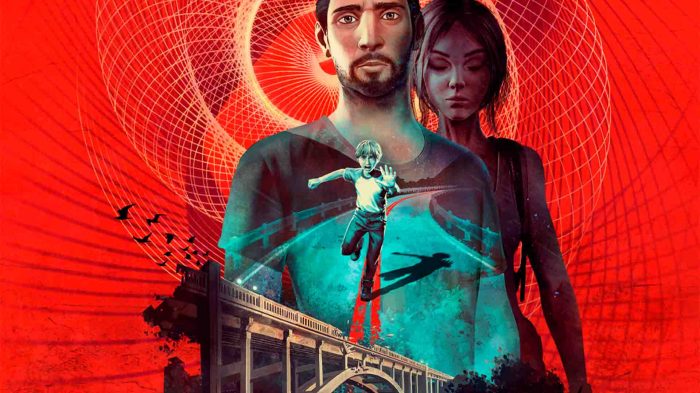
Alfred Hitchcock’sVertigo*, a 1958 psychological thriller, stands as a landmark achievement in cinematic storytelling. The film’s exploration of obsession, perception, and the human psyche continues to resonate with audiences today, cementing its place as a cornerstone of cinematic history. Its complex narrative and innovative visual techniques revolutionized the art of filmmaking.The film’s enduring popularity is rooted in its profound themes, which delve into the depths of human emotion and the power of the past to haunt the present.
It meticulously crafts an atmosphere of suspense and unease, leaving a lasting impression on viewers long after the credits roll.
A remake of Alfred Hitchcock’s Vertigo is in the works, with Robert Downey Jr. attached, which is pretty exciting. It’s interesting to consider how this classic film might be reimagined for a modern audience. Speaking of interesting takes on cinema, Jamie Lee Curtis recently got emotional talking about why she thinks Michelle Yeoh deserves her Oscar nomination – a truly inspiring moment in the industry, you can read more about it here: jamie lee curtis gets emotional talking about why she thinks michelle yeoh is the reason for her oscar nomination.
Hopefully, this new Vertigo adaptation will be equally captivating and thought-provoking, perhaps even inspiring its own wave of critical acclaim.
Summary of the Plot
Vertigo* follows Scottie Ferguson, a former police detective plagued by a severe case of acrophobia (fear of heights). Forced into early retirement, he is reluctantly drawn into a private investigation involving a mysterious woman, Madeleine Elster. As Scottie follows Madeleine, his growing obsession leads him to unravel a complex web of deception, blurring the lines between reality and delusion.
The film unravels as Scottie’s investigation descends into a descent into madness.
Themes Explored in Vertigo
The film delves into several complex themes that continue to be discussed and analyzed. The exploration of obsession is central, examining the destructive power of unchecked desire and the lengths people will go to satisfy their impulses. The nature of perception and memory is also a critical element. The film suggests how memory can distort reality, shaping our understanding of the past and influencing our present.
Furthermore,
Vertigo* examines the anxieties and insecurities of the human condition, specifically those stemming from societal pressures and expectations.
Critical Reception and Cultural Impact
Upon release,Vertigo* received overwhelmingly positive reviews. Critics praised Hitchcock’s masterful direction, the film’s innovative cinematography, and its compelling narrative. The film’s influence extended beyond critical acclaim, and it quickly gained a devoted following, influencing numerous filmmakers and captivating audiences.The film’s lasting legacy is evident in its continued influence on contemporary cinema. The iconic images and sequences ofVertigo* have become ingrained in popular culture, influencing countless films and inspiring countless imitations and reimaginings.
Its profound exploration of the human condition has ensured its place as a masterpiece of cinematic storytelling.
Historical Context of Vertigo’s Production and Release
Vertigo* was produced during a period of significant change in Hollywood. The rise of television and the changing tastes of audiences were forcing studios to adapt and innovate. The film’s success, therefore, was a testament to Hitchcock’s ability to adapt to the evolving cinematic landscape.The film’s release coincided with a broader cultural fascination with psychological thrillers and explorations of the human mind.
The post-war era’s anxieties and uncertainties found a reflection in
Vertigo*, making it particularly resonant with audiences.
Key Elements of Vertigo’s Cinematic Significance
Vertigo* showcases several key elements that make it a significant cinematic work. Hitchcock’s innovative use of visual storytelling, coupled with his masterful direction, created a truly immersive experience. The film’s iconic shots, including the long takes and sweeping views of the city, exemplify his unique style.The film’s use of camera angles and techniques created a unique and unsettling atmosphere, adding to the film’s impact.
Furthermore, the film’s soundtrack, meticulously crafted to amplify the suspense and tension, plays a crucial role in heightening the viewer’s emotional response.
Analysis of Robert Downey Jr.’s Involvement
Robert Downey Jr.’s casting in a Vertigo remake is a compelling choice, injecting a fresh perspective into a classic. His established charisma and ability to embody complex characters make him a potentially strong candidate to bring a new interpretation to this iconic story. The project will undoubtedly benefit from his reputation for taking on challenging roles, but the question remains: will his presence significantly alter the tone and trajectory of the adaptation?His established presence in the industry, coupled with his past performance history, offers a unique lens through which to examine the potential adaptations of the characters and narrative elements of the original.
The potential motivations behind his involvement are multifaceted, encompassing both artistic considerations and commercial factors. The influence of his presence on the project’s direction is likely to be profound, shaping the way the story is told and the characters are perceived.
Potential Suitability for the Role
Downey Jr.’s versatility in portraying a range of complex and compelling characters suggests a potential fit for a role within a Vertigo remake. His ability to convey vulnerability and charisma simultaneously, as demonstrated in films like
- Sherlock Holmes* and
- Chaplin*, hints at a capacity to interpret the multifaceted nature of the characters within a Hitchcockian narrative. However, the specific character archetype needed for a successful remake requires careful consideration.
Comparison with Previous Roles
A comparison of Downey Jr.’s previous roles with the potential character archetypes in a Vertigo remake reveals some interesting parallels. His portrayal of eccentric geniuses and complex anti-heroes in films like
- Iron Man* and
- Tropic Thunder* suggests a capacity to embody characters with a strong internal struggle, which could be a significant asset for adapting a psychologically-driven narrative. His portrayal of troubled individuals, as seen in
- Less Than Zero* or
- Natural Born Killers*, provides a glimpse into his capacity to explore complex psychological states, a necessary element for capturing the depth of the original characters.
Influence on Project Direction
Downey Jr.’s involvement could significantly influence the project’s direction. His reputation for taking on roles that challenge him artistically suggests a willingness to explore unconventional interpretations of the source material. His presence might steer the remake towards a more contemporary and psychologically-driven approach, potentially shifting the focus from the classic suspense to more introspective character explorations. This could result in a more modern take on the themes of obsession, identity, and perception, resonating with a contemporary audience.
Possible Motivations Behind Involvement
Several factors might explain Downey Jr.’s involvement. His desire for a challenging role, his affinity for classic films, and the potential for commercial success are all likely motivations. Moreover, the prospect of working with a director with a reputation for quality and innovation might also play a role in his decision. He might see the project as an opportunity to step outside his comfort zone and explore a different genre, potentially adding a unique layer to the remake.
Potential Character Comparisons
| Original Character | Potential Remake Character | Similarities | Differences |
|---|---|---|---|
| Scottie Ferguson | A disillusioned, former war hero, grappling with PTSD and a past trauma. | Both characters are haunted by past experiences, leading to a sense of isolation and detachment. | The remake’s character could be more focused on the psychological impact of trauma and less on the physical aspects of the investigation. |
| Judy Barton | A free-spirited, enigmatic artist, who is also a survivor of abuse. | Both characters are independent and possess a strong sense of self. | The remake’s character might emphasize her inner turmoil and struggle for identity more than the original. |
Potential Themes and Interpretations of a Remake
A remake of Alfred Hitchcock’sVertigo* with Robert Downey Jr. presents a fascinating opportunity to revisit a timeless classic through a modern lens. The film’s enduring power lies in its exploration of complex human emotions, and a new iteration can offer fresh perspectives on these themes while acknowledging the original’s enduring influence. This new take could potentially resonate with a contemporary audience by exploring the same core concepts through a contemporary lens, while simultaneously challenging existing interpretations.The societal shifts of the last few decades, including greater awareness of mental health issues and evolving perspectives on gender roles, offer potential avenues for exploringVertigo*’s themes with nuanced depth.
The film’s portrayal of obsession and the complexities of relationships could be re-examined in light of these evolving social norms. The themes of perception and identity, already central to the original, could be given new weight and relevance in a modern context.
Modern Interpretations of Vertigo’s Themes
The themes of obsession, identity, and perception are central toVertigo*. A modern remake could explore these concepts in new ways. For instance, the film’s portrayal of male obsession with a woman could be examined through a more nuanced lens, considering the societal pressures and internal struggles that drive such behavior. Furthermore, the exploration of the character’s mental health, including possible diagnoses and treatment options, could be more prominent in a modern adaptation.
Impact of Societal Shifts on the Film’s Message
Societal changes have significantly impacted how we view and understand relationships, particularly those between men and women. The evolving understanding of mental health issues, including anxiety and depression, would undoubtedly influence the portrayal of characters and their motivations. A modern interpretation could offer a more empathetic and nuanced understanding of the complexities of human relationships, offering insight into the motivations behind obsessive behaviors.
For example, the film’s depiction of a male protagonist could be reevaluated to reflect the progress made in understanding gender roles.
Exploring Obsession, Identity, and Perception Differently
The concept of obsession, a core theme inVertigo*, could be explored in a contemporary context through the lens of modern technology and social media. How does digital connection affect relationships and lead to distorted perceptions? The film’s exploration of identity could be broadened to include the pressure of self-presentation and the impact of social media on individual perception.
The theme of perception could be explored through a lens of modern psychology, examining the impact of trauma and past experiences on an individual’s interpretation of the world around them.
Evolution of Cinematic Storytelling Techniques
| Feature | Original Vertigo | Potential Remake |
|---|---|---|
| Camera techniques | Utilizing classic techniques, including deep focus and tracking shots, to create a specific visual style. | Employing modern camera techniques, like steadicam and innovative drone shots, to create a contemporary visual language. |
| Editing style | Employing classic editing techniques, including long takes and parallel editing, to create suspense and visual drama. | Integrating modern editing techniques, like rapid cuts and non-linear storytelling, to convey complex emotions and internal conflicts. |
| Sound design | Utilizing traditional sound design techniques to create atmosphere and tension. | Utilizing modern sound design techniques, including sound effects and music, to create a more immersive and emotionally resonant experience. |
Potential Visual and Narrative Changes
A remake of Alfred Hitchcock’sVertigo* presents a fascinating opportunity to reimagine a classic while remaining true to its core themes. This exploration of visual and narrative adaptations considers how to update the film for a contemporary audience without sacrificing the psychological depth and suspense that made the original so impactful. Modern audiences demand a different aesthetic and storytelling approach, and this remake aims to balance faithfulness with fresh perspectives.
Reimagining the Visual Style
The visual style ofVertigo* is intrinsically linked to its era. While its black and white cinematography is iconic, a modern remake could explore a more nuanced palette. Consider a desaturated color scheme, using muted tones to amplify the psychological tension and the characters’ emotional states. The use of digital effects could enhance the dreamlike sequences, mirroring the protagonist’s increasingly fragmented reality.
Instead of relying solely on close-ups, the remake could employ long shots to emphasize the vastness and isolation of the characters’ struggles, creating a sense of overwhelming dread. This would be achieved through an innovative use of camera movement and framing, moving away from the static, almost clinical style of the original and introducing a more dynamic visual language.
Adapting the Narrative for a Modern Audience
A modern audience will likely connect more deeply with the story if certain elements are adapted. The original film’s portrayal of women might need re-evaluation, particularly regarding their agency and perspectives. The remake could explore the protagonist’s internal struggles with technology and social media, mirroring the ways in which modern communication shapes our perceptions and interactions. This might involve a re-examination of the protagonist’s relationship with the female characters and his internalized anxieties.
Instead of a straightforward, linear narrative, the film could incorporate flashbacks and dream sequences to a greater extent, mirroring the nonlinearity of modern thought processes and experiences.
Altering the Plot Structure and Pacing
The pacing of the originalVertigo* is quite deliberate. A modern remake might benefit from a more dynamic approach. This could involve streamlining certain plot points, allowing for more concise transitions between scenes. A modern audience is often more accustomed to a faster pace, so the remake should not be afraid to introduce a sense of urgency and build suspense more quickly.
The film’s extended sequences could be broken down into shorter, more impactful scenes. The remake should also consider the current state of filmmaking, incorporating elements like jump cuts or rapid editing to mirror the intensity of modern narratives and the protagonist’s escalating mental state. Using contemporary sound design and music would add a modern layer to the film without overshadowing the core themes.
A remake of Alfred Hitchcock’s Vertigo, with Robert Downey Jr. involved, is definitely intriguing. But, honestly, Walker Independence’s Abby’s bold predictions in the winter premiere, as seen in this article , might just be more exciting in the long run. Maybe Downey Jr. will surprise us all with his take on the iconic film, but for now, Abby’s insights are keeping me hooked.
Either way, it’s a busy time for cinematic reboots.
Potential Changes to Narrative Structure and Character Arcs
| Original Element | Potential Remake Adaptation | Reasoning |
|---|---|---|
| Scottie’s initial infatuation with Madeleine | A more complex and nuanced portrayal of Scottie’s attraction, exploring the influence of societal pressures and his own insecurities. | To avoid portraying Scottie as simply infatuated, and instead show the depth of his emotional struggles. |
| Judy’s role as a supportive figure | Judy could be a more assertive and independent character, with a stronger voice and agency. | To reflect modern sensibilities and portray a more empowering female figure. |
| The use of flashbacks | A more fluid and visually striking use of flashbacks, incorporating modern editing techniques to show the protagonist’s inner turmoil. | To create a more engaging and dynamic portrayal of the protagonist’s inner world and past experiences. |
| The ending | A reinterpretation of the ending, possibly suggesting a lingering impact of Scottie’s trauma and a different perspective on the nature of his reality. | To allow for a more ambiguous and thought-provoking conclusion that resonates with modern audiences. |
Possible Casting Choices for Other Roles
A remake of Alfred Hitchcock’sVertigo* demands careful consideration of casting choices beyond the central figure. The supporting roles, often overlooked, are crucial in establishing the film’s atmosphere and conveying the characters’ motivations. Choosing actors who can effectively embody these roles will significantly impact the overall success of the adaptation.The selection process must prioritize actors who can convincingly portray the nuanced complexities of these characters, while also maintaining the film’s distinctive aesthetic and emotional resonance.
This involves finding actors who can bring both depth and a certain cinematic quality to their performances, mirroring the original film’s iconic portrayals. Crucially, these actors must possess a versatility to embody the character arcs in the story, and the emotional weight of the plot.
Potential Actor Choices for Key Roles
Careful consideration of character types and actor styles is paramount. The actors selected must embody the essence of the characters, balancing their strengths with the film’s tone. Each choice should be weighed against the potential for a nuanced performance, mirroring the original’s enduring appeal.
A Hitchcock remake of Vertigo starring Robert Downey Jr. is in the works, which is pretty exciting. But, speaking of visually stunning spectacles, have you seen the new Avatar locations? They’re absolutely breathtaking, check out the first look at the upcoming sequels here: avatar revealed first glimpse at the new locations coming in the sequels and wow.
I’m sure Downey Jr. will bring his unique style to the project, making it a compelling modern take on the classic film.
| Potential Actor | Role | Reasoning |
|---|---|---|
| Michael Shannon | Scottie’s Detective Partner | Shannon’s intense, emotionally charged performances often embody a certain level of reserved tension, a quality highly suitable for a detective in a psychological thriller. His ability to convey subtle layers of character makes him a strong candidate. |
| Emily Blunt | Judy Barton | Blunt’s ability to portray vulnerability and resilience would be effective in portraying Judy Barton. Her performances often display a blend of strength and fragility, essential to the character’s development. |
| Willem Dafoe | Midge | Dafoe’s versatility allows him to embody a character’s inner conflicts. His often eccentric performances would potentially capture the complexities of Midge. |
| Olivia Colman | Carlotta Valdes | Colman’s nuanced portrayal of both strength and vulnerability makes her a compelling choice for the role. Her ability to convey emotional depth would resonate with the film’s psychological themes. |
| Benedict Cumberbatch | Gavin Elster | Cumberbatch’s ability to portray a mix of intellectual curiosity and hidden anxieties would suit Gavin’s character arc. His performances often delve into the inner workings of his characters. |
Impact of Casting on Tone and Feel
The choice of actors significantly influences the film’s overall tone and aesthetic. The casting process must consider not only the actors’ individual styles but also their potential to enhance the film’s atmosphere and emotional impact. This includes their ability to portray the psychological turmoil and emotional depth inherent in the characters.
Comparative Analysis of Remake vs. Original
Alfred Hitchcock’sVertigo*, a cinematic masterpiece, continues to fascinate audiences with its psychological depth and breathtaking visuals. A remake, featuring Robert Downey Jr., presents an intriguing opportunity to revisit this iconic story. This comparison will analyze potential similarities and differences, examine artistic choices, and explore the potential impact on Hitchcock’s legacy.A remake of
Vertigo* presents a unique challenge
how to honor the original while introducing fresh perspectives. It’s a delicate balancing act between acknowledging the film’s enduring power and injecting new life into the narrative. This analysis will examine the possible approaches and potential outcomes of this endeavor.
Potential Similarities and Differences
The originalVertigo* achieved its power through a meticulous blend of suspense, psychological drama, and visual artistry. A remake, with its modern sensibilities, may borrow from these strengths while simultaneously offering unique interpretations. A table illustrating potential similarities and differences between the original and a remake is presented below.
| Aspect | Original | Remake |
|---|---|---|
| Theme | The nature of obsession, the fear of loss, and the blurred lines between reality and illusion. | Potentially exploring contemporary anxieties about identity, technology, and the impact of social media on relationships. |
| Visual Style | Hitchcock’s signature use of deep focus, dramatic lighting, and long takes. | Modernizing the visual language while maintaining the film’s stylistic identity. |
| Narrative Structure | A complex, non-linear narrative that unfolds through flashbacks and fragmented memories. | A similar structure could be employed, but the focus might shift to modern storytelling techniques. |
| Character Portrayals | A detailed exploration of complex characters driven by internal conflicts. | The remake might delve deeper into the motivations and vulnerabilities of the characters. |
Artistic Choices in the Remake, A remake of alfred hitchcocks vertigo is in the works and robert downey jr is involved
The artistic choices of the remake will significantly impact the film’s reception. Potential choices include using modern visual effects to heighten the sense of unease or utilizing a more contemporary soundtrack to reflect the psychological state of the characters. The use of color palettes and editing styles can also be adapted to resonate with a modern audience while maintaining a connection to the original film’s visual aesthetic.
Impact on Hitchcock’s Legacy
A successful remake ofVertigo* could either enhance or detract from Hitchcock’s legacy. A faithful adaptation, while respecting the original, might introduce new interpretations and connect the story with contemporary audiences. Conversely, a misguided attempt to modernize the story could diminish the impact of the original film and potentially tarnish Hitchcock’s legacy. The crucial element will be finding a balance between respect for the original and a willingness to adapt the story to a new generation.
Final Summary: A Remake Of Alfred Hitchcocks Vertigo Is In The Works And Robert Downey Jr Is Involved
The upcoming Vertigo remake, with Robert Downey Jr. on board, has the potential to be a significant cinematic event. The project offers a chance to revisit a classic through a contemporary lens. We’ve explored the possible interpretations, casting considerations, and visual approaches. Ultimately, the success of the remake will depend on its ability to honor the original film’s legacy while engaging with modern audiences.
Will this new take on Vertigo stand the test of time?