The Snapple Island Ferry Comedy Experience and the Complicated Business of Brand Revivals

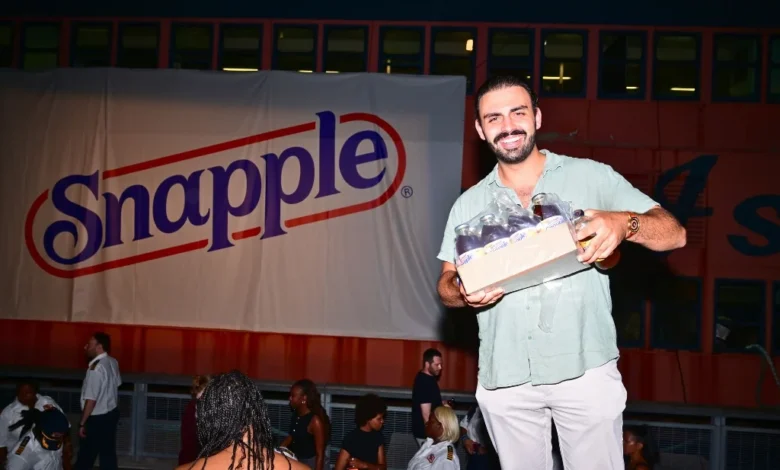
The intersection of celebrity investment, corporate marketing, and the evolving landscape of live entertainment converged this week on a rusting, decommissioned vessel in New York Harbor. Four years after comedians Pete Davidson and Colin Jost made headlines for their unconventional acquisition of the John F. Kennedy, a retired Staten Island Ferry, the pair finally utilized the ship for its intended purpose: a high-profile, pop-up comedy venue. Partnering with beverage giant Snapple, the event served as both a theatrical showcase and a calculated exercise in brand repositioning, drawing significant attention to the challenges of modern audience engagement and the shifting tides of consumer nostalgia.
A Four-Year Odyssey: From Auction Block to Comedy Stage
The saga of the John F. Kennedy began in January 2022, when Davidson, Jost, and a group of investors purchased the 57-year-old vessel at a New York City Department of Citywide Administrative Services auction for $280,100. Built in 1965, the ferry had been removed from service due to chronic mechanical failures, leaving it as a liability for the city but a curiosity for its high-profile buyers.
Initial reactions to the purchase were characterized by widespread skepticism. Critics and social media users frequently mocked the acquisition, citing reports of asbestos, pest infestations, and the astronomical costs required to bring a half-century-old vessel up to modern maritime safety and entertainment codes. For years, the ferry remained a point of public derision, a symbol of celebrity whimsy that appeared to have stalled. However, the September 2026 activation—rebranded for one week as the "Snapple Island Ferry"—demonstrated that the project was not merely a vanity purchase but a long-term, if unorthodox, marketing asset.
The Marketing Strategy: Scarcity and Nostalgia
The event, which ran from September 3 to September 8, utilized a "drop" model for ticket distribution, releasing limited quantities of free tickets daily at 3 p.m. This scarcity-driven approach generated substantial organic buzz, echoing the recent consumer trends seen in limited-release cinema experiences, such as the frenzy surrounding 70mm IMAX screenings. By avoiding traditional ticket sales, the organizers bypassed the friction of dynamic pricing while maximizing the "FOMO" (fear of missing out) factor among the target demographic of young millennials and Gen Z.

This strategy served as an ideal backdrop for Snapple’s own pivot. The beverage company, a subsidiary of Keurig Dr Pepper, has spent the last year attempting to reverse the negative consumer sentiment generated by its 2017 transition from glass bottles to plastic. After years of public outcry, Snapple began a limited return to glass in late 2025. The ferry event served as a high-visibility activation to cement this return, reinforcing the brand’s association with "authentic" New York culture while simultaneously distancing itself from the perceived corporate cost-cutting measures of the plastic-bottle era.
The Logistics of a Floating Venue
Hosting a live performance on a vessel not originally designed for entertainment presents significant structural and environmental challenges. Attendees reported a lack of climate control and cramped, unconventional viewing conditions. The main cabin featured a T-shaped stage that required the use of overflow rooms with live video feeds, highlighting the limitations of repurposing industrial maritime architecture for modern event production.
Despite the technical discomforts, the event maintained a high level of prestige, featuring a rotating lineup of prominent comedians, including Sal Vulcano and various up-and-coming stand-up acts. The atmosphere was one of raw, unvarnished performance—a stark contrast to the highly curated, algorithmic content that dominates the social media feeds of the event’s target demographic. The refusal to allow cell phone photography, while occasionally creating friction between performers and attendees, served to foster a sense of exclusivity and "in-the-moment" experience that is increasingly rare in live comedy.
Corporate Objectives and Brand Alignment
The involvement of Snapple provides a case study in how heritage brands are attempting to reclaim their footing in an era of hyper-competitive retail. By aligning with Davidson and Jost—both of whom maintain strong ties to the New York comedy scene—Snapple sought to bridge the gap between their legacy reputation and the values of a younger, sustainability-conscious audience.
The operational economics of the event were significant. While a traditional theater venue would have generated revenue through ticket sales, the costs associated with the ferry’s maintenance, safety compliance, and the logistics of a floating stage likely outweighed the potential intake from a standard ticketed event. Therefore, the value proposition for the sponsors was primarily experiential and impression-based. By controlling the environment, the brand was able to dictate the narrative of its "comeback," turning the act of drinking a glass-bottled beverage into a communal, branded ritual.

The Broader Implications of Risk-Averse Culture
Professor Arthur Brooks and other social commentators have noted a growing trend of "risk aversion" among younger generations, often attributed to the pressures of a digital-first existence. The Snapple Island Ferry event, however, operated on a different frequency. By leaning into the absurdity of their situation—joking about the ferry’s condition, their own financial risks, and the inherent awkwardness of the venue—Davidson and Jost created a space where failure was not only possible but part of the charm.
This "performative vulnerability" resonated with the audience. In a culture where influencers and celebrities go to great lengths to hide imperfection, the sight of two high-profile comedians struggling with the heat and the logistical limitations of their own "project" felt surprisingly authentic. For the audience, the event was a reprieve from the polished, manufactured perfection of social media.
Future Prospects for the JFK
As the week-long event concluded, questions regarding the long-term viability of the John F. Kennedy remain. While the pop-up proved that the ship could function as a venue, the transition to a permanent, commercially viable entertainment space remains an immense challenge. The structural integrity of the ship, the ongoing environmental regulations, and the sheer cost of operation suggest that this was likely a proof-of-concept event rather than a permanent grand opening.
However, the success of the activation in generating positive PR for both the performers and the brand sponsors suggests that the vessel has value as a mobile marketing platform. Whether the ferry is destined for further restoration or will eventually be retired for good, its role in this brief, frantic, and humid week of comedy has secured its place in the recent history of New York City’s pop-up culture. The event succeeded not because it was a perfect venue, but because it embraced the risks, the heat, and the history of a vessel that, like the brands and performers involved, is attempting to find its place in a rapidly changing world.
Related posts: