João Vaz Oliveira’s Reel 2026: A Deep Dive into Real-Time Audio-Visual Synthesis and Generative Motion Design.

The landscape of digital art and motion design is constantly evolving, driven by technological advancements and artists’ relentless pursuit of innovative expression. In this dynamic environment, João Vaz Oliveira’s "Reel 2026" stands out as a significant experimental Motion Design piece, directly harnessing the power of sound to sculpt visual output in real time. This groundbreaking project, which first captivated audiences during a live presentation at the Atlas Festival in Lisbon, represents a sophisticated exploration into the symbiotic relationship between audio and visual elements, pushing the boundaries of interactive art and generative design.
The Genesis of an Idea: From Live Performance to Studio Refinement
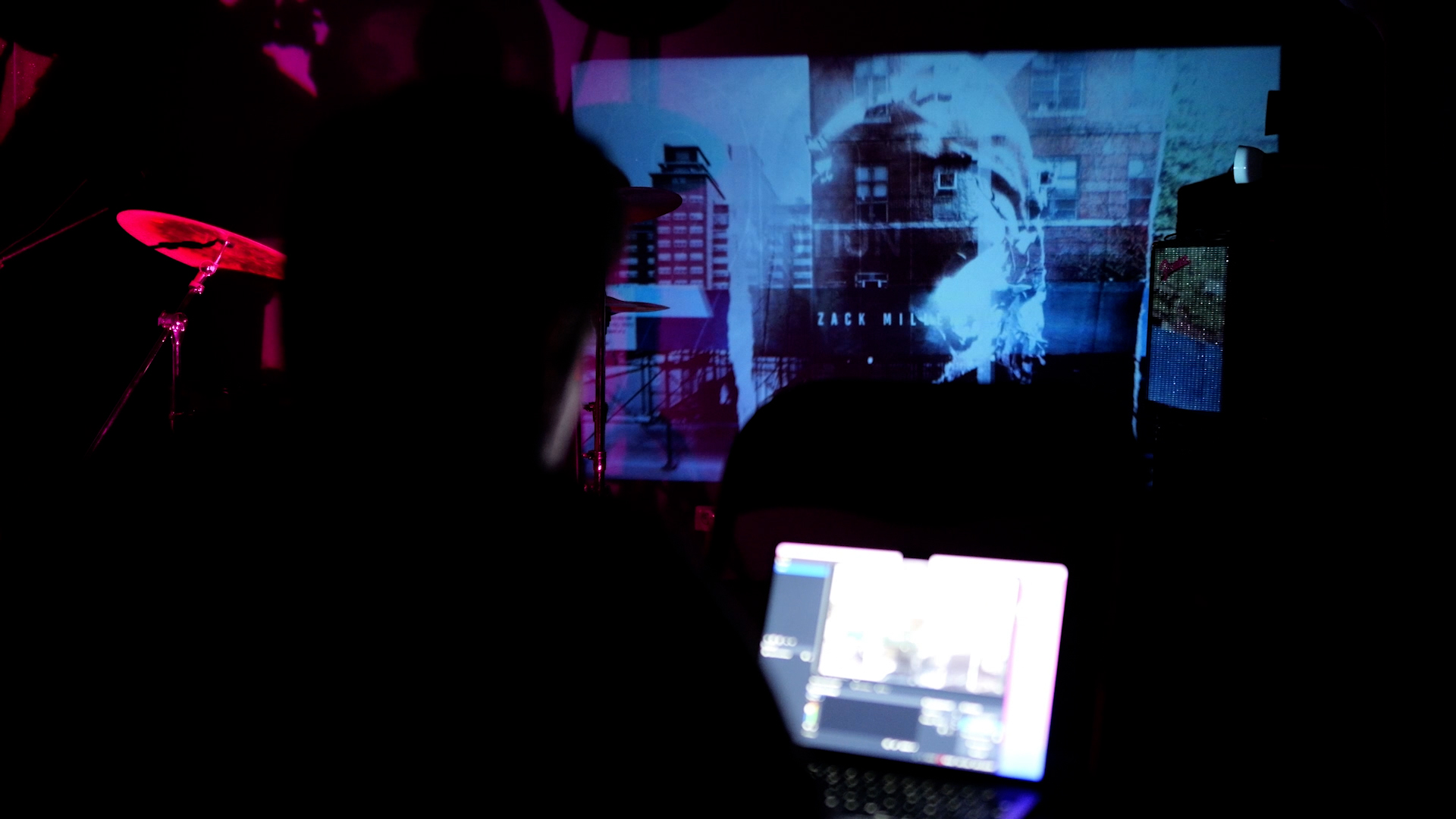
The inception of "Reel 2026" was rooted in a profound curiosity about how sound could not merely accompany, but actively dictate, visual form and motion. Oliveira’s initial concept materialized as a live performance, a high-stakes endeavor where the immediacy of a drummer’s interpretation directly translated into a unique, unfolding visual narrative. This live debut at the Atlas Festival, a renowned platform for digital culture and new media arts in Lisbon, served as both a proving ground and a catalyst. The energy of the live interaction, the spontaneous variations in rhythm and dynamics, offered invaluable insights into the system’s responsiveness and potential.
Atlas Festival, known for its commitment to showcasing avant-garde digital creations and fostering a dialogue between art and technology, provided the ideal setting for such an experimental piece. Its audience, typically composed of artists, technologists, and enthusiasts, is inherently receptive to works that challenge conventional perceptions and demonstrate novel applications of creative technologies. The real-time nature of the performance meant that each beat, every nuanced dynamic shift from the drummer, was instantaneously reflected in the visual output, creating an immersive experience that transcended traditional passive viewing. This initial success underscored the viability of the concept but also highlighted the potential for further refinement and exploration in a more controlled environment. The transition from a singular live performance to a meticulously expanded studio project allowed Oliveira to delve deeper into the system’s capabilities, experimenting with a broader range of auditory inputs and optimizing the visual algorithms.
A Symphony of Instruments: Expanding the Visual Narrative
The studio phase marked a pivotal expansion of the "Reel 2026" concept. Recognizing that different sonic textures and rhythmic patterns would yield distinct visual interpretations, Oliveira embarked on an ambitious collaboration, inviting three diverse musicians to interact with the system. Each artist, specializing in a different instrument—drums, piano, and handpan—brought their unique interpretative flair and musical vocabulary to the project. This decision was crucial in demonstrating the system’s versatility and its capacity to translate a wide spectrum of sonic information into visually coherent, yet profoundly varied, artistic expressions.
The drums, as the original instrument, provided a percussive, rhythmic foundation, often leading to sharp, dynamic visual bursts and intricate patterns reflecting complex polyrhythms. The piano, with its melodic and harmonic richness, introduced a different dimension. Its sustained notes, arpeggios, and chord progressions likely translated into flowing, evolving visual forms, perhaps with color variations corresponding to pitch or harmony, and gentle transitions mirroring crescendos and decrescendos. The handpan, an instrument celebrated for its ethereal, resonant tones and intricate overtones, would have offered yet another distinct input. Its meditative qualities and shimmering soundscapes could have generated organic, undulating visuals, perhaps reminiscent of natural phenomena or abstract energy fields.

The result of these collaborations was not a mere replication of the initial concept with different sounds, but the creation of three entirely unique visual reels. This approach transformed "Reel 2026" from a singular, fixed artistic statement into a dynamic and evolving anthology of possibilities. It underscored the core principle that the visual output was not pre-rendered or predetermined, but genuinely generative, shaped by the real-time interpretation of each musician. This fluid relationship between sound and image positioned "Reel 2026" not just as an experimental piece, but as a living system, capable of infinite variations based on human input. Such multi-instrumental engagement also highlights a growing trend in digital art where interdisciplinary collaboration enriches the final output, moving beyond individual artistic silos.
Technological Backbone: The Power of TouchDesigner
At the heart of "Reel 2026" lies TouchDesigner, a node-based visual programming environment renowned for its capabilities in real-time interactive media, projections, and generative art. Oliveira’s choice of TouchDesigner was strategic, leveraging its robust architecture for high-performance audio analysis and complex visual synthesis. The platform’s ability to process vast amounts of data in real-time, coupled with its intuitive visual programming interface, made it an ideal tool for translating intricate sonic details into dynamic visual behaviors.
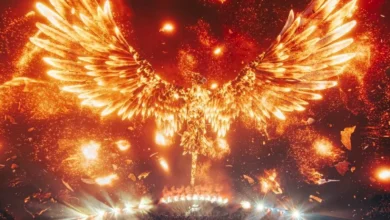
Within TouchDesigner, the visual system was meticulously developed to establish a direct, parametric link between auditory input and visual output. Sound frequencies, detected and analyzed in real-time, were mapped to control various visual parameters. For instance, low frequencies might trigger broad, sweeping movements or deep, resonant color changes, while high frequencies could manifest as intricate, rapidly changing patterns or sharp, defined edges. Dynamics, such as volume and intensity, played a crucial role in controlling transitions and timing. A sudden increase in volume could trigger an abrupt visual shift or an explosion of particles, while a gradual diminuendo might lead to a slow dissipation or a smooth morphing of forms. Visual behaviors—ranging from the speed of particle emission to the complexity of geometric patterns and the fluidity of transformations—were all dynamically influenced by the incoming audio stream.
This sophisticated mapping within TouchDesigner allowed for a delicate balance between "control and unpredictability." Oliveira, as the artist and developer, designed the underlying "structured design"—the rules, algorithms, and aesthetic parameters that govern the visual language. However, the "performative input" from the musicians introduced an element of organic unpredictability. The system responded faithfully to the musicians’ spontaneous interpretations, ensuring that no two performances, even with the same instrument, would be identical. This interplay between algorithmic structure and human improvisation is a hallmark of cutting-edge generative art, distinguishing it from purely automated or entirely manual processes. TouchDesigner’s versatility also allows for integration with various hardware and software, making it a preferred tool for large-scale installations, live concert visuals, and interactive experiences, further cementing its role in pushing the boundaries of real-time digital art. The software’s extensive community and continuous development also ensure artists have access to a wealth of resources and evolving capabilities, fostering further innovation.
Atlas Festival: A Beacon for Creative Innovation in Lisbon
The selection of Atlas Festival as the initial platform for "Reel 2026" is indicative of the festival’s significant standing within the European digital arts landscape. Atlas Festival, held annually in Lisbon, has cultivated a reputation as a vibrant hub for showcasing the convergence of art, science, and technology. It serves as a vital meeting point for artists, technologists, academics, and the public, fostering dialogue and collaboration around new media, interactive installations, virtual reality, and real-time performance.
Lisbon itself has rapidly emerged as a burgeoning center for creative industries and technological innovation. Supported by a thriving startup ecosystem, a growing community of digital nomads, and robust investment in cultural initiatives, the city has become a fertile ground for experimental art forms. Festivals like Atlas play a crucial role in this ecosystem, providing artists with the infrastructure, audience, and visibility necessary to present complex, often resource-intensive, projects. For "Reel 2026," Atlas offered not just a stage, but a context—a space where audiences are primed to engage with works that challenge traditional artistic boundaries and explore the frontier of technological possibility. The festival’s commitment to supporting experimental projects aligns perfectly with the ethos of "Reel 2026," which prioritizes process, interaction, and the exploration of novel artistic methodologies over static, predetermined outcomes. Such festivals are instrumental in democratizing access to cutting-edge art and fostering a sense of community among practitioners and enthusiasts alike.
The Evolution of Real-Time Audio-Visual Art: A Historical Perspective
The concept of integrating sound and visuals in a dynamic, responsive manner has a rich history, predating modern digital tools. From early experiments with color organs in the early 20th century, which attempted to translate musical notes into corresponding light patterns, to the psychedelic light shows of the 1960s, artists have long sought to create synesthetic experiences. The advent of video art in the 1970s and the rise of VJ culture in the 1990s pushed these explorations further, with artists manipulating video feedback and pre-recorded loops in response to live music.
However, the late 20th and early 21st centuries witnessed a paradigm shift with the proliferation of powerful, accessible computing. Software like Max/MSP, Pure Data, Isadora, and later, TouchDesigner, enabled artists to move beyond mere synchronization to true generative art, where visuals are not simply played back but are created in real-time by algorithms responding to live data streams, including audio. This transition marked a move from reactive visuals to truly interactive and generative systems.
Today, real-time audio-visual performance is a cornerstone of digital art, live entertainment, and experiential marketing. Artists and developers are increasingly employing sophisticated techniques, often incorporating machine learning, procedural generation, and immersive projection mapping, to create environments that are not only visually stunning but also dynamically responsive to human interaction and environmental data. "Reel 2026" fits squarely within this lineage, representing the current apex of real-time audio-visual synthesis, demonstrating a highly refined approach to mapping complex sonic information onto equally complex and aesthetically compelling visual forms. The growth of this field is also driven by increased computational power in consumer-grade hardware, making such advanced techniques more accessible to a wider range of creators.
Implications for Motion Design and Beyond: A Glimpse into the Future
João Vaz Oliveira’s "Reel 2026" carries significant implications, not only for the niche of experimental digital art but also for the broader industries of motion design, live performance, and interactive media.
For the motion design industry, projects like "Reel 2026" highlight a growing shift from traditional, linear animation workflows to more generative and real-time methodologies. This could lead to:
- New Production Paradigms: Motion designers might increasingly become system designers, crafting robust frameworks that generate dynamic content rather than meticulously animating every frame. This allows for greater flexibility and faster iteration.
- Enhanced Interactivity: The ability to create visuals that directly respond to external inputs opens up new avenues for interactive installations, branding experiences, and user interfaces that are truly alive and responsive.
- Personalized Content: In the future, generative systems could allow for highly personalized visual experiences, adapting to individual user inputs or preferences in real-time.
In the realm of live performance and entertainment, the work exemplifies the potential for deeper audience engagement:
- Immersive Concert Experiences: Artists and concert designers can create visual spectacles that are intrinsically linked to the music, making each performance unique and unforgettable.
- Interactive Theatrical Productions: Generative visuals could respond to actors’ movements, vocal tones, or even audience reactions, blurring the lines between stage design and dynamic storytelling.
More broadly, "Reel 2026" contributes to the ongoing conversation about the future of artistic expression in a technologically advanced world:
- Democratization of Creativity: As tools like TouchDesigner become more accessible, artists from diverse backgrounds can explore complex ideas without needing extensive traditional animation skills.
- Redefining Authorship: The collaboration between human performer and algorithmic system raises questions about authorship and the role of the artist as both a designer of systems and a conductor of live interactions.
- Educational Impact: Such projects serve as powerful case studies for students and aspiring artists, illustrating the possibilities of combining creative vision with computational thinking.
The trajectory suggested by "Reel 2026" points towards a future where art is not just seen or heard, but experienced as a dynamic, living entity, constantly in flux and responsive to its environment. The integration of AI and machine learning with generative systems is the next frontier, promising even more sophisticated and autonomous artistic creations that can learn, adapt, and evolve.
Artist Profile: João Vaz Oliveira’s Vision
João Vaz Oliveira, as the artist behind "Reel 2026," demonstrates a profound understanding of both aesthetic principles and complex computational systems. His work reflects a clear artistic philosophy centered on the exploration of emergent behavior, where simple rules and inputs can lead to incredibly complex and beautiful outcomes. Oliveira positions technology not merely as a tool for replication, but as a creative partner, enabling the realization of concepts that would be impossible through traditional means. His expertise in TouchDesigner and his ability to translate abstract musical concepts into tangible visual forms mark him as a leading voice in the contemporary digital art movement. His contributions inspire other artists to embrace the interdisciplinary nature of modern creative practice, encouraging them to bridge the gap between code and canvas, algorithm and artistry.
Accessing the Full Experience
For those interested in delving deeper into the intricacies of "Reel 2026" and experiencing the diverse interpretations firsthand, João Vaz Oliveira has made all three distinct reels—Drums, Piano, and Handpan—available for public viewing. These presentations offer a compelling testament to the system’s versatility and the profound impact of different musical inputs on the visual narrative. Additionally, a behind-the-scenes look at the project provides invaluable insight into the creative process, the technical challenges overcome, and the sophisticated development that underpins this groundbreaking work. All content can be explored on his official website: vazoliveira.com/portfolio/reel2026/.
Credits:
Artist: João Vaz Oliveira
Visual System: TouchDesigner
First presented at: Atlas Festival, Lisbon
LinkedIn: João Vaz Oliveira
Instagram: @joao_vazoliveira
In conclusion, "Reel 2026" by João Vaz Oliveira is more than just an experimental motion design piece; it is a profound statement on the future of real-time audio-visual synthesis. By seamlessly blending sophisticated technology with human performance, Oliveira has created a dynamic work that not only pushes artistic boundaries but also offers a glimpse into the immersive, interactive, and ever-evolving landscape of digital creativity. Its impact resonates across multiple domains, inspiring new approaches to art, entertainment, and human-computer interaction, cementing its place as a significant contribution to the evolving narrative of digital art.