
After Phone Throwing Incident Kanye West Now Using A Less Destructive Way To Handle Unwanted Photographers
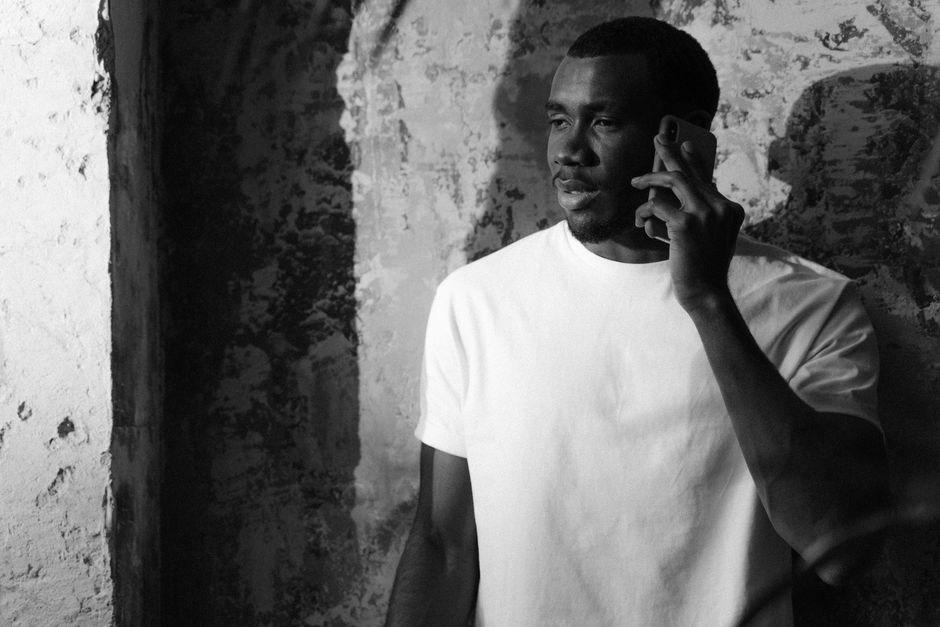
Kanye West’s Evolving Tactics: From Physical Confrontation to Strategic Disengagement with Unwanted Photographers
The public’s perception of Kanye West’s interactions with paparazzi has undergone a significant shift, moving from the highly publicized and often criticized incidents of physical confrontation to a more calculated and arguably less destructive approach. The infamous phone-throwing incident, where West snatched and damaged a photographer’s device, remains a stark reminder of a period marked by volatile reactions to perceived intrusions. This event, widely reported and debated, cemented an image of the artist as someone prone to explosive outbursts when faced with persistent paparazzi. However, in the years since, observers have noted a discernible change in his methodology. While the underlying desire for privacy likely remains, the manifestation of that desire has evolved, reflecting a potential internalization of the consequences associated with aggressive physical engagement. This evolution isn’t necessarily about a newfound serenity, but rather a strategic recalibration, possibly influenced by legal repercussions, public backlash, and a growing understanding of how to navigate the complex relationship between celebrity and media in the digital age. The shift from direct physical intervention to more nuanced forms of disengagement signifies a more mature, albeit still assertive, handling of an ever-present challenge in the life of a high-profile figure.
The physical altercations, epitomized by the phone-throwing incident, served as a potent symbol of unchecked frustration. These confrontations often stemmed from a feeling of being constantly hounded, a relentless barrage of camera flashes and intrusive questions that chipped away at personal space. The immediate, visceral reaction of snatching and damaging equipment, while undeniably dramatic and capturing headlines, carried significant downsides. Legally, such actions exposed West to potential lawsuits and criminal charges, as evidenced by past legal entanglements. Publicly, these outbursts fueled negative narratives, portraying him as erratic and difficult, further polarizing opinions and potentially impacting his brand. The damage, in essence, extended beyond the physical object; it was an assault on his public image, a self-inflicted wound that amplified the very scrutiny he sought to escape. Understanding the full spectrum of consequences, from legal ramifications to the court of public opinion, likely played a crucial role in prompting a reevaluation of his response mechanisms. This period of aggressive reactions, while visually striking, ultimately proved to be a less effective long-term strategy for managing the constant presence of paparazzi.
The transition away from direct physical confrontations with photographers marks a significant turning point in Kanye West’s public persona and his management of media interactions. This evolution is not a sudden abandonment of his desire for privacy, but rather a strategic refinement of his methods. Instead of engaging in physical altercations, which carry a high risk of legal repercussions and negative publicity, West appears to be adopting a more measured approach that prioritizes de-escalation and strategic avoidance. This shift can be observed in several ways, including a greater emphasis on bodyguards acting as intermediaries, the use of less confrontational verbal responses, and a more conscious effort to avoid situations that are likely to provoke intense paparazzi attention. The effectiveness of these new tactics lies in their ability to achieve a similar outcome – maintaining personal space and minimizing intrusive documentation – without the attendant risks and negative fallout associated with physical aggression. This is a more sophisticated form of engagement, acknowledging the power dynamics at play and seeking to navigate them with greater control and less collateral damage.
One of the most evident changes in West’s approach is the increased reliance on his security detail to act as a buffer zone. Rather than personally confronting photographers, his security team is now more frequently tasked with creating physical barriers, politely but firmly instructing photographers to step back, and escorting him through crowded areas. This delegation of direct confrontation serves multiple purposes. Firstly, it allows West to maintain a degree of detachment from the immediate situation, preventing him from being drawn into a heated exchange. Secondly, it shifts the onus of direct interaction to individuals whose role is specifically to manage such scenarios, potentially diffusing tension before it escalates. The security personnel, trained in crowd control and de-escalation, are equipped to handle the persistence of paparazzi in a manner that is less likely to result in legal trouble for West. This strategic use of security not only protects his personal space but also shields him from being directly implicated in any aggressive actions, thus mitigating the risk of negative headlines and potential legal ramifications. This is a more controlled and professionalized approach to managing unwanted attention.
Furthermore, reports and observations suggest a shift towards less confrontational verbal responses when direct interaction is unavoidable. While West has never been known for his reticence, the explosive outbursts of the past appear to be largely replaced by more measured, albeit still firm, statements. This could involve direct requests for space, the assertion of his right to privacy, or even a stoic silence. This departure from aggressive rhetoric is a crucial aspect of his evolving strategy. Verbal confrontations, even without physical contact, can still escalate situations and attract negative media attention. By opting for more controlled and less inflammatory language, West diminishes the sensationalism that often surrounds his interactions with the press. This doesn’t imply an absence of frustration, but rather a more strategic channeling of that frustration into communication that is less likely to be misconstrued or sensationalized. It’s a subtle but significant recalibration in his public engagement, demonstrating an awareness of how words, like actions, can have far-reaching consequences.
The concept of strategic avoidance has also become more prominent in West’s repertoire. This involves a conscious effort to minimize exposure in situations where paparazzi presence is highly probable. This could translate to altered travel plans, the use of private transportation, or simply choosing to refrain from attending events that are known to attract significant media attention. This proactive approach to managing his public visibility is a departure from reacting to intrusions once they occur. By actively seeking to avoid such encounters, West reduces the opportunities for conflict and the need for any form of confrontational response. This demonstrates a more sophisticated understanding of how to manage the celebrity-environment dynamic. It’s about controlling the narrative by controlling access and exposure, thereby diminishing the power of the paparazzi to dictate the terms of engagement. This preventative strategy is arguably the most effective, as it sidesteps the problem entirely rather than attempting to resolve it in the heat of the moment.
The digital age has amplified the impact of every interaction, and West’s evolution can be seen as a response to this heightened scrutiny. The rapid dissemination of images and videos captured by smartphones means that any aggressive act can be instantly shared globally, leading to swift and widespread condemnation. This increased transparency and immediate public judgment likely serves as a powerful deterrent against repeating past behaviors. The consequences are no longer confined to local news cycles but can become viral sensations, impacting reputation on a global scale. This understanding of the modern media landscape necessitates a more calculated approach. The less destructive methods employed now are not necessarily born out of a complete change of heart, but rather a pragmatic recognition of the amplified repercussions in the digital era. The focus shifts from immediate emotional release to long-term reputational management.
In conclusion, Kanye West’s transition from physically confronting photographers to employing less destructive methods signifies a significant evolution in his approach to managing unwanted media attention. The shift from the impulsive and aggressive to the strategic and controlled is a testament to a growing understanding of the multifaceted consequences associated with public altercations. This recalibration, driven by legal risks, public perception, and the amplified power of digital media, showcases a more nuanced and arguably more effective strategy for navigating the persistent challenges of celebrity in the modern era. The emphasis on security as a buffer, less confrontational verbal engagement, and proactive avoidance all contribute to a methodology that prioritizes preserving personal space and managing public image with a reduced risk of self-inflicted damage. This evolution, while not necessarily indicating a mellowing of his personality, demonstrates a mature adaptation to the complexities of his public life.
