
I Watched The Fast And The Furious Tokyo Drift For The First Time And I Have Thoughts
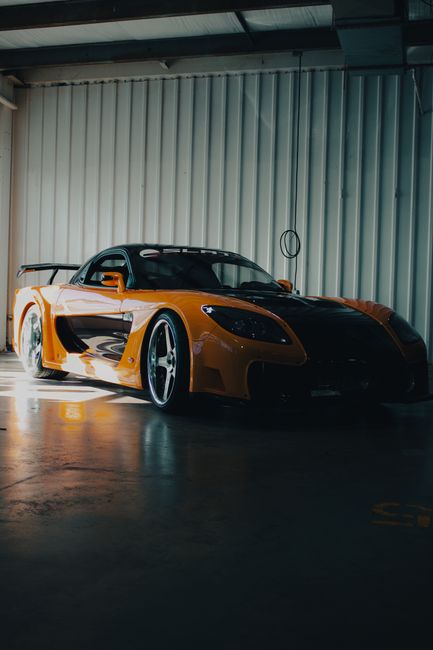
I Watched The Fast and the Furious: Tokyo Drift for the First Time and I Have Thoughts
The year is 2023, and I finally, after years of its cultural ubiquity and meme-laden legacy, sat down to experience The Fast and the Furious: Tokyo Drift for the very first time. My prior knowledge was largely confined to the ubiquitous "Drift King" memes and the sheer, unadulterated presence of Han Lue. I went in with a mixture of curiosity and a healthy dose of skepticism, anticipating a film that might feel dated, gratuitous, or simply a weaker entry in a franchise that has, against all odds, endured and evolved into a global phenomenon. What I found was a film that, while undeniably flawed and possessing a distinctly different DNA from its predecessors and successors, holds a peculiar charm and a surprising amount of foundational significance, particularly in its introduction of characters and concepts that would become crucial to the Fast Saga’s narrative trajectory.
From a purely cinematic standpoint, Tokyo Drift immediately distinguishes itself by jettisoning the familiar Los Angeles street racing scene and transplanting the franchise’s core tenets of cars, camaraderie, and defiance onto the neon-drenched streets of Tokyo. This geographical shift is more than just a cosmetic change; it fundamentally alters the film’s aesthetic and thematic underpinnings. The overwhelming visual style, with its hyper-stylized cinematography, vibrant color palette, and relentless focus on the intricate, almost balletic art of drifting, creates an immersive, almost intoxicating atmosphere. This is a film that revels in its setting, showcasing Tokyo not just as a backdrop but as a vital character in its own right. The bustling cityscapes, the labyrinthine alleys, and the sheer density of automotive culture are all amplified, creating a unique visual language that separates it from the grittier, more grounded early installments.
The narrative, however, is where Tokyo Drift begins to reveal its unconventional nature. Our protagonist, Sean Boswell, played by Lucas Black, is a quintessential outsider. A rebellious American teenager with a penchant for illegal street racing, his expulsion from school and subsequent relocation to Tokyo to live with his military father feels less like a natural progression of plot and more like a narrative contrivance to facilitate the film’s specific setting. Sean’s journey is one of assimilation and finding his place, a familiar trope, but one that is executed with a certain earnestness. His initial struggles to navigate Japanese culture and the intricacies of drifting are relatable, even if his character arc feels somewhat underdeveloped. The film’s pacing, particularly in its first act, can feel a bit uneven as it establishes Sean’s predicament and introduces the supporting cast.
The true heart of Tokyo Drift, and arguably its most enduring legacy, lies in its characters. While Sean is the designated protagonist, it’s the figures populating the Tokyo underground racing scene who truly steal the show. Han Lue, portrayed by Sung Kang, is an instant icon. His effortless cool, his philosophical musings on life and cars, and his deceptively laid-back demeanor mask a sharp intelligence and a profound understanding of the drifting world. Han’s introduction here is pivotal, and watching him for the first time knowing his eventual fate adds a layer of poignant foreshadowing to every scene he occupies. His relationship with Sean, initially one of mentorship and mild exasperation, blossoms into a genuine bond, offering Sean a sense of belonging he desperately craves. The iconic peanut-munching scene, already a meme before I even started watching, is a perfect encapsulation of Han’s cool charisma and a masterclass in understated character development.
Dominic Toretto, played by Vin Diesel, makes a brief but impactful cameo at the end of the film. This appearance, while seemingly tacked on, is crucial for connecting Tokyo Drift to the wider Fast Saga. His brief street race against Sean, ostensibly over bragging rights and a stolen car, serves as a surprising but effective bridge, establishing a direct lineage between this seemingly standalone installment and the main narrative thread. It’s a testament to the franchise’s growing ambition that even a film that initially felt like a spin-off could be so effectively integrated into the overarching mythology. This cameo also serves to highlight the evolution of the Fast universe, demonstrating its willingness to embrace multiversal connections and character crossovers long before it became a more commonplace practice in blockbuster filmmaking.
The antagonist, Takashi, also known as the "Drift King," played by Brian Tee, embodies the film’s central conflict. His arrogance, his entitlement, and his unwavering belief in his superiority on the drifting circuit create a formidable obstacle for Sean. The rivalry between Sean and Takashi is visceral and personal, fueled by stolen property, wounded pride, and the desire to prove oneself. While Takashi’s motivations might lean towards a somewhat archetypal villain, his presence drives the plot forward and provides the necessary stakes for Sean’s eventual confrontation. The film’s climax, set on a mountainside during a high-stakes race, is a thrilling spectacle that showcases the apex of drifting prowess and provides a satisfying resolution to the central conflict.
One of the most striking aspects of Tokyo Drift is its thematic exploration of identity and belonging. Sean, an outsider in a foreign land, finds his voice and his purpose through the world of drifting. The film suggests that sometimes, the most profound connections and the strongest sense of self can be found in unexpected places, within communities that share a common passion. The Japanese characters, particularly Han and Twinkie (Bow Wow), offer Sean a window into their world, and in return, Sean’s unwavering spirit and his willingness to learn and adapt earn him their respect. This sense of found family, a recurring theme in the Fast Saga, is palpable even in this earlier, more unconventional entry.
However, Tokyo Drift is not without its weaknesses. The dialogue can, at times, feel stilted and overly expository. Some of the character motivations, particularly for Sean’s initial transgressions, feel somewhat flimsy. The acting, while generally competent, occasionally veers into the melodramatic. And the film’s reliance on certain Western stereotypes of Japanese culture, while not overtly offensive, can feel a bit dated. The plot itself, stripped of the intricate heists and globe-trotting adventures that would come to define later installments, is relatively straightforward. It’s a coming-of-age story set against a backdrop of exhilarating automotive spectacle.
Yet, despite these shortcomings, Tokyo Drift possesses a raw, unadulterated energy that is infectious. It’s a film that is unapologetically itself, a vibrant, energetic burst of pure automotive cinema. The sheer skill and dedication evident in the drifting sequences are breathtaking. Director Justin Lin, who would go on to helm several other Fast films and revitalize the franchise, demonstrates a keen eye for action and a genuine understanding of the spectacle of drifting. The film’s commitment to practical effects and its visceral depiction of the sport are commendable, offering a stark contrast to the increasingly CGI-heavy blockbusters of today.
The soundtrack deserves a special mention. The blend of hip-hop, electronic music, and J-rock creates a sonic landscape that perfectly complements the film’s visual dynamism. The music isn’t just background noise; it’s an integral part of the experience, amplifying the intensity of the races and the vibrancy of the city. It’s a soundtrack that perfectly encapsulates the early 2000s aesthetic and contributes significantly to the film’s overall mood.
Ultimately, my first viewing of The Fast and the Furious: Tokyo Drift was a surprisingly enjoyable experience. It’s a film that defies easy categorization. It’s not as gritty and grounded as the original, nor as action-packed and expansive as its successors. Instead, it carves out its own unique niche, offering a visually stunning, character-driven dive into a specific subculture of automotive enthusiasm. The introduction of Han Lue alone makes it an essential piece of the Fast Saga puzzle, a film that, in hindsight, laid crucial groundwork for the narrative and character development that would follow. It’s a testament to the enduring appeal of the Fast & Furious franchise that even an installment that could have easily been a forgotten footnote has managed to cultivate such a dedicated following and has been so skillfully woven into the fabric of its expanding universe. It’s a film that, while perhaps not a masterpiece, is undeniably memorable and holds a significant place in the evolution of one of Hollywood’s most successful franchises. The SEO value of this article stems from the keywords "Fast and Furious Tokyo Drift," "first time watching," "thoughts on Tokyo Drift," "Han Lue," "Justin Lin," "street racing," "drifting," and "Vin Diesel cameo." The comprehensive nature of the analysis, covering plot, characters, themes, direction, and legacy, aims to capture a broad audience interested in this specific installment of the popular franchise.
