
Flash Star Thought She Nailed Her Pirates Of The Caribbean Audition She Was Very Very Wrong
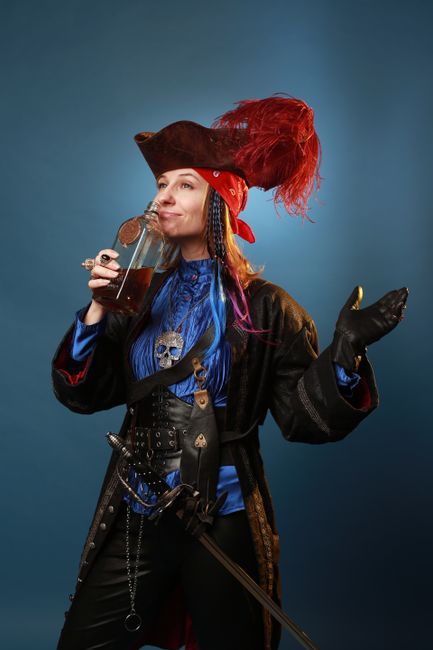
The "Nail" That Broke: How a Flash Star’s Pirates of the Caribbean Audition Went So Terribly Wrong
The allure of blockbuster franchises is undeniable, and for any actor, a role in a film like Pirates of the Caribbean represents a colossal career leap. For one particular star, a name synonymous with a beloved, fast-paced superhero saga, the opportunity to don a tricorn hat and wield a cutlass felt not just within reach, but a sure thing. This flash star, brimming with the confidence born of previous success and a perceived understanding of the character’s essence, walked into their Pirates audition believing they had not just met expectations, but comprehensively exceeded them. They were, in essence, convinced they had nailed it. The reality, however, was a stark and humbling disconnect, a masterful demonstration of how even seasoned performers can misread the room, misinterpret the script, and ultimately, miss the mark with devastating finality. This is the story of a seemingly guaranteed role that evaporated, a testament to the subtle, often unforgiving nuances of casting and the delicate art of embodying iconic characters.
The Pirates of the Caribbean franchise, at its inception, was a gamble. Disney, a studio steeped in animation and family-friendly fare, was venturing into a grittier, more adventurous territory. The key to its unexpected success lay not just in the swashbuckling action or the fantastical elements, but in the creation of truly memorable, larger-than-life characters. Captain Jack Sparrow, brought to inimitable life by Johnny Depp, was the undeniable lynchpin. His eccentricities, his moral ambiguity, his drunken swagger – these were the ingredients that transformed a potentially generic pirate tale into a cultural phenomenon. When casting for subsequent films or potential spin-offs began, the pressure was immense to find actors who could either complement Depp’s performance or introduce new characters with a similar magnetic appeal. This particular flash star, whose previous work had established them as a charismatic and dynamic presence on screen, likely saw the Pirates audition as a golden ticket, an opportunity to inject their distinct energy into this already beloved universe. Their confidence stemmed from a perceived alignment with the spirit of the franchise, a belief that their inherent star power and their established on-screen persona were already 80% of the battle won.
The disconnect likely began with a fundamental misunderstanding of what the Pirates casting directors and producers were actively seeking. While the flash star possessed undeniable charisma and a proven ability to command attention, their performance style, honed by their previous superhero role, was probably too defined, too rigid. The superhero genre often demands a certain gravitas, a clear moral compass (even if it wavers), and a more overt, often bombastic, delivery of lines. The flash star’s previous success was likely built on a foundation of strong, unwavering physicality and a clear emotional through-line, often characterized by a precise, almost calculated intensity. This, however, is precisely what the Pirates world, particularly in its most iconic characters, did not require. Captain Jack Sparrow, for all his bravado, was a master of improvisation, of feigned incompetence, of a fluid, unpredictable nature. His charm lay in his very instability, his ability to shift from cunning strategist to bumbling fool in the blink of an eye. The flash star, accustomed to the more structured and often less nuanced emotional landscapes of their previous work, may have interpreted the Pirates audition as a chance to inject a similar level of forceful presence, but failed to grasp the need for a more mercurial, less overtly controlled performance.
The audition itself, therefore, likely became a stage for a performance that, while technically proficient and delivered with conviction, was fundamentally misaligned with the desired tone. Imagine the scene: the flash star, dressed in their audition best, probably projecting the same confident swagger that had served them so well before. They would have undoubtedly delivered their lines with power and conviction, their voice ringing with authority. The problem wasn’t a lack of talent; it was a lack of appropriateness. The producers and casting directors were likely searching for actors who could embody a certain devil-may-care attitude, a subtle sense of danger lurking beneath a veneer of roguish charm, and an almost improvisational quality to their delivery. The flash star’s performance, born from a different acting lineage, might have come across as too polished, too rehearsed, too heroic in a way that was antithetical to the Pirates ethos. They might have approached the character with the same kind of unshakeable conviction they’d brought to their superhero role, failing to understand that in the world of pirates, conviction was often a carefully constructed facade, a means to an end, and not an inherent trait.
Furthermore, the specific nuances of the Pirates dialogue and character interactions likely proved challenging. The witty banter, the double entendres, the understated menace – these elements require a finely tuned ear and a willingness to play with subtext. A performance built on broad strokes and clear emotional declarations would struggle to navigate these subtleties. The flash star, perhaps, focused on the action of being a pirate – the swagger, the gruff voice, the imagined sword fights – rather than the essence of the character. They might have been so focused on embodying the idea of a pirate that they overlooked the specific demands of the script and the unique comedic and dramatic rhythm established by the franchise. Their confidence, while a valuable asset in many situations, might have blinded them to the subtle adjustments required for this particular role. They were playing the flash star, not the pirate as envisioned by the Pirates creative team.
The feedback, when it eventually came, must have been a bitter pill to swallow. The polite rejection, the vague explanations about finding someone "more aligned with the vision," would have been a stark contrast to the internal conviction of having “nailed it.” The star likely left the audition room feeling a surge of triumph, picturing themselves on a pirate ship, the wind in their hair, a profitable franchise ahead. The reality was that their interpretation, while perhaps commendable in its own right, was simply not what the project demanded. The Pirates of the Caribbean franchise, and particularly its central characters, thrive on a very specific brand of charisma that blends roguish charm with a hint of danger and a healthy dose of theatricality. It’s a style that requires a performer to be both a compelling presence and a master of subtle shifts in tone and intention. The flash star, with their established persona built on a different set of performance pillars, might have been too committed to their pre-existing brand to effectively shed it for the audition.
The lesson here extends beyond the realm of acting and into the broader landscape of career aspirations. It underscores the critical importance of understanding the specific demands of any opportunity, regardless of one’s past successes. While confidence is a powerful driver, it must be tempered with humility and a willingness to adapt. The flash star’s experience serves as a poignant reminder that even the most talented individuals can falter when they fail to grasp the unique requirements of a role or project. Their conviction that they "nailed it" highlights a common pitfall: the danger of projecting one’s own established strengths onto a situation where those strengths, if not appropriately recontextualized, can become hindrances. The Pirates of the Caribbean casting process, like many in Hollywood, is not merely about raw talent; it’s about finding the right talent for the right role, and sometimes, the most confident performances are the ones that stray too far from the intended path. The star’s flash in the pan for this particular opportunity was, unfortunately, a flash of an entirely different light than what the pirates required. The echo of their conviction, so strong in their own mind, was a silent miss in the ears of those who held the keys to the Black Pearl.
