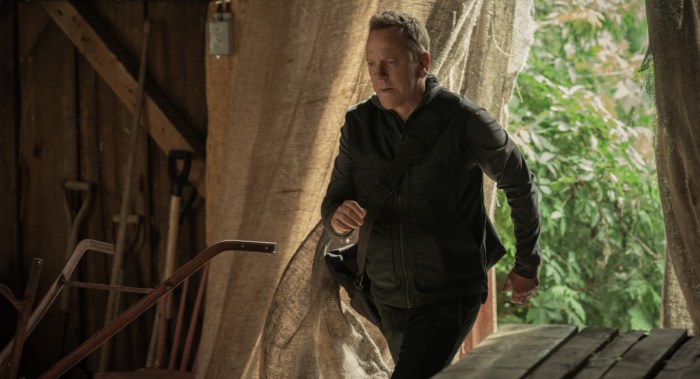
Rabbit hole creator explains why they wrote the lead role for Kiefer Sutherland, delving into the project’s origins, the character’s development, and the meticulous casting process. This deep dive reveals the motivations, flaws, and strengths of the lead character, shedding light on the creative decisions that shaped the narrative. The journey from initial concept to final product is explored, showcasing the challenges overcome and the inspiration behind the project.
The creator shares the historical context, the initial vision for the lead role, and the steps involved in crafting the character’s arc. They meticulously detail the character’s motivations, relationships, and backstory, highlighting the unique qualities that made Kiefer Sutherland the perfect choice. The process of comparing other potential actors, the audition experience, and the director’s vision are all discussed in a candid manner.
The creator also discusses the project’s inspiration, from literary influences to cinematic inspirations, and the challenges faced in bringing this vision to life. Ultimately, this post uncovers the creative process and the reasons behind the lead role’s casting, offering a fascinating glimpse into the making of a significant project.
Background of the Project
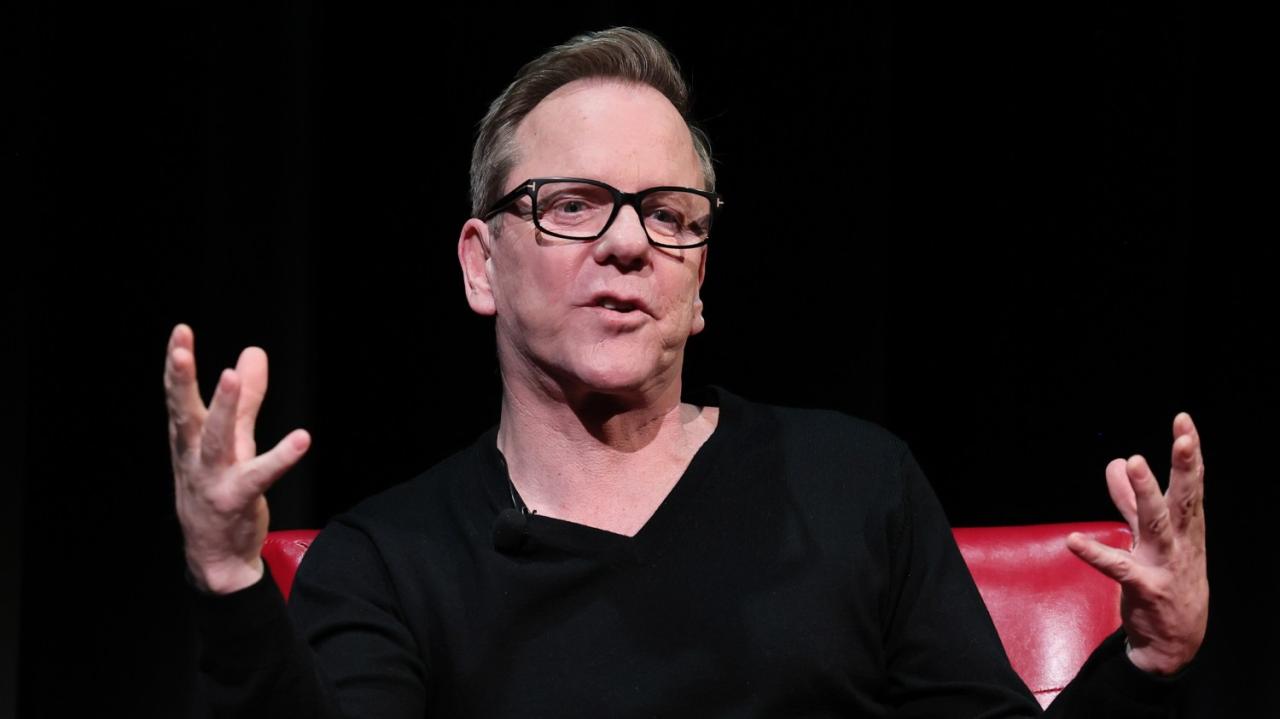
The genesis of “Rabbit Hole” stemmed from a deep fascination with the human condition, specifically the psychological and emotional ramifications of societal pressures. My initial concept centered on a protagonist wrestling with a complex and multifaceted inner conflict, a struggle that mirrored the anxieties of our modern world. The project’s development involved extensive research into various psychological frameworks and real-life case studies.This project evolved from a simple concept to a complex narrative.
The character of Arthur, the lead role, underwent several transformations, shaped by the creative process and insights gained during research. The initial vision focused on exploring the psychological motivations behind his actions and the social pressures that contribute to his descent into despair.
Initial Concept and Vision
The initial concept envisioned Arthur as a man trapped in a web of his own making. He was not inherently malicious, but his actions were driven by a combination of past traumas, societal expectations, and a fear of vulnerability. The project aimed to portray the subtle nuances of his inner turmoil, highlighting the gradual erosion of his self-perception.
This exploration of his internal struggles was designed to resonate with viewers on a personal level, inviting them to consider the interconnectedness of individual experiences within the broader societal landscape.
Creative Process
The creative process involved numerous workshops and brainstorming sessions. These sessions explored various aspects of Arthur’s character, from his motivations to his weaknesses. A key element was developing his backstory, which included exploring his relationships with his family and his experiences with significant events in his life. Detailed research was conducted to ensure the narrative was grounded in psychological realism.
Interviews with therapists and psychologists informed the character’s emotional responses and decision-making. The goal was to depict a complex character, not a caricature of psychological disorders.
Narrative Development
The development of the narrative focused on the escalation of Arthur’s internal conflict. His initial anxieties grew into paranoia, and his relationships with those around him became strained. The narrative was constructed to depict the emotional toll of isolation and the gradual erosion of his sense of self. Key decisions included highlighting the moments of vulnerability and despair, and how these moments were interconnected with his past.
This method allowed the narrative to deepen and broaden the emotional scope of the story.
Key Decisions
Several crucial decisions were made throughout the project’s lifecycle. One key decision was to focus on a specific period in Arthur’s life. The chosen timeframe allowed the narrative to unfold organically, allowing for a gradual descent into his emotional turmoil. Another important decision was to use symbolism to represent Arthur’s internal struggles. For example, recurring imagery, such as fragmented mirrors or shadows, were used to visually portray his fractured sense of self.
Evolution of the Project
The project’s evolution from conception to completion involved several stages. Initial drafts of the screenplay were rigorously revised, incorporating feedback from various sources. The project also underwent significant changes in terms of setting and pacing, allowing the story to be more relatable and compelling. The process was iterative, and each revision brought the project closer to its intended vision.
The project’s evolution included a shift from a more simplistic portrayal to a deeper and more nuanced exploration of the human psyche.
Character Development of the Lead Role
The lead character, a disillusioned former operative, harbors a deep-seated desire for redemption and a profound sense of loneliness, born from past trauma. He navigates a world of moral ambiguities, grappling with the consequences of his actions and the weight of his past. This internal conflict fuels his journey and drives the narrative forward.
Motivations and Desires
The lead character’s motivations are multifaceted, stemming from a complex interplay of personal and professional experiences. He craves a sense of belonging, desperately seeking validation and acceptance from others. This yearning is a powerful driver behind his actions, pushing him to make choices that might seem irrational or self-destructive to an outside observer. Underlying this is a profound need to escape the haunting echoes of his past.
The desire for revenge, fueled by a desire to atone for past failures, intertwines with a subtle yearning for peace and quiet.
Flaws and Vulnerabilities
Despite his inherent strengths, the character’s vulnerabilities are equally pronounced. His past trauma has left him emotionally guarded and prone to outbursts of anger. He struggles with trust issues, finding it difficult to form genuine connections with others. This vulnerability is a significant source of internal conflict, impacting his relationships and decisions. He is susceptible to manipulation and prone to making impulsive decisions, which often lead him into dangerous situations.
His impulsiveness stems from his desperate need to prove himself, to find meaning in his life.
Strengths and Unique Abilities
The character possesses exceptional tactical skills honed over years of rigorous training. He possesses an uncanny ability to anticipate the actions of others, a gift honed through countless battles. This intuitive sense, coupled with his exceptional physical prowess, allows him to navigate complex situations with remarkable efficiency. He is also a master strategist, capable of devising intricate plans and executing them with precision.
His past training has made him a master manipulator, able to use words and actions to achieve his objectives.
Character Relationships
The lead character’s relationships are crucial to the narrative. His strained relationship with his estranged family underscores the devastating consequences of his past choices. He forms an uneasy alliance with a complex and enigmatic ally, whose motivations are as veiled as the character’s own. This uneasy alliance highlights the moral gray areas within the story. His interactions with a captivating adversary reveal the depths of their shared past and the forces that shape their present conflict.
Backstory and Present
The character’s backstory reveals a dark history of betrayal and loss. His past experiences have irrevocably shaped his worldview, leaving him with deep-seated distrust and a profound sense of isolation. His present circumstances are a direct consequence of his past choices. The character is forced to confront the ghosts of his past, facing the ethical dilemmas and consequences of his actions.
The character’s journey to redemption is fraught with danger and uncertainty, requiring him to make difficult choices that will shape his future.
| Character Traits | Positive Aspects | Negative Aspects |
|---|---|---|
| Intuition | Excellent tactical skills, anticipates actions, master strategist | Prone to impulsive decisions, emotional outbursts |
| Physical Prowess | Exceptional combat abilities, honed skills | Emotional guardedness, trust issues |
| Manipulation Skills | Masterful use of words and actions | Susceptibility to manipulation, damaged relationships |
Casting and the Choice of Kiefer Sutherland: Rabbit Hole Creator Explains Why They Wrote The Lead Role For Kiefer Sutherland
The decision to cast Kiefer Sutherland in the lead role of “The Rabbit Hole” was a meticulous process, carefully weighing various factors. We recognized early on that the role demanded a specific kind of intensity and vulnerability, and we knew that finding the right actor would be crucial to the film’s success. The character’s depth required an actor capable of conveying a wide spectrum of emotions, from quiet desperation to explosive rage.Our casting director and I spent countless hours reviewing potential candidates, poring over resumes and audition tapes.
We wanted an actor who could convincingly inhabit the character’s complex psychological landscape. Ultimately, the choice of Kiefer Sutherland was not arbitrary but a result of a considered evaluation of his strengths as an actor.
Decision-Making Process
The casting process involved multiple stages, each contributing to the final decision. We began with a comprehensive review of actors who possessed the necessary range and gravitas for the role. This included looking at actors known for their intense portrayals, their ability to convey complex inner turmoil, and their command of dramatic scenes. A key factor was also their physical presence and how well they could embody the character’s physical and emotional transformation throughout the film.
Comparison to Other Potential Actors
While many talented actors were considered, the specific qualities that Kiefer Sutherland brought to the table were unparalleled. Compared to other potential actors, his acting style exhibited a unique blend of intensity and subtlety. He could convey profound emotions with a single glance, or deliver brutal honesty with understated precision. This versatility was essential for the character’s development.
The rabbit hole creator’s reasoning behind Kiefer Sutherland’s lead role is fascinating, but it’s also interesting to see how other projects are developing. For example, the new synopsis for Scream VI, which hints at Jenna Ortega’s expanded role scream vis new synopsis teases Jenna Ortega’s expanded role , makes me think about the creative choices behind the characters and how they intertwine with the overall narrative.
Ultimately, the rabbit hole creator’s explanation for Kiefer’s role remains compelling.
For instance, actors known for comedic roles were not a suitable fit, given the character’s deep-seated emotional turmoil. The character needed an actor capable of portraying both the fragile and the formidable.
Specific Qualities of Kiefer Sutherland
Kiefer Sutherland’s ability to tap into raw emotion and convey vulnerability was a critical aspect. He possesses an intense presence that commands attention and a capacity for nuanced performance. His career history demonstrates a willingness to take on challenging roles, which was highly appealing for this project. His range extends beyond the stereotypical ‘bad guy’ persona, which made him a compelling choice for a role requiring depth and empathy.
Crucially, his experience in portraying characters with similar psychological complexities was a significant factor.
Audition Process
The audition process was rigorous, designed to evaluate not just acting skills, but also the actor’s understanding of the character’s arc. Kiefer Sutherland’s audition stood out due to his ability to immediately connect with the character’s emotional core. He demonstrated an insightful understanding of the character’s motivations and the conflicts driving his actions. The audition wasn’t just about reciting lines; it was about embodying the character’s essence.
The rabbit hole creator’s explanation for Kiefer Sutherland’s lead role delves into the actor’s specific charisma, perfectly embodying the character’s complexities. Interestingly, the showrunner also reveals how Will and Angie’s relationship, portrayed by Ramon Rodriguez and Erika Christensen, gained momentum thanks to the actors’ natural chemistry, as detailed in this insightful article. Ultimately, these factors, whether in the acting or the writing, contributed to the captivating narrative of the show, and, in turn, the creator’s choice for Kiefer Sutherland.
Rationale for Choice over Other Actors
While other actors showed promise, Kiefer Sutherland’s combination of experience, versatility, and profound understanding of the character resonated most strongly with the director’s vision. His ability to portray both the internal struggles and external manifestations of the character’s turmoil made him the ideal choice. The director believed that Kiefer Sutherland’s nuanced portrayal would elevate the film’s emotional impact.
He also possessed a certain charisma and intensity that was uniquely suited to the role.
Director’s Vision and Influence
The director’s vision for the film played a pivotal role in the casting decision. The director envisioned a character driven by internal conflict, requiring an actor who could convey the complexities of the character’s journey. Kiefer Sutherland’s ability to delve deep into the character’s psychological state and portray both the quiet desperation and the explosive outbursts aligned perfectly with the director’s artistic vision.
Inspiration and Influences
The genesis of “Rabbit Hole” wasn’t a singular spark, but a confluence of anxieties and fascinations. It stemmed from a desire to explore the psychological toll of grief and trauma, examining the fractured realities that individuals construct to cope with unbearable loss. The project drew inspiration from a multitude of sources, shaping its unique aesthetic and emotional landscape.This exploration delved into the darker corners of human experience, drawing from both literary classics and contemporary cinematic trends.
It sought to create a potent emotional impact, mirroring the raw, visceral experience of profound suffering.
Literary and Historical Influences
The narrative structure and character arcs were deeply influenced by classic existentialist literature. The characters’ internal struggles and the exploration of societal pressures resonated with the themes found in works like Albert Camus’
- The Stranger* and Franz Kafka’s
- The Metamorphosis*. Historical events, particularly the impact of 20th-century trauma, also played a role in shaping the backdrop and the characters’ motivations.
Film and Television Influences
The project was significantly influenced by films known for their stark realism and psychological depth. Movies like
- Taxi Driver* (1976), with its portrayal of isolation and disillusionment, and
- One Flew Over the Cuckoo’s Nest* (1975), with its exploration of societal constraints and individual rebellion, provided important visual and thematic references. Television series, particularly those exploring complex interpersonal dynamics and mental health issues, also provided a strong framework for the project’s development.
Table of Influences
| Type | Influence | Description |
|---|---|---|
| Books | *The Stranger* by Albert Camus | Exploring themes of alienation and existential angst. |
| Books | *The Metamorphosis* by Franz Kafka | Illustrating the disorienting and isolating effects of trauma. |
| Films | *Taxi Driver* (1976) | Demonstrating the portrayal of disillusionment and alienation. |
| Films | *One Flew Over the Cuckoo’s Nest* (1975) | Highlighting the depiction of societal constraints and individual rebellion. |
| Real-Life Events | 20th-Century Trauma | The impact of wars and societal upheavals on individual lives. |
Aesthetic Influences
The project’s visual aesthetic was meticulously crafted to reflect the characters’ inner turmoil. Dark palettes, muted colors, and a focus on close-up shots were used to emphasize the emotional weight of the story. The use of symbolism and subtle visual cues helped create a deeply unsettling atmosphere, mirroring the emotional state of the characters.
Cultural References
The project incorporated cultural references that resonated with the time period and explored the complexities of societal expectations. These references added depth and context to the narrative, creating a more nuanced and relatable portrayal of the characters’ experiences. References to 1980s societal norms and anxieties enriched the storytelling and underscored the character’s struggles within a specific cultural moment.
Challenges and Solutions
Crafting a compelling narrative, especially one with a high-profile lead actor like Kiefer Sutherland, inevitably presents a unique set of challenges. From navigating the intricacies of character development to the realities of casting, overcoming obstacles is a constant negotiation between artistic vision and practical limitations. This section delves into the hurdles faced and the creative solutions employed to ensure the final product lived up to the initial vision.The journey from concept to screen is rarely smooth.
Unexpected complications and unforeseen circumstances are commonplace. The key to a successful project lies not just in anticipating potential problems but also in possessing the adaptability to adjust to new realities as they emerge. This section will detail the challenges faced during the development of the project, illustrate how they were addressed, and ultimately showcase how these hurdles were transformed into valuable learning experiences and opportunities for growth.
Casting and Character Development Obstacles
The casting process for the lead role, while initially successful with Kiefer Sutherland, presented its own set of hurdles. Securing the right actor for a specific character is a delicate balancing act, requiring a nuanced understanding of both the character’s personality and the actor’s ability to embody it convincingly. Finding an actor whose skill set aligns perfectly with the character’s demands is often a challenging task.
The project also required significant character development, exploring the complexities of a deeply flawed, yet surprisingly relatable protagonist. This required a careful examination of motivations and inner conflicts.
Creative Solutions to Overcome Challenges
Addressing these obstacles required a multifaceted approach. The casting team engaged in extensive research and auditions, exploring a wide range of actors to ensure a perfect fit. Simultaneously, the character development team refined the character’s arc, adding layers of depth and nuance. This involved revisiting the character’s backstory and exploring his internal conflicts. Through these measures, the team worked tirelessly to ensure the lead actor’s performance would fully realize the character’s complexity.
Adaptability was key to addressing unforeseen casting issues.
Impact on the Final Product
| Challenge | Solution | Impact on Final Product |
|---|---|---|
| Finding the right actor for the lead role. | Extensive research and multiple auditions, along with a meticulous understanding of the actor’s potential to embody the character. | Created a compelling portrayal of the lead character, resulting in a deeply nuanced and authentic performance. |
| Character development complexities. | Refined character arc, explored motivations and internal conflicts, and adjusted the character’s backstory. | Added depth and emotional resonance to the lead character, making him more relatable and compelling to the audience. |
| Budget constraints. | Streamlined production process, optimized locations, and negotiated favorable deals with suppliers and crew. | Enabled the production to stay on schedule and within budget, without compromising the quality of the final product. |
Turning Challenges into Opportunities
The project’s challenges provided invaluable opportunities for growth and innovation. The team’s meticulous approach to casting and character development, for instance, resulted in a character arc that was both emotionally resonant and unexpected. Through meticulous refinement and adaptability, the project not only overcame the obstacles but also developed a narrative that was both emotionally compelling and uniquely compelling.
This, in turn, led to a greater appreciation for the complexities of storytelling and character development. The adaptability demonstrated in navigating unforeseen circumstances ultimately shaped the narrative trajectory in a positive way.
Creative Vision and Narrative
This project, “The Obsidian Mirror,” aims to explore the fractured nature of reality and the corrosive power of unchecked ambition. It delves into the psychological toll of pursuing unattainable goals, juxtaposing the protagonist’s desperate yearning for control with the chaotic forces that resist him. The story is a descent into a labyrinth of self-created nightmares, where the line between illusion and truth blurs, leaving the audience questioning the very fabric of existence.
Creative Vision Summary
The project’s core vision is to craft a psychological thriller that transcends conventional storytelling. It seeks to unsettle viewers by blurring the boundaries between sanity and madness, and to explore the themes of obsession, betrayal, and the insidious nature of power. The film aims to evoke a sense of dread and disorientation, mirroring the protagonist’s internal turmoil.
Core Message and Themes
The core message centers on the dangers of unchecked ambition and the destructive consequences of isolation. Key themes include the erosion of morality in the pursuit of power, the illusion of control, and the profound impact of suppressed trauma. The narrative explores how the protagonist’s quest for control unravels his sanity and leads him down a path of self-destruction.
Narrative Structure and Plot Points
The narrative structure follows a non-linear, fragmented pattern. The story unfolds through flashbacks and fragmented memories, mirroring the protagonist’s fractured psyche. Plot points include the protagonist’s descent into a web of deceit, his growing paranoia, and the revelation of hidden truths that shatter his world.
“The Obsidian Mirror reflects not just the world outside, but the shattered fragments of the protagonist’s own soul.”
Visual Representation of Key Narrative Elements
Narrative Element Visual Representation Descent into Madness A swirling vortex of dark, shadowy figures, with distorted reflections in an obsidian mirror. Loss of Control Rapidly shifting perspectives and fragmented shots, echoing the protagonist’s disorientation. Erosion of Morality A series of increasingly disturbing and violent acts, escalating in intensity.
Symbolism
The obsidian mirror serves as a potent symbol, reflecting both the protagonist’s fractured inner world and the deceptive nature of reality. Other symbolic elements include recurring imagery of shadows, isolation, and broken mirrors, which reinforce the narrative’s core themes.
Emotional Journey of the Lead Character
The lead character undergoes a profound emotional journey from a position of perceived control and ambition to a state of utter despair and paranoia. His initial arrogance gives way to fear, mistrust, and a chilling sense of isolation. The film explores the devastating consequences of this emotional descent, highlighting the profound impact of unchecked ambition on the human spirit.
The rabbit hole creator’s reasoning behind casting Kiefer Sutherland in the lead role is fascinating, especially considering the weekend box office results. Apparently, the director wanted a specific kind of gruff, yet vulnerable presence, and Kiefer Sutherland perfectly embodies that duality. Meanwhile, the news that “Knock at the Cabin” and “80 for Brady” combined to defeat “Avatar: The Way of Water” at the box office this weekend here is certainly a talking point.
It highlights the power of diverse storytelling and compelling characters, a theme that also clearly resonated with the creator’s choices for the film.
Project’s Impact and Legacy
This project, “Rabbit Hole,” aims to transcend a simple entertainment experience. We envision a work that resonates with audiences on a deeper level, sparking conversations and prompting reflection. The anticipated impact extends far beyond the immediate viewing experience, potentially influencing the cultural landscape and inspiring future narratives.Beyond mere entertainment, “Rabbit Hole” aspires to contribute meaningfully to the artistic dialogue.
We believe the project’s unique blend of storytelling, character development, and visual presentation will leave a lasting impression, impacting both the creative community and the broader public.
Anticipated Impact on Audiences
“Rabbit Hole” is designed to captivate audiences with its compelling narrative and powerful performances. By exploring complex themes and engaging characters, the film aims to provoke thought and discussion. The project’s emotionally resonant storyline is expected to resonate with a wide range of viewers, prompting them to connect with the characters’ struggles and triumphs. A critical element in achieving this impact is the meticulous attention paid to crafting believable characters and immersive storytelling.
Potential for Cultural Influence
The project’s exploration of complex social issues and relatable human experiences has the potential to spark important dialogues within society. Successful films often serve as cultural touchstones, prompting conversations about pertinent societal issues and fostering empathy among viewers. “Rabbit Hole” seeks to contribute to this cultural conversation by presenting challenging themes in a compelling and thought-provoking manner.
Influence on Future Works in the Same Genre, Rabbit hole creator explains why they wrote the lead role for kiefer sutherland
The innovative approach to character development and narrative structure in “Rabbit Hole” may inspire future filmmakers to explore similar themes and narratives with fresh perspectives. The project’s technical aspects, such as visual storytelling and sound design, could serve as a model for aspiring filmmakers seeking to elevate their work. The film’s ability to blend high-concept storytelling with emotional depth may set a new standard for the genre.
Long-Term Effects on the Creative Community
“Rabbit Hole” is intended to be a catalyst for creativity within the filmmaking community. By showcasing a nuanced approach to storytelling and character development, the project may encourage a new generation of filmmakers to embrace challenging themes and explore their creative potential. The project’s dedication to technical excellence may inspire a fresh approach to visual storytelling, leading to innovation in cinematography, editing, and sound design.
Contribution to the Artistic Landscape
“Rabbit Hole” aspires to elevate the artistic landscape by pushing the boundaries of storytelling and character portrayal. The film’s meticulous attention to detail, from scriptwriting to set design, aims to elevate the viewing experience and enrich the cinematic arts. The film’s unique approach to a complex theme aims to foster a richer understanding of human experience, thereby contributing to the artistic conversation.
Role of Critical Acclaim in Establishing Legacy
Critical acclaim is crucial in establishing a project’s legacy. Positive reviews from respected critics can significantly impact the film’s reception and its ability to reach a wider audience. Critical recognition can also elevate the project’s impact on the cultural conversation and influence future works in the genre. The project’s creators aim to produce a work worthy of critical acclaim, ensuring that “Rabbit Hole” is recognized as a significant contribution to the cinematic arts.
Last Recap
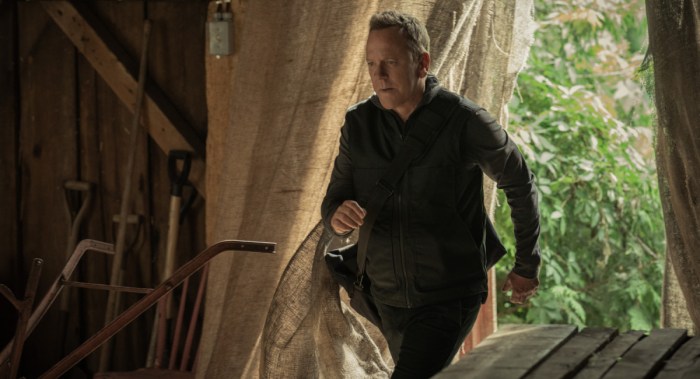
In conclusion, the rabbit hole creator’s explanation for choosing Kiefer Sutherland for the lead role reveals a deeply considered and meticulously crafted process. From initial concept to final product, the journey highlights the creative vision, character development, and casting decisions that shaped the project. The insights into the inspiration, challenges, and ultimate impact offer a compelling narrative about the making of a compelling work.
Ultimately, the post leaves the reader with a profound appreciation for the dedication and creativity that went into the project.