Sony XYN spatial capture solution now available in the United States and Canada

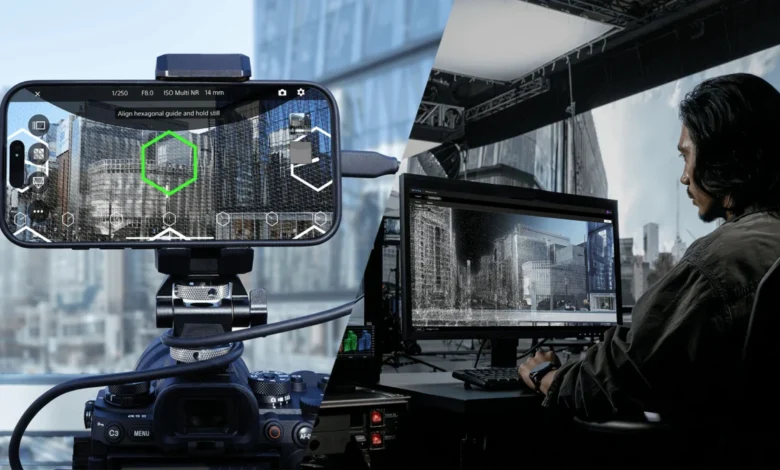
The landscape of professional digital content creation has reached a significant inflection point as Sony officially expands the availability of its XYN spatial capture solution to the North American market. Previously restricted to select regions, this comprehensive ecosystem—comprising mobile scanning, cloud-based processing, and rendering integration—is now accessible to creators across the United States and Canada. By leveraging flexible, scalable subscription models and an intuitive token-based procurement system, Sony aims to democratize the creation of high-fidelity 3DCG assets, moving the technology from the realm of specialized, high-budget studios into the hands of independent filmmakers, educators, and enterprise-level production teams.
A Chronology of the XYN Ecosystem Development
The journey of the XYN solution began with its initial announcement in April 2026, marking Sony’s strategic pivot toward integrated spatial computing workflows. At its inception, the platform was designed to bridge the gap between physical reality and digital environments, a challenge that has historically plagued the film and gaming industries due to the sheer technical complexity of photogrammetry and LiDAR processing.
Following the launch, the development team entered an aggressive iteration phase. Between mid-2026 and the present, the software suite underwent multiple updates. These enhancements were not merely cosmetic; they focused on expanding the versatility of the engine. Early versions were optimized primarily for smaller, static props. Subsequent software deployments, however, unlocked the capacity to process complex industrial assets, automotive designs, and expansive environmental scans. This evolution effectively transformed XYN from a niche prop-scanning tool into a robust solution for full-scale digital twin production and virtual cinematography.
Understanding the XYN Architectural Framework
The XYN ecosystem is architected as a tripartite system designed to minimize friction in the capture-to-render pipeline. It consists of three primary modules, each serving a distinct stage in the digital lifecycle:
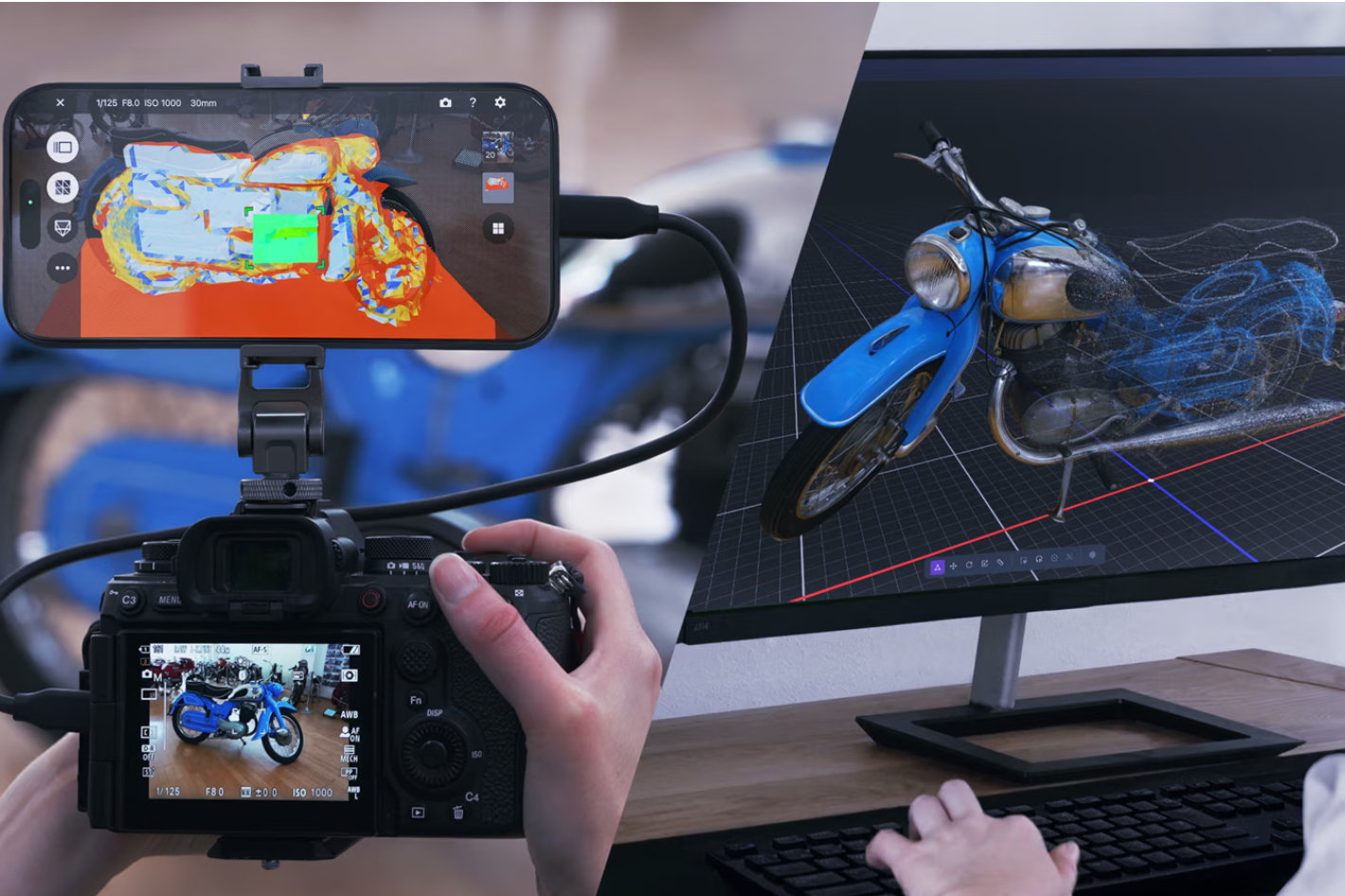
- XYN Spatial Scan Navi: This smartphone-based application acts as the primary capture interface. It guides users through the acquisition process, ensuring that the visual data captured—whether via mobile sensors or mounted mirrorless cameras—meets the threshold requirements for high-quality 3D reconstruction.
- XYN Spatial Scan: Serving as the engine room of the platform, this cloud-based application takes the raw data uploaded from the Navi app and performs the heavy computational lifting. It utilizes proprietary algorithms to generate high-quality 3DCG assets from real-world data, handling the geometry, texture mapping, and scale normalization required for professional use.
- XYN Spatial Renderer Plugin: This final component is the bridge to the user’s creative environment. It allows for the seamless integration of generated assets into standard industry workflows, such as virtual production stages (LED volumes) or established 3D game engines, ensuring that the digital models are not just captured, but usable in real-time environments.
Purchasing Models and Accessibility
A primary barrier to entry for spatial capture technology has traditionally been the high capital expenditure required for specialized software suites. To address this, Sony has introduced a tiered procurement system. The shift to a subscription-based model, complemented by a token system, allows users to scale their costs in alignment with their project volume.
The inclusion of online credit card purchasing facilitates an immediate, low-friction entry point for freelance professionals who may only need to utilize the service for intermittent projects. For larger studios and enterprise clients, the ability to purchase tokens in bulk provides a predictable cost structure, ensuring that the platform can serve both the occasional user and the high-volume production house with equal efficiency. This flexibility is a critical component of Sony’s strategy to embed XYN into the standard toolkit of the modern digital creator.
Industry Feedback and Practical Applications
The real-world utility of the XYN solution has been vetted through various field tests, including high-profile demonstrations at heritage sites and within academic environments. The reactions from industry professionals highlight a recurring theme: the ability to "digitally archive" physical locations.
Erik “Wolfie” Wolford, a veteran Director of Photography, has characterized the platform as a transformative tool for location management. According to Wolford, the ability to scan a difficult-to-film location and translate it into a digital asset allows productions to “digitally fold and hold” a space. This is particularly vital for productions requiring reshoots; if a location is no longer accessible or has been physically altered, the digital twin captured via XYN provides a consistent, high-fidelity reference that can be projected onto an LED volume.
This sentiment is echoed in the academic sector. Justin Kirchhoff, a Virtual Production Supervisor at the Virtual Production Institute at Texas A&M University, emphasizes the archival importance of the technology. Beyond the immediate needs of virtual production, the capacity to create faithful 3D models of structures at a specific point in time serves a secondary purpose: historical preservation. Kirchhoff notes that as campus environments evolve, the XYN platform provides a means to document physical architecture as it currently stands, creating a repository of data that can be repurposed as technology advances.
Broader Implications for the Digital Twin Market
The launch of XYN in North America occurs against the backdrop of an expanding digital twin market. As industries—from manufacturing and logistics to architecture and entertainment—increasingly rely on virtual representations of physical objects, the demand for accessible, reliable, and high-quality scanning solutions has surged.
The implications for the VFX and gaming industries are particularly profound. Previously, creating a photorealistic 3D asset required significant time from technical artists. By shifting the bulk of this process to the cloud-based XYN engine, production pipelines can be accelerated, allowing artists to focus on creative interpretation rather than the technical minutiae of geometry generation.
Furthermore, the introduction of "Lab apps" by the end of 2026 suggests a long-term commitment from Sony to keep the platform at the cutting edge. By inviting users to test experimental features and algorithms, Sony is building a feedback loop that will likely accelerate the improvement of feature sets. This iterative, community-informed approach is characteristic of modern software development, signaling that XYN is intended to be a living, evolving platform rather than a static product.
Future Trajectories: What to Expect
While the immediate impact of the North American launch is focused on accessibility, the underlying technology suggests a broader roadmap. As processing power increases and smartphone sensor capabilities improve, the fidelity of the assets produced by XYN will likely continue to climb. Sony has already indicated plans to support the token system across additional applications, suggesting that the XYN ecosystem will expand its footprint into other areas of the creative workflow.
Moreover, the integration of 3DCG assets into virtual environments—such as animated characters interacting with scanned backgrounds—opens up new possibilities for immersive storytelling. As these tools become more robust, the distinction between "filmed reality" and "digitally generated environment" will continue to blur, providing creators with unprecedented control over their visual narratives.
Conclusion
The availability of the Sony XYN spatial capture solution in the United States and Canada represents more than just a product launch; it is a signal of the maturation of spatial computing for the professional creative sector. By combining the convenience of smartphone-based capture with the immense power of cloud processing, Sony has effectively removed the most significant technical barriers to high-quality 3D asset creation. As adoption grows, the industry will likely see a significant increase in the volume and quality of digital twins, with profound effects on how films are produced, how history is preserved, and how virtual worlds are built. For the individual creator, the barrier to entry has never been lower, yet the potential for high-end output has never been higher.