Nikon Announces Firmware Version 2.00 for the Nikon ZR Cinema Camera

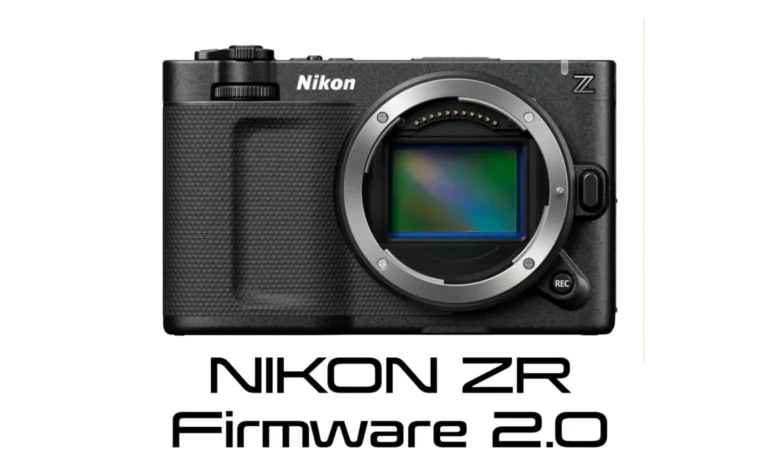
Nikon has officially unveiled the roadmap for Firmware Version 2.00 for the Nikon ZR, the company’s flagship cinema-grade camera. This upcoming update, scheduled for release before the end of the 2026 calendar year, represents the most significant software intervention for the camera system since its market debut. The firmware update aims to address long-standing user requests for greater flexibility in color workflows, enhanced monitoring capabilities, and improved hardware ergonomics. Among the most notable inclusions are the support for Log3G10 gamma recording in the H.265 codec and a long-awaited resolution to the monitoring limitations currently experienced when applying 3D LUTs in the R3D NE format.
The announcement arrives nearly a year after the Nikon ZR first hit the shelves, sparking a period of anticipation among professional cinematographers who have been eager to see how Nikon would leverage its partnership with RED—whose technology underpins the ZR’s imaging pipeline—to refine the camera’s performance. While the firmware is not yet available for download, the preliminary specifications provide a clear indication of how the manufacturer intends to optimize the camera for high-end production environments.
The Evolution of the Nikon ZR: A Chronology of Development
The release of the Nikon ZR was positioned as a strategic shift for the manufacturer, signaling a serious entry into the professional cinema market. Following its launch, the user base quickly identified a series of operational bottlenecks. Professional shooters, accustomed to the granular control offered by dedicated cinema cameras, noted that while the image quality was robust, the software-level accessibility to certain features remained restrictive.
In the months following the launch, industry feedback forums and professional user groups consistently highlighted the lack of internal monitoring aids—specifically the inability to utilize focus peaking while a 3D LUT was active in R3D NE recording. For operators relying on external monitors or internal viewfinders for critical focus, this was a significant hurdle. Furthermore, the limited customization of physical controls was identified as a point of friction during fast-paced shooting scenarios, such as documentary or news gathering, where quick adjustments to exposure parameters are essential. The move to Firmware 2.00 is a direct, albeit delayed, response to this sustained feedback loop.
Technical Deep Dive: Log3G10 and H.265 Workflow
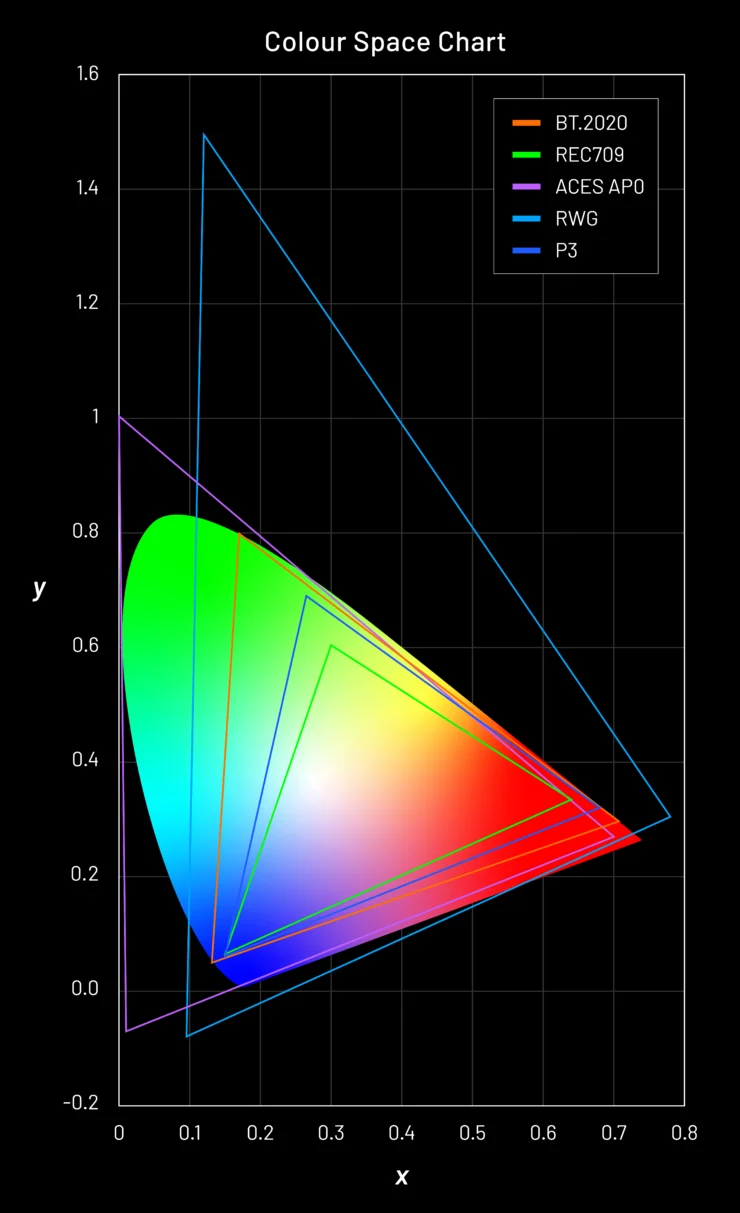
The cornerstone of the 2.00 update is the integration of Log3G10 gamma within the H.265 recording mode. This addition is significant for production teams looking to balance the high dynamic range capabilities of the sensor with more manageable file sizes. Log3G10, a curve developed to extract the maximum dynamic range from the sensor, is now being brought into the H.265 compressed environment, allowing users to leverage the REDWideGamutRGB color space without the storage overhead required by full-rate RAW workflows.
This is a critical transition for broadcast and web-based content producers who require a high-bit-depth, log-encoded image for post-production grading but are constrained by time or hardware limitations regarding massive data ingestion. By providing a "middle-ground" between high-end RAW and standard Rec.709 recording, Nikon is positioning the ZR to be more versatile in multi-camera, high-turnaround environments. The inclusion of four-level High ISO Noise Reduction settings for both Log3G10 and N-Log in H.265 further demonstrates an intent to clean up the image in-camera, potentially reducing the need for extensive third-party noise reduction plug-ins in post-production.
Enhancing Ergonomics and Operational Control
Modern cinema cameras are increasingly judged not just by their sensor performance, but by how well they integrate into the operator’s physical workflow. The Nikon ZR’s previous firmware version limited the utility of the camera’s command dials and function buttons, often requiring users to dive into deeper menu hierarchies to change essential settings like white balance or specific exposure variables.
With the 2.00 update, Nikon is unlocking broader remapping capabilities. By allowing users to assign ISO sensitivity, exposure settings, and white balance color temperature (WBK) directly to the command dials, the camera becomes a more tactile tool. The ability to assign the "3D LUT/View Assist" toggle to a dedicated function (Fn) button is a workflow improvement that professional operators have identified as a necessity. In a professional set environment, the ability to toggle a LUT on and off to verify lighting ratios or exposure without navigating a menu is paramount to maintaining momentum.
Addressing Monitoring and Signal Integrity
One of the most persistent complaints regarding the Nikon ZR has been the monitoring experience during R3D NE recording. Specifically, when a 3D LUT was applied to the internal display for monitoring purposes, the camera would disable focus peaking. This forced operators to choose between an accurate color preview and the technical assistance needed for precise focus pulling. Firmware 2.00 rectifies this oversight, allowing both to function simultaneously.
Additionally, the ability to apply a 3D LUT to the HDMI output represents a vital improvement for directors and clients on set. Often, the camera operator may be recording in a log profile to preserve dynamic range, but the client or director requires a graded "look" on the monitor to judge the final intent of the shot. By enabling 3D LUTs on the HDMI output, the Nikon ZR brings its output features in line with industry-standard cinema cameras, ensuring that the visual intent is communicated clearly across the entire production chain.
Technical Refinement: Low-Light Processing
Nikon has also announced updates to the camera’s image processing pipeline, specifically targeting black-level stability. A common issue in low-light digital cinematography is frame-by-frame fluctuation, which can manifest as subtle, distracting flicker in deep shadows or dark areas of a frame. By refining the processing algorithms, Nikon claims to have achieved a more consistent black level. This optimization is particularly relevant for night-exterior shoots or dimly lit interior scenes where the camera’s dynamic range is pushed to its limits. While the efficacy of this update will be measured once the firmware is deployed in real-world conditions, it reflects a commitment to maturing the camera’s image science post-launch.
Industry Context and Future Implications
The delay between the release of the Nikon ZR and this major update has prompted discussions within the industry regarding the manufacturer’s support lifecycle. While the features introduced in 2.00 are welcomed, the 12-month wait time has highlighted a gap between user expectations for rapid feature iteration and the company’s internal software development schedule. In a competitive market where rivals frequently update their cinema lines with new codecs and performance tweaks, the Nikon ZR’s longevity will depend on the brand’s ability to sustain this momentum.
For the end-user, the upcoming firmware represents a maturation of the camera’s identity. The Nikon ZR is moving away from being a "first-generation" experimental platform toward becoming a solidified professional tool. The implication of this update is that Nikon is listening to the professional cinema market, acknowledging that the initial feature set was insufficient for the specific rigors of professional production.
As the industry looks toward the end of 2026, the successful rollout of Firmware 2.00 will be a litmus test for Nikon’s commitment to its cinema line. Should the update prove stable and deliver on the promised performance enhancements, it will likely restore confidence among professional users who may have been hesitant to commit to the ecosystem. The integration of high-level monitoring, improved ergonomics, and sophisticated color management through Log3G10 suggests that the Nikon ZR is positioning itself to compete more aggressively with established cinema brands.
In summary, the 2.00 firmware update is a multifaceted response to the real-world operational challenges of the Nikon ZR. By balancing technical image quality updates—such as H.265 Log3G10 recording and noise reduction—with practical, user-centric improvements like custom button mapping and improved HDMI monitoring, Nikon is effectively shortening the distance between the camera’s hardware potential and its daily usability. While the delay in addressing these concerns has been noted, the substance of the update signals a clear path forward for the platform. Users are now awaiting the final deployment date, which remains slated for the final weeks of 2026, marking a significant milestone in the ongoing development of Nikon’s professional video ecosystem.