The 11 Best Social Media Management Tools for 2026: A Comprehensive Guide to Streamlining Your Digital Presence


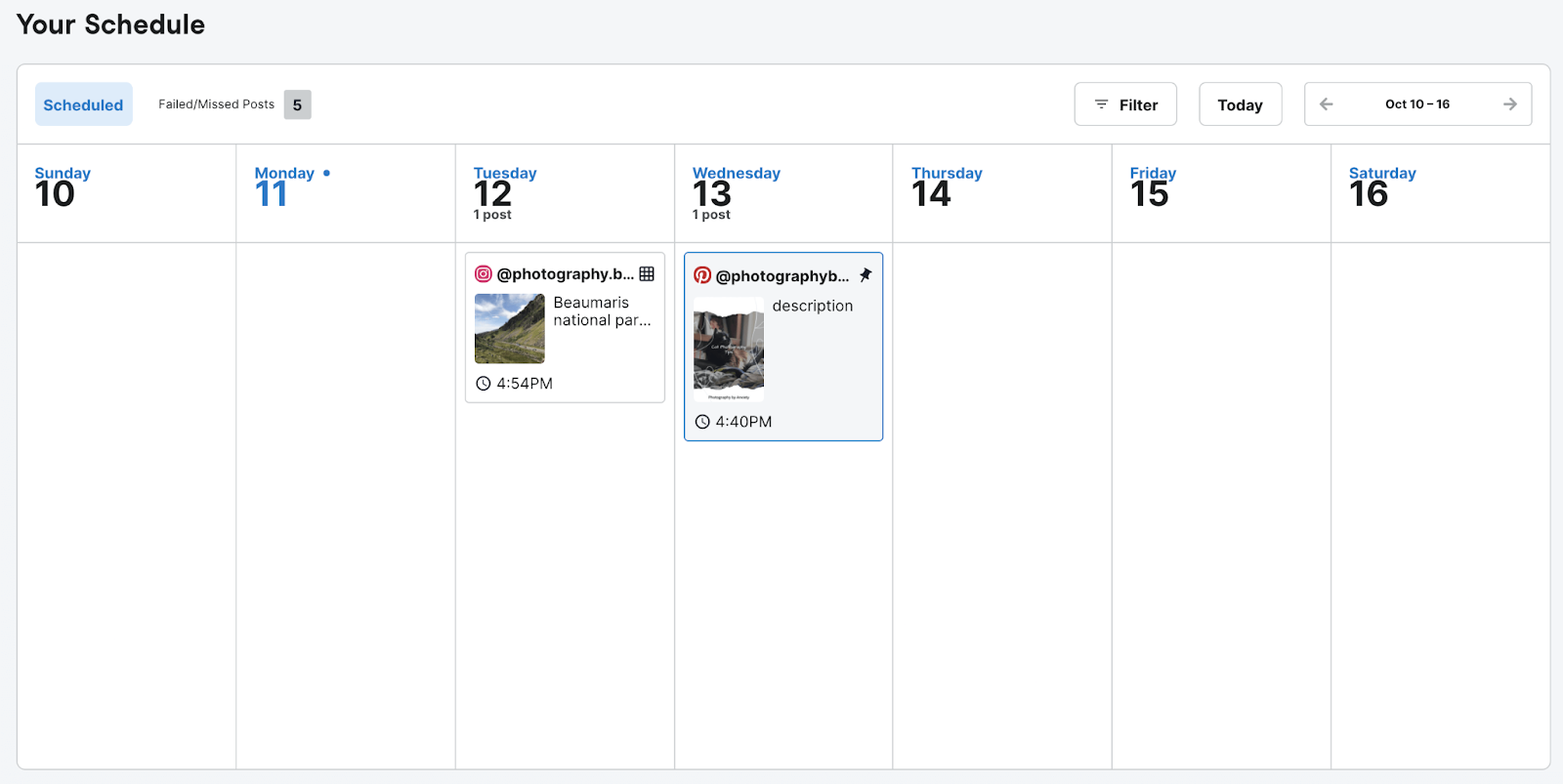
Managing a multi-platform social media strategy in 2026 is an increasingly complex task, requiring creators and businesses to oscillate between creative content production, rapid-fire engagement, and deep-dive data analysis. As digital landscapes shift—with the emergence of niche platforms like Bluesky and the continued dominance of short-form video on TikTok and Instagram—the reliance on robust management software has transitioned from a luxury to a operational necessity. A modern social media management tool acts as a central nervous system for digital marketing, allowing for the unified scheduling, monitoring, and analysis of content across diverse networks from a single dashboard.
The market for these platforms has matured significantly over the last decade. Early tools were simple auto-publishers; today’s solutions are integrated command centers that often feature AI-driven content generation, sophisticated customer relationship management (CRM) integration, and advanced social listening capabilities. For the independent creator, a tool must offer simplicity and affordability. For the enterprise, the priority shifts to security, governance, and the ability to track the granular details of the buyer’s journey across thousands of touchpoints.
The Evolution of the Social Media Management Ecosystem
The history of social media management software is a reflection of the platforms they serve. In the early 2010s, the primary challenge was manual posting. As platforms like Twitter, Facebook, and later Instagram grew, companies struggled to maintain a consistent presence. The subsequent introduction of APIs allowed third-party developers to build the first generation of schedulers. By 2020, the focus pivoted toward engagement and analytics, as brands realized that posting was only half the battle; responding to communities and understanding performance metrics became critical to ROI.
As of August 2026, the industry is defined by consolidation and specialization. Large-scale acquisitions, such as Hootsuite’s purchase of Talkwalker and Sprout Social’s integration of Tagger Media, indicate a clear trend: organizations want to move away from fragmented tool stacks and toward comprehensive suites that unify organic content, influencer partnerships, and social listening into a single source of truth.
Comparative Analysis of Leading Management Platforms
The following assessment categorizes the current market leaders based on their specific utility, pricing models, and target demographics.
| Tool | Primary Use Case | Standout Feature | Entry Price (2026) |
|---|---|---|---|
| Buffer | Small Business/Creators | Per-channel simplicity | Free / $6/mo per channel |
| Hootsuite | Large Teams | Talkwalker-powered listening | $199/mo |
| Tailwind | Pinterest/Visual focus | One-click design tools | $29.99/mo |
| SocialPilot | Agencies | White-label dashboards | $30/mo |
| Zoho Social | Existing Zoho Users | CRM/Desk integration | $15/mo |
| Sprout Social | Enterprise/Influencer | Employee advocacy | $199/mo per seat |
| Oktopost | B2B Marketing | Buyer-journey tracking | Custom |
| Later | Influencer Campaigns | Creator discovery | $25/mo |
| Socialinsider | Analytics/Benchmarking | Competitor KPI comparison | $99/mo |
| Manychat | DM/Comment Automation | 24/7 chat workflows | $15/mo |
| Sprinklr | Enterprise CX | AI image detection | Custom |
Detailed Evaluation of Top-Tier Solutions
Buffer: The Standard for Accessibility
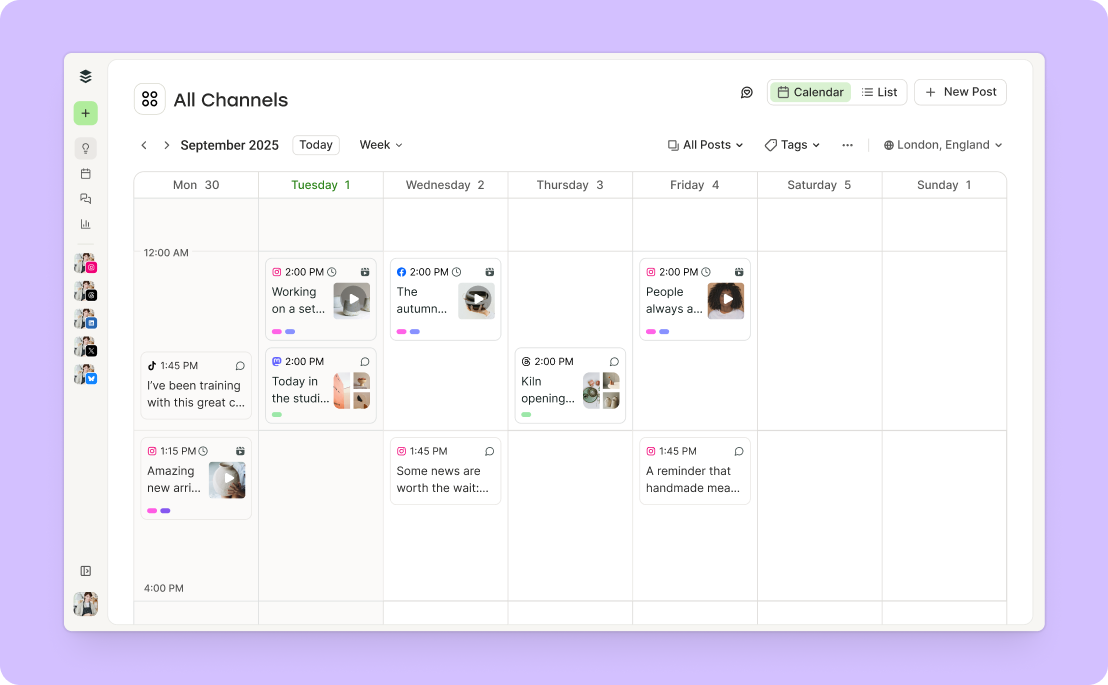
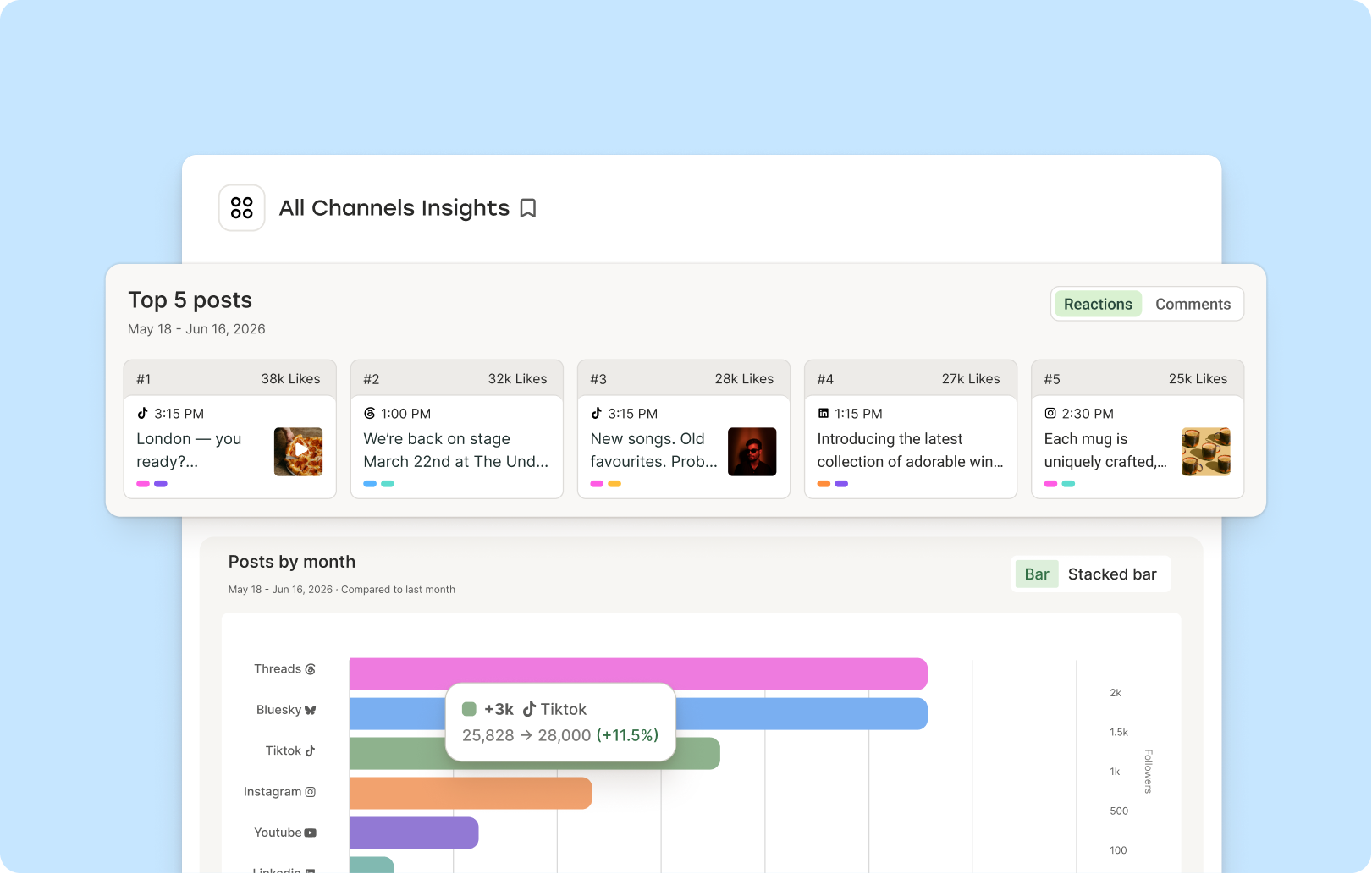
Buffer remains the benchmark for individual creators and small teams. Its value proposition is centered on "per-channel" pricing, which prevents users from overpaying for features they do not need. The platform’s recent updates, including the "Create Space" for idea management and integrated AI agents, allow users to maintain a cohesive calendar without the steep learning curve found in enterprise-grade software. It is the most agile option for those experimenting with emerging platforms like Threads or Substack Notes.
Hootsuite: The Powerhouse for Social Listening
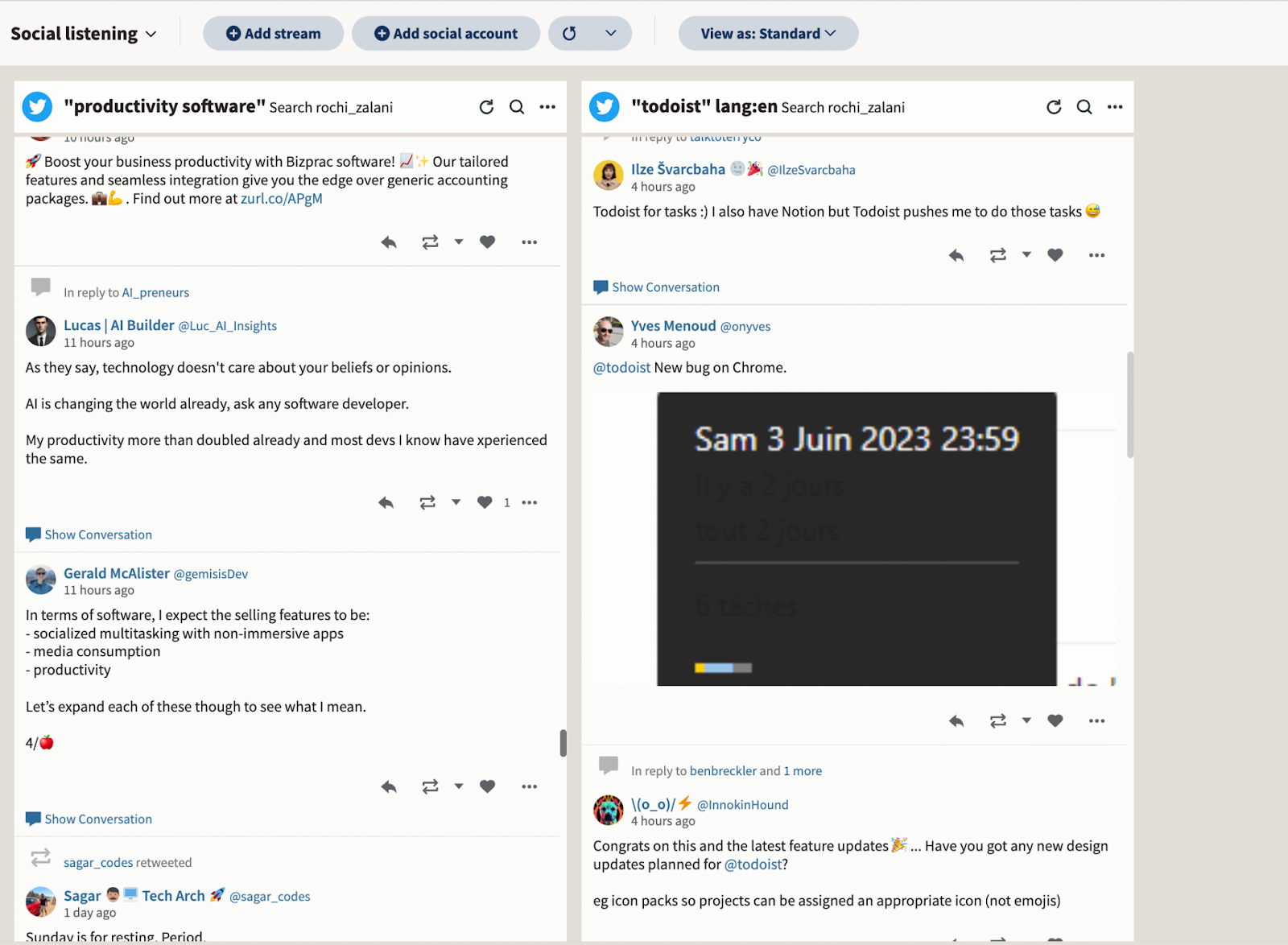
For organizations where social media is a primary source of market intelligence, Hootsuite provides the necessary infrastructure. By leveraging Talkwalker’s sophisticated AI, Hootsuite allows brands to monitor sentiment and conversation trends in real-time. This is essential for crisis management and proactive brand building, though the platform’s high barrier to entry and $199 monthly starting price make it prohibitive for smaller operations.

Sprout Social: The Enterprise Integration Leader
Sprout Social has carved out a niche by successfully merging social management with influencer marketing. Following their acquisition of Tagger Media, they have provided a seamless transition for brands that want to manage their own content alongside a network of paid influencers. Their data visualization tools are widely considered the industry standard, providing high-level reports that are easily digestible for executive stakeholders.
Specialized Tools: Oktopost and Manychat
Not every business requires an all-in-one suite. B2B firms often find more value in Oktopost, which ignores "vanity metrics" like likes and follows in favor of tracking how social activity directly impacts revenue and sales cycles. Conversely, creators on Instagram and TikTok are increasingly turning to Manychat to automate their community management. By handling DM responses and comment-triggered link distribution, Manychat functions less like a scheduler and more like a 24/7 sales assistant.
Strategic Selection Criteria
Selecting the right tool involves a rigorous audit of current and future operational requirements. According to recent industry surveys, the failure to account for "scalability costs" is the primary reason teams switch providers within the first 18 months of adoption.
1. Scalability and Future-Proofing
A tool that works for one account may become a financial burden when managing ten. Prospective buyers must analyze not just the cost of their current needs, but the cost of the next tier of service, including additional team members and integrated social profiles.
2. Depth of Reporting
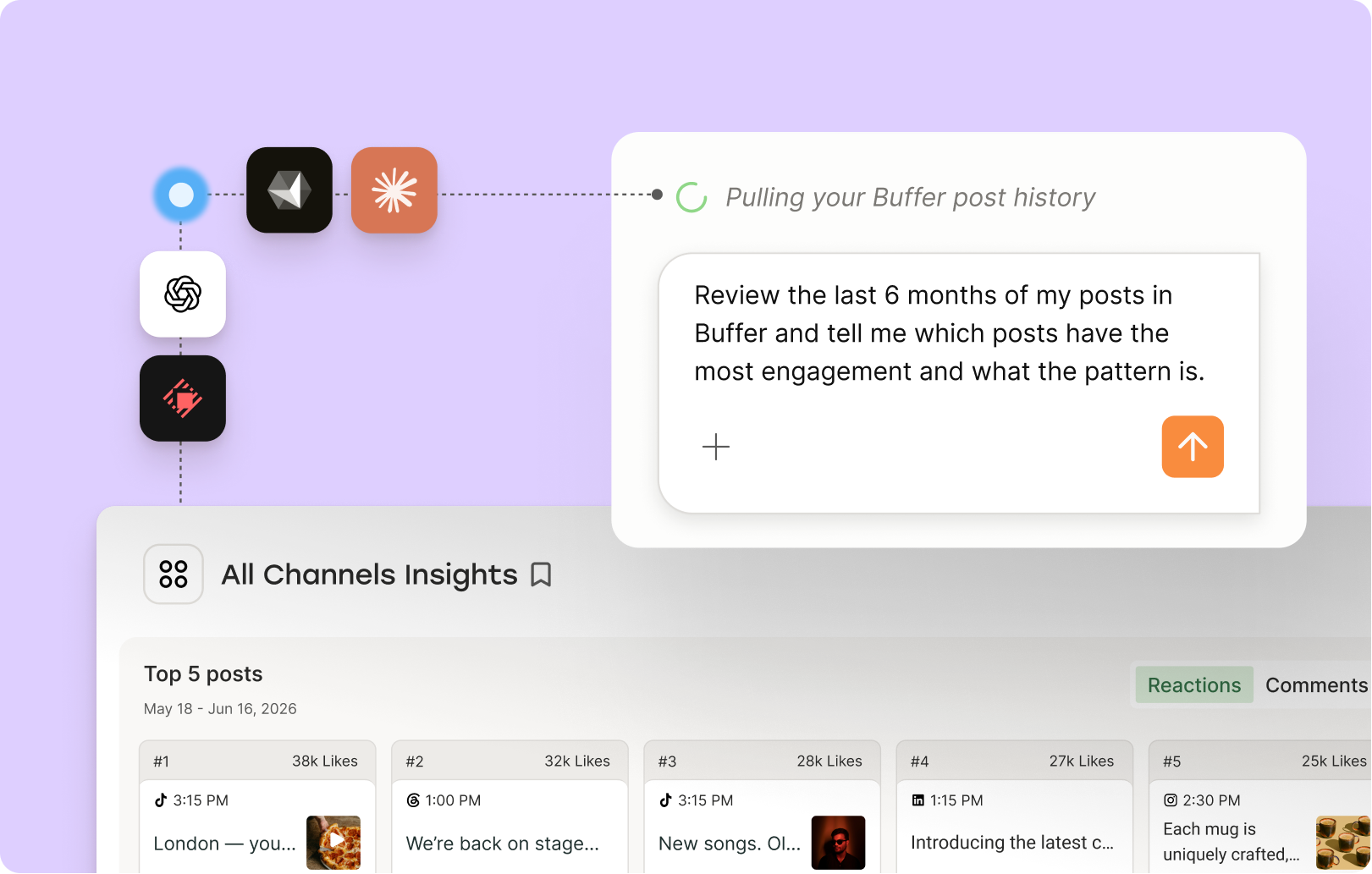
Vanity metrics are no longer sufficient. Modern reporting must demonstrate ROI. Organizations should prioritize tools that allow for custom reporting, enabling managers to filter data by campaign, post type, or specific business objective.
3. Collaboration and Governance
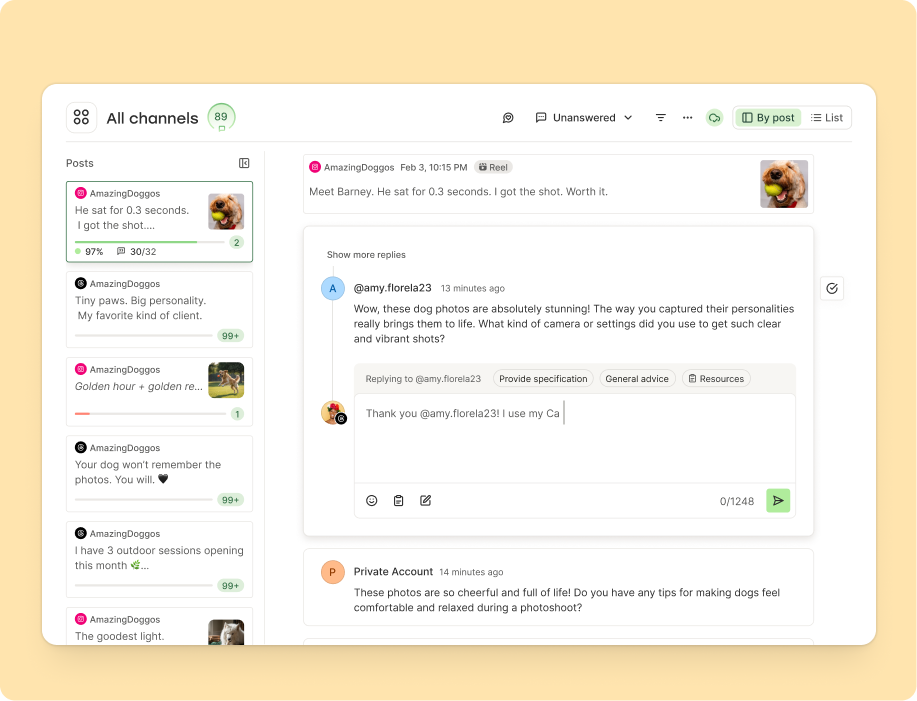
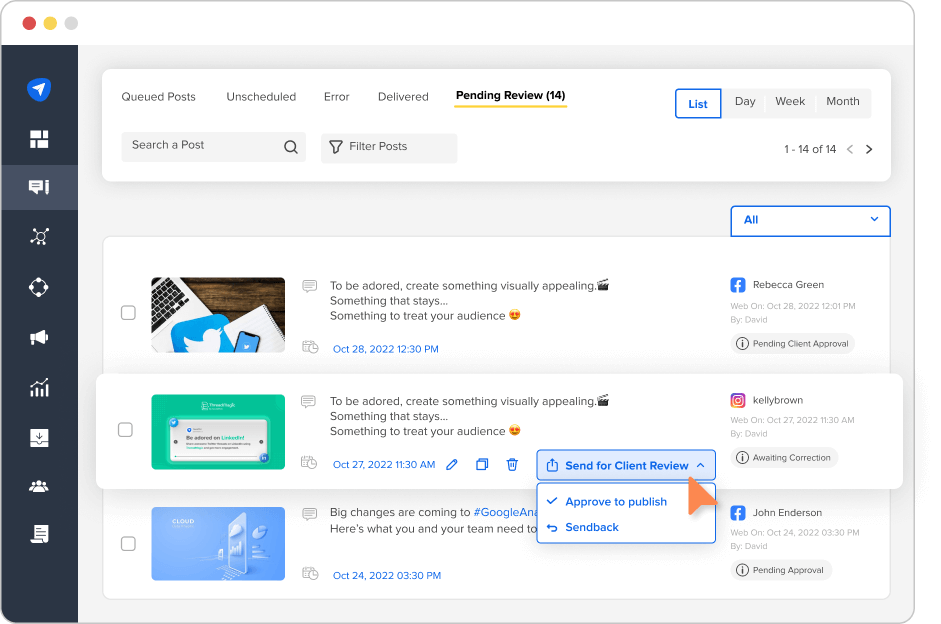
For agencies and larger teams, the ability to control who can publish and who can approve is vital for brand safety. Look for platforms that offer granular permission levels, ensuring that team members can perform their tasks without risking accidental publication of unauthorized content.
4. Technical Ecosystem Integration
The most effective tools are those that play well with others. Whether it is an integration with a CRM like Salesforce or HubSpot, or an automated workflow via Zapier, the ability to feed social data into the broader company database is what distinguishes a "marketing tool" from a "management platform."
The Future of Social Media Management
Looking ahead to the remainder of 2026, the integration of generative AI will continue to be the primary catalyst for change. The focus is shifting from simple text generation to "intent-based" automation—tools that not only suggest a caption but also analyze the optimal time, format, and platform for a specific audience segment based on historical performance.
Furthermore, as the social media landscape becomes more saturated, the role of social listening and community engagement will grow in importance. Brands that treat their social management tools as a communication channel rather than a broadcast megaphone are seeing higher engagement rates.
Conclusion
The decision to adopt a specific social media management tool should be dictated by the specific goals of the organization. A creator focusing on visual growth on Pinterest will find far more value in Tailwind than in the complex, enterprise-heavy environment of Sprinklr. Similarly, a B2B SaaS company will gain more insight from Oktopost’s revenue-tracking capabilities than from the simple scheduling interface of Buffer.
The most effective strategy involves defining the non-negotiables—such as the number of channels supported, the requirement for team collaboration, or the need for advanced analytics—and then utilizing the free trials offered by these platforms to test their usability in a live environment. By investing time in selecting the correct tool today, businesses can significantly reduce the operational friction of tomorrow, ensuring that their social media presence is not just maintained, but strategically optimized for growth.