Inside Kate Garibaldi’s Camera Bag: The Essential Gear and Strategy for Autumn Landscape, Macro, and Wildlife Photography

Photographer and gear reviewer Kate Garibaldi has detailed her comprehensive field strategy and equipment checklist for autumn landscape, macro, and wildlife photography. Highlighting the challenges and opportunities presented by the vibrant yet short-lived fall foliage season, Garibaldi’s workflow emphasizes adaptability, weight management, and preparedness across shifting environmental conditions. Rather than utilizing a single, rigid kit, her approach is categorized by dual-bag setups tailored to specific photographic objectives, integrating specialized support systems, optical filters, and power solutions to maximize output in the field.
Dual-Bag Strategy: Balancing Mobility and Range

Autumn photography often requires navigating diverse terrains, ranging from high-altitude ridge lines to densely forested riverbanks. To manage physical fatigue while maintaining creative versatility, Garibaldi employs two distinct carrying systems: a compact sling bag for landscape-centric excursions and a full-scale backpack when telephoto reach is required.
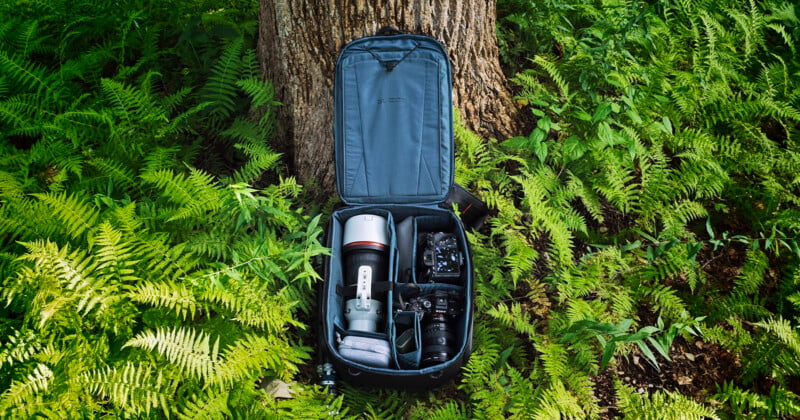
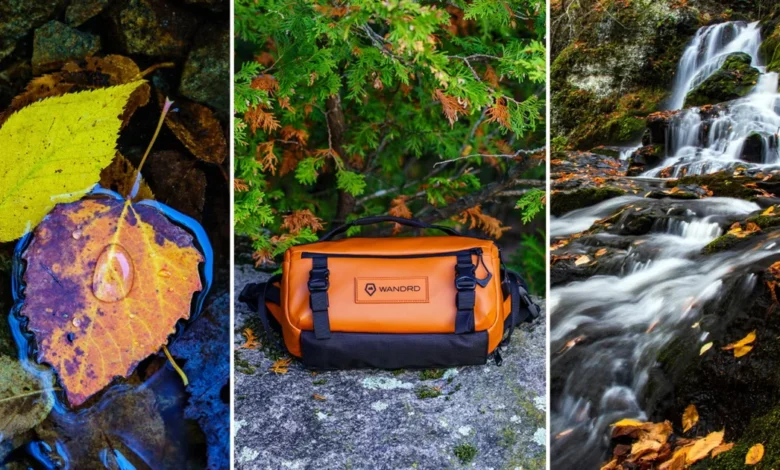
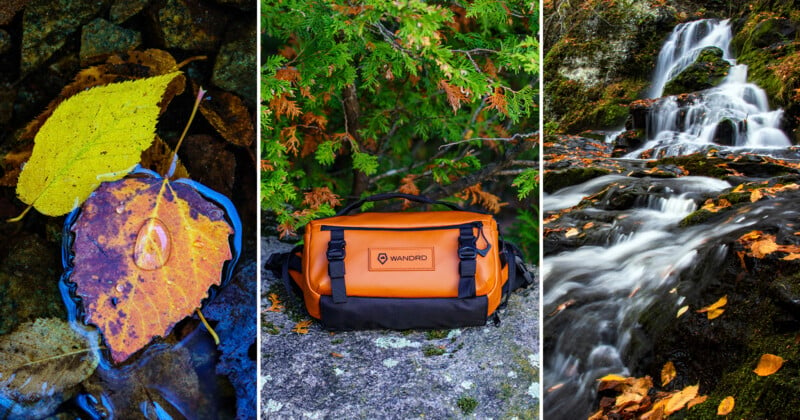
For mobile landscape outings where long-range optics are unnecessary, Garibaldi utilizes the WANDRD Rogue Sling 9L (available in Sedona Orange and Yuma Tan). The sling format allows for rapid access to equipment while minimizing bulk during extended hikes. Conversely, when trekking into areas frequented by fauna such as elk, the loadout expands to the PGYTECH OneMo 2 backpack. This larger chassis accommodates the substantial physical footprint of a super-telephoto lens—typically a Sigma 50-500mm—without sacrificing the core accessories shared across both configurations.
Garibaldi’s base camera body for these field tests is the Sony a7R IV, paired with a rotating selection of manual and autofocus optics depending on active editorial review assignments. Standard focal-length coverage and close-up capabilities are handled by lenses such as the Tamron 90mm f/2.8 Di III Macro VXD, alongside prime options like the Viltrox AF 56mm f/1.7 and Viltrox AF 20mm f/2.8.

Support Systems and Stabilization in Dynamic Environments
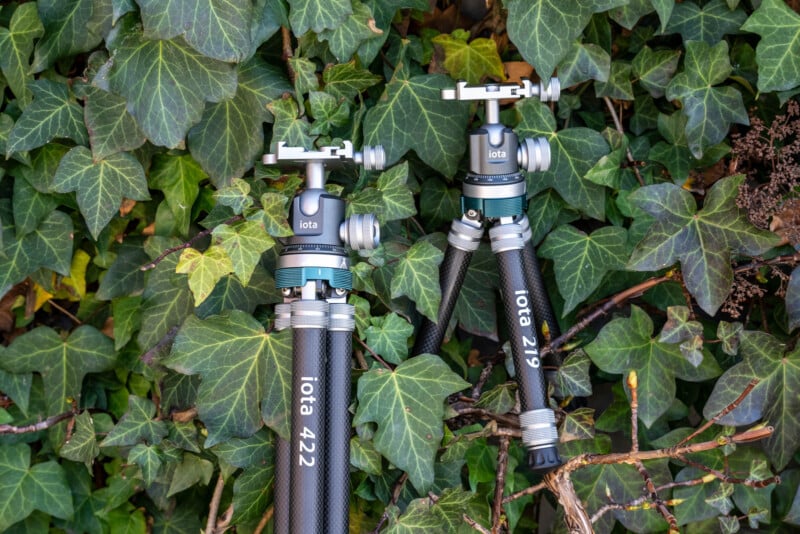
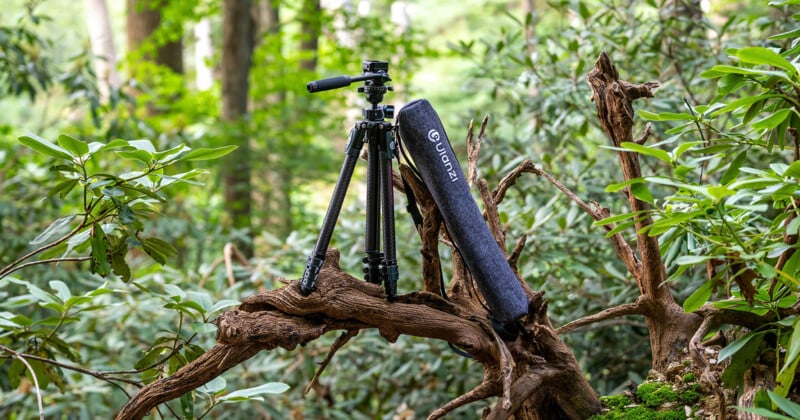
Field stability remains a cornerstone of professional landscape and macro work, particularly when shooting under forest canopy where ambient light levels drop significantly. Garibaldi relies on carbon-fiber tripods to strike an equilibrium between rigidity and portability, alternating between the heavy-duty Ulanzi JJ06 and the lightweight Promaster Iota 422 depending on the expected hiking distance and wind conditions.
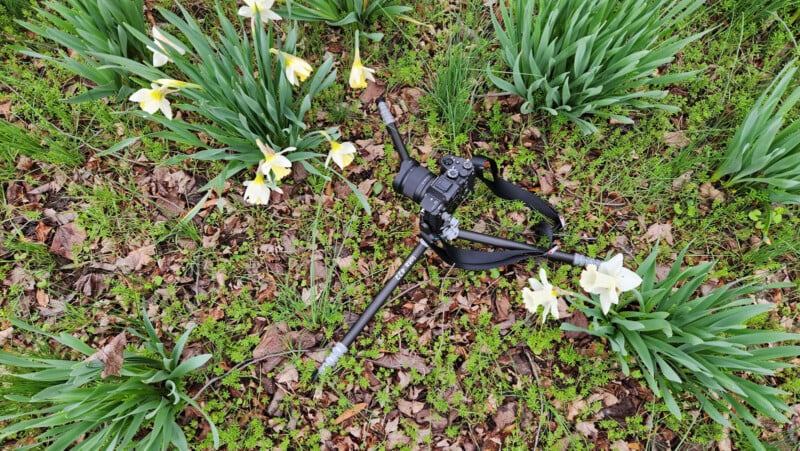
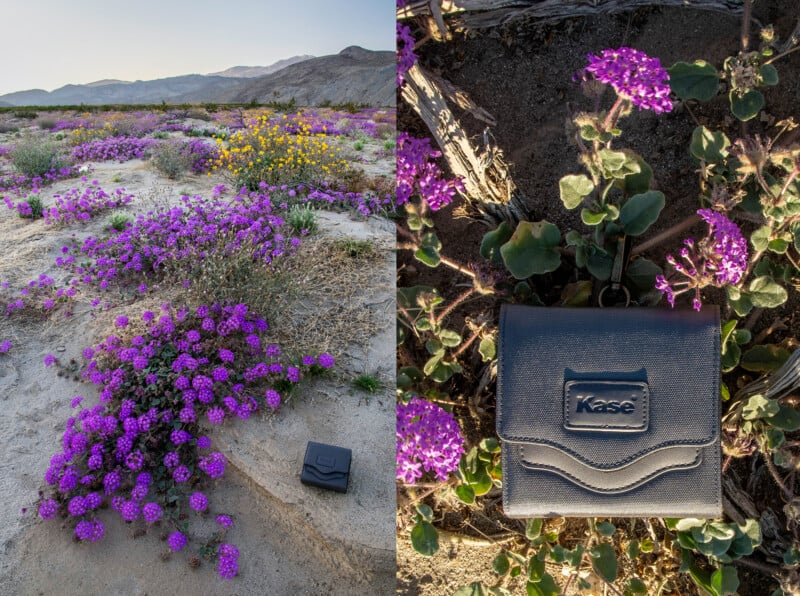
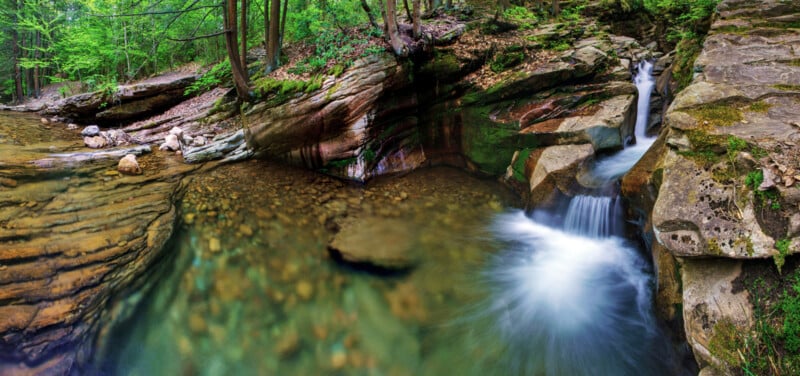
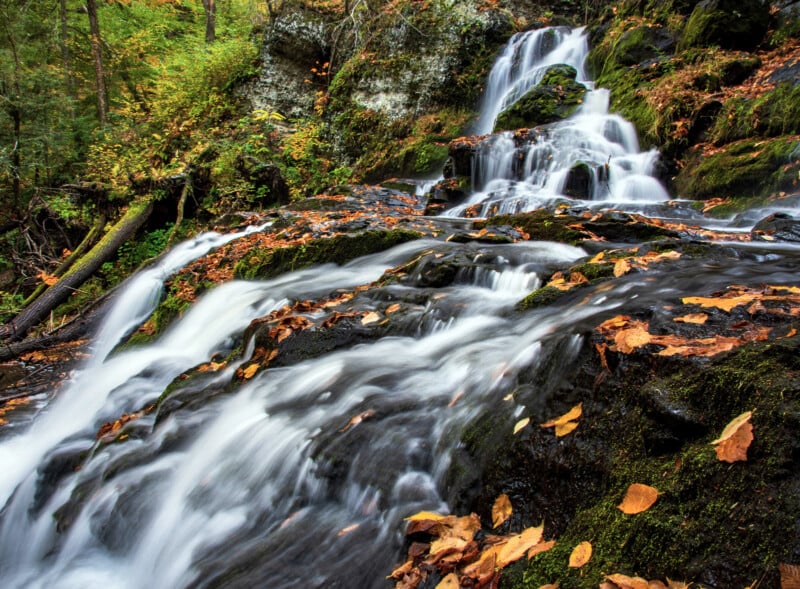
The integration of sturdy support allows for the deployment of slower shutter speeds, which are essential for capturing silky water movements around streams and waterfalls. To manage the high-contrast light reflections typical of wet foliage and cascading water, Garibaldi incorporates a specialized filter kit. Utilizing Kase KW Magnetic Filters alongside a circular polarizing filter (CPL)—temporarily supplemented by a legacy B+W CPL—the setup enables precise control over surface glare. Neutral density (ND) filters further assist by extending exposure times during daylight hours without necessitating stopped-down apertures that could induce diffraction.
Environmental Protection and Field Maintenance
Rapidly shifting weather patterns in mountainous and wooded regions necessitate proactive gear maintenance and weatherproofing. Garibaldi’s kit includes a dedicated rain cover, a compact emergency poncho, and an array of microfiber cloths, dusters, and cleaning solution spray bottles.
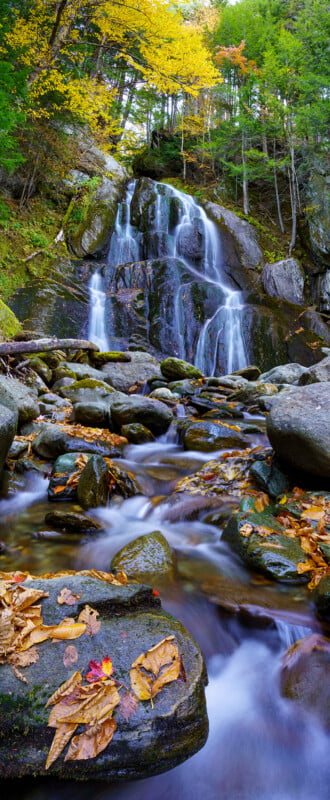
Moisture management is particularly critical near waterfalls, where airborne spray can degrade image sharpness within seconds. Furthermore, the inclusion of a pocket-sized portable reflector serves a dual purpose in macro and close-up compositions: acting as a scrim to diffuse harsh overhead sunlight or as a reflective panel to bounce ambient light into shadowed portions of forest floors and flora.
Power Management in Low Temperatures
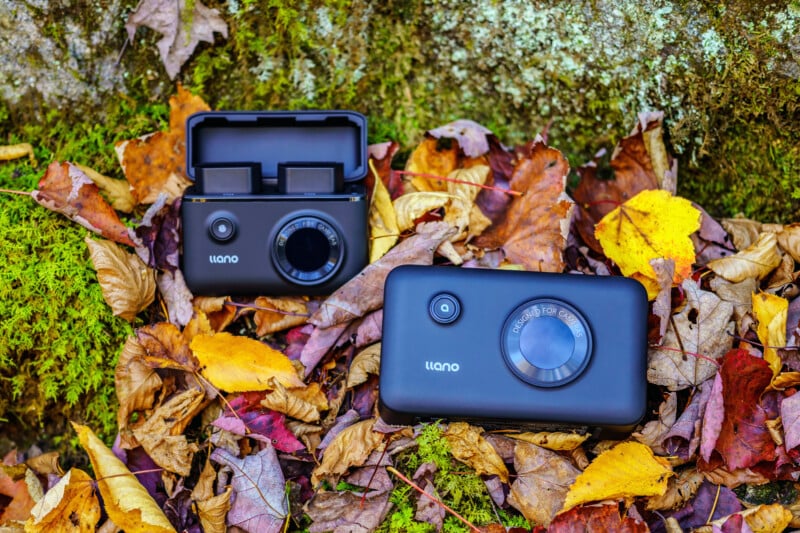
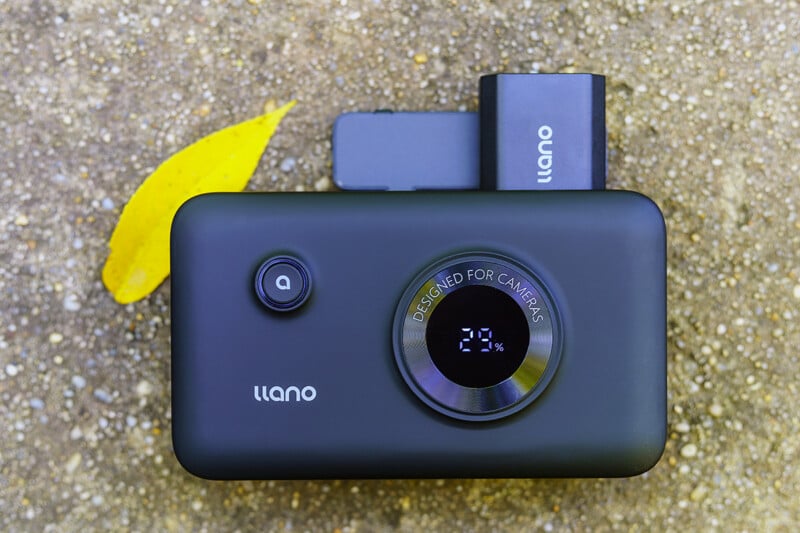
One of the primary technical challenges of autumn and winter outdoor photography is the accelerated depletion of lithium-ion camera batteries in cooler ambient temperatures. To mitigate power loss during extended backcountry excursions, Garibaldi utilizes high-capacity third-party charging ecosystems manufactured by Llano.
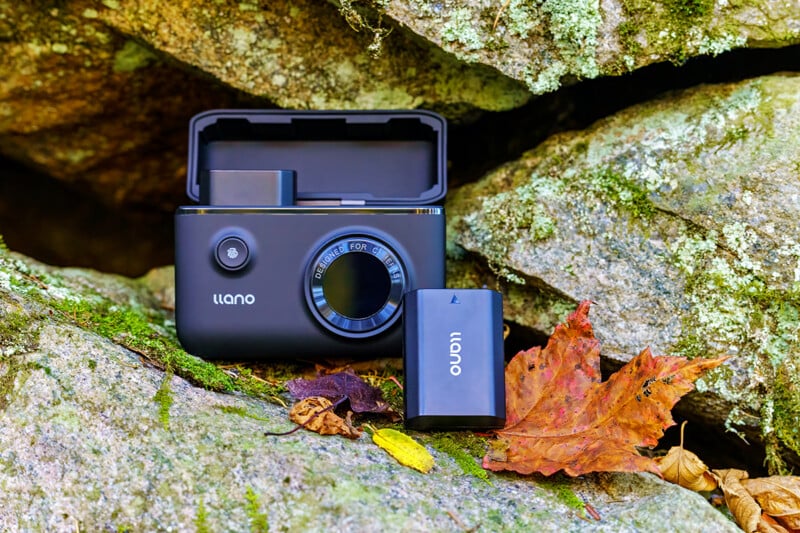
The loadout features multiple Sony NP-FZ100 compatible battery units paired with portable multi-bay charging cases, including options with integrated power banks. This setup facilitates continuous battery rotation in remote environments lacking electrical grid access, ensuring that sudden shifts in atmospheric lighting or unexpected wildlife encounters are not missed due to depleted power supplies.
Expanding Editorial Scope: Video, Monitoring, and BTS Content
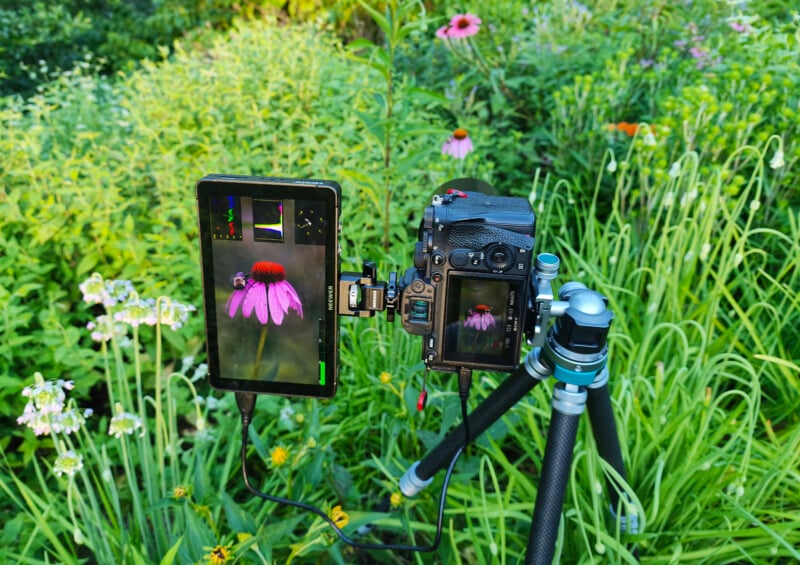
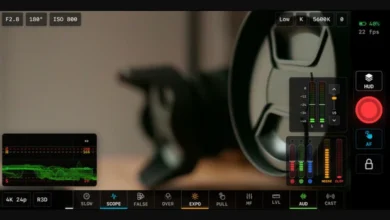
Modern landscape photography increasingly intersects with multimedia production and digital publishing platforms. To accommodate both high-resolution still imagery and video capture, Garibaldi has integrated an external monitor—specifically the Neewer F700U OLED—into her workflow. The enlarged display assists in verifying critical focus and composition parameters in the field, reducing the margin of error for high-stakes single-opportunity shots.
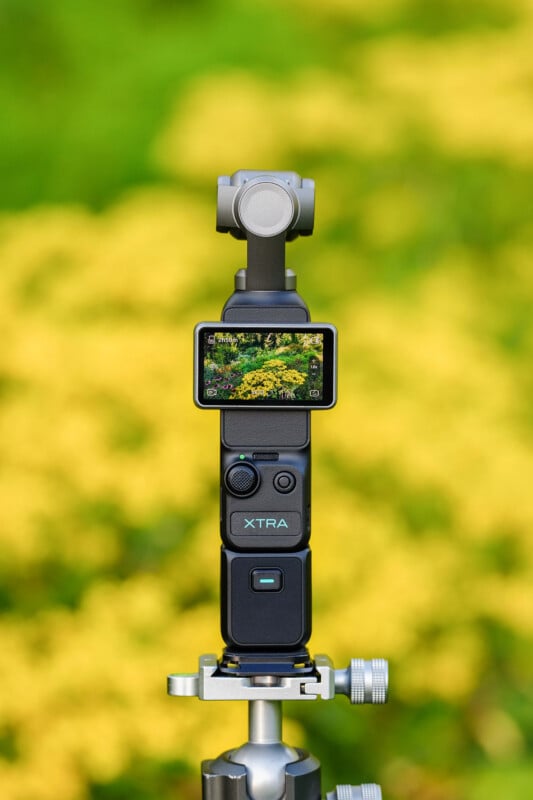
Additionally, lightweight gimbal cameras are utilized to record behind-the-scenes (BTS) footage. This supplementary documentation provides transparent context regarding the physical environment and compositional choices behind final published images, serving as both an educational resource for fellow creators and an authentic record against prevalent skepticism regarding digital manipulation and generative AI in nature photography.
Implications for Landscape and Nature Photography Workflow
Garibaldi’s gear methodology underscores a broader trend within contemporary outdoor photography: the transition from static, all-inclusive kits to modular, application-specific loadouts. By tailoring equipment selection to the ecological and meteorological realities of the autumn season—prioritizing optical polarization, thermal power management, and rapid environmental adaptability—photographers can navigate the compressed timelines of peak foliage conditions with heightened efficiency and creative latitude.