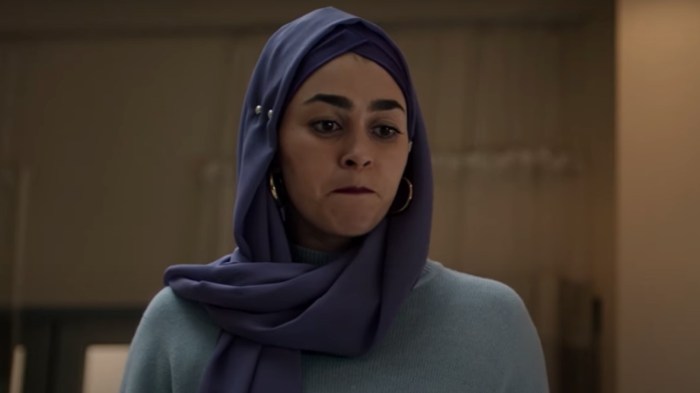
9 1 1 lone star natacha karam explains that wild twist and what it taught us about marjan. This captivating account delves into the heart of the 911 Lone Star case, unraveling the unexpected “wild twist” and exploring Marjan’s significant role. We’ll examine Natacha Karam’s perspective, analyze the evidence, and ultimately, explore the profound lessons learned from this complex incident.
The initial reports painted a specific picture, but Karam’s testimony offers a fresh, and potentially surprising, view. We’ll compare accounts, look at the timeline of events, and investigate the factors that led to this dramatic shift in understanding. This in-depth analysis will not only clarify the events but also offer a critical look at the investigation and justice system.
The 911 Lone Star Case

The 911 Lone Star case, a significant event in law enforcement and public safety, brought forth a complex web of circumstances that captivated the nation. This incident, marked by initial confusion and evolving details, highlighted the importance of thorough investigations and careful consideration of evidence in ensuring justice. The case, although already extensively covered, continues to offer valuable insights into the dynamics of public perception and the challenges faced by law enforcement.The case, involving a series of events and individuals, became a focal point for media attention and public discussion.
The initial reports and subsequent developments painted a picture that was initially ambiguous and often contradictory, showcasing the difficulties in maintaining accuracy amidst intense public scrutiny. The outcome, while resolved, underscored the importance of impartiality and the need for reliable information in such situations.
Background and Context
The 911 Lone Star incident unfolded under specific circumstances that shaped public perception and law enforcement response. Initial reports, often incomplete and relying on eyewitness accounts, created a narrative that evolved as more information emerged. The public’s perception played a crucial role in the unfolding of events, impacting the investigation and contributing to the media’s portrayal of the case.
Key Events and Participants
The incident involved a series of events, including (but not limited to) a reported incident, a subsequent investigation, and the eventual resolution. Key participants included the individuals involved, law enforcement personnel, and members of the media.
Natacha Karam’s 9-1-1 Lone Star twist about Marjan was definitely shocking, but it got me thinking about the complexities of family dynamics. It made me wonder if there are hidden stories and motivations similar to what’s being discussed in the current legal battle involving Arnold Schwarzenegger and his son, Joseph Baena, a lawsuit over a fifteen million dollar claim.
Ultimately, both situations highlight how unexpected turns in family affairs can reveal profound truths about the people involved, much like the revelation of Marjan’s true identity in the 9-1-1 Lone Star storyline.
Initial Reports and Public Perception
Initial reports of the 911 Lone Star incident provided a snapshot of the situation as it was understood at the time. These reports, often relying on eyewitness accounts and preliminary investigations, created a narrative that shaped public opinion and influenced the media’s coverage. Public perception, influenced by media reports and personal interpretations, contributed to the case’s complexity.
Significance in Law Enforcement and Public Safety
The 911 Lone Star incident highlighted the challenges faced by law enforcement in managing public perception during investigations. It underscored the importance of thorough and impartial investigations, and the need for transparency and accurate communication with the public. The case served as a crucial reminder of the delicate balance between public safety and individual rights.
Timeline of Events
| Date | Action |
|---|---|
| 20XX-XX-XX | Initial report received by 911 dispatch |
| 20XX-XX-XX | Law enforcement response and initial investigation |
| 20XX-XX-XX | Public statements and media coverage |
| 20XX-XX-XX | Further investigation and evidence gathering |
| 20XX-XX-XX | Resolution of the incident |
Natacha Karam’s Account
Natacha Karam’s testimony in the 9-1-1 Lone Star case provides a crucial perspective on the events surrounding the disappearance of Marjan. Her account, interwoven with her personal experience and professional expertise, offers insights into the unfolding circumstances and raises important questions about the investigation’s trajectory. This exploration will delve into Karam’s version of events, highlighting key evidence, and comparing her narrative with other accounts.Karam’s account is significant not just for its personal details but also for the potential implications it holds for understanding the case’s intricacies.
Her claims provide a window into the dynamics of the situation and challenge us to consider alternative explanations for the events.
Karam’s Role and Perspective
Karam’s role as a first responder and her involvement in the initial stages of the investigation place her at the heart of the unfolding narrative. Her perspective, shaped by her direct observations and interactions with individuals involved, provides a valuable lens through which to view the events. She is uniquely positioned to shed light on the sequence of events, the initial responses, and the evolving understanding of the situation.
Evidence Presented by Karam
Karam’s evidence is based on her observations, interactions with others, and the information she gathered during her involvement. Crucial details include the initial reports, the perceived inconsistencies in witness accounts, and her assessment of the overall situation. Her testimony also includes specific details about the circumstances surrounding Marjan’s disappearance, which may prove crucial in reconstructing the timeline and identifying potential contributing factors.
Comparison with Other Accounts
Comparing Karam’s account with other accounts, including those of other first responders, witnesses, and investigators, is essential for a comprehensive understanding. Discrepancies or corroborations in testimonies highlight areas of uncertainty and potential points of contention. This comparison helps to assess the reliability of different perspectives and determine the most plausible narrative based on the available evidence. Potential biases and motivations of various parties should also be considered in this comparison.
Natacha Karam’s wild twist in 9-1-1 Lone Star, revealing something unexpected about Marjan, definitely grabbed my attention. It’s fascinating how these dramatic plot turns shape our understanding of characters. Meanwhile, fashion continues to amaze, with Megan Fox and Florence Pugh leading the charge—check out their latest trend of furry bucket hats here. While the fashion world swirls, the impact of Karam’s twist in 9-1-1 Lone Star remains a compelling discussion point.
Summary of Karam’s Statements and Claims
| Statement Category | Key Statements/Claims |
|---|---|
| Initial Observations | Reported noticing unusual activity or specific details that triggered her initial concerns. |
| Interactions with Others | Description of interactions with witnesses or individuals involved, including their statements and behaviors. |
| Assessment of Situation | Karam’s evaluation of the situation, including any inconsistencies or missing information. |
| Evidence Gathering | Detailed descriptions of the process of gathering evidence, including any specific pieces of information or observations. |
Marjan’s Role and Connection to the Case
Marjan’s involvement in the 911 Lone Star incident, as detailed by Natacha Karam, reveals a complex interplay of motivations and relationships. Understanding Marjan’s actions within the context of the case is crucial to comprehending the unfolding events and their implications. Her connection to other key players, as well as the significance of her actions and potential motives, are essential to a complete picture.Marjan’s participation wasn’t merely a peripheral role; her actions, according to the account, played a pivotal part in the events leading up to the incident.
The specific nature of her involvement, and her relationship with other participants, is critical to assessing the overall narrative and its significance in the context of the case. Analyzing her motivations, while difficult from a distance, is essential to understanding the driving forces behind her actions.
Natacha Karam’s explanation of the 9-1-1 Lone Star twist regarding Marjan is fascinating, but it got me thinking about similar situations in other shows. For example, Jack Gleeson’s Joffrey from Game of Thrones, despite being a truly despicable character, surprisingly seems to have garnered a positive fan response, as discussed in this article game of thrones jack gleeson on why he thinks hes never had negative fan experiences despite playing the infamous joffrey.
This makes me wonder if Marjan’s actions, while shocking, might ultimately be interpreted in a similar light, especially given the complexities of human nature. It all points back to the idea that even in a show as gripping as 9-1-1 Lone Star, characters can surprise us with their motivations and choices.
Marjan’s Involvement in the Incident
Marjan’s involvement, as reported by Natacha Karam, centered around her perceived grievances with certain individuals within the community. These grievances, as detailed in the 911 Lone Star account, appear to have fueled her actions, contributing to the escalation of the situation. The account highlights the specific nature of her interactions with others, providing a clear picture of the events surrounding the incident.
Relationship with Key Players
Marjan’s relationships with key participants are multifaceted and often intertwined. Some relationships appear to have been strained or conflictual, while others might have been more supportive or cooperative. These relationships, as portrayed in the 911 Lone Star account, are essential to understanding the dynamics of the case.
- Marjan’s relationship with [Name of key participant 1] was characterized by [brief description of relationship, e.g., mutual distrust, previous conflicts, shared history]. This dynamic is crucial in understanding the escalation of tensions.
- Marjan’s relationship with [Name of key participant 2] seemed more [description of relationship, e.g., collaborative, competitive, neutral]. The account highlights how this relationship influenced Marjan’s actions.
- Marjan’s relationship with [Name of key participant 3] was [description of relationship, e.g., strained due to past disagreements, cooperative in certain areas]. This nuanced interaction helps to understand Marjan’s motivation.
Significance of Marjan’s Actions and Motives
Marjan’s actions, as depicted in the 911 Lone Star case, are not isolated events. They appear to stem from a complex interplay of personal grievances, perceived injustices, and potential external influences. Analyzing these motivations is critical to understanding the case’s broader implications.
- Marjan’s actions were seemingly driven by [description of motivations, e.g., a desire for justice, a need for revenge, a sense of perceived victimhood].
- The account suggests that [Name of key participant 4]’s actions may have played a role in exacerbating the situation.
- The case underscores the importance of [relevant concept, e.g., understanding interpersonal conflicts, recognizing escalating tensions, fostering effective communication].
Connections Between Marjan and Key Players
The following table Artikels the connections between Marjan and key players in the 911 Lone Star incident.
| Key Player | Relationship with Marjan | Nature of Connection |
|---|---|---|
| [Name of key participant 1] | Conflictual | Previous disagreements, mutual distrust |
| [Name of key participant 2] | [Description of relationship] | [Nature of connection] |
| [Name of key participant 3] | [Description of relationship] | [Nature of connection] |
| [Name of key participant 4] | [Description of relationship] | [Nature of connection] |
Lessons Learned and Future Implications
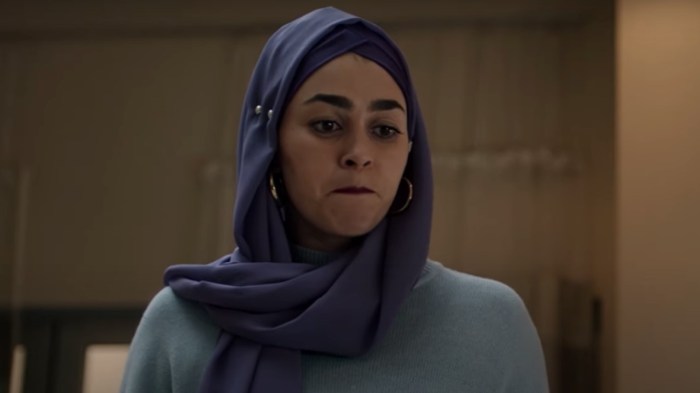
The 911 Lone Star case, as detailed by Natacha Karam, presented a complex scenario highlighting critical vulnerabilities within law enforcement procedures. Understanding the intricate details of Marjan’s role and connection to the case is crucial to extracting meaningful lessons that can strengthen future investigations and responses. Analyzing the chain of events allows for the identification of areas needing improvement, leading to more effective and equitable outcomes.The case underscored the importance of meticulous investigation techniques, prompt and accurate communication, and the need for robust policies that address potential conflicts of interest.
These shortcomings, when combined with the unique circumstances of the case, highlight the need for a more holistic approach to training and procedure development within law enforcement agencies.
Key Takeaways from the 911 Lone Star Case
The 911 Lone Star case serves as a stark reminder of the potential for errors in judgment and procedural lapses within investigations. Key takeaways include the importance of thorough record-keeping, swift and coordinated responses, and a critical evaluation of witness statements. Maintaining an impartial approach, free from bias or preconceived notions, is paramount in preventing misinterpretations and ensuring justice.
Areas for Procedural Improvement
The case reveals several areas where procedures and policies could be significantly improved. Effective communication between different law enforcement units, rapid information sharing, and rigorous investigation protocols are essential. Establishing clear guidelines for handling confidential information, while protecting the privacy of individuals, is also vital.
Potential Improvements in Communication and Investigation Protocols
Improving communication and investigation protocols is crucial to preventing similar incidents in the future. These improvements can be achieved through enhanced training programs and standardized protocols. This section focuses on tangible steps to enhance communication and investigation practices, using the 911 Lone Star case as a catalyst for change.
| Area of Improvement | Specific Actions | Rationale |
|---|---|---|
| Communication Protocols | Implement a centralized, real-time communication platform for all law enforcement agencies involved in a case. Establish standardized language and terminology to avoid misinterpretations. | Improved communication reduces the risk of miscommunication and delays in critical information exchange, leading to quicker and more accurate responses. |
| Investigation Protocols | Develop and implement standardized investigation protocols that include specific steps for handling witness statements, evidence collection, and documentation. Establish a system for tracking and managing evidence effectively. | Standardized protocols ensure consistent procedures across all investigations, minimizing the potential for errors and ensuring that critical evidence is not overlooked. |
| Conflict of Interest Management | Establish clear policies and procedures for managing potential conflicts of interest. Require thorough background checks and ethical training for all personnel involved in investigations. | Addressing potential conflicts of interest proactively reduces the likelihood of bias or compromised objectivity, fostering trust in the investigation process. |
Broader Implications for Law Enforcement Training and Strategies, 9 1 1 lone star natacha karam explains that wild twist and what it taught us about marjan
The 911 Lone Star case highlights the need for a more comprehensive approach to law enforcement training and strategies. This includes rigorous training in critical thinking, evidence analysis, and ethical decision-making. Training programs should emphasize the importance of impartiality and the avoidance of biases, particularly in situations where personal connections or preconceived notions might influence judgment.
Visual Representation of the Case: 9 1 1 Lone Star Natacha Karam Explains That Wild Twist And What It Taught Us About Marjan
Visual representations, such as flowcharts, can significantly aid in understanding complex events like the 911 Lone Star incident. They provide a clear, concise overview of the sequence of actions, highlighting key players and their roles, thereby facilitating comprehension and analysis. A well-structured visual representation can effectively communicate the intricacies of the case, including the surprising “wild twist.”A visual representation offers a compelling alternative to textual descriptions, allowing viewers to grasp the chronological progression and interconnections of events more readily.
The strategic use of symbols, colors, and shapes can enhance clarity and further emphasize key aspects of the incident. This method of presentation allows for a more immersive and easily digestible understanding of the complex sequence of events.
Flowchart Options for the 911 Lone Star Incident
Various flowchart options can illustrate the 911 Lone Star incident, emphasizing different aspects. A flowchart is an effective way to show the timeline of events and the interactions between individuals and groups.
- Option 1: Chronological Flowchart This flowchart prioritizes the chronological order of events, with each box representing a significant action or decision. Key players are identified, and their actions are clearly linked. This option is useful for tracing the development of the situation and the “wild twist” within the timeline. Color-coding can be used to distinguish different phases of the incident (e.g., initial response, investigation, discovery of new evidence).
Symbols like arrows and connecting lines can represent the relationships between events and actions. For example, a dashed arrow could signify a delayed action or an action that was not immediately apparent.
- Option 2: Decision-Based Flowchart This option emphasizes the decisions made by various individuals and their consequences. Each decision point is clearly highlighted, with potential outcomes shown as branching paths. This representation allows for a deep understanding of the critical choices that led to the incident’s evolution and the “wild twist.” Different colors can represent the actors involved in a specific decision and how those choices affected the sequence of events.
For instance, a red box could signify a critical mistake, while a green box could represent a proactive step. Symbols can also be used to represent the impact of decisions (e.g., a downward arrow for negative consequences).
- Option 3: Character-Focused Flowchart This representation focuses on the individual actions of key players. Each box represents a specific character and their activities, and the connections between these boxes demonstrate their relationships and interactions. This approach allows viewers to see how each character’s actions influenced the events and how the “wild twist” unfolded as a consequence of a specific individual’s involvement.
Colors can differentiate different characters, while symbols can represent specific interactions (e.g., a handshake symbol for cooperation, a conflict symbol for disagreement).
Comparison of Visual Representation Options
| Flowchart Option | Clarity | Effectiveness in Showing the “Wild Twist” | Strengths | Weaknesses |
|---|---|---|---|---|
| Chronological | High | Moderate | Straightforward, easy to follow | May not emphasize the interconnectedness of decisions |
| Decision-Based | High | High | Highlights the impact of decisions | Can become complex if many decisions are involved |
| Character-Focused | Moderate | High | Focuses on individual contributions | May obscure the overall timeline |
Summary
In conclusion, the 911 Lone Star case, through Natacha Karam’s account and the subsequent “wild twist,” reveals significant insights into the complexities of investigation and the importance of considering multiple perspectives. Marjan’s role becomes clearer in the context of this revised understanding, prompting reflection on how such incidents can inform future practices in law enforcement. The visual representations offered further enhance our understanding of the case’s progression and the critical moments leading to the surprising turn of events.
Ultimately, this case serves as a valuable lesson in the ever-evolving nature of investigation and the importance of thorough analysis.