
One Of Bransons Most Iconic Rides Wont Be Open For Much Longer
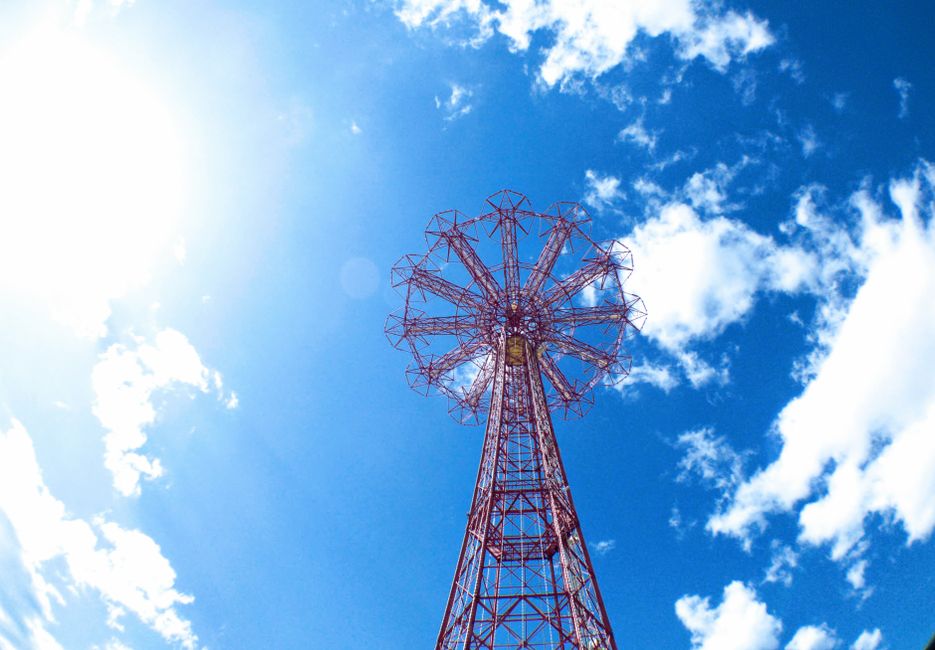
The Final Countdown: Saying Goodbye to a Branson Legend
The echoes of screams, the blur of motion, the exhilarating rush – for decades, one particular attraction has been synonymous with the thrill-seeking spirit of Branson, Missouri. This iconic ride, a cornerstone of countless vacation memories and a beacon for adrenaline junkies, is preparing for its final descent. The news has sent a wave of nostalgia and urgency through the community and among its devoted fanbase: this beloved thrill machine will soon cease operations, marking the end of an era for the live entertainment capital of the Ozarks. Understanding the reasons behind its closure, the legacy it leaves behind, and the impact on Branson’s tourism landscape is crucial for anyone who has experienced its magic or plans to visit before its final curtain call.
The ride in question is the Drop of Doom (or its current iteration, the Drop Tower) at Silver Dollar City. For years, this towering structure has stood as a sentinel of excitement, its imposing silhouette a promise of gravity-defying adventure. But this isn’t just about a roller coaster or a spinning ride; the Drop of Doom represents something more profound for Branson. It embodies the park’s commitment to pushing boundaries, offering an unparalleled rush that complements the park’s more historical and family-friendly attractions. Its impending closure signifies a shift, a reevaluation of the park’s offerings, and a poignant moment for those who have held its exhilarating drops close to their hearts. The decision to decommission such a popular and recognizable attraction is rarely made lightly, and delving into the underlying factors provides a clearer picture of the future trajectory of Silver Dollar City and Branson’s entertainment scene.
While the exact reasons for the decommissioning are often complex and multifaceted, several key factors typically contribute to the retirement of large-scale amusement park rides. Foremost among these is the aging of the infrastructure. The Drop of Doom, like any mechanical marvel, is subject to the relentless march of time and wear and tear. Maintaining such a massive and intricate structure requires substantial ongoing investment in inspections, repairs, and component replacements. As rides age, the cost of these safety-critical maintenance procedures can escalate significantly, sometimes reaching a point where it becomes economically unfeasible compared to the revenue generated or the introduction of newer, more advanced attractions. The constant demand for high-speed, reliable operation means that even the most robust engineering can only withstand so much before requiring extensive overhauls or complete replacement.
Beyond the purely mechanical aspects, advancements in ride technology also play a pivotal role. The amusement park industry is characterized by a constant drive for innovation. Newer rides offer more sophisticated thrills, unique sensations, and enhanced immersive experiences that can capture the public’s imagination in ways that older, established attractions might struggle to replicate. Silver Dollar City, a park renowned for its themed experiences and its blend of classic charm with modern thrills, likely faces pressure to evolve its lineup to remain competitive. The retirement of the Drop of Doom could be a strategic move to make way for a new, cutting-edge attraction that aligns with the park’s future vision, drawing in a new generation of thrill-seekers and offering a fresh perspective on what makes Silver Dollar City a premier destination. This often involves replacing an existing attraction with something that offers a novel experience or a higher thrill factor.
Furthermore, operational efficiency and cost-effectiveness are always under scrutiny for large theme parks. Maintaining and operating a ride of the Drop of Doom’s magnitude involves significant staffing, energy consumption, and logistical considerations. As rides age, their energy demands might increase, or their operational protocols might become less efficient compared to modern designs. The decision to close an older ride can free up resources, both human and financial, that can be reallocated to more profitable or strategically important areas of the park. This is a business decision that balances the sentimental value of a ride with its practical contribution to the park’s overall success.
The legacy of the Drop of Doom in Branson is undeniable. For years, it has been a signature attraction, instantly recognizable and a powerful draw for visitors. Its towering height and its sudden, stomach-churning plunge offered a unique brand of exhilaration that differentiated Silver Dollar City from other regional parks. It was the ride that many dared each other to go on, the ultimate test of bravery, and the subject of many excited post-ride conversations. Its absence will undoubtedly leave a void in the park’s skyline and in the collective memory of its visitors. The iconic status of the Drop of Doom can be attributed to its simple yet highly effective design: a towering structure that lifts riders to an immense height, providing breathtaking panoramic views of the Ozarks, only to then plummet them back to earth at terrifying speeds. This primal thrill of freefall has a universal appeal, and the Drop of Doom delivered it with undeniable impact.
The impact of the Drop of Doom’s closure on Branson’s tourism industry will be subtle but significant. While Silver Dollar City is a massive draw in itself, individual iconic rides contribute to the unique identity and appeal of a destination. The Drop of Doom, as a landmark thrill, has been a significant selling point for the park and, by extension, for Branson. Its closure might necessitate a renewed marketing push for other attractions within the park and the wider Branson area to ensure continued visitor engagement. However, it also presents an opportunity for Silver Dollar City to introduce something entirely new, potentially generating buzz and drawing in visitors eager to experience the next big thing. The anticipation surrounding a new major attraction can often offset the loss of an older one, particularly if the new offering is innovative and highly publicized.
For many long-time visitors and locals, the closure of the Drop of Doom will evoke a sense of nostalgia. It represents a bygone era of amusement park thrills, a time when such towering drop towers were at the forefront of excitement. Memories of family trips, of conquering fears, and of shared moments of pure adrenaline will be tied to this ride. As the final days of operation approach, a surge in visitor numbers is anticipated as people flock to experience the ride one last time. This "last chance tourism" phenomenon is common when beloved attractions are slated for removal. Parks often capitalize on this by offering special events or merchandise commemorating the ride’s history, further solidifying its place in the hearts of its fans.
Looking ahead, Silver Dollar City will undoubtedly leverage this transition as an opportunity to innovate and to enhance its overall guest experience. The space occupied by the Drop of Doom, and the investment that would have gone into its continued maintenance, can now be directed towards developing new attractions, expanding existing areas, or improving guest amenities. The strategic closure of older rides, while bittersweet, is often a necessary step for theme parks to remain dynamic and relevant in a constantly evolving entertainment landscape. This allows for a continuous cycle of excitement and novelty, ensuring that visitors always have something new to discover and experience.
The closure of an iconic ride like the Drop of Doom is more than just the removal of a piece of amusement park equipment; it is the closing of a chapter. It’s a testament to the enduring appeal of thrill-seeking and the role that these experiences play in shaping our vacation memories. While the final drop is imminent, the legacy of the Drop of Doom will continue to resonate within the history of Silver Dollar City and the broader narrative of Branson’s entertainment heritage. The anticipation for what comes next will undoubtedly fill the void left by its departure, but for those who have experienced its unique brand of terror and delight, the memory of its exhilarating descent will remain. This farewell is not just an ending, but a prelude to the park’s continued evolution and its commitment to providing unforgettable experiences for generations to come. The story of Branson’s thrill rides is a dynamic one, and the retirement of a legend like the Drop of Doom is simply the next page being turned.
