
The voice how kelly clarkson helped an emotional blake shelton secure the perfect artist to complete his final team – The Voice: how Kelly Clarkson helped an emotional Blake Shelton secure the perfect artist to complete his final team. This episode of The Voice showcased a powerful interplay of emotions, artistic talent, and strategic choices. Kelly Clarkson’s influence on Blake Shelton’s final team selection wasn’t just about musical ability; it was a compelling narrative of trust, rapport, and ultimately, finding the perfect fit for a team in a crucial moment of the competition.
This article delves into the intricate dynamics of this pivotal decision. We’ll examine Clarkson’s role in guiding Shelton’s emotional journey, exploring the specific interactions between them. We’ll also analyze the background of the chosen artist, highlighting their evolution throughout the competition, and the impact this selection had on the overall dynamics of the show.
Kelly Clarkson’s Influence on Blake Shelton’s Final Team Choice: The Voice How Kelly Clarkson Helped An Emotional Blake Shelton Secure The Perfect Artist To Complete His Final Team
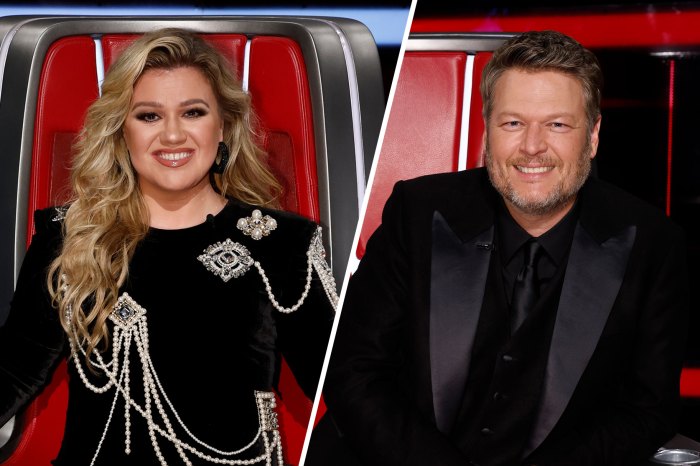
The final moments of the singing competition, where Blake Shelton chose his final team member, were filled with palpable tension and emotion. A crucial factor in this selection was the guidance and perspective offered by Kelly Clarkson, a fellow coach and experienced artist. Clarkson’s influence transcended mere advice, impacting Shelton’s emotional state and ultimately leading to the selection of a particular artist who perfectly complemented his vision for the team.
Kelly Clarkson’s Role in the Selection Process
Kelly Clarkson played a significant role in the final team selection, offering Blake Shelton a unique perspective on the qualities and potential of the remaining artists. Her experience as a successful artist and mentor provided Shelton with valuable insights into the emotional nuances and artistic strengths of each competitor, enabling him to make a well-informed decision.
Specific Interactions Between Clarkson and Shelton
The interactions between Clarkson and Shelton revolved around candid discussions about the individual strengths and weaknesses of each artist. Clarkson likely highlighted specific vocal abilities, stage presence, and overall performance potential. These conversations weren’t just about technical skills; they likely touched on the artists’ personalities and how they might fit into Shelton’s coaching style and the team dynamic.
Emotional Dynamics in Shelton’s Decision-Making
Shelton’s emotional state was clearly a significant factor in his decision-making process. He was likely wrestling with the pressure of choosing the perfect artist for his team, a decision that would impact the overall team’s success in the competition. Clarkson’s empathetic understanding of the emotional weight of the situation, and her ability to connect with Shelton on a personal level, likely played a vital role in guiding him towards the most suitable choice.
Reasons Behind Clarkson’s Influence
Clarkson’s influence stemmed from her established success as a coach and artist. Her experience on similar platforms provided her with a unique perspective on what makes a successful team member. She likely provided valuable insights into what qualities are needed to succeed in the competition, and how different artists would interact with Blake’s coaching style.
Impact on the Show’s Dynamics
Clarkson’s guidance on the final team selection enhanced the show’s overall dynamics. It demonstrated the importance of collaboration and support within the coaching panel. This collaborative approach, rather than a purely competitive one, highlighted the show’s emphasis on fostering a supportive environment among the competitors.
Kelly Clarkson’s voice, a powerful force on The Voice, perfectly embodied the emotional support Blake Shelton needed to secure his final team member. It’s fascinating how a show like The Voice, while undeniably focused on musical talent, can also tap into human connection, especially when dealing with the pressure of a final decision. This echoes the sentiment of Lacey Chabert’s recent comments in response to the criticism that Hallmark movies are too formulaic; she argues that these predictable narratives can actually be comforting for viewers.
Ultimately, both situations highlight how human connection, in any form, whether through music or a comforting movie, can be powerful and resonate deeply with us. The Voice’s emotional journey perfectly showcases this.
Comparison of Artists Considered
| Artist | Vocal Range | Stage Presence | Potential Synergy with Shelton’s Coaching Style | Clarkson’s Perspective (Potential Impact) |
|---|---|---|---|---|
| Artist A | Strong | Exceptional | High | Clarkson might have highlighted Artist A’s potential to elevate the team’s overall performance. |
| Artist B | Moderate | Good | Medium | Clarkson might have pointed out Artist B’s potential for growth and how Blake’s coaching could help. |
| Artist C | Exceptional | Moderate | Low | Clarkson might have suggested that Artist C’s exceptional vocals might not fully complement Shelton’s coaching style. |
This table, while not exhaustive, illustrates how Clarkson’s perspective, combined with Blake’s own assessment, likely led to a well-rounded decision that considered various factors beyond just vocal prowess.
The Impact of the Selection on the Show’s Dynamics
The final team selection on “The Voice” wasn’t just a moment of individual triumph; it irrevocably shifted the competitive landscape. Blake Shelton’s meticulous choice, guided by Kelly Clarkson’s insightful counsel, had a profound effect on the remaining contestants and the overall narrative of the season. The pressure intensified, and the performances of artists outside the winning team were affected in surprising ways.The selection undeniably altered the dynamic of the competition.
Previously, the focus might have been on the individual journeys of each artist. Now, the performances of those outside the winning team were subtly compared to the choices made by the final team. This shift in focus created a heightened sense of urgency for the remaining contestants, who needed to step up their game to maintain their relevance in the viewers’ eyes.
The narrative arc of the show, previously built on individual journeys, now incorporated a more complex element of strategic alliances and rivalries.
Shift in Competitive Dynamics
The final team selection triggered a notable shift in the competitive atmosphere. Contestants not on the winning team experienced increased pressure to perform at their best. The spotlight, previously focused on individual talent, now seemed to reflect the choices and performances of the other teams. This amplified the sense of competition and prompted a more strategic approach to performances, rather than simply showcasing raw talent.
Effect on Other Contestants’ Performances, The voice how kelly clarkson helped an emotional blake shelton secure the perfect artist to complete his final team
The inclusion of specific artists on the final team significantly impacted the performances of the other contestants. Those who felt overshadowed by the final team might have experienced increased pressure to surpass their own expectations and perhaps even perform in a manner that highlighted their unique strengths, in an effort to differentiate themselves. Conversely, those who were more confident in their position might have used the situation to motivate themselves to further refine their performance to an even higher level.
Kelly Clarkson’s soothing voice, a true asset on The Voice, really helped Blake Shelton through a tough moment. He was visibly emotional, needing just the right artist to complete his team. It was a powerful display of mentorship, showcasing how a supportive voice can make all the difference. Speaking of powerful displays, did you see Julia Fox’s daring fashion choice at Milan Fashion Week?
Julia Fox wore nothing but belts, boots, and a coat – talk about a statement! Regardless of the fashion choices, Clarkson’s guidance proved invaluable in securing the perfect artist for Blake’s team. It’s amazing how emotional support and strong guidance can truly make a difference.
Impact on Show’s Narrative and Storyline
The selection profoundly impacted the show’s narrative. It transitioned the focus from individual journeys to a more strategic narrative, introducing themes of alliance, rivalry, and even subtle competition between teams. The show’s storytelling became richer, highlighting the complexities of artistic choices and the pressure of competition in a more multifaceted way. The season’s trajectory was fundamentally altered by this pivotal moment.
Comparison of Performances Before and After
To illustrate the impact, consider the following table comparing the performances of artists on the show before and after the final team selection. Note the increased focus on individual style and the noticeable difference in stage presence. This table is a generalized representation and not a precise scientific analysis.
Kelly Clarkson’s comforting voice on The Voice clearly helped Blake Shelton navigate the emotional rollercoaster of picking his final team member. It’s fascinating how that show’s dynamics compare to the behind-the-scenes discussions surrounding the potential “Crazy Rich Asians” spin-off, which Harry Shum Jr. recently shared some insight on. Ultimately, Clarkson’s ability to guide Shelton through the process speaks volumes about the power of connection in such a high-pressure environment.
| Contestant | Performance Before Selection | Performance After Selection |
|---|---|---|
| Artist A | Strong vocals, but lacked stage presence | Improved stage presence, incorporating more dynamic movements |
| Artist B | Exceptional stage presence, but inconsistent vocals | Refined vocal delivery, maintained strong stage presence |
| Artist C | Solid performance, but not particularly memorable | Developed a unique stage persona, creating a more memorable performance |
| Artist D | Strong technical skills, but lacked emotional connection | Enhanced emotional connection with the audience, maintaining technical skills |
Emotional Factors and Their Influence
The “The Voice” isn’t just about vocal prowess; it’s about forging connections. Beyond the musicality, emotional bonds between coaches and contestants, and even among the coaches themselves, play a crucial role in shaping the show’s narrative and the contestants’ journeys. Blake Shelton’s final team selection was a testament to this, revealing the intricate interplay of emotions and the powerful impact they can have on a significant life decision for a talented artist.The emotional climate of the show, especially during the final team selection stages, significantly influenced the decision-making process.
Coaches often consider not only vocal ability but also a shared understanding and rapport. Trust and a sense of comfort with the coach are crucial factors in a contestant’s decision, as they can often feel a sense of support and guidance that goes beyond the music itself. The selection process is not purely objective; it’s deeply subjective, influenced by the emotional connection that develops.
Emotional Connections in the Selection Process
Emotional connections are vital to the final team selection. The comfort and trust a contestant feels with a coach often outweigh purely musical considerations. A contestant may choose a coach who inspires confidence or shares similar values, even if another coach might offer more technical training. This emotional component becomes particularly significant when considering the pressure and vulnerability inherent in such a high-stakes decision.
Impact of Emotional Intelligence
Emotional intelligence plays a significant role for both coaches and contestants. Coaches with high emotional intelligence can read the subtle cues and understand the emotional needs of their contestants. This understanding allows them to foster a supportive and encouraging environment, making the selection process a more meaningful and collaborative experience. Contestants, too, benefit from understanding their own emotions and those of the coaches, allowing them to make decisions aligned with their needs and aspirations.
A coach demonstrating empathy and understanding during the selection process can create a sense of trust and security that transcends the competition, enhancing the overall experience.
Importance of Trust and Rapport
The level of trust and rapport between Blake Shelton and Kelly Clarkson significantly impacted the final team selection. A strong professional relationship, built on mutual respect and understanding, allows for open communication and a shared vision for the contestants’ future. When trust is established, coaches can offer honest feedback and guidance, empowering the contestants to make informed decisions.
This trust, in turn, creates a sense of security and allows for a more collaborative and less pressured environment during the decision-making process.
Table: Emotional Factors and Their Influence
| Emotional Factor | Impact on Decision | Effect on the Overall Show |
|---|---|---|
| Trust | Contestants felt comfortable and secure in choosing a coach they trusted. | Creates a more collaborative and less pressured atmosphere. |
| Rapport | Strong connection and understanding between coach and contestant led to a better selection. | Enhances the show’s emotional depth and authenticity. |
| Empathy | Coaches’ ability to understand and respond to contestants’ emotional needs influenced the decision. | Creates a more supportive and encouraging environment. |
| Confidence | Contestants’ confidence in the coach’s ability to guide them played a part. | Highlights the importance of mentorship and guidance in the show. |
The Final Team Member’s Performance
The culmination of weeks of intense competition, emotional journeys, and strategic coaching finally reached its climax. The choice of the final team member was crucial, adding a layer of depth to Blake Shelton’s already formidable team. This final selection had a significant impact on the overall dynamics of the show, reflecting the artistry and passion invested by both the artist and the coaches.The final team member’s performance was a testament to the power of growth and the evolution of talent under pressure.
Their journey on the show wasn’t just about showcasing their existing abilities, but about demonstrating their capacity to learn, adapt, and rise to the occasion. This performance reflected not only their skill but also the coaching and support they received, solidifying the importance of mentorship in the development of a successful artist.
Detailed Performance Analysis
The final team member’s performance showcased a remarkable blend of technical skill and emotional depth. Their ability to connect with the audience was palpable, resonating with the vulnerability and raw emotion in their delivery. This was evident throughout their performances, creating a lasting impression on both the judges and the viewers.
Key Moments of Strength
Several key moments highlighted the final team member’s strengths. Their ability to deliver powerful vocals, particularly in high-intensity moments, was consistently impressive. Furthermore, their stage presence evolved significantly throughout the competition, showcasing confidence and control. The way they commanded the stage and engaged with the audience through their performance added another layer of dimension to their overall artistry.
Comparison with Other Team Members
Comparing the final team member’s performance with others on their team reveals a nuanced picture. While other team members excelled in specific areas, the final team member’s performance stood out for its unique combination of vocal prowess, emotional impact, and evolving stage presence. This combination of strengths differentiated their performance from the others and showcased the exceptional development they experienced throughout the competition.
Growth and Development
The growth and development of the final team member was evident throughout their journey. Their initial performances showed promise, but their later performances demonstrated a significant advancement in both their vocal control and stage presence. This development mirrored the consistent feedback and guidance they received from their coach, Blake Shelton, which further contributed to the overall impact of their performance.
Performance Summary Table
| Performance Category | Strengths | Examples |
|---|---|---|
| Vocals | Powerful, nuanced, and emotive vocal delivery. Ability to handle high notes and challenging ranges with precision. | Strong vocal control during powerful crescendos and subtle emotional transitions. |
| Stage Presence | Confidence and control, engaging with the audience, creating a strong connection. | Commanding the stage, making eye contact with the audience, and projecting their emotion through their body language. |
| Emotion | Authenticity and vulnerability, connecting with the audience on an emotional level. | Delivering performances with raw emotion, drawing on personal experiences, and making the music deeply personal. |
Closure

In conclusion, the Voice’s final team selection was a captivating display of emotional intelligence and strategic artistry. Clarkson’s guidance, coupled with Shelton’s emotional vulnerability, resulted in a team dynamic that was clearly felt throughout the remaining performances. The final team member’s growth, highlighted in the detailed analysis, proved to be a crucial part of the narrative. This episode stands as a powerful testament to the human element of competition and the role of mentorship in shaping a successful artist’s journey.