Variety Reveals its 10 Comics to Watch for 2026 Ahead of New York Comedy Festival Showcase

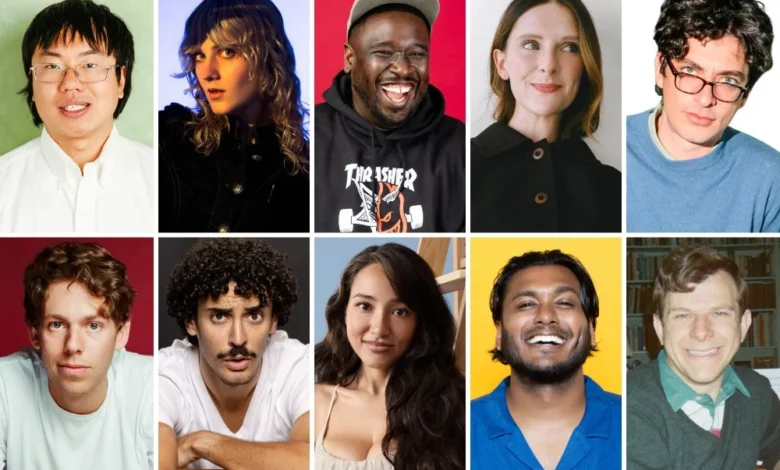
The landscape of professional comedy has undergone a radical transformation since the turn of the millennium, shifting from a club-centric circuit to a digital-first ecosystem where viral clips and multi-platform branding dictate success. As the industry continues to evolve, Variety has officially announced its 2026 class of 10 Comics to Watch, a prestigious annual roster that has historically served as a bellwether for the next generation of entertainment icons. This year’s honorees, including Adam Friedland, Kyle Gordon, Wally Baram, Usama Siddiquee, and Lucas Zelnick, will mark their induction with a high-profile live showcase at the New York Comedy Festival on November 12.

A Legacy of Identifying Comedy Titans
Since its inception in 2000, the 10 Comics to Watch franchise has established a formidable track record for identifying talent before they achieve household-name status. The inaugural list featured individuals who would go on to define the comedy aesthetics of the early 21st century, including Zach Galifianakis, Maria Bamford, Patton Oswalt, and Louis C.K. By documenting the rise of these performers, the franchise provides a longitudinal study of how comedy trends have shifted—from the observational storytelling of the early 2000s to the multimedia-heavy, personality-driven content of the present day.
The predictive accuracy of the list remains a point of industry interest. Fifteen years ago, the selection of Nate Bargatze and Nikki Glaser highlighted the early potential of two performers who have since become global touring powerhouses, selling out arenas and headlining major streaming specials. Other notable alumni include industry staples such as Wanda Sykes, Fred Armisen, Dane Cook, and Michael Che. In more recent years, the list has successfully pinpointed the breakout stars of the streaming era, such as Ayo Edebiri, Hannah Einbinder, Caleb Hearon, and Julio Torres, whose work has blurred the lines between stand-up, television writing, and dramatic acting.

The 2026 Cohort: A Study in Modern Versatility
The 2026 lineup reflects the current realities of the comedy industry, which demands that performers be as adept at social media engagement as they are at traditional stage craft. The list includes Adam Friedland, a provocateur-talk show host whose cynical, observational style resonates with a digital-native audience, and Kyle Gordon, the musical satirist widely lauded as the "Millennial Weird Al." Gordon’s rise, fueled by high-concept musical parodies, underscores the shift toward niche-interest comedy that finds global distribution through algorithmic discovery.
The 2026 class also emphasizes the trend of "cross-pollination," where comedians leverage stand-up as a springboard into scripted television and film. Wally Baram, known for her work on projects like Overcompensating, exemplifies the modern comic who manages to bridge the gap between intimate club sets and professional television writing rooms. Similarly, Lucas Zelnick represents the power of the "crowd-work" phenomenon, where short, high-energy clips of unscripted interactions with audience members have replaced traditional tight-five sets as the primary vehicle for building massive, loyal online followings.

The New York Comedy Festival Connection
The induction of these 10 comedians will be celebrated with a live performance at the New York Comedy Festival (NYCF). The showcase is scheduled for November 12 at the Hard Rock Hotel in Times Square. The NYCF, which has grown into one of the largest and most influential comedy gatherings in the world, serves as the ideal backdrop for this announcement.
For the performers, the showcase is not merely a ceremonial event but a career-defining opportunity. Appearing alongside peers and receiving public endorsements from industry veterans like Nikki Glaser, Hasan Minhaj, and Tim Robinson provides these comics with the necessary credibility to transition from club headliners to touring acts capable of filling theaters. Ticket information and full event details are currently available via the official New York Comedy Festival website, marking the beginning of what many industry analysts expect to be a breakout year for these specific talents.

Industry Implications: The Shift Toward Digital Sovereignty
The selection process for the 2026 list underscores a broader shift in the comedy business model. Historically, a comic’s trajectory was dependent on representation, network development deals, and late-night television spots. Today, the "Comics to Watch" list highlights a generation that has achieved a measure of digital sovereignty. By building independent audiences through platforms like TikTok, YouTube, and Patreon, these performers have fundamentally altered the balance of power in the industry.
"The comedy industry is bigger than it has ever been," notes an industry analyst familiar with the selection process. "We are seeing a move away from the gatekeeper model where a comic waited for a network executive to notice them. Now, we are seeing comedians who arrive on the scene with an established, global fanbase, a self-sustaining revenue stream, and a clearly defined creative voice. This list reflects that autonomy."

Furthermore, the involvement of established stars in the endorsement process—such as Tim Robinson’s recognition of new talent—signals a "mentorship economy" within the comedy world. As the industry becomes increasingly crowded, established stars are leveraging their own platforms to curate the next wave of performers, ensuring that the legacy of high-quality stand-up continues even as the mediums of delivery change.
The Chronology of Comedy Evolution
When evaluating the 2026 list against the 2000 inaugural class, several shifts are apparent:

- Technological Infrastructure: In 2000, "discovery" happened through HBO specials and the Late Show with David Letterman. In 2026, discovery is continuous, occurring through daily content drops.
- Niche Targeting: Whereas 2000s comedy often sought mass-market appeal, modern comics are increasingly leaning into hyper-specific cultural niches, which are then amplified by global recommendation engines.
- The Erasure of Boundaries: The 2026 honorees show a marked decline in the distinction between "stand-up" and "internet personality." The two roles have effectively merged, with live shows now serving as the "live experience" component of a broader digital brand.
Future Outlook and Economic Impact
The economic footprint of these comedians is not insignificant. With stand-up comedy currently experiencing a "golden age" in terms of ticket sales and streaming volume, the 10 Comics to Watch are positioned to become the next generation of intellectual property creators. As streaming platforms look to fill content quotas and live venues seek to capitalize on the post-pandemic resurgence of in-person entertainment, these performers are set to be the primary beneficiaries of increased demand.
The November 12 showcase at the Hard Rock Hotel is expected to draw significant interest from talent agents, studio executives, and casting directors, all of whom are looking to tap into the momentum generated by this year’s selection. For the 10 honorees, the event serves as a launchpad, signaling their arrival as the primary voices of a new era.

As the comedy landscape continues to fracture and expand, the role of the 10 Comics to Watch franchise remains vital. By codifying talent, providing a platform for discovery, and contextualizing the evolution of humor, the list serves as both a historical record and a roadmap for the future of entertainment. Whether these performers remain on the trajectory set by their predecessors—becoming the next generation of global stars—remains to be seen, but the industry is clearly watching.