The organic precision behind Calcou’s Anjuna release featuring Reaktor | Native Instruments Blog


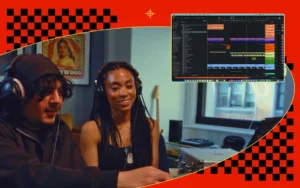
The evolution of electronic music in Berlin has long been defined by a tension between the clinical precision of digital production and the raw, unpredictable energy of live performance. For the artist known as Calcou, a prominent figure in the city’s contemporary production scene, this tension has found a new resolution through the release of the EP Now, What?. The record marks a significant milestone in the project’s history, signaling its transition from a solo venture led by producer Stefan into a sophisticated duo featuring the vocalist and songwriter Thea. This collaborative shift represents more than a change in personnel; it reflects a broader movement within the independent electronic sector toward organic textures and human-centric songwriting, even when the underlying architecture is built on complex modular synthesis.
The Genesis of a Collaborative Era
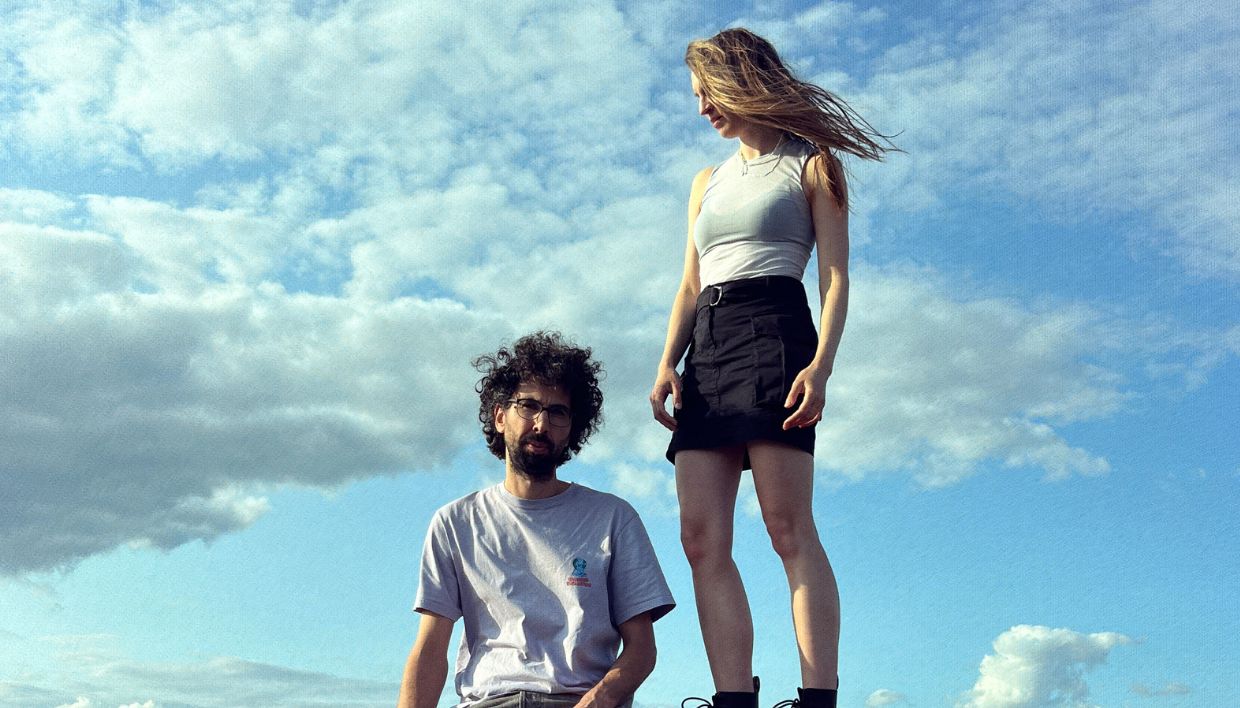
The transition of Calcou from a solo studio project to a collaborative partnership was not an overnight occurrence but rather the culmination of years of proximity and shared creative space. Stefan, who established the Calcou name through a series of solo releases characterized by intricate soundscapes and rhythmic clarity, had long operated within the Berlin orbit. Thea, a songwriter and vocalist with a penchant for emotive toplines and minimalist arrangements, had been working alongside Stefan in various capacities before the duo officially formalized their partnership.
The decision to merge their talents into a singular entity was driven by a desire to bridge the gap between the producer-centric world of electronic music and the narrative-driven world of traditional songwriting. In Now, What?, this synergy is immediate. The EP functions as a dialogue between two distinct creative philosophies: one rooted in the technical mastery of modular environments and the other in the visceral, immediate impact of the human voice. This partnership effectively addresses a common critique of modern electronic music—that it often lacks a "soul" or a human anchor—by placing Thea’s vocals at the center of Stefan’s meticulously crafted sonic environments.
Technical Architecture: The Native Instruments Ecosystem
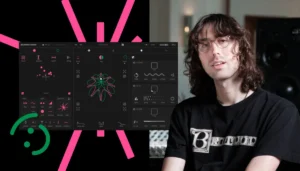
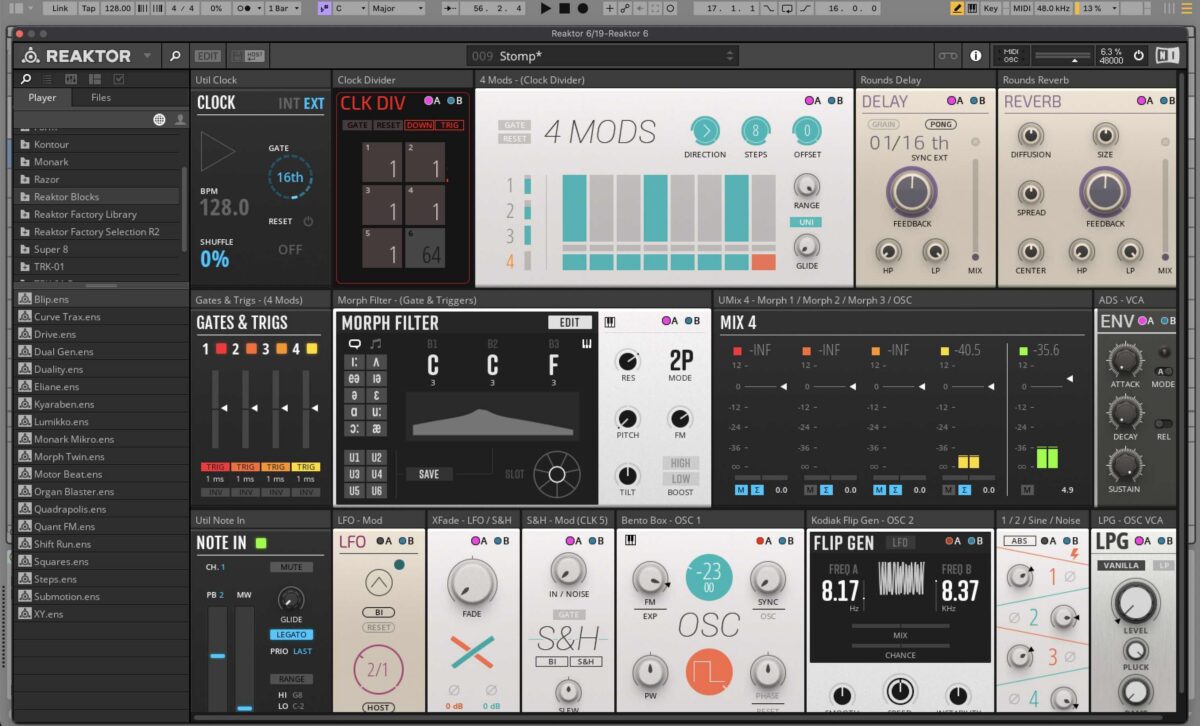
Central to the sound of Now, What? is a specific suite of tools that have become synonymous with high-end electronic production. The duo relies heavily on Native Instruments’ Reaktor 6, a modular software environment that allows for the creation of custom synthesizers and sound processors. For Calcou, Reaktor is not merely a plugin but a philosophical choice. Stefan describes the platform as "no-bullshit," a reference to its ability to provide raw, foundational sounds without the distracting "gloss" or over-processing common in many contemporary virtual instruments.
By utilizing Reaktor alongside Monark—a monophonic synthesizer known for its faithful emulation of the classic Minimoog—and Super 8, a polyphonic synth that captures vintage analog warmth, the duo maintains a workflow that prioritizes core composition over superficial sound design. This approach is rare in an era where many producers rely on massive reverb tails and complex delay chains to mask thin arrangements. Calcou’s "pro-tip" for aspiring producers reflects this discipline: they advocate for starting with simple sawtooth patches and limiting harmonies to two or three notes. The logic is that if a melody or chord progression cannot evoke an emotional response in its simplest form, no amount of sound design will fix the underlying structural weakness.
Chronology of Production and Workflow
The production of Now, What? followed a structured yet flexible timeline that allowed for both technical precision and creative spontaneity. The workflow generally began with Stefan developing the instrumental foundations, often using Reaktor Blocks to generate unexpected rhythmic or melodic "wild cards." Reaktor Blocks, a framework within Reaktor 6 that brings the experience of modular rack synthesis to the digital realm, served as a primary source of inspiration. The duo admits that the complexity of modular routing often leads to "beautiful breaks"—accidental sonic artifacts that become the focal point of a track.
Once a core "vibe" was established, the project would move to Thea’s workstation. Working in her own Digital Audio Workstation (DAW), she would develop vocal melodies and lyrical themes, sending stems back to Stefan for integration. This "give-and-take" methodology prevented the creative clashing that often plagues new collaborations. By maintaining separate workspaces initially, each artist was able to protect their individual creative spark before the final "fine-tuning" phase began.

Tracks like “Closer” and “Green Hills” serve as case studies for this workflow. In “Closer,” the tension is built through a balance of natural warmth and precise, modular-driven rhythm. The vocal layers are not treated as secondary to the beat; instead, they act as a lead instrument, guiding the listener through the shifting textures of the synthesizers.
The Philosophy of Live Performance and Minimalist Integrity
One of the most challenging aspects of modern electronic music is the translation of complex studio arrangements into a compelling live show. For Calcou and Thea, the studio versions of their tracks often exceed 100 individual audio tracks, a density that is impossible to replicate manually on stage. To solve this, the duo developed a live setup centered on an Ableton performance pack that triggers Reaktor patches and effect chains in real-time.
However, their approach to live performance is governed by a strict rule: "If the audience can’t feel it, don’t fake it." This philosophy stands in stark contrast to the "knob-turning" theater often seen in electronic sets, where performers manipulate parameters that have no audible impact on the room. Thea emphasizes that every gesture on stage must translate directly into energy. If a specific studio automation is too subtle to be heard over a club sound system, it is either bypassed or simplified to ensure that the performance remains raw and impactful.
This commitment to integrity extends to their use of audio stems. While some elements are manipulated in real-time, others are bounced to audio to ensure a stable performance. This allows the duo to focus their energy on improvisation in the spaces between songs and on the primary modulations that the crowd can actually perceive.

Industry Context and the Berlin Sound
The emergence of Calcou as a duo arrives at a time when the "Berlin Sound" is diversifying. While the city remains the global capital of techno, there is a growing appetite for melodic house and downtempo electronica—genres that prioritize atmosphere and song structure over pure dancefloor utility. The duo’s recent appearance on The Anjunadeep Edition, a prestigious mix series hosted by the London-based label Anjunadeep, underscores their alignment with the global "melodic" movement.
Anjunadeep has been instrumental in popularizing a sound that blends deep house rhythms with indie-pop sensibilities, a niche that Calcou and Thea occupy perfectly. By releasing free Reaktor presets alongside their EP, the duo is also engaging with the producer community, a move that fosters brand loyalty and positions them as thought leaders in the "prosumer" music space. This educational outreach—encouraging young producers to reverse-engineer their sounds—reflects a modern marketing strategy where transparency and community building are as important as the music itself.
Analysis of Implications for Emerging Producers
The success of Now, What? offers several key takeaways for the next generation of electronic artists. First, it highlights the value of "limiting choices." In an age of infinite VSTs and sample packs, Calcou’s reliance on a few core tools (Reaktor, Monark, Super 8) demonstrates that mastery of a specific ecosystem is more effective than a superficial knowledge of many.
Second, the duo’s emphasis on "protecting the chemistry" serves as a blueprint for successful collaboration. By defining roles early and respecting each other’s creative domains, Stefan and Thea have managed to produce a body of work that feels cohesive rather than fragmented. Their advice to "keep the human fingerprints"—the imperfect takes and the odd sounds—is a reminder that in an increasingly AI-driven production landscape, the "soul" of a track lies in its flaws.
Conclusion: The Future of Calcou
As Calcou continues to evolve, the Now, What? EP stands as a definitive statement of intent. It is a record born from curiosity and refined by discipline. By combining the technical possibilities of modular synthesis with the timeless appeal of a well-written song, Stefan and Thea have created a sonic identity that is both futuristic and deeply grounded in tradition.
The transition from a solo project to a duo has not only expanded Calcou’s sonic palette but has also provided a more sustainable model for growth in the competitive electronic music market. With a live show that prioritizes genuine impact over technical vanity and a studio workflow that prizes clarity over clutter, Calcou is well-positioned to become a leading voice in the international melodic scene. For the listener, Now, What? is an invitation to explore the intersection of man and machine, a space where precision and instinct coexist in perfect balance.
Related posts: