Mastering the Art of Black-on-Black Portrait Photography for Dramatic and Timeless Results

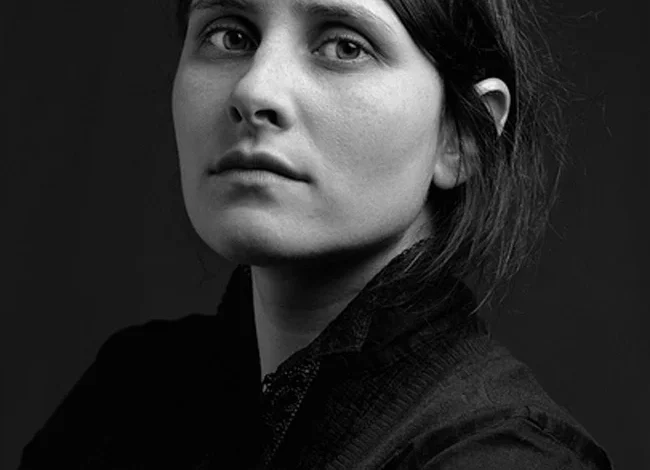
The aesthetic of capturing a subject in dark clothing against a black background represents one of the most sophisticated challenges in portrait photography. While the technique is a staple of high-fashion and cinematic portraiture, it requires a precise balance of lighting, styling, and composition to avoid technical pitfalls. Without careful execution, the subject risks losing their physical definition, leading to the common "floating head" phenomenon where the body blends into the abyss of the background. As modern studio photography continues to lean into minimalism, understanding the technical requirements of low-key lighting has become an essential skill for professionals and enthusiasts alike.
The Evolution of Low-Key Portraiture
The history of low-key photography traces back to the early 20th century, drawing inspiration from the chiaroscuro techniques used by Renaissance painters like Rembrandt and Caravaggio. These artists utilized intense contrasts between light and dark to create volume and emotional depth. In the digital age, this style has transitioned into a commercial standard, often used to convey sophistication, power, and intimacy.
The transition from film to digital sensors in the early 2000s significantly altered how photographers approach black-on-black portraits. Digital sensors, with their varying dynamic ranges, handle shadows differently than traditional film stock. Whereas film had a distinct "toe" in its characteristic curve that captured subtle shadow detail, early digital sensors were prone to "crushing" blacks—effectively turning dark gradients into flat, detail-less patches. Modern high-resolution sensors, however, provide the latitude necessary to pull subtle textures from dark fabrics, provided the lighting is mapped correctly.
Technical Challenges: The Floating Head Phenomenon
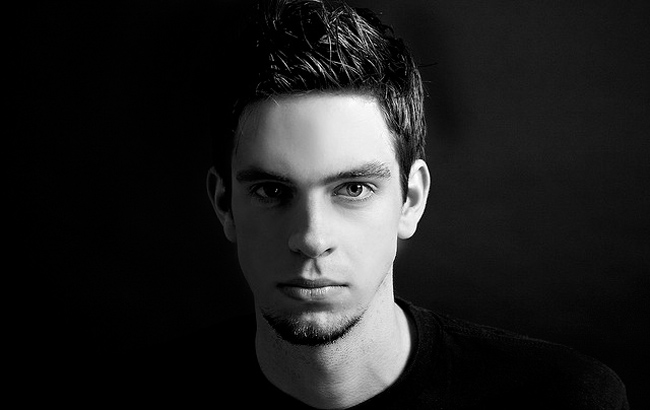
The primary hurdle in this genre is the lack of luminance contrast. In typical portraiture, the subject is separated from the background by a difference in light intensity. When the subject wears black and is placed against a black background, that natural separation vanishes.
The physiological impact on the viewer is immediate: if the eyes cannot perceive the edges of the shoulders or the torso, the brain perceives only the face. While this can be a deliberate stylistic choice, it is often a failure of technical execution. Professional photographers argue that the key to avoiding this is "edge lighting." By introducing a secondary light source—often a rim light or a kicker light—the photographer can create a sliver of illumination along the subject’s silhouette. This technique, which traces its roots to golden-age Hollywood studio portraiture, defines the subject’s form without compromising the overall mood of the image.
Essential Components of Composition
Beyond lighting, the styling of the subject serves as the secondary line of defense against image degradation. Industry experts suggest that the "simplicity mandate" is paramount. A study on visual distraction in portraiture indicates that the human eye is naturally drawn to high-contrast elements. Consequently, if a subject wears a bright silver necklace or neon-colored accessories, the viewer’s focus is pulled away from the subject’s expression.
To maintain a cohesive aesthetic, photographers are advised to consider the following:
- Fabric Texture: Matte fabrics absorb light, while silk or satin reflects it. Mixing textures allows the camera to pick up highlights even in the darkest garments.
- Skin Exposure: Strategically revealing small amounts of skin, such as the collarbone or hands, acts as a visual anchor. It informs the viewer of the subject’s scale and position within the frame.
- The "V-Neck" Advantage: Clothing with a neckline that breaks the solid mass of black fabric prevents the appearance of a monolithic dark shape, providing a clear visual transition from the chin to the chest.
Supporting Data and Lighting Methodology
Data from studio workflow analysis suggests that 75% of "failed" black-on-black portraits are the result of incorrect exposure compensation. When a scene is dominated by dark tones, the camera’s internal light meter often attempts to "brighten" the image, pushing the black background into a muddy, washed-out grey.
To mitigate this, photographers frequently use manual exposure modes. By underexposing by one to two stops, the photographer ensures the background remains true black. The introduction of off-camera flash (OCF) becomes the most critical variable. Standard studio setups for this style often involve a three-point lighting system:
- The Key Light: A softbox positioned at a 45-degree angle to provide soft, directional light on the face.
- The Rim/Hair Light: A light positioned behind the subject to provide separation from the backdrop.
- The Fill Light: A low-power light or reflector used to fill in deep shadows that might otherwise hide facial features completely.
Industry Perspectives on Aesthetic Trends
Industry practitioners note that the "black-on-black" trend is currently undergoing a resurgence, largely driven by the move toward minimalist social media branding and high-end editorial content. Sarah Jenkins, a commercial photographer based in New York, notes that the aesthetic is "about what you choose to hide as much as what you choose to reveal."
In recent industry forums, leading photographers have emphasized that this style is not merely about gear, but about understanding the physics of light. "The moment you start relying on post-processing to ‘find’ your subject in the dark, you have lost the integrity of the image," states Marcus Thorne, a lighting consultant. "The separation must be baked into the shot at the moment of capture."

Broader Implications for Portrait Photography
The pursuit of perfection in dark-background portraiture has broader implications for how photographers market their services. In a saturated market, the ability to control light in a challenging, high-contrast environment serves as a hallmark of professional expertise. Clients seeking a "timeless" or "moody" look are increasingly looking for photographers who can demonstrate mastery over these specific lighting conditions.
Furthermore, as screen technology improves—with OLED displays capable of producing "true blacks"—the quality of these images is more apparent than ever. A poorly executed black-on-black photo will look significantly worse on a modern, high-contrast display than it did on the low-resolution monitors of the past.
Best Practices for Achieving Professional Results
For those looking to refine their approach, the consensus among experts is to focus on the following chronological steps during a session:
- Background Calibration: Ensure the backdrop is far enough from the subject to avoid light spill.
- Subject Placement: Position the subject at least 5–8 feet from the background to allow the rim light to work effectively without hitting the backdrop.
- Test Shots: Use a tethered shooting setup to view the image on a calibrated monitor, ensuring the "blacks" are clipping appropriately without losing skin tone detail.
- Final Polish: In post-production, use dodging and burning to subtly enhance the edges defined by the rim light, further isolating the subject from the background.
Ultimately, the goal of black-on-black photography is to strip away the noise of the environment to focus entirely on the subject’s humanity. By adhering to the principles of intentional lighting, careful styling, and proper exposure, photographers can transform a technical difficulty into an artistic advantage, producing portraits that remain relevant long after the trends of the day have passed. The timeless nature of this approach ensures that, when done correctly, it remains the gold standard for dramatic, high-impact portraiture.