Disney Signals Return to Cinema with Star Wars The Mandalorian and Grogu Trailer Release and Franchise Strategy Shift

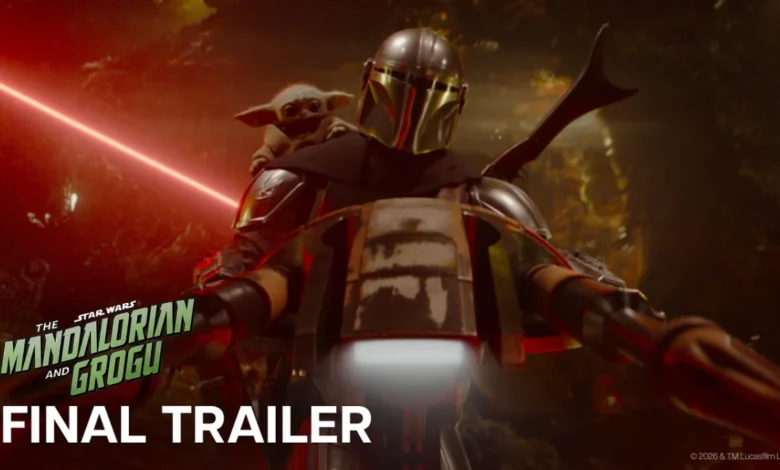
The Walt Disney Company and Lucasfilm have officially unveiled the final trailer for The Mandalorian and Grogu, marking a significant milestone in the evolution of the Star Wars franchise as it prepares to return to the global theatrical stage. Directed by Jon Favreau and co-written by Favreau alongside Lucasfilm Chief Creative Officer Dave Filoni and Noah Kloor, the film represents the first cinematic Star Wars release since 2019’s The Rise of Skywalker. This strategic move aims to bridge the gap between the highly successful streaming era on Disney+ and the traditional blockbuster legacy that defined the brand for over four decades. The trailer, which emphasizes a blend of gritty, high-stakes action and the intimate emotional bond between the titular characters, has set a release date of May 22, signaling a major push for the Memorial Day weekend box office.
The Return of the Jedi Legacy to the Big Screen
The release of The Mandalorian and Grogu trailer comes after a six-year hiatus from the silver screen for the Star Wars property. Following the conclusion of the sequel trilogy in 2019, Lucasfilm pivoted its focus toward the burgeoning Disney+ platform. During this period, the franchise saw a prolific output of live-action series, including The Book of Boba Fett, Obi-Wan Kenobi, Andor, Ahsoka, and The Acolyte. However, it was The Mandalorian, debuting in 2019, that served as the flagship for the service, introducing the world to Din Djarin and the enigmatic "Child," eventually revealed to be named Grogu.
The final trailer showcases an "epic scope" that distinguishes it from previous television teasers. Analysts note that the cinematography appears to leverage both the innovative StageCraft technology (The Volume) and expansive location shooting, suggesting a production value designed specifically for IMAX and large-format screens. By transitioning these characters from 30-to-60-minute episodes to a feature-length format, Disney is testing the viability of "theatricalizing" its streaming-first intellectual property.
Chronology of the Mandalorian Era
To understand the weight of this upcoming film, one must look at the timeline of the "Mando-Verse," a term coined by fans and creators to describe the interconnected narrative web overseen by Favreau and Filoni.
- November 2019: The Mandalorian Season 1 premieres, introducing the bounty hunter Din Djarin and the infant Grogu.
- October 2020: Season 2 expands the lore, bringing in legacy characters like Ahsoka Tano and Bo-Katan Kryze, culminating in a digital resurrection of Luke Skywalker.
- December 2021: The Book of Boba Fett serves as a "Season 2.5," reuniting Din Djarin and Grogu after the latter briefly trained at the Jedi Academy.
- March 2023: Season 3 focuses on the reclamation of the planet Mandalore, concluding with Din Djarin officially adopting Grogu and settling on the planet Nevarro.
- January 2024: Lucasfilm officially announces that the next chapter of this story will be a theatrical feature film rather than a fourth television season.
The upcoming film is positioned to act as a definitive climax or transition point for this era, potentially setting the stage for a larger "crossover event" film previously hinted at by Dave Filoni.
Deep Dive into the Final Trailer and Fan Reception
The final trailer opens with a sequence that has resonated deeply with the core Star Wars audience: Grogu meditating in a lush forest environment. This scene serves as a dual-purpose narrative tool, referencing the iconic training sequences of Master Yoda in The Empire Strikes Back while simultaneously demonstrating Grogu’s maturation in the Force. The inclusion of "Yoda’s Theme," composed by John Williams, underscores the film’s intent to tap into the nostalgia of the original trilogy.
Beyond the emotional beats, the trailer highlights several key elements:
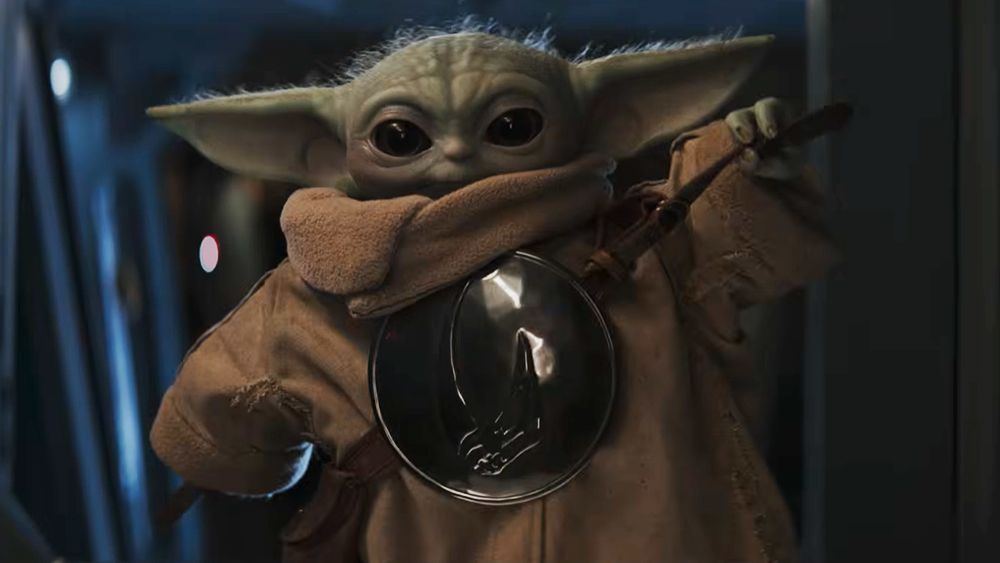
- The Bond of Found Family: The narrative focus remains steadfastly on the relationship between the bounty hunter and his apprentice. This dynamic has been the primary engine for the franchise’s recent popularity, appealing to both longtime fans and a younger demographic.
- Gritty Aesthetic: Despite the presence of the "cute" Grogu, the trailer maintains a weathered, industrial look reminiscent of the 1977 original. This "used universe" aesthetic is a hallmark of Favreau’s direction.
- Meme Culture and Marketing: Within hours of the trailer’s release, Grogu’s reactions—ranging from wide-eyed wonder to tactical focus—flooded social media platforms. Disney’s marketing strategy continues to capitalize on Grogu’s status as a cultural phenomenon, though some critics express concern regarding the potential over-commercialization of the character.
Supporting Data and Industry Implications
The decision to move The Mandalorian to theaters is backed by substantial viewership data. According to Nielsen ratings, The Mandalorian has consistently ranked as one of the most-watched original streaming series in the United States. In 2023, Season 3 alone garnered billions of minutes of watch time, proving that the audience’s appetite for these specific characters remains high despite broader "franchise fatigue" observed in other superhero and sci-fi properties.
From a financial perspective, the Star Wars theatrical brand remains one of Disney’s most valuable assets. The five films released under the Disney banner (The Force Awakens, Rogue One, The Last Jedi, Solo, and The Rise of Skywalker) have collectively grossed over $4.4 billion at the global box office. However, the underperformance of Solo: A Star Wars Story in 2018 led to a more cautious approach to theatrical releases. The Mandalorian and Grogu serves as a "litmus test" to determine if the audience is willing to pay for a cinematic experience for characters they have previously watched for free (via subscription) at home.
Official Responses and Creative Vision
While official press releases from Lucasfilm have been concise, statements from the creative leads provide insight into the project’s goals. Jon Favreau has frequently stated his desire to return to the "big screen" storytelling tradition that inspired him. "I have loved telling stories set in the rich world that George Lucas created," Favreau noted during the initial project announcement. "The prospect of bringing the Mandalorian and his apprentice Grogu to the big screen is extremely exciting."
Dave Filoni, who was recently promoted to Chief Creative Officer of Lucasfilm, has emphasized the importance of narrative cohesion. His involvement as a co-writer ensures that the film will align with the broader "New Republic" timeline, which includes the Ahsoka series and the upcoming Skeleton Crew. Sources close to the production suggest that the film will feature cameos from other live-action series characters, further solidifying the "shared universe" model popularized by the Marvel Cinematic Universe.
Broader Impact and the Future of the Franchise
The success or failure of The Mandalorian and Grogu will likely dictate the release schedule for other announced Star Wars films. These include:
- A "New Jedi Order" film directed by Sharmeen Obaid-Chinoy, featuring Daisy Ridley’s return as Rey.
- A "Dawn of the Jedi" prequel directed by James Mangold, exploring the origins of the Force.
- The aforementioned crossover film directed by Dave Filoni, intended to wrap up the storylines of the New Republic era.
If The Mandalorian and Grogu achieves blockbuster status, it will validate Disney’s strategy of using streaming platforms as a "proving ground" for new characters before elevating them to theatrical tentpoles. This could lead to a more cyclical release pattern where series and movies feed into one another more directly.
Furthermore, the film carries the burden of proving that Star Wars can still be a "must-see" theatrical event. In an era where streaming has devalued the cinematic experience for some, the "epic scope" promised by this trailer is a direct appeal to the spectacle of the theater. The May 22 release date places it in direct competition with other summer tentpoles, a bold move that suggests Disney has high confidence in the Mandalorian’s drawing power.
As the industry moves toward the 2026 release window, the focus will remain on whether Lucasfilm can maintain the delicate balance between the "gritty tone" that won over critics in Andor and Season 1 of The Mandalorian, and the "merchandisable cuteness" of Grogu. For now, the final trailer has successfully reignited the conversation around Star Wars, shifting the narrative from a streaming-exclusive property back to a global cinematic event. Fans and industry analysts alike will be watching closely to see if the "Way of the Mandalore" leads to a new golden age for the Star Wars box office.