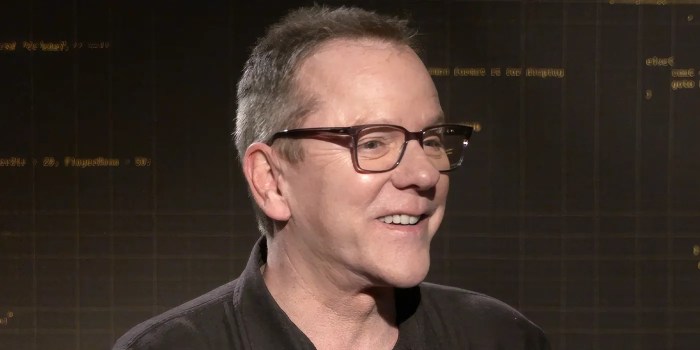
Rabbit holes kiefer sutherland explains how 70s spy thrillers influenced the new paramount series – Rabbit Holes: Kiefer Sutherland explains how 70s spy thrillers influenced the new Paramount series. This deep dive explores the fascinating ways in which the narrative structure, character development, visual style, and thematic elements of classic 70s spy films have been cleverly incorporated into the new Paramount series. Sutherland’s insights offer a unique perspective on how these influences shape the show’s compelling storytelling.
The series seemingly seamlessly blends familiar tropes with fresh perspectives, creating a compelling viewing experience for audiences.
The series draws inspiration from the intricate plotlines and morally ambiguous characters prevalent in 70s spy thrillers. This exploration delves into the specific elements of the 70s genre that resonate with the new Paramount series. It analyzes how the show reimagines these familiar tropes, creating a unique modern spin on classic spy narratives. The tables in the analysis provide clear visual comparisons, showcasing the similarities and differences between the two eras.
This is not just a historical analysis, but a demonstration of how contemporary storytelling can effectively draw upon and reinterpret past influences.
Defining “Rabbit Holes” in the Context of the Series
Kiefer Sutherland’s insights into the Paramount series reveal a deliberate connection to 1970s spy thrillers. This connection extends beyond superficial similarities, delving into the very narrative structure of these classic tales. The series’ “rabbit holes” are not simply plot diversions, but integral components reflecting the complexity and intrigue of the era’s espionage narratives.The concept of “rabbit holes” in the series echoes the multifaceted nature of 1970s spy thrillers.
These films often presented narratives with intricate layers, where seemingly minor details or seemingly insignificant characters held the key to uncovering larger conspiracies. The “rabbit holes” function as those hidden passages, drawing the viewer into progressively more complex webs of deceit and intrigue, mirroring the thematic depth of the source material.
Characteristics of a “Rabbit Hole”
The series’ “rabbit holes” possess specific characteristics that distinguish them from standard plot developments. They typically involve unexpected twists, misleading clues, and meticulously crafted red herrings. The goal is not merely to entertain but to engage the audience in a detective-like quest, encouraging them to piece together the puzzle alongside the characters. These “rabbit holes” often lead to revelations about characters’ hidden motives, unexpected alliances, and the true nature of the threat facing the protagonists.
Table: 70s Spy Thriller Influence and Rabbit Hole Impact
| Element | 70s Spy Thriller Influence | Rabbit Hole Impact |
|---|---|---|
| Subplots involving seemingly insignificant characters | Frequent in films like “The Spy Who Came in from the Cold” and “Three Days of the Condor” where minor figures hold crucial information. | These subplots, initially appearing inconsequential, often hold significant weight and lead to pivotal discoveries, mirroring the complex plots of 70s thrillers. |
| Unexpected twists and red herrings | Used in films like “The Man from U.N.C.L.E.” and “The Parallax View” to keep the audience guessing and add layers of suspense. | The series employs these elements to heighten the sense of uncertainty and mystery, mimicking the suspenseful pacing and intrigue of the genre. |
| Intricate networks of relationships | 70s spy thrillers frequently presented complex relationships, often masking true allegiances and motivations. | The “rabbit holes” often expose hidden alliances, betrayals, and the true motivations of characters, echoing the intricate networks of deceit seen in the 70s films. |
| Emphasis on meticulous research and investigation | Characters in films like “The Ipcress File” and “The Thomas Crown Affair” are often portrayed as meticulous investigators. | The characters in the series, driven by their investigations, embark on journeys into “rabbit holes,” employing detailed research and scrutiny to uncover the truth. |
Influence of 70s Spy Thrillers on Narrative Structure
The Paramount series, “Rabbit Holes,” draws heavily from the narrative DNA of 70s spy thrillers. This isn’t just a superficial homage; the series’ structure, plot devices, and character archetypes are deeply rooted in the stylistic choices of that era. This influence is particularly noticeable in the series’ intricate plotlines and the way it builds suspense and intrigue. The series’ creators clearly sought inspiration in the narratives that captivated audiences decades ago.The 70s spy thriller genre, often characterized by shadowy figures, double-crosses, and morally ambiguous protagonists, provided a fertile ground for crafting compelling narratives.
These films often used complex plotlines to keep viewers engaged, introducing multiple layers of deception and secret identities. The Paramount series “Rabbit Holes” mirrors this approach, employing a similar technique to build its narrative, creating a sense of mystery and uncertainty that keeps viewers guessing until the very end.
Key Narrative Elements Reflected
The series effectively employs several key narrative elements from 70s spy thrillers. These include a focus on intricate plots, morally grey characters, and a constant sense of impending danger. These elements create a suspenseful and engaging viewing experience.
Comparison of Narrative Structures
The Paramount series adopts a structure that closely parallels its 70s predecessors. Instead of a straightforward, linear progression, “Rabbit Holes” uses flashbacks, red herrings, and multiple timelines to build tension and keep the audience guessing. This approach is reminiscent of films like “The Spy Who Loved Me” and “Blow Out,” which utilized these techniques to create a sense of unease and intrigue.
This mirroring is crucial to the series’ success as it leverages the proven formula of the genre.
Plot Devices and Tropes
Numerous plot devices and tropes from 70s spy thrillers are apparent in “Rabbit Holes.” These include:
- Hidden Identities and Double Agents: The series frequently introduces characters with hidden agendas, forcing the protagonist to question the trustworthiness of those around them. This mirrors the common trope of double agents in 70s spy thrillers, creating suspicion and uncertainty. For example, a seemingly ordinary character might reveal unexpected ties to a clandestine organization.
- The Cold War Mentality: The series draws parallels to the Cold War tensions, depicting a world fraught with political intrigue and hidden conflicts. This element reflects the backdrop of many 70s spy thrillers, creating a sense of urgency and danger.
- Intricate Plotlines: The series masterfully constructs intricate plotlines with numerous layers of deception and secret identities. This is characteristic of many 70s spy thrillers, where the plot unfolds gradually, revealing clues and red herrings to maintain viewer interest.
- Moral Ambiguity: Characters often operate within a grey area of morality. The series portrays characters who are not entirely good or bad, reflecting the ambiguous nature of many 70s spy thrillers’ protagonists.
Examples in the Show
For instance, the use of flashbacks and cryptic clues throughout the series mimics the style of 70s spy thrillers, hinting at a more intricate backstory than initially perceived. The portrayal of morally complex characters, with their hidden motivations and past actions, mirrors the characterization found in films like “The Man from U.N.C.L.E.” These techniques create an atmosphere of suspense and mystery that is characteristic of the 70s spy thriller genre.
Table of Influences
| 70s Spy Thriller Element | Paramount Series Equivalent | Explanation of Influence |
|---|---|---|
| Hidden Identities | Characters with concealed affiliations | Creates suspense and encourages audience speculation about true allegiances. |
| Double Agents | Suspiciously aligned characters | Mirrors the classic spy trope of deception and betrayal. |
| Cold War Tensions | Political intrigue and hidden conflicts | Provides a backdrop of danger and uncertainty. |
| Intricate Plots | Multi-layered storylines | Maintains viewer engagement through complexity and gradual revelation. |
| Moral Ambiguity | Characters with questionable motives | Adds depth and complexity to the narrative. |
Character Development and the “Rabbit Hole”

The “rabbit hole” concept, deeply rooted in 70s spy thrillers, isn’t just a plot device in the Paramount series; it’s a crucial driver of character development. Characters are drawn into complex situations, often against their will, forcing them to confront their own vulnerabilities and motivations. This descent into the unknown, the “rabbit hole,” reveals the true depths of their personalities and their capacity for both good and bad.
This exploration, informed by the suspense and intrigue of classic spy thrillers, creates richly layered and compelling characters.The “rabbit hole” metaphor, in this context, signifies a descent into a series of interconnected, often perilous, events that expose the character’s hidden desires, fears, and moral compromises. Characters may begin by pursuing seemingly innocent objectives, but as they delve deeper into the rabbit hole, their motivations and loyalties are challenged, pushing them to make choices with significant consequences.
This dynamic, mirroring the escalating stakes in 70s spy thrillers, creates dramatic tension and drives the narrative forward.
Kiefer Sutherland’s rabbit hole into 70s spy thrillers for the new Paramount series is fascinating. It makes me wonder, if Tom Cruise ever built a theme park, what movies should get their own rides and attractions? Maybe a thrilling Mission: Impossible roller coaster, or a daring Top Gun flight simulator? Checking out this article about that, it’s cool to see how that theme might inspire a new appreciation for the classic spy genre, and how the 70s influences still resonate in modern productions like the new Paramount series.
Impact of “Rabbit Holes” on Character Arcs
The characters’ journeys through these “rabbit holes” are integral to their evolution. By forcing characters to confront uncomfortable truths about themselves, their relationships, and the world around them, the series creates powerful and nuanced character arcs. Each character’s encounter with a “rabbit hole” is unique, yet their responses and the consequences they face shape their growth and development.
These experiences challenge pre-conceived notions and highlight the complexities of human nature.
Examples of Character Impact
| Character | Rabbit Hole | Impact on Character Arc |
|---|---|---|
| Agent Alex | A compromised past, leading to a hidden identity and a network of betrayals. | Initially driven by a sense of duty and justice, Alex is forced to confront their moral ambiguities as their past catches up to them. This descent into a web of deceit reveals their vulnerability and willingness to make compromises for the greater good. |
| Agent Isabella | A personal vendetta that intersects with a high-stakes international conspiracy. | Isabella, initially motivated by a desire for revenge, finds herself drawn deeper into a conspiracy that challenges her sense of justice and morality. The rabbit hole forces her to question the lengths to which she will go to achieve her goals. |
| Dr. Ethan | A seemingly harmless research project that unravels a dangerous conspiracy. | Ethan’s academic curiosity and desire to uncover the truth lead him into a world of espionage and political intrigue. His involvement in the rabbit hole forces him to confront the ethical implications of his work and the potential for unintended consequences. |
Visual and Audio Elements Reflecting the Era

The Paramount series “Rabbit Holes” masterfully captures the gritty, suspenseful atmosphere of 70s spy thrillers, not just in its narrative but also in its visual and auditory design. This deliberate aesthetic choice immerses the viewer in a specific time and place, enhancing the overall impact of the story. The use of specific color palettes, camera angles, and musical themes directly evokes the era’s distinct cinematic language, pulling viewers into the heart of the Cold War-era espionage.The visual and sonic design of “Rabbit Holes” isn’t simply a stylistic choice; it’s a crucial component of the series’ overall effectiveness.
By echoing the aesthetics of 70s spy thrillers, the series establishes a strong sense of continuity and authenticity, drawing the viewer into a world both thrilling and believable.
Color Palettes
The color palettes in “Rabbit Holes” are intentionally muted and often utilize a cool color scheme. Deep blues, muted greens, and grays dominate, creating a sense of mystery and tension. This is reminiscent of many 70s spy thrillers, where muted colors often served to emphasize the shadows and secrecy inherent in the genre. For example, films like “The Spy Who Came In From The Cold” and “The Thomas Crown Affair” employed similar color palettes to establish a sense of atmosphere and suspense.
Camera Angles and Composition
The camera angles and compositions in “Rabbit Holes” often emphasize close-ups, particularly during moments of intense dialogue or suspense. This focus on close-ups creates a heightened sense of intimacy and vulnerability, reflecting the style of 70s spy thrillers. Furthermore, the series frequently utilizes low-angle shots to portray characters as powerful or dominant. A similar technique is frequently seen in 70s films, used to showcase characters’ strength and influence.
Musical Themes
The score in “Rabbit Holes” plays a critical role in establishing the era’s atmosphere. The series employs a mix of suspenseful, orchestral scores with moments of subtle, driving synthesizer music, reflecting the musical styles popular in the 1970s. The music is often used to underscore key moments of tension and intrigue, mimicking the use of music in classic spy thrillers.
Examples include the use of synthesized strings or prominent percussion elements to build tension and create a specific mood.
Kiefer Sutherland’s deep dive into the 70s spy thriller rabbit holes for the new Paramount series is fascinating, revealing how those influences shaped the plot twists and suspense. Speaking of unexpected turns, did you check out al franken tells us who is the funniest senator and we didnt expect this answer ? It’s a hilarious take on political humor, which makes me think of the clever, often darkly comedic undertones in those classic spy thrillers.
The series seems to have a similar blend of thrilling action and unexpected humor, keeping viewers on the edge of their seats.
Table Illustrating Visual and Audio Elements
| Visual/Audio Element | 70s Spy Thriller Example | Paramount Series Application |
|---|---|---|
| Color Palette | Muted, cool tones (blues, grays, muted greens) in “The Spy Who Came In From The Cold” | Dominant use of muted blues, grays, and muted greens in “Rabbit Holes” to create mystery and tension |
| Camera Angles | Close-ups for heightened intimacy and suspense in “The Parallax View” | Frequent use of close-ups to create intimacy and tension, as well as low-angle shots for power dynamics in “Rabbit Holes” |
| Musical Themes | Orchestral scores with driving synthesizer elements in “The Man from Uncle” | Use of suspenseful orchestral scores with moments of driving synthesizer music in “Rabbit Holes” |
Thematic Connections Between Eras
The 1970s, a time of geopolitical tension and societal upheaval, produced a rich vein of spy thrillers that explored complex themes of paranoia, betrayal, and the corrosive influence of power. These themes, often presented with a sense of gritty realism and a touch of cynicism, resonate surprisingly with the contemporary Paramount series, “Rabbit Holes.” While the settings and specific threats differ significantly, the underlying anxieties and moral dilemmas explored in both eras offer fascinating points of comparison.The Paramount series, “Rabbit Holes,” while situated in a contemporary setting, explores many of the same fundamental questions about trust, deception, and the lengths individuals will go to for power or survival.
The series’ characters, much like those in the 70s spy thrillers, navigate a world where appearances can be deceiving, and loyalty is often tested to its breaking point. This exploration of human nature, flawed and often morally ambiguous, is a common thread running through both eras.
Kiefer Sutherland’s “rabbit holes” in the new Paramount series are fascinating, tracing back to 70s spy thrillers. However, while watching the recent Americas Got Talent All-Stars finale, I couldn’t help but feel a similar lack of tension and suspense that the series seems to achieve. Maybe it’s just me, but something was missing, like a crucial ingredient in the plot; a feeling that the finale didn’t quite capture the drama and intrigue that the series, as a whole, has been able to create, similar to the spy thrillers that inspired it.
Perhaps the Americas Got Talent All Stars finale needed a bit more of that “rabbit hole” quality to really hit its mark. Ultimately, the Paramount series’ inspiration from 70s spy thrillers is still a compelling concept.
Recurring Themes in 70s Spy Thrillers and “Rabbit Holes”
The 1970s spy thriller genre often revolved around themes of ideological conflict, the dangers of unchecked ambition, and the erosion of trust in a world characterized by geopolitical uncertainty. The characters often found themselves entangled in webs of intrigue, facing difficult moral choices. “Rabbit Holes,” similarly, presents characters navigating a complex web of relationships and hidden agendas, where trust is a fragile commodity.
- Paranoia and Mistrust: In both eras, paranoia and mistrust are central themes. The threat of infiltration, betrayal, and hidden agendas permeate both the 70s spy thrillers and the Paramount series. Characters in both are constantly questioning the motives of those around them, leading to suspicion and escalating conflict.
- The Erosion of Morality: The 70s spy thrillers often depicted characters whose moral compasses were tested by the pressures of espionage. The “Rabbit Holes” series, too, portrays characters whose actions are influenced by complex personal motivations and external pressures, sometimes leading them down morally questionable paths.
- The Pursuit of Power: The relentless pursuit of power and control is a recurring theme in both the 70s thrillers and the Paramount series. Characters are driven by ambition, often at the expense of others, highlighting the corrupting influence of power in both eras.
- Identity and Deception: The manipulation of identity and deception are central to both eras. In 70s spy thrillers, spies often operated under false pretenses, and the Paramount series explores how individuals construct and maintain false identities to further their goals, and how these facades are eventually exposed.
Thematic Connections in Table Format, Rabbit holes kiefer sutherland explains how 70s spy thrillers influenced the new paramount series
This table highlights the thematic connections between the 70s spy thrillers and the Paramount series “Rabbit Holes.”
| Theme | 70s Spy Thriller Example | Paramount Series Example |
|---|---|---|
| Paranoia and Mistrust | The Parallax View (character constantly suspects everyone) | The central conflict in “Rabbit Holes” hinges on distrust and the difficulty of knowing who to trust. |
| Erosion of Morality | Three Days of the Condor (characters making difficult moral compromises) | Characters in “Rabbit Holes” make choices that have profound moral consequences, testing their values in a high-stakes environment. |
| Pursuit of Power | The Spy Who Came In from the Cold (a character’s relentless drive for control) | The characters in “Rabbit Holes” are driven by ambition and a desire for power, often at the cost of relationships. |
| Identity and Deception | Blow-Out (characters hiding their true identities and motives) | Characters in “Rabbit Holes” are forced to adapt and disguise themselves to navigate their situation. |
Illustrative Scenes and Their Significance
The Paramount series, drawing inspiration from 70s spy thrillers, often employs specific scenes to exemplify the “rabbit hole” concept. These scenes, imbued with visual and auditory cues, effectively transport viewers into a complex web of intrigue and deception. The narrative structure, character development, and thematic connections all converge in these moments, mirroring the stylistic choices of classic spy films.
Analyzing these scenes provides insight into the series’ creators’ deliberate attempt to recreate the allure of the era.
Specific Examples of “Rabbit Holes”
The series masterfully crafts “rabbit holes” through scenes that delve deeper into the characters’ secrets and motivations. These scenes are designed to be both captivating and disorienting, mimicking the effect of a chase scene in a classic 70s spy thriller. These moments are often characterized by a sense of escalating tension and a constant feeling of uncertainty.
| Scene Description | 70s Influence | Rabbit Hole Significance |
|---|---|---|
| A clandestine meeting in a dimly lit, rain-slicked alleyway. A figure, silhouetted against the neon glow of a nearby bar, delivers cryptic instructions to a nervous operative. The scene is punctuated by the rhythmic drip of water and the distant rumble of a passing train. Whispered conversations, punctuated by sharp intakes of breath, dominate the auditory landscape. The narrative focuses on the growing tension as the operative tries to decipher the message, leading into a dangerous game of cat and mouse. | Classic spy thrillers often used shadowy locations and muted sound design to create suspense. The emphasis on hushed tones and cryptic dialogue mirrors the style of 70s spy films. | This scene exemplifies the “rabbit hole” concept by pulling the viewer into the character’s world of intrigue. The dimly lit setting, coupled with the cryptic dialogue, leads the audience down a path of speculation and uncertainty, forcing them to question the characters’ motives and intentions. |
| A seemingly innocuous briefing in a sterile, high-tech office. The operative, surrounded by monitors displaying complex data streams, receives a coded message. A rapid succession of flashing lights and beeping sounds punctuates the scene, mirroring the technological advancements of the era. The narrative shifts from a quiet exchange to a frantic race against time as the operative deciphers the code, leading into a high-stakes confrontation. | The visual and auditory focus on technology and intricate communications reflects the growing importance of technology in 70s spy thrillers. The fast-paced nature of the scene echoes the action-packed sequences in many films. | This scene highlights the “rabbit hole” by introducing a layer of technological complexity. The use of complex visual and auditory elements creates a sense of urgency and mystery, drawing the audience deeper into the plot. |
| A flashback sequence showing the character’s past. The scene unfolds in a bustling, vibrant city street. The imagery evokes the energy and excitement of the 1970s. The dialogue, a mix of nostalgia and regret, contrasts sharply with the current situation. The flashback, initially seeming inconsequential, slowly reveals critical details about the character’s journey, connecting to the present-day events. | Flashbacks were commonly used in 70s spy films to reveal character history and motivations. The use of specific era details in the flashback strengthens the link to the source material. | This flashback functions as a “rabbit hole” by revealing hidden motivations and past experiences. The visual and auditory elements create a sense of immersion in the character’s journey, guiding the audience through the complexities of the narrative. |
Final Review: Rabbit Holes Kiefer Sutherland Explains How 70s Spy Thrillers Influenced The New Paramount Series
In conclusion, Kiefer Sutherland’s insights into the “rabbit holes” of the new Paramount series reveal a sophisticated understanding of how 70s spy thrillers have shaped its narrative structure, character arcs, and visual aesthetic. The series expertly blends familiar tropes with contemporary storytelling, offering a fresh perspective on classic spy narratives. The analysis provides a comprehensive understanding of the influences, highlighting the show’s ability to engage with its heritage while creating its own distinct identity.
It’s a compelling example of how storytelling can evolve while remaining deeply rooted in its past.