Emma Makes Waves: La Cabane and Thuristar Unveil New Animated Series at Cartoon Forum

The landscape of European children’s animation received a significant infusion of creative energy this week at the Cartoon Forum in Toulouse, France, as production powerhouses La Cabane and Thuristar officially pulled back the curtain on their latest project, Emma Makes Waves. Following the critical and commercial success of their previous collaborations, including the internationally recognized Mush-Mush and the highly anticipated Luce and the Rock, the French-Belgian partnership is positioning this new series as a cornerstone of their 2026–2027 development slate. The presentation at Cartoon Forum, a premier event for the co-production and pitching of European animated series, marks a pivotal moment for the studios as they look to expand their footprint in the 6-to-8-year-old demographic.
The Premise: A Summer of Volcanic Adventures
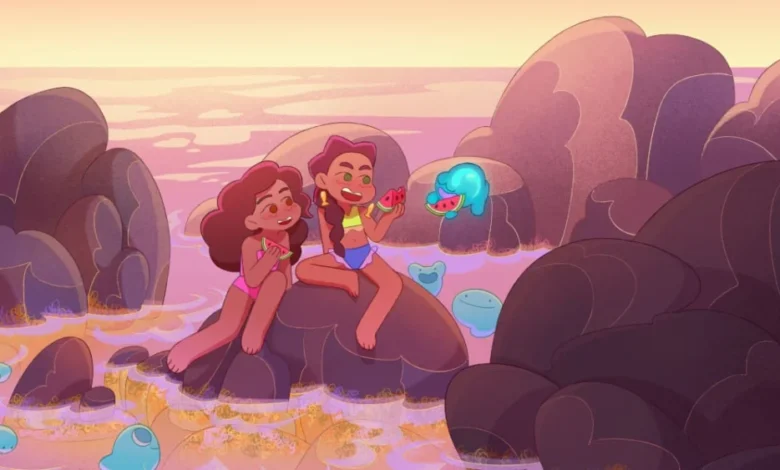
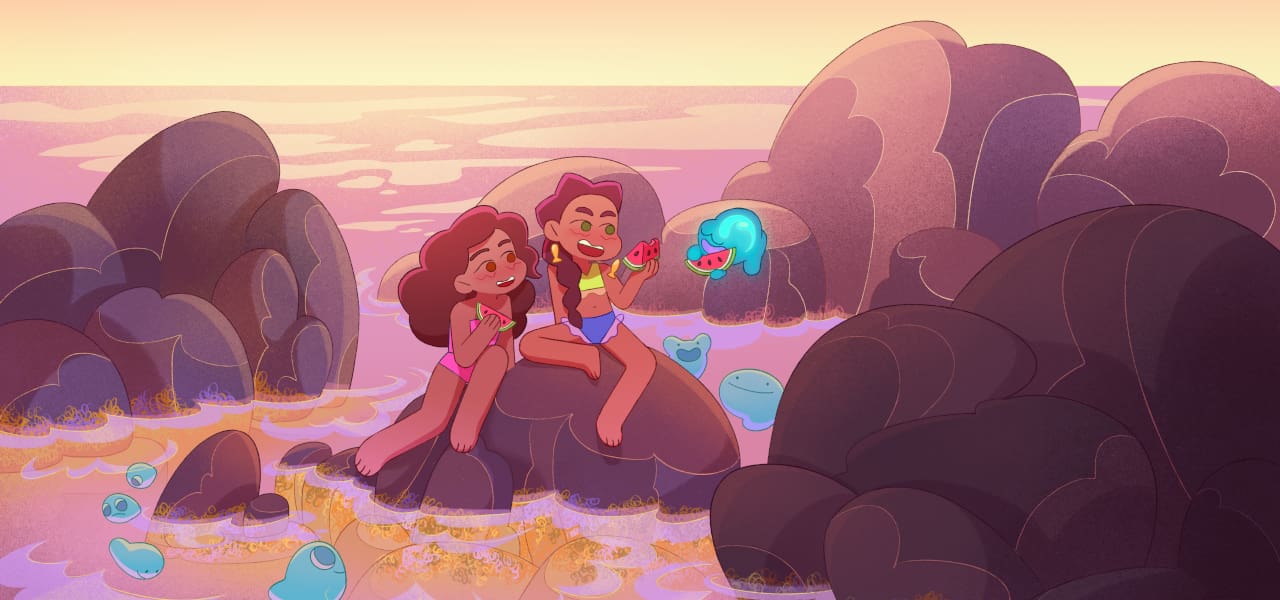
Emma Makes Waves centers on the titular nine-year-old protagonist, who finds herself navigating the complexities of independence during her first summer away from her parents. Set against the backdrop of a vibrant, volcanic island—home to her extended family—the narrative explores themes of self-discovery, familial bonds, and the threshold between childhood and pre-adolescence.
However, the series deviates from a traditional "summer camp" narrative by introducing a fantastical element: the Pantùs. These imposing, protective aquatic creatures serve as the island’s guardians. Their inclusion adds a layer of magical realism and comedic friction to the story, as Emma finds her newfound independence constantly monitored by these well-meaning, if somewhat overbearing, protectors. The creative team has opted for a hand-drawn aesthetic, a choice that underscores the tactile and whimsical nature of the island environment.
Production and Creative Leadership
The series is structured as a 52-episode run, with each installment lasting 11 minutes—a standard format that allows for both episodic storytelling and character development over the course of a season. The production is a tripartite effort, developed through a collaborative pipeline spanning Italy, France, and Belgium.
Directorial duties are handled by Camille Chao, who brings a distinct visual perspective to the project, while the writing room is led by the duo of Giulia Iacopini and Julien Gallet. By tapping into a diverse pool of European talent, La Cabane and Thuristar are leveraging the unique artistic strengths of different regional animation traditions, a strategy that has become a hallmark of their successful output over the last decade. Perrine Gauthier, serving as the lead producer for La Cabane, is spearheading the effort, ensuring that the show maintains the high production values that have become synonymous with the studio’s brand.
Contextualizing Cartoon Forum: A Catalyst for European Animation
The unveiling of Emma Makes Waves at Cartoon Forum is not merely a promotional exercise but a calculated industry move. Since its inception, Cartoon Forum has functioned as the primary engine for the European animation industry, facilitating over €4 billion in investment since 1990. For a project like Emma Makes Waves, the forum provides access to broadcasters, streaming platforms, and distributors from across the continent.
By presenting the trailer and project pitch in Toulouse, the producers are capitalizing on the event’s ability to build immediate market momentum. The timing of this reveal is strategic; with projects like The Wolf’s Dinner and Luce and the Rock already slated for 2027 releases, La Cabane is demonstrating a robust, long-term pipeline. This continuity is vital in the current economic climate, where investors and distributors prioritize studios with a demonstrated track record of delivering projects on time and within budget.
Environmental Responsibility in Modern Production
An emerging theme in the contemporary animation sector is the industry’s shift toward sustainable production practices. La Cabane is currently at the forefront of this movement. Alongside their content announcements, the studio has been nominated for the inaugural Ecoprod-Cartoon Tribute. This recognition highlights their efforts to minimize the carbon footprint associated with digital rendering, server usage, and international collaboration.
As production budgets tighten and corporate social responsibility (CSR) mandates become more rigorous, the work being done by La Cabane sets a benchmark for the industry. By integrating sustainable workflows into the development of Emma Makes Waves, the producers are not only creating content but also setting a structural precedent for how future European series should be manufactured. This commitment to "green production" is likely to resonate with public broadcasters, who are increasingly prioritizing sustainability in their procurement criteria.
.png)
Market Implications and Future Outlook
The 6-to-8 age demographic is a highly competitive space in the global animation market, currently dominated by a mix of high-concept CGI series and legacy 2D properties. The decision to utilize hand-drawn animation for Emma Makes Waves is a deliberate aesthetic choice. In a market saturated with uniform 3D aesthetics, a distinct, hand-drawn look can serve as a key differentiator, helping the show stand out on global streaming platforms and linear television grids alike.
Industry analysts suggest that the collaborative model utilized by La Cabane and Thuristar—leveraging subsidies and co-production agreements between Italy, France, and Belgium—is the most effective way to insulate projects from the volatility of the global media market. By diversifying the financial burden and tapping into regional cultural grants, the producers are better positioned to retain creative control over their intellectual property (IP).
Looking ahead, the next 18 months will be critical for Emma Makes Waves. Following the pitch at Cartoon Forum, the team will move into full-scale production, with a focus on finalizing voice casting and regional distribution deals. Given the success of their previous titles, market confidence in this creative team remains high.
Summary of Strategic Trajectory
The trajectory of this project is emblematic of the current state of European animation: high-quality, character-driven storytelling underpinned by strong, cross-border financial partnerships and a commitment to environmental stewardship. As the industry moves toward 2027, the success of Emma Makes Waves will serve as a bellwether for the viability of hand-drawn, mid-length series in a landscape increasingly obsessed with rapid-fire digital content.
For the audience, the series promises a return to the evocative, slower-paced storytelling that defined the studios’ previous work. For the industry, it represents a refined model of how to navigate the complex waters of international co-production, proving that even with the intervention of giant, mythical creatures, the most successful stories are those grounded in genuine, human-centric themes of growth and discovery. As the Cartoon Forum concludes, the reception of the Emma Makes Waves teaser suggests that the project is well-positioned to secure its place on the international stage, further cementing the reputation of its creators as essential voices in the global animation community.