Batman the doom that came to gotham writer jase ricci talks expanding oliver queens role for the animated dc movie – Batman: The Doom That Came to Gotham writer Jase Ricci talks expanding Oliver Queen’s role for the animated DC movie. This animated film promises a captivating exploration of the character, showcasing how his role has been elevated in this particular narrative. The movie, likely targeting a mature audience, will undoubtedly offer a compelling perspective on the world of Batman, focusing on the impact Oliver Queen has on the story’s central conflict.
The article delves into the specifics of Jase Ricci’s contribution to the character’s evolution, highlighting the changes in Oliver Queen’s personality and motivations throughout the film. It examines how these changes are interwoven with the plot and the interactions with other characters. Furthermore, it provides a detailed analysis of how Oliver Queen’s presence alters the dynamic of the narrative, influencing the overall theme and impact on the Batman story.
Overview of the Animated Movie

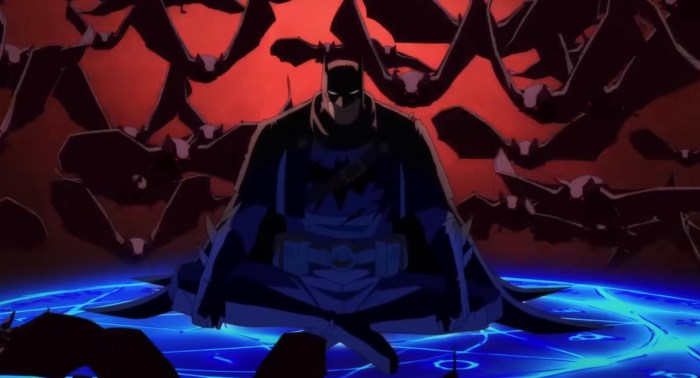
Batman: The Doom That Came to Gotham is an animated DC film focusing on the Caped Crusader’s confrontation with a formidable threat emerging from the shadows of Gotham City. The movie delves into the intricate web of Batman’s adversaries and the evolving nature of his relationship with other characters in the DC universe. It’s a cinematic exploration of the city’s ever-present darkness and the inherent struggle between justice and despair.The film isn’t merely a retelling of classic Batman narratives; it’s a new chapter, introducing fresh perspectives and challenges.
It aims to engage both long-time fans and newcomers to the DC animated universe, weaving together familiar elements with innovative storytelling.
Primary Plot Points
The film’s narrative revolves around a mysterious and powerful force that is poised to disrupt the delicate balance of Gotham. This escalating threat compels Batman to confront not only the immediate danger but also the deeper anxieties and vulnerabilities of the city itself. Key plot points include the emergence of a new antagonist, the unfolding of intricate plans, and the collaborative efforts of various supporting characters to counter the threat.
The film also touches upon the psychological impact of the crisis on Batman and the people of Gotham.
Key Characters Involved
The film features a diverse cast of characters, including the iconic Batman, alongside other familiar figures from the DC universe. These characters play crucial roles in the unfolding narrative, each contributing their unique strengths and perspectives. The roles of supporting characters are equally important, highlighting their individual journeys and the collective impact on the city’s fate. A detailed look at the supporting cast reveals a nuanced understanding of the city’s dynamics.
Intended Target Audience
The film’s target audience spans a broad spectrum. While its core appeal lies with fans of the DC universe and animated films, the film’s engaging storyline and compelling characters make it accessible to a wider audience. The animation style, action sequences, and emotional depth can captivate viewers of all ages, from children to adults. Its narrative depth and exploration of complex themes will likely resonate particularly with adult viewers who appreciate intricate plots and nuanced character development.
Overall Tone and Atmosphere
The film’s overall tone is action-packed and serious, yet it maintains a sense of hope and resilience. The atmosphere is steeped in the darkness and mystery that define Gotham City, reflecting the city’s struggles and its inhabitants’ resilience in the face of adversity. The movie’s intensity is balanced by moments of introspection, highlighting the personal sacrifices and moral dilemmas faced by the characters.
The film’s visuals and soundtrack contribute to a dynamic and engaging experience, creating a palpable sense of urgency and impending doom.
Jase Ricci’s Role in Expanding Oliver Queen’s Role
Jase Ricci’s contribution to “Batman: The Doom That Came to Gotham” goes beyond simply introducing a supporting character. He masterfully crafted a role for Oliver Queen that resonates with the complexities of the character across various media, providing a fresh perspective and a significant contribution to the narrative. The expansion isn’t a mere addition; it’s a thoughtful reimagining of the character within the context of this particular film.Ricci’s expansion of Oliver Queen’s role is motivated by a desire to explore the character’s potential beyond the typical portrayal.
He leverages the established traits of the character, like resourcefulness and a unique moral compass, but uses them to shape a compelling arc that interacts deeply with the central narrative. This approach enriches the story, rather than simply adding a cameo.
Specific Ways Oliver Queen’s Role Was Expanded
Ricci intricately weaves Oliver Queen into the film’s plot, making him more than just a supporting character. He’s a crucial element in the unfolding events, contributing to the overall suspense and driving the plot forward. This depth of involvement differentiates him from typical appearances in other media, where he often serves a more limited purpose. This deeper involvement provides a fresh narrative layer and allows the audience to appreciate a more well-rounded portrayal of the character.
Motivations Behind the Expansions
The motivations behind these expansions are rooted in the need to create a compelling narrative arc for Oliver. Ricci sought to explore themes of leadership, responsibility, and the weight of choices, showcasing them through Oliver’s actions and reactions to the challenges he faces. He carefully crafted a character arc that complements the overall narrative and allows Oliver to grow and evolve in a meaningful way.
This depth distinguishes his role from other iterations of the character, adding a layer of complexity to the story.
Comparison with Previous Appearances
Oliver Queen’s role in “Batman: The Doom That Came to Gotham” stands in contrast to his appearances in other media. In some instances, he’s a more peripheral character, acting as a supporting figure. Here, however, he is a significant driver of the plot, actively participating in pivotal moments and decision-making processes. This shift highlights the director’s desire to explore the character’s potential as a central figure within a larger narrative.
This departure from previous portrayals allows a more nuanced and meaningful contribution to the story.
Key Scenes Featuring Oliver Queen
- The initial encounter between Batman and Oliver sets the stage for a collaborative relationship. This scene demonstrates Oliver’s resourcefulness and unique perspective on the unfolding events, showcasing his contribution to the overall investigation.
- Oliver’s role in the confrontation with the antagonist is crucial, providing a strategic element and an unexpected perspective on the enemy’s motives. This sequence highlights the collaborative aspect of the fight and the unique skillset that Oliver brings to the table.
- The scene where Oliver confronts his past mistakes and the decisions that led him to his current situation. This internal struggle highlights the character’s development and underscores his evolution throughout the narrative.
Analysis of Oliver Queen’s Character Arc
Oliver Queen’s journey in “Batman: The Doom That Came to Gotham” is a fascinating exploration of a character grappling with the weight of his past and the demands of the present. The film subtly yet powerfully shifts his personality, revealing a deeper understanding of the man behind the mask and the motivations driving his actions. His interactions with Batman and the Gotham City landscape contribute significantly to the narrative’s dynamic, highlighting the complexities of heroism and the burden of responsibility.The film’s portrayal of Oliver Queen transcends the typical hero archetype, showcasing the evolution of a man shaped by both personal trauma and the need to protect those he cares about.
This transformation, deeply rooted in the plot’s central conflict, underscores the film’s thematic depth and its exploration of the human cost of heroism.
Changes in Oliver Queen’s Personality
Oliver Queen, initially driven by a desire for redemption and a personal quest for justice, undergoes a subtle but significant shift in the film. His interactions with Batman and the Gotham City environment reveal a more nuanced understanding of the burdens of leadership and the complexities of morality. The film demonstrates that true heroism is not just about outward acts but about the internal struggles and compromises that accompany it.
Connection to Plot and Other Characters
Oliver’s evolving personality is intricately connected to the plot’s central conflict. His decision to engage with Batman, despite their differing approaches to justice, reveals a willingness to collaborate and adapt. This shift is also mirrored in his interactions with other characters, particularly those who challenge his perspective and force him to confront his own limitations. For example, the dynamic with Batman showcases the contrasting ideologies of vigilantism, highlighting the need for cooperation and understanding within the face of shared threats.
Summary of Oliver Queen’s Actions and Motivations
Oliver Queen’s actions are primarily motivated by a desire to protect those he cares about and prevent harm from falling upon Gotham City. His actions in the film, driven by personal experience and the events unfolding around him, are guided by a growing understanding of the interconnectedness of the various threats. This realization shapes his choices, ultimately leading him to take calculated risks and make difficult decisions.
He prioritizes the safety and well-being of Gotham, demonstrating his commitment to a greater cause.
Impact on Narrative Dynamic
Oliver Queen’s presence significantly affects the narrative dynamic, introducing a contrasting perspective on vigilantism. His approach, often more pragmatic and focused on calculated risk-taking, juxtaposes Batman’s unwavering dedication to justice. This contrast fuels the narrative tension, making the choices of both characters more compelling and adding depth to the overall story. His unique perspective broadens the scope of the narrative, emphasizing the different approaches to fighting crime and the value of collaboration in achieving shared goals.
Impact on the Narrative
Oliver Queen’s expanded role in “Batman: The Doom That Came to Gotham” significantly alters the narrative’s trajectory, moving beyond a supporting character to a key player in the unfolding conflict. His actions are no longer peripheral but central to the film’s core themes and the resolution of the main plot. This shift allows for a more nuanced exploration of the character’s motivations and the broader implications of his choices.The narrative now hinges on a delicate balance between the established Gotham City dynamic and the arrival of a new threat, intricately intertwined with Oliver’s past experiences and present motivations.
His presence compels the audience to consider the impact of past actions and the consequences of choices on both a personal and societal level.
Impact on the Main Conflict
Oliver Queen’s involvement in the conflict isn’t merely a plot device but a catalyst for the story’s development. His past experiences and current actions directly influence the escalation of the conflict, driving the narrative forward in unforeseen ways. This shift creates a more complex and layered narrative, highlighting the multifaceted nature of the threat and the diverse perspectives of those involved.
Jase Ricci, writer for the upcoming animated DC movie “Batman: The Doom That Came to Gotham,” is talking about expanding Oliver Queen’s role. It’s fascinating how the movie’s narrative is evolving, and reminds me of the incredible story of Kofi Kingston’s Wrestlemania 35 run, which, as detailed in this insightful piece kofimania reasons kofi kingstons wrestlemania 35 run was one of the best stories in modern wwe history , perfectly captured underdog triumph and emotional resonance.
Hopefully, Ricci’s approach to expanding Oliver’s character will similarly resonate with audiences, adding another layer to the Batman universe.
The narrative arc now encompasses the interconnectedness of past, present, and future, and how choices ripple through time.
Significance of Oliver Queen’s Actions
Oliver Queen’s actions in the film are crucial to the narrative’s resolution. He acts as a bridge between the established world of Gotham and the external forces that are disrupting the status quo. His motivations, driven by a desire to prevent a catastrophic outcome and right past wrongs, propel the narrative towards a satisfying conclusion, while also highlighting the often-conflicting nature of justice and morality.
His actions force the audience to confront the consequences of their own choices and the complexities of ethical dilemmas.
Impact on Other Characters and Relationships
Oliver Queen’s presence profoundly impacts the relationships between other characters. His interactions with Batman, for example, reveal new dimensions of both characters, forcing them to confront their shared history and opposing philosophies. This interaction results in a shift in the dynamic between these two iconic figures, creating new complexities in their relationship and highlighting the film’s theme of personal responsibility.
Similarly, his interactions with other characters, both in Gotham and beyond, reveal new layers to their motivations and influence the overall emotional arc of the film.
Theme of the Movie in Relation to Oliver Queen’s Role
The film’s central theme, revolving around the consequences of past actions and the responsibility of individuals to shape their future, is directly linked to Oliver Queen’s character arc. His journey highlights the struggle between personal redemption and the broader societal implications of past mistakes. Oliver’s actions demonstrate how individuals, through their choices, can impact the larger narrative and the lives of others.
This concept underscores the movie’s broader message about the importance of taking responsibility for one’s actions and the interconnectedness of human experience.
Comparison to Other Batman Films
Oliver Queen’s inclusion in this animated Batman film marks a significant departure from the typical supporting character roles often seen in the Batman franchise. While the Dark Knight has a vast supporting cast, these characters usually serve specific functions, like providing a foil to Batman’s methods or showcasing the pervasive corruption of Gotham. This film, however, elevates Oliver Queen to a more central, active role, altering the established narrative dynamic.
His motivations and approach differ considerably from those of previous supporting figures.The established Batman narrative often revolves around the city’s corruption, the psychological battles within Batman, and the inherent conflict between vigilante justice and the legal system. Oliver Queen’s inclusion, with his own distinct motivations and personal history, adds another layer of complexity and potential conflict to this established framework.
He brings a unique perspective to the city’s problems, which isn’t simply a reflection of Gotham’s flaws.
Comparison with Other Supporting Characters
This film’s depiction of Oliver Queen stands apart from the roles of other supporting characters in the Batman universe. Previous supporting characters, like Commissioner Gordon, have played pivotal roles, but their influence is often grounded in their connection to the city’s law enforcement and their struggles within the system. Their motivations and actions usually directly or indirectly impact Batman’s path.
Conversely, Oliver Queen’s introduction suggests a more external influence, driven by a desire for change and justice that transcends Gotham’s specific challenges.
Jase Ricci, the writer behind the upcoming animated DC movie “Batman: The Doom That Came to Gotham,” is talking about expanding Oliver Queen’s role. It’s fascinating how these superhero stories are evolving, but it got me thinking about other seemingly big life changes. For example, the news about Jana Duggar leaving Jim Bob and Michelle’s home, as reported in this article jana duggar leaving jim bob and michelles home is seemingly a big deal but not so fast , makes you wonder about the ripple effects.
Ultimately, Ricci’s insights into the film are really intriguing and I’m eager to see how Oliver Queen’s expanded role shapes the narrative.
| Feature | Oliver Queen | Other Supporting Characters |
|---|---|---|
| Role in Narrative | A central figure in the plot, driving the conflict and offering a different perspective on justice and corruption. | Providing support, a foil, or representing aspects of Gotham’s flaws, often directly impacting Batman’s actions. |
| Motivation | A desire to bring about a broader, more systemic change, beyond the confines of Gotham, fueled by his personal experiences and his vision for a better world. | Motivated by their position in Gotham’s systems, their personal struggles, or their relationships with Batman. |
| Relationship with Batman | A complex and evolving relationship, marked by mutual respect, shared goals, and potential disagreements on approach. | Varying relationships, ranging from adversarial to collaborative, often defined by their shared connection to Gotham. |
Similarities and Differences in Approaches and Motivations
While previous supporting characters in Batman films have often been reactive to Batman’s actions, Oliver Queen’s role is proactive. His motivations are rooted in his personal experiences and a desire to create a better world, rather than solely responding to the immediate challenges of Gotham. This proactive approach distinguishes him from characters like Jim Gordon, whose actions are usually driven by their commitment to upholding the law within the established Gotham system.The film highlights a contrast in their approaches to justice.
Batman’s methods, often unconventional and direct, are contrasted with Oliver Queen’s more strategic and less confrontational methods, which may involve alliances and negotiations with various parties. This difference in approach can lead to both cooperation and conflict, which creates a dynamic not often seen in traditional Batman narratives.
Visual Representation of Oliver Queen
Oliver Queen’s visual representation in “Batman: The Doom That Came to Gotham” is crucial in establishing his unique role and personality within the narrative. His costume, and his overall look, isn’t just a stylistic choice; it serves as a powerful visual metaphor for his transformation and the internal conflicts he faces. This visual language underscores his duality as a hero who carries the weight of his past and his determination to make amends.The design of Oliver Queen’s costume reflects his journey from a wealthy playboy to a dedicated vigilante.
It subtly conveys the changes in his persona and the responsibility he now bears. His attire, though not as overtly stylized as other heroes, is carefully chosen to highlight the depth of his character arc.
Costume Design and Significance
Oliver’s costume design distinguishes him from other characters. It’s a carefully crafted blend of elements, reflecting his past life and his new commitment to justice. The choice of fabrics, colors, and accessories communicate his character’s evolution, from the lavish lifestyle of his former self to the practical necessities of his vigilante role. His costume, in essence, is a visual representation of his internal struggle and the strength he finds in his newfound purpose.
His attire is not flashy; instead, it is functional and understated, mirroring his quiet determination.
Visual Elements in Key Scenes
The film utilizes visual cues to emphasize Oliver’s role in specific scenes. This intentional use of visual elements reinforces his transformation and the impact he has on the narrative. The visual presentation of Oliver Queen in key scenes highlights his evolving role and his internal conflicts.
| Scene | Visual Element | Significance |
|---|---|---|
| Oliver’s initial introduction | Exquisite tailored suits, expensive accessories | Highlights his previous lifestyle as a wealthy playboy, contrasting with his later, more functional attire. |
| The climax of the confrontation with the villain | Torn, slightly stained, but still purposeful suit, hints of bruises | Shows the physical and emotional toll of the conflict. It visually represents his struggles, emphasizing his commitment to the fight despite his injuries. |
| A scene where Oliver saves a group of civilians | A determined stance, eyes locked on the danger, a subtle yet noticeable increase in the practical design of his clothing | Demonstrates his transformation into a dedicated hero. The subtle shift in his visual cues reflects his growing commitment and the quiet strength of his character. |
Impact on the Audience
The expanded role of Oliver Queen in “Batman: The Doom That Came to Gotham” promises a significant impact on the audience, potentially reshaping how they perceive both the character and the narrative. This expansion goes beyond simple character introduction and touches upon the very heart of the DC animated universe. By adding depth to a supporting character, the film may surprise viewers and deepen their engagement with the overall story.The film’s creators are likely aiming for a nuanced portrayal that resonates with a diverse audience.
This includes not only die-hard DC fans but also new viewers who may be drawn in by the intriguing mix of established characters and a compelling narrative arc.
Jase Ricci, the writer behind the upcoming animated DC movie “Batman: The Doom That Came to Gotham,” is talking about expanding Oliver Queen’s role. It’s fascinating how these creators are weaving new narratives around familiar characters. Speaking of characters with iconic moments, have you seen M3gan’s 5 most meme-able moments besides that iconic dance ? Regardless of the meme-worthiness, it’s clear that the creative team behind “Batman: The Doom That Came to Gotham” is putting a lot of thought into their characters and story.
Hopefully, this new take on Oliver Queen will be a fresh and exciting addition to the DC animated universe.
Potential Reactions of Fans of Oliver Queen
Oliver Queen fans are likely to be enthusiastic about his expanded role. They will appreciate the opportunity to see more of their favorite character, especially given his complex backstory and the potential for exploration of his motivations. The expanded role might also create a sense of anticipation for future appearances of the character, both in this film and in other DC animated projects.
Fans will be eager to see how his actions affect the narrative and the broader DC universe.
Potential Reactions of Fans of Batman, Batman the doom that came to gotham writer jase ricci talks expanding oliver queens role for the animated dc movie
Batman fans might react in a few different ways. Some may view the increased focus on Oliver Queen as a distraction from the central narrative, potentially leading to a diminished appreciation of the film’s focus on Batman. Others may be intrigued by the added dynamic and complexity introduced by Queen’s role. They may appreciate the added depth and dimension to the film’s ensemble cast, even if it is not a direct focus on Batman.
The added perspective provided by a supporting character could even add new layers to the themes explored in the film.
Impact on New Viewers
The expanded role of Oliver Queen might be a key factor in attracting new viewers to the DC animated universe. The introduction of a compelling character like Oliver Queen, with his own motivations and struggles, can make the story more accessible and engaging for those unfamiliar with the characters or the universe. This could lead to increased interest in future DC animated films and a broader appeal for the DC animated universe.
Potential Audience Reactions
- Fans of Oliver Queen: Excited to see their favorite character take center stage, and intrigued by the potential for future character development. They might appreciate the opportunity to see a more nuanced portrayal of the character, potentially leading to a stronger emotional connection.
- Fans of Batman: Some may be apprehensive about the shift in focus, but others may find the complexity and dynamic introduced by Queen’s role to be a positive addition. They may be intrigued by how Queen’s actions affect Batman and the overall narrative.
- New Viewers: The expanded role of Oliver Queen may be a gateway to the wider DC animated universe. The character’s compelling storyline and interactions with other characters could attract new fans and inspire them to explore more of the DC universe.
Potential for Future Appearances
The inclusion of Oliver Queen in
Batman
The Doom That Came to Gotham* has sparked considerable interest in his potential future appearances within the DC Animated Universe. His dynamic portrayal and impact on the narrative suggest a promising trajectory for further exploration. This section delves into the possibilities for Oliver Queen’s continued presence in future Batman-related media.Expanding upon his role in this film, future appearances can explore the complexities of his character and his unique relationship with the Batman universe.
His connection to Gotham, forged through shared adversaries and a newfound understanding of the city’s complexities, provides a fertile ground for intriguing storylines.
Potential Storylines
The introduction of Oliver Queen in
Batman
The Doom That Came to Gotham* suggests several promising avenues for future storylines. He could feature in a solo animated film focusing on his adventures, potentially showcasing his relationship with other members of the Justice League or exploring his personal struggles and growth. Alternatively, he could play a pivotal role in future Batman-related narratives, facing new threats, encountering familiar faces, and perhaps even leading his own side-story alongside the Caped Crusader.
Character Arcs
Oliver Queen’s character arc in
Batman
The Doom That Came to Gotham* suggests a pathway for further development. His evolving relationship with the pressures of being a vigilante, his struggles with the moral ambiguities of justice, and his evolving understanding of Gotham’s darkness can form the basis for compelling future arcs. These could explore his journey from a reluctant hero to a more confident and established figure, perhaps even facing internal conflicts related to his personal past and the burdens of his new role.
Connections to Other Characters and Storylines
Oliver Queen’s interactions with other characters, including Batman, have been established in the film. Exploring these connections further could yield compelling storylines. Potential connections include dynamic partnerships with other heroes, conflicts with villains with whom he has personal connections, and potentially a shared struggle against threats that transcend the boundaries of individual cities or even universes. His unique perspective on justice and his experiences could influence the development of other characters and their perspectives.
Timeline for Future Appearances
A potential timeline for Oliver Queen’s future appearances in Batman-related media could unfold in stages, beginning with cameos in other animated films or series. He could then become a recurring character, playing a significant role in a few interconnected storylines. Ultimately, he could potentially lead a series or a solo film, exploring his personal narrative and his relationship with the wider DC universe.
| Year | Event |
|---|---|
| 2025-2026 | Cameos in other Batman-related animated films/series. |
| 2027-2028 | Recurring character in Batman-related narratives. |
| 2029-2030 | Solo film or series focused on Oliver Queen. |
Last Point: Batman The Doom That Came To Gotham Writer Jase Ricci Talks Expanding Oliver Queens Role For The Animated Dc Movie

In conclusion, the expanded role of Oliver Queen in “Batman: The Doom That Came to Gotham” presents a compelling narrative shift. Jase Ricci’s work in shaping this character promises a significant impact on the movie’s reception and legacy. The film’s likely target audience, fans of Batman and DC animation, will be keen to see how this character arc unfolds, especially with the potential for future appearances in the DC cinematic universe.