The Rise of the Dumb Phone: Why Consumers Are Rejecting High-End Foldables for Minimalist Tech


After months of intense industry speculation and a closely guarded development cycle, Apple has officially unveiled the iPhone Duo, its inaugural foray into the foldable smartphone market. Priced at a premium $1,999, the device represents the pinnacle of current mobile engineering, promising enhanced multitasking capabilities, advanced optics for content creators, and a expansive, immersive display. However, the launch of this sophisticated hardware arrives at a paradoxical moment in consumer technology history: while manufacturers push for ever-increasing digital engagement, a growing segment of the global population is actively seeking ways to reduce screen time, mitigate the effects of "doomscrolling," and reclaim their focus from the pervasive influence of social media algorithms.
The digital wellness movement, which has gained significant momentum over the past three years, suggests that the future of mobile connectivity may not lie in the latest, most expensive hardware, but rather in a return to simplicity. As high-end smartphones demand more of our cognitive resources, a cohort of users is turning toward "dumb phones"—devices designed to perform only the most essential communication tasks while minimizing the potential for digital distraction.
The Evolution of the Foldable Market
The foldable phone segment has been a long-term goal for major hardware manufacturers, aimed at bridging the gap between portable handsets and tablet-sized productivity tools. The journey to the iPhone Duo began in earnest around 2021, when supply chain leaks first indicated that Apple had begun testing flexible OLED panels and hinge durability in its Cupertino research facilities.
The chronology of this market development highlights a clear shift in industry priorities:
- 2019-2020: Early adopters test the first generation of foldable devices, plagued by screen creases and fragile hardware.
- 2022: Competitors normalize the form factor, with high-end foldables becoming the new "status symbol" in the tech world.
- 2024: Market saturation for standard flagship phones forces manufacturers to pivot toward innovative hardware to justify high price points.
- 2026: Apple enters the arena with the iPhone Duo, banking on its ecosystem lock-in to drive adoption despite economic headwinds.
While Apple’s entry into the foldable space is expected to boost the category’s legitimacy, analysts at leading tech consultancies note that year-over-year growth in the smartphone market has slowed, suggesting that consumers are holding onto their devices for longer periods and are becoming increasingly discerning about the value proposition of new hardware.
The Counter-Movement: The "Dumb Phone" Phenomenon
As the price of flagship smartphones has crossed the $1,500 threshold, the "dumb phone" market has transformed from a niche category for seniors or emergency use into a deliberate lifestyle choice for professionals, students, and digital minimalists. Data from recent market reports indicates a resurgence in the sales of feature phones, particularly among Gen Z and Millennial demographics who cite mental health concerns and the need for improved productivity as primary drivers for their purchase.
The appeal of the minimalist phone is rooted in its limitation. By removing the ability to access infinite social media feeds, constant push notifications, and high-intensity gaming, these devices act as a filter for modern life. They allow users to remain reachable for professional and personal emergencies without the psychological tax of an "always-on" internet connection.
Key Contenders in the Minimalist Space
The current landscape of feature phones is diverse, catering to different levels of commitment to the "offline" lifestyle.
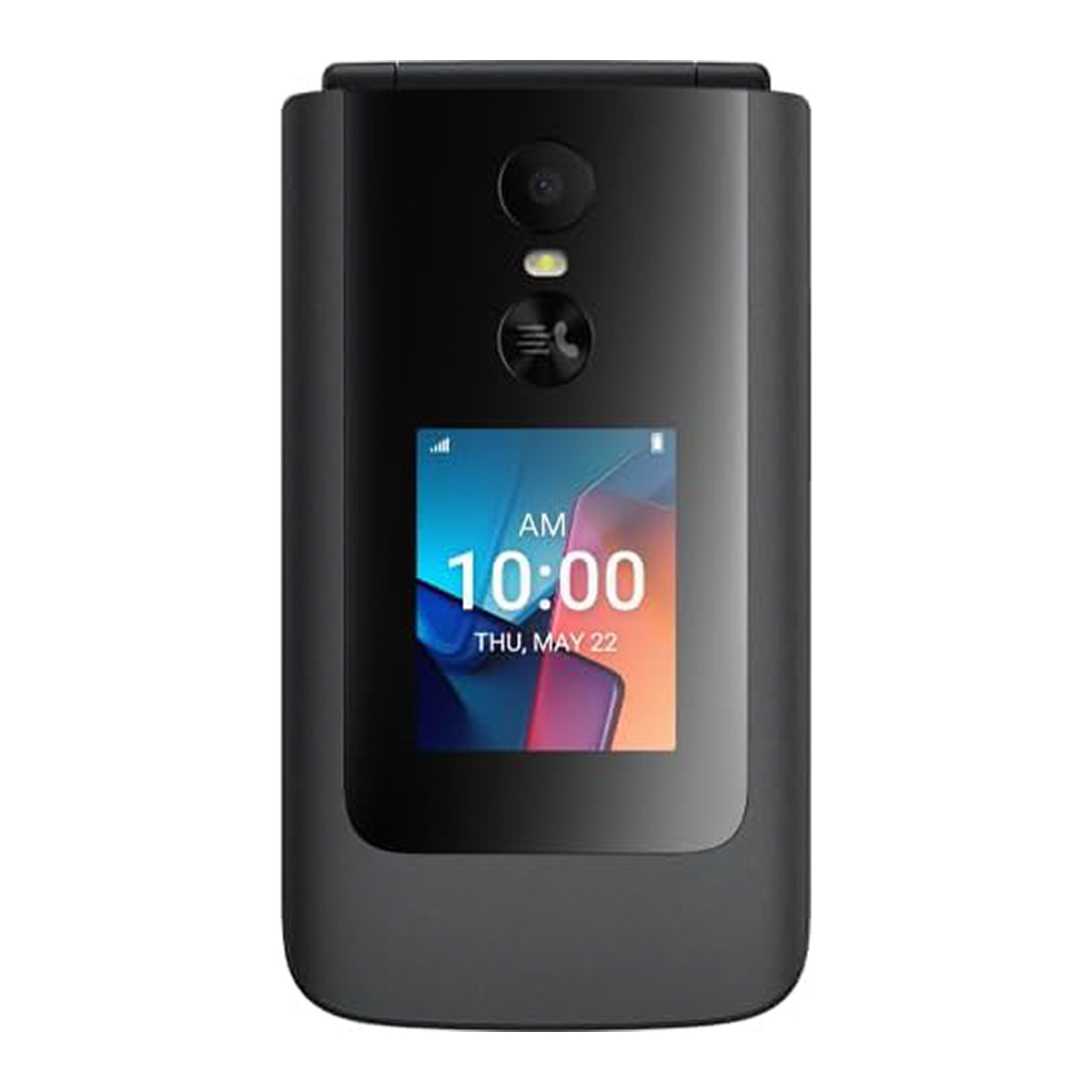
The TCL Flip 4
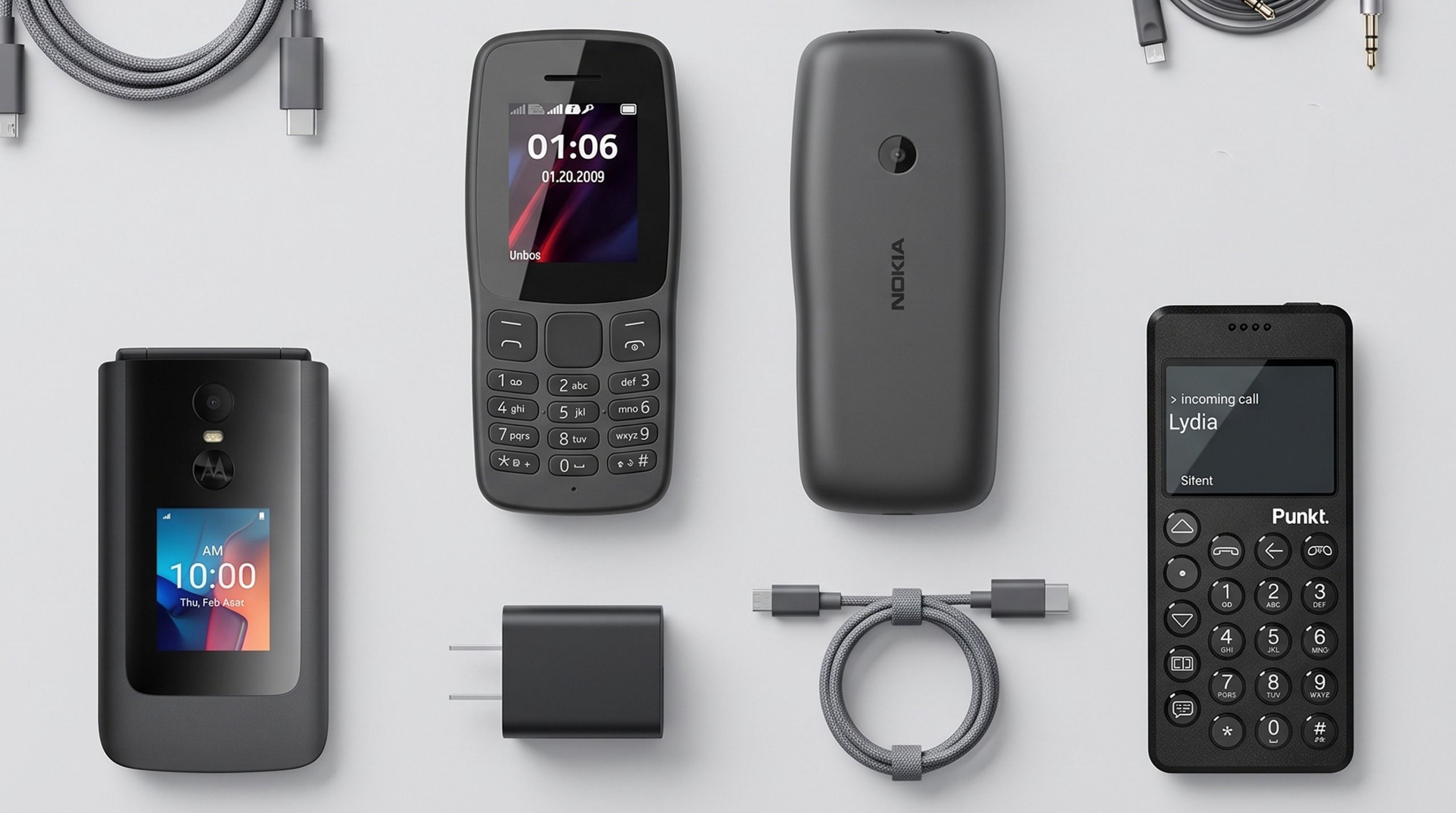
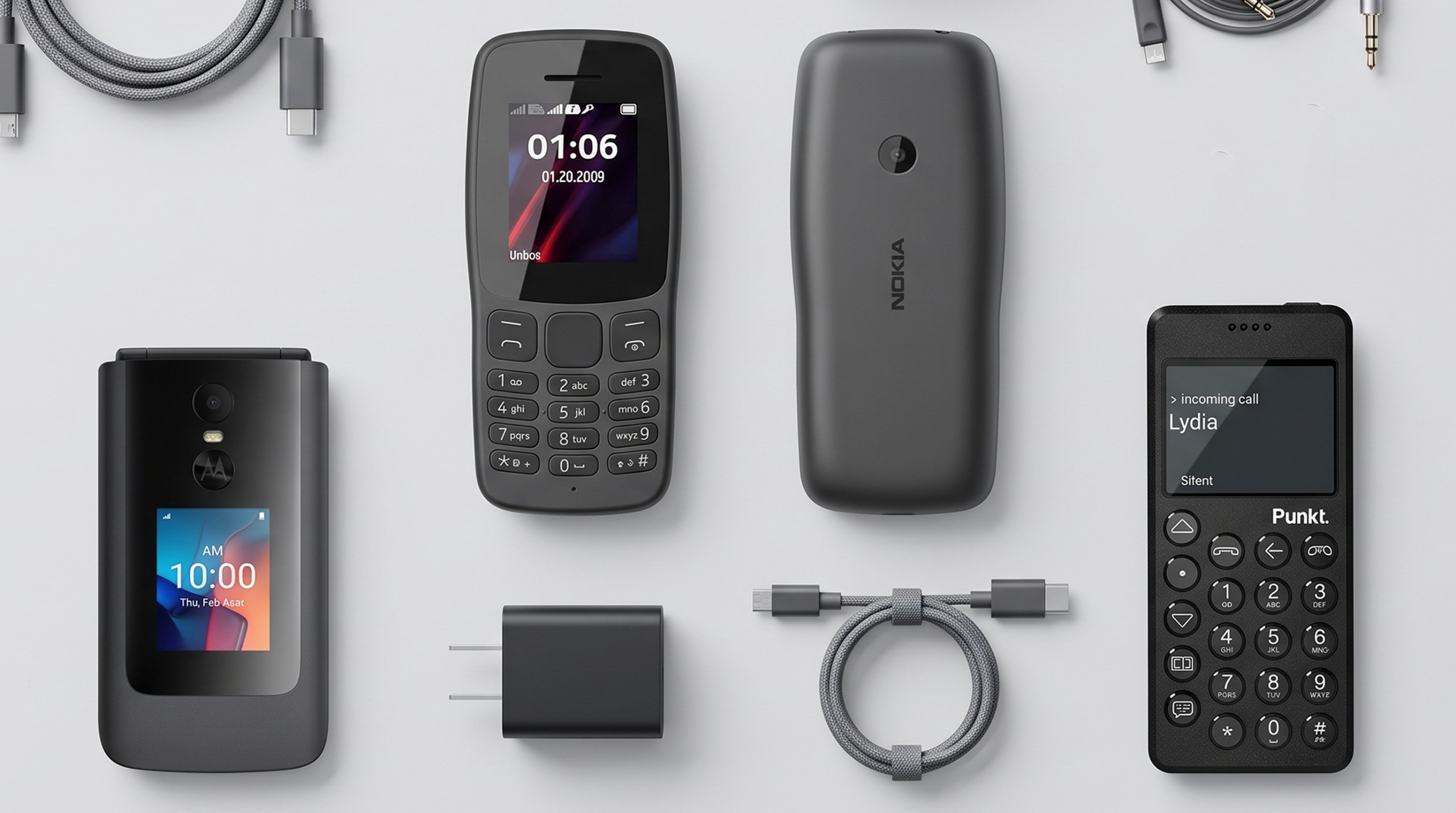
The TCL Flip 4 positions itself as a direct, budget-friendly alternative to modern flip devices. While it mimics the aesthetic of high-end foldables with both external and internal displays, its core functionality is tethered to simplicity. It provides a tactile experience with physical buttons—a welcome departure from the glass-slab design of contemporary smartphones—and includes basic 5MP video recording capabilities. It is a pragmatic bridge for those who want the "flip" form factor without the digital baggage of an advanced operating system.
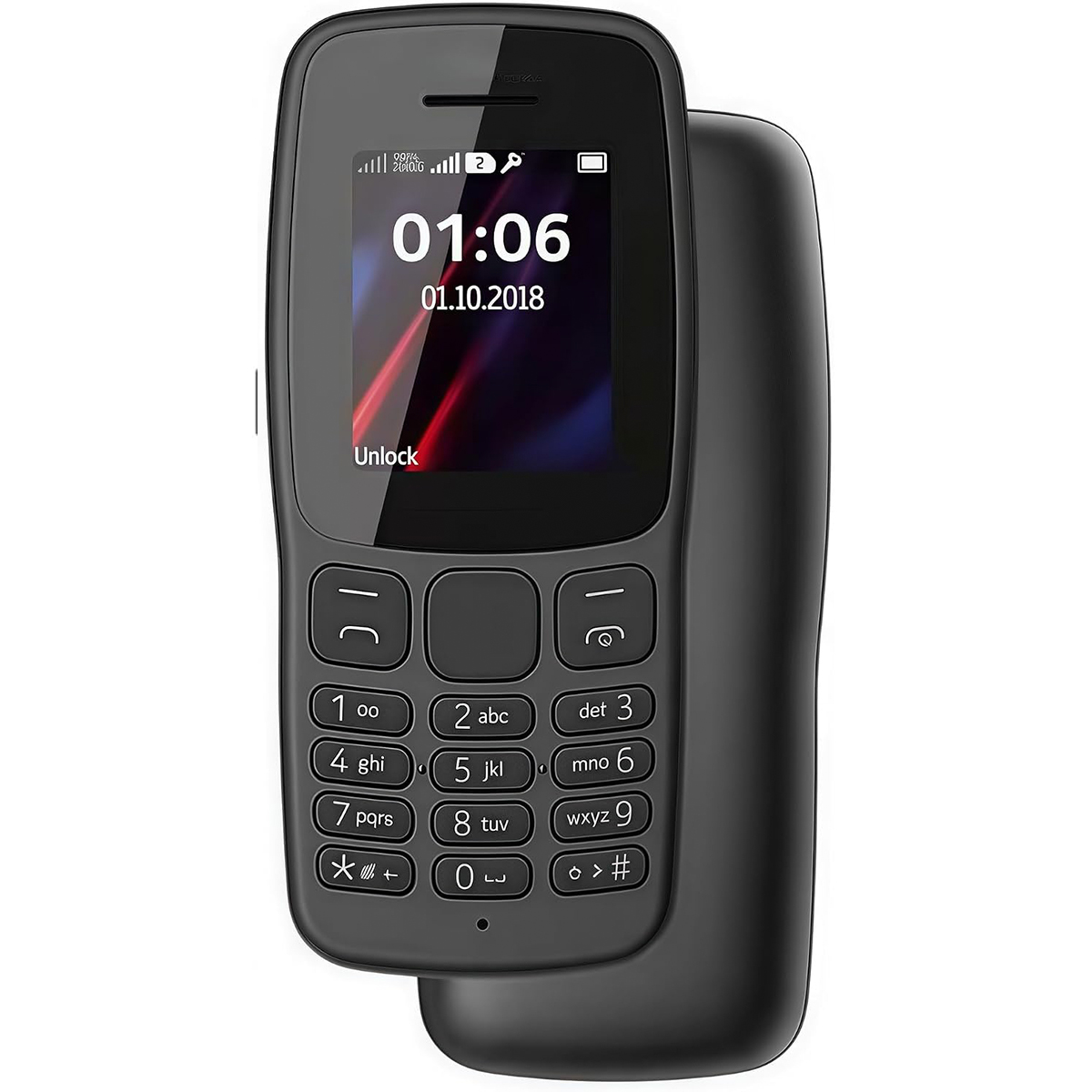
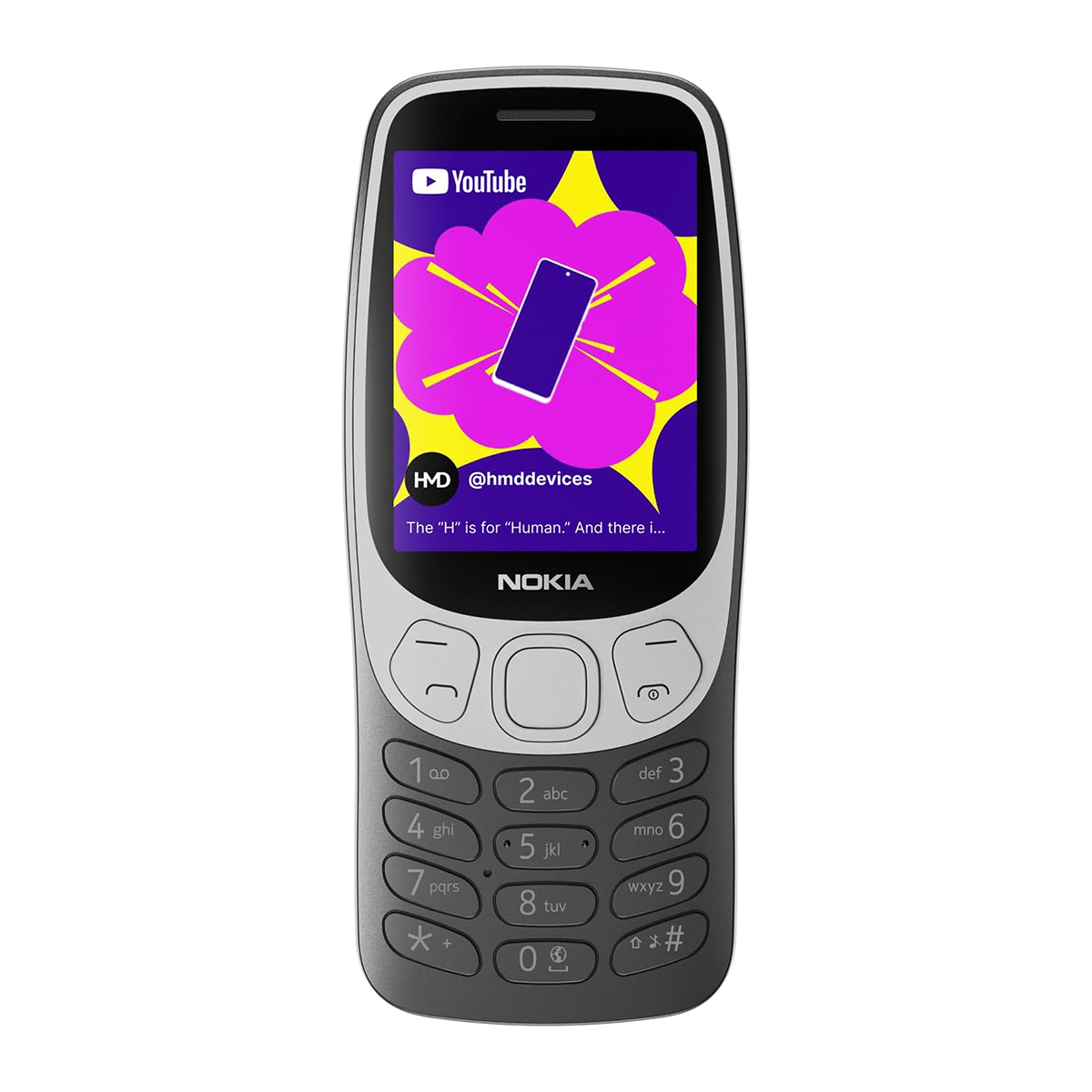
The Nokia Legacy: 106 and 3210
HMD Global, the current steward of the Nokia brand, has capitalized on the nostalgia wave while ensuring these devices meet modern cellular standards. The Nokia 106 remains a standard-bearer for durability, offering a robust build and long battery life. For those seeking a more iconic aesthetic, the updated Nokia 3210 serves as a cultural touchstone. Despite being designed for 2026, the device leans into its 1999 heritage, complete with the legendary game Snake, while quietly integrating support for essential modern cloud-based apps. It is a calculated balance between utility and comfort.
The Design-Forward Minimalist: Punkt MP02
For the professional market, the Punkt MP02 represents a premium take on the dumb phone. Often praised by design enthusiasts for its clean, industrial aesthetic, the MP02 is not just a phone but a statement against the chaotic interfaces of modern mobile OS platforms. Its limited, text-based interface forces the user to prioritize intentional communication over reactive consumption. It is frequently out of stock, suggesting that demand for "stealth mode" devices remains high among high-performers who value deep work.
The Mudita Kompakt
Perhaps the most technologically interesting entry, the Mudita Kompakt utilizes an E-ink display. This offers two distinct advantages: excellent visibility in direct sunlight and a lack of the "blue light" fatigue associated with standard LCD and OLED screens. The device’s "Offline+ Mode" is a standout feature, providing a hardware-level toggle that physically disables the cellular, Wi-Fi, Bluetooth, camera, and microphone modules, offering a level of privacy and disconnection that is virtually impossible to achieve on a standard smartphone.
Implications for the Tech Industry
The dichotomy between the iPhone Duo and the rise of minimalist phones presents a fascinating challenge for tech companies. If a significant percentage of the population opts for feature phones, the ad-revenue models that sustain many of the world’s largest tech conglomerates could face structural threats.
Industry experts suggest that the "dumb phone" trend is unlikely to result in a mass abandonment of smartphones. Instead, we are likely to see a bifurcation of the market. Many users may move toward a "dual-device" strategy: utilizing a high-powered tablet or laptop for heavy work, while relying on a minimalist handset for daily communication.
Furthermore, the environmental impact of this trend cannot be ignored. While flagship phones are updated every 12 to 24 months, many feature phones are designed to last for years, with replaceable batteries and durable chassis. As global consumer sentiment shifts toward sustainability, the longevity of these "dumb" devices may become a significant competitive advantage over the highly complex, and often fragile, foldable displays found in modern flagships.
Conclusion
The launch of the iPhone Duo is undoubtedly a milestone in mobile engineering, showcasing the incredible potential of flexible materials and software optimization. Yet, it serves as a stark reminder of the complexity we invite into our daily lives. As the digital landscape becomes more crowded and demanding, the simple, focused utility of a minimalist phone offers a compelling alternative. Whether the market is heading toward a future of foldables or a return to the basics remains to be seen, but for millions of users, the true "upgrade" in 2026 may simply be the ability to disconnect.