The Rise of the Individual Athlete: How Erling Haaland and the New Era of Personal Branding Are Reshaping Global Sports Marketing

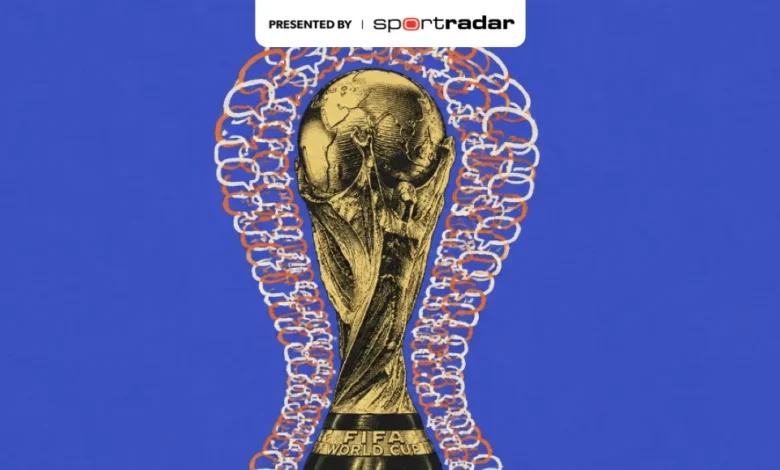
When Erling Haaland departed the pitch in the 105th minute of Norway’s quarter-final clash with England on July 11, it signified more than just the conclusion of a historic World Cup run for a nation that had not qualified for the tournament in nearly three decades. For the Manchester City striker’s portfolio of blue-chip sponsors, the moment represented the culmination of a high-stakes marketing experiment centered on the shifting nature of fan loyalty. Throughout the 2026 tournament, Haaland emerged not merely as a prolific goalscorer, but as the primary face of a new era where individual athlete brands often eclipse the traditional prestige of national and club identities.
Andrea Fairchild, Senior Vice President of Global Sponsorship Strategy at Visa, noted that Haaland’s performance was "exciting," yet the brand’s success was rooted in a strategy initiated long before the tournament began. Visa’s decision to integrate Haaland into its global campaign—alongside rising Spanish sensation Lamine Yamal and American star Christian Pulisic—was the result of a calculated research process that began a full year prior to the World Cup. At that stage, Norway’s qualification was far from guaranteed, making the investment a significant leap of faith in the striker’s personal trajectory.
The Strategic Gamification of the "Tap-In"
The core of Visa’s campaign utilized a unique aspect of Haaland’s playing style: his reputation for scoring "tap-ins," or one-touch goals from close range. While some critics in the football world use the term dismissively, Visa leaned into the concept to create a tangible connection with consumers. Through the "Visa Tap-In" initiative, cardholders were offered the opportunity to win prizes and merchandise each time Haaland or other sponsored athletes converted such a goal. This approach effectively gamified the viewing experience, bridging the gap between live sports broadcast, paid social media, and digital out-of-home (OOH) inventory in stadiums.
The success of this campaign coincided with a broader shift in consumer behavior. According to a joint study published by YouGov, USC Annenberg, and marketing agency group ACC, nearly one-third (32%) of Gen Z sports fans now support individual athletes over specific teams. This "pivoting loyalty" is driven by the level of access athletes provide through non-traditional media. Haaland, for instance, has utilized a YouTube channel launched 12 months ago, along with active engagement on Snapchat and Instagram, to showcase a "goofball charisma" that resonates with a younger demographic.
Jasmin Fischer, Senior Vice President of Research and Insights at SAMY, observed that Haaland’s persona particularly appeals to first-time football watchers who may lack deep-seated historical ties to specific clubs or national teams. Data from Sprout Social indicates that Haaland’s social media footprint grew by over 5 million followers across X and Instagram during the tournament alone. This breakthrough has provided an unexpected windfall for a sponsor roster that includes watchmaker Breitling, Beats by Dre, home appliance giant Midea, and Nike.
A Chronology of the Breakthrough
The timeline of Haaland’s marketing ascent provides a blueprint for how modern brands identify and cultivate "national talismans."
- July 2025: Visa begins a "tremendous amount of research" to identify the faces of its 2026 World Cup campaign. Despite Norway’s spot in the tournament being unconfirmed, Haaland is identified as a primary target due to his high-ceiling potential and unique personality.
- Late 2025: Norway secures its first World Cup spot in 27 years. Haaland’s status as a national hero is cemented, and brand interest intensifies.
- Early 2026: Haaland ramps up his personal media ventures, including behind-the-scenes content on his YouTube channel, which doubled its subscriber base to 3.1 million during the tournament cycle.
- June 2026: The World Cup begins. Haaland’s "Rip the Script" ad for Nike and his "Tap-In" campaign for Visa dominate broadcast and digital airwaves.
- July 2026: Norway’s unexpected run to the quarter-finals provides maximum visibility. Despite the exit to England, the marketing value of the "Haaland brand" reaches an all-time high.
This trajectory mirrors the experience of other stars who have found a second life or a new audience during the tournament. Zlatan Ibrahimović, appearing as a presenter for Fox rather than a player, saw a similar surge in relevance. Despite his retirement from international play, Ibrahimović’s blend of "Scandi bluntness" and supreme confidence saw his Instagram following reach 65 million, while his TikTok base grew by 7% during the tournament.
Analysis: The Power of Authenticity and Autonomy
The success of Haaland and Ibrahimović highlights a critical lesson for Chief Marketing Officers: the value of "unapologetic authenticity." Unlike the highly controlled, often sterile environments of major football clubs—such as Manchester City, known for its anti-individualistic, team-first culture—social media allows athletes to "shine a light on their actual personalities," according to Piet Southey, U.S. Managing Director of Billion Dollar Boy.
Industry experts suggest that for a brand to truly capitalize on a breakthrough star, they must be willing to surrender a degree of control. Fischer advises brands to give athletes the freedom to be themselves without overly restrictive brand guidelines. This sentiment is echoed by the success of Dove Men+Care’s recent partnership with Karl-Anthony Towns of the New York Knicks. By leaning into Towns’ personality following the Knicks’ first NBA Finals victory since 1973, Dove was able to capture a moment of genuine cultural relevance.
However, the path to finding the "next Haaland" or "next Zlatan" is becoming increasingly complex as the digital landscape shifts. Marketers are no longer just looking for talent on the pitch; they are looking for athletes who are comfortable on camera and capable of maintaining a consistent, engaging presence on TikTok and YouTube.
Broader Industry Implications and Challenges
While the World Cup provided a platform for individual stars, the broader marketing industry is grappling with systemic changes in how media is consumed and trust is established. Even as digital video ad spending booms, advertiser trust in "premium" connected TV (CTV) inventory is wavering. Ben Vaske, media supervisor at Collective Measures, noted that the industry is being forced to place "a lot of trust and faith" into partners, despite concerns over programmatic transparency.
Furthermore, the rise of AI in creative production has sparked a debate about "scale without sameness." At the Cannes Lions International Festival of Creativity, platforms warned that the mass adoption of AI tools could make advertisements look generic, potentially undermining the very authenticity that makes stars like Haaland valuable. Reddit’s leadership has also expressed concerns that licensing its unique data to train AI models like ChatGPT and Gemini could inadvertently hurt its own ad-targeting advantages.
The regulatory environment is also tightening. In the European Union, there is a growing push for a social media ban for teenagers, with 14 member states supporting tougher restrictions. Such a move could significantly impact the "Gen Z" marketing strategies that brands like Visa and Nike have leaned on so heavily. Simultaneously, TikTok Shop has begun banning AI voices and pre-recorded narration from shopping livestreams, mandating live human hosts to maintain "account health" scores. This shift emphasizes the platform’s belief that human-led storytelling is the only sustainable model for engagement.
The Future of Sports Marketing
As brands look toward the 2027 planning cycle and major events like the next Olympic Games and the Super Bowl, the "Haaland model" will likely serve as a primary reference point. The convergence of athletic excellence, personal media ownership, and a willingness to bypass traditional media gatekeepers has created a new hierarchy in sports sponsorship.
The data supports this transition: with 15.7 million World Cup-related hashtag posts on TikTok and YouTube’s continued dominance as a $40 billion advertising engine, the infrastructure for the "superstar-making factory" is more robust than ever. For marketers, the challenge is no longer just identifying talent, but finding the courage to let that talent lead the narrative.
As the World Cup 2026 cycle concludes, the lesson remains clear: the most successful brands are those that don’t just buy a spot on an athlete’s jersey, but those that facilitate an athlete’s ability to share their world with a global audience. Whether it is Erling Haaland scoring a "tap-in" or Zlatan Ibrahimović delivering a blunt critique from a broadcast desk, the power of the individual has become the most valuable currency in the global marketing marketplace.
Related posts: