
After Mh370 The Plane That Disappeared Other Documentaries And Specials About Malaysian Flight 370
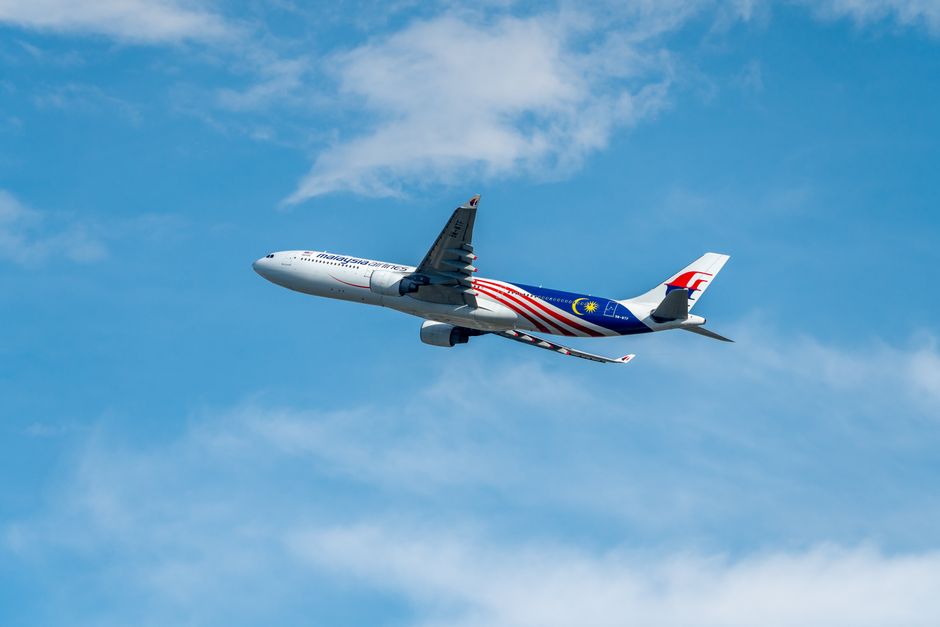
MH370: Beyond the Headlines, A Deep Dive into Documentaries and Specials
The disappearance of Malaysia Airlines Flight 370 on March 8, 2014, remains one of the most perplexing and enduring mysteries of the 21st century. The Boeing 777, en route from Kuala Lumpur to Beijing with 239 souls aboard, vanished from radar screens with chilling abruptness, triggering a massive international search effort and igniting a global obsession. While the official investigations yielded no definitive answers, the void left by MH370’s fate has been filled by a torrent of documentaries and television specials, each attempting to unravel the enigma through meticulous analysis, expert interviews, and compelling narratives. These productions, while varied in their approaches and conclusions, collectively offer a comprehensive exploration of the event, delving into technical malfunctions, human error, deliberate action, and the sheer, terrifying possibility of the unknown. This article explores some of the most significant documentaries and specials that have tackled the MH370 case, examining their contributions to public understanding and the persistent questions they raise.
One of the earliest and most impactful of these productions was "MH370: The Missing Plane" (2014), a timely and investigative special by CNN. This documentary, released mere months after the disappearance, focused on the initial stages of the search and rescue, highlighting the frustrations and limitations faced by authorities. It featured interviews with aviation experts who dissected the technical aspects of the aircraft’s potential flight path and the challenges of searching vast oceanic expanses. The program meticulously laid out the known timeline of events, the last communications from the cockpit, and the initial theories, including the possibility of a hijacking or an uncharacteristic catastrophic failure. The tension in "MH370: The Missing Plane" was palpable, mirroring the global anxiety and desperation for answers. It emphasized the unprecedented scale of the search and the agonizing uncertainty that gripped families and the world. The documentary’s strength lay in its immediacy and its commitment to presenting the emerging, often contradictory, information in a clear and accessible manner, serving as a foundational piece for subsequent explorations.
Following closely, "MH370: What Happened?" (2014) by Al Jazeera provided another critical early perspective. This documentary sought to delve deeper into the human element of the tragedy, focusing on the impact on the families of the passengers and crew. It offered poignant interviews with those left behind, grappling with the agonizing limbo of not knowing. Beyond the emotional toll, Al Jazeera’s special also explored the geopolitical implications of the disappearance, considering the involvement of various nations in the search and the potential for international cooperation and conflict. The program’s producers interviewed former intelligence officials and aviation security analysts, examining the possibility of foul play and the intricate web of security protocols surrounding air travel. While also touching on the technical aspects, "MH370: What Happened?" distinguished itself by placing a significant emphasis on the humanitarian crisis and the profound societal impact of the event. It highlighted the breakdown of trust and the inherent vulnerability exposed by such a vanishing act.
As the years passed and the initial frantic search yielded no concrete results, the focus of documentaries began to shift towards more speculative and in-depth analysis. "Why Planes Vanish: The Hunt for MH370" (2016), a BBC documentary, took a more scientific and technical approach. This production meticulously examined the available data, including satellite "pings" that suggested the plane had flown for hours after disappearing from radar. It featured interviews with leading aviation accident investigators, acousticians searching for underwater wreckage, and oceanographers studying drift patterns. The BBC documentary was praised for its rigorous analysis of the data, exploring various scenarios from engine failure and pilot suicide to a more complex intentional diversion. It presented complex aerodynamic and navigational concepts in an understandable way, allowing viewers to appreciate the technical hurdles in both the disappearance and the subsequent search. The program also discussed the limitations of current tracking technologies and the potential for technological advancements to prevent similar future tragedies.
Netflix entered the fray with "MH370: The Plane That Disappeared" (2023), a three-part docuseries that offered a comprehensive, and at times, controversial look at the event. This series, like many others, revisited the key players, the theories, and the unanswered questions. However, "MH370: The Plane That Disappeared" leaned heavily into presenting a multitude of theories, giving significant airtime to the more speculative and less scientifically supported hypotheses. While this approach aimed to be exhaustive, it also led to criticism for potentially sensationalizing the event and blurring the lines between evidence-based investigation and conjecture. The series explored the notion of a deliberate pilot act, a remote hijacking, and even more outlandish theories. It benefited from the passage of time, allowing for interviews with individuals who had previously been less accessible and offering a retrospective on the evolving understanding of the case. The docuseries’ strength lay in its accessibility and its ability to draw in a new generation of viewers, but its lack of a definitive editorial stance on the plausibility of various theories was a point of contention for some.
Discovery Channel’s "Disappeared: The MH370 Case" (2017) offered another detailed investigation. This episode, part of their long-running "Disappeared" series, provided a narrative-driven account of the event, focusing on the timeline and the investigative efforts. It featured interviews with investigators, search and rescue personnel, and aviation safety experts. The program meticulously retraced the final hours of the flight, analyzing the available radar data, satellite communication logs, and the debris that was eventually found washed ashore on various coastlines. "Disappeared: The MH370 Case" sought to piece together a coherent narrative from the fragmented evidence, highlighting the dedication and the immense challenges faced by those trying to locate the aircraft. The documentary’s approach was characterized by its systematic presentation of facts and expert opinions, aiming to provide a clear and concise overview of the knowns and the enduring unknowns.
National Geographic also contributed to the discourse with "Air Crash Investigation: The MH370 Mystery" (various iterations and airings, often referencing the broader "Mayday" series). These episodes, typical of the "Air Crash Investigation" format, meticulously break down the technical aspects of aircraft accidents. For MH370, this meant delving into the specifics of the Boeing 777’s systems, potential failure points, and the principles of flight. Experts in aviation engineering, aerodynamics, and flight recorders (black boxes) were interviewed to explain the theoretical possibilities of how the plane could have behaved in its final moments. While not always focusing solely on MH370, the series’ treatment of the disappearance provided valuable context on how aviation disasters can occur and the forensic methods used to investigate them. The emphasis remained on the technical, striving to find a plausible engineering or operational explanation for the event, even in the absence of the wreckage itself.
The persistence of theories and the lack of definitive closure have also fueled more niche documentaries and specials. For instance, some productions have focused on the work of independent researchers and amateur sleuths who have dedicated themselves to analyzing data and proposing alternative hypotheses. These often delve into the socio-political landscape surrounding the disappearance, examining national security implications and the potential for international cover-ups. While these are sometimes met with skepticism from the official investigation bodies, they reflect the deep-seated human need for answers and the desire to find a perpetrator or a logical explanation for such a profound loss. These independently produced or less widely broadcast specials often explore avenues that official inquiries might overlook or dismiss due to a lack of concrete evidence.
A recurring theme across many of these documentaries and specials is the crucial role of the flight recorders – the cockpit voice recorder (CVR) and the flight data recorder (FDR). The absence of these "black boxes" is the primary reason for the lingering mystery. Documentaries often explain their function, their resilience, and the information they would undoubtedly provide if recovered. The search for the wreckage itself, particularly the flight recorders, has been a central narrative arc in many productions, highlighting the vastness of the southern Indian Ocean and the technological limitations of underwater search operations. The deep-sea exploration efforts, the sonar mapping, and the deployment of remotely operated vehicles (ROVs) have all been showcased, underscoring the immense logistical and financial undertakings involved.
Furthermore, the role of satellite technology has been a consistent point of discussion. The "pings" received from Inmarsat satellites have been instrumental in narrowing down the potential flight path of MH370. Documentaries often feature interviews with telecommunication engineers and satellite specialists who explain how these signals were interpreted and how they provided the crucial data points for the extended search. The limitations of this technology, particularly in terms of pinpointing exact location and altitude, are also often highlighted, revealing the gaps in our ability to track aircraft in real-time across remote regions.
The human cost of the MH370 disappearance is a thread that runs through virtually every documentary and special produced on the subject. Beyond the immediate tragedy of the passengers and crew, the prolonged uncertainty has inflicted immense psychological suffering on their families. Many of these productions have dedicated significant segments to the grief, anger, and desperate hope of the loved ones left behind. They showcase the vigils, the protests, and the unyielding pursuit of information by those most directly affected. This human dimension serves as a powerful reminder that behind the technical jargon and speculative theories lies a profound and enduring human tragedy.
The enduring fascination with MH370, as evidenced by the continuous stream of documentaries and specials, speaks volumes about our collective need for resolution and our vulnerability to the unknown. These productions, in their varied attempts to explain the inexplicable, have not only informed the public but have also kept the memory of the 239 souls on board alive. While definitive answers remain elusive, the documentaries offer a vital platform for continued investigation, expert analysis, and public discourse, ensuring that the questions surrounding MH370 will continue to be explored until, perhaps, one day, a conclusive truth emerges from the silent depths of the ocean. The ongoing interest fuels further research, encourages technological advancement in aviation tracking, and serves as a stark reminder of the ongoing challenges in ensuring air safety and the profound impact of aviation incidents.
