
Tag The Dark Tower
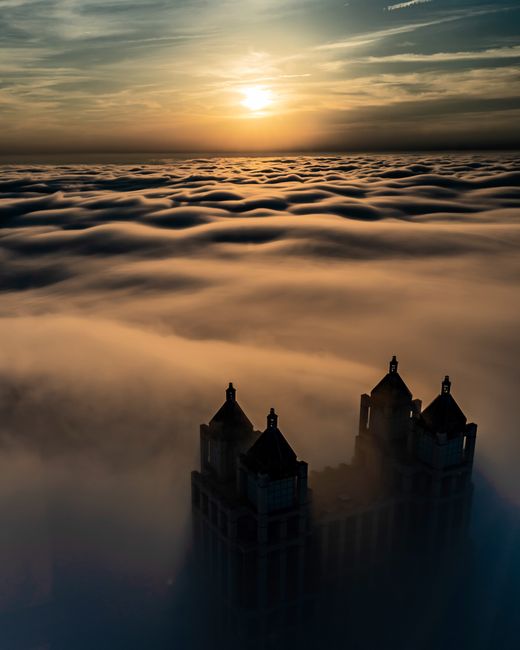
The Dark Tower: A Comprehensive Exploration of Stephen King’s Magnum Opus
Stephen King’s "The Dark Tower" series is not merely a collection of fantasy novels; it is a sprawling, multi-genre epic that intricately weaves together threads of science fiction, Westerns, horror, and philosophical musings. At its core lies the quest of Roland Deschain, the last gunslinger, for the titular Dark Tower, a nexus point that anchors all realities. This pursuit is not just a physical journey across a dying world, but a profound exploration of destiny, sacrifice, and the very nature of existence. The series, spanning eight books, is a testament to King’s ambitious storytelling, presenting a universe both familiar and alien, populated by unforgettable characters and driven by a narrative that transcends conventional genre boundaries. Understanding "The Dark Tower" requires delving into its complex mythology, its thematic depth, and its enduring impact on literature and popular culture.
The genesis of "The Dark Tower" can be traced back to King’s childhood fascination with the Robert Browning poem "Childe Roland to the Dark Tower Came," a medieval ballad that resonated with his burgeoning imagination. This poem served as the initial spark, but the series evolved into something far grander, drawing inspiration from diverse sources like J.R.R. Tolkien’s "The Lord of the Rings," Sergio Leone’s Western films, and even the existential dread of Albert Camus. King himself has described the series as the "central pillar" of his literary output, a constant presence in his creative mind for decades. The initial novel, "The Gunslinger," published in 1982, was a stark, almost bleak introduction to Roland’s world, a desolate landscape mirroring the harsh realities of his solitary quest. Subsequent books, like "The Drawing of the Three," "The Waste Lands," and "Wizard and Glass," expanded the scope, introducing new characters and deepening the lore, transforming Roland’s personal pilgrimage into a multi-dimensional saga. The later installments, "Wolves of the Calla," "Song of Susannah," and "The Dark Tower," brought the narrative to its climactic conclusion, tying together disparate plot threads and offering a resolution that was as profound as it was controversial. The addition of a ninth book, "The Wind Through the Keyhole," published much later, serves as a bridge between existing narratives, offering further character insights and enriching the overall mythology.
The thematic underpinnings of "The Dark Tower" are as vast as its fictional universe. At its most fundamental level, the series is a profound meditation on the nature of destiny versus free will. Roland is a man driven by a singular, unwavering purpose: to reach the Dark Tower. This pursuit often forces him into morally compromising situations, leading him to make agonizing choices that have ripple effects across time and space. The concept of ka, a form of karma or destiny that dictates the flow of events, is central to the narrative. Characters are drawn into Roland’s quest, their lives intertwined with his by the inescapable pull of ka. This raises questions about whether these individuals are truly agents of their own fate or merely pawns in a larger, predetermined game. The series also explores the corrosive nature of obsession and the sacrifices required to achieve one’s goals. Roland’s dedication to the Tower comes at a steep personal cost, demanding the loss of loved ones and the erosion of his own humanity. The idea of the "long road" and the "round world" is a recurring motif, symbolizing the cyclical nature of existence and the potential for recurrence, even after the ultimate goal is achieved.
The mythology of "The Dark Tower" is a tapestry woven from countless disparate elements. The Dark Tower itself is more than just a physical structure; it is the linchpin of creation, the point where all realities converge. Its existence is essential for the stability of the multiverse, and its potential collapse threatens utter annihilation. The forces arrayed against Roland are equally diverse and terrifying. The Crimson King, a malevolent entity embodying chaos and destruction, seeks to topple the Tower and plunge all worlds into eternal darkness. His machinations involve manipulating lesser beings, corrupting souls, and exploiting the weaknesses of those who stand in his way. The Beams, colossal magical constructs that hold the Tower upright, are also under attack, their weakening presence a harbinger of doom. The series introduces a pantheon of gods, demons, and supernatural entities, drawing from various mythologies and King’s own fertile imagination. The Breakers, individuals with psychokinetic abilities forced to destroy the Beams, represent the subjugation and corruption of inherent power. The concept of parallel universes and alternate timelines is crucial, with characters from different realities, like Eddie Dean and Susannah Dean, being "drawn" into Roland’s world, highlighting the interconnectedness of existence.
Roland Deschain himself is one of literature’s most compelling protagonists. He is a man forged in the crucible of loss and duty, a stoic warrior whose morality is constantly tested. His unwavering resolve, while admirable, often borders on ruthlessness. His past is haunted by the tragic loss of his mother and his unrequited love for Susan Delgado, events that shaped his grim determination. The supporting cast is equally vital to the series’ success. The members of Roland’s ka-tet – Eddie Dean, a wisecracking New Yorker with a troubled past; Susannah Dean, a resourceful and resilient woman with multiple personalities; and Jake Chambers, a young boy from another reality who forms a deep bond with Roland – bring humanity, humor, and emotional depth to the narrative. Their interactions with Roland, their personal struggles, and their eventual acceptance of their roles in the grand quest are as engaging as Roland’s own journey. Even characters who initially seem antagonistic, like the redeemed gunslinger Stephen King himself in his meta-narrative role, contribute significantly to the story’s complexity.
The visual and stylistic elements of "The Dark Tower" are as impactful as its narrative. King’s descriptive prose paints vivid, often nightmarish, landscapes. The dying world of Mid-World, with its barren plains, crumbling cities, and mutated creatures, is a stark and memorable setting. The juxtaposition of elements from different eras and genres – cowboys with advanced weaponry, magical spells alongside technological decay – creates a unique and disorienting atmosphere. The series also employs a metafictional approach, with Stephen King himself appearing as a character who influences the events of the story. This self-awareness blurs the lines between author and creation, adding another layer of intrigue and prompting reflection on the power of storytelling. The recurring imagery, such as the Tower itself, the "big iron" of Roland’s revolvers, and the disturbing "can-toi," contributes to the series’ iconic status.
The impact of "The Dark Tower" on Stephen King’s career and the broader literary landscape is undeniable. It established King as a storyteller of immense ambition and vision, capable of crafting narratives that spanned vast distances and explored profound existential questions. While initially met with mixed reviews, particularly "The Gunslinger," the series gained a dedicated following over time, culminating in widespread critical acclaim and a significant cultural footprint. It has inspired countless other writers, artists, and musicians, its themes and characters resonating across different creative mediums. The ambitious 2017 film adaptation, despite its critical reception, introduced "The Dark Tower" to a new audience, sparking renewed interest in the source material. The series continues to be a subject of intense discussion and analysis among fans and literary critics alike, a testament to its enduring power and complexity.
The enduring appeal of "The Dark Tower" lies in its ability to resonate with fundamental human experiences. The quest for meaning, the struggle against overwhelming odds, the bonds of friendship, and the sacrifices we make for what we believe in are all central to Roland’s journey. King’s masterful storytelling, his ability to blend the fantastic with the deeply personal, and his unflinching exploration of the darker aspects of human nature have created a saga that is both entertaining and thought-provoking. The series challenges readers to consider their own place in the universe, the choices they make, and the true meaning of destiny. It is a testament to the power of a well-told story, a journey that, like Roland’s own, lingers long after the final page is turned. The intricate world-building, the complex characters, and the profound thematic explorations solidify "The Dark Tower" as a landmark achievement in modern literature. Its SEO-friendly nature stems from its well-defined central concept (the Dark Tower and Roland’s quest), its rich thematic keywords (destiny, sacrifice, mythology, reality), and its extensive character roster, all of which contribute to its discoverability and continued relevance in online discussions and searches related to fantasy, sci-fi, and Stephen King’s works.
