
I Watched Viking Wolf On Netflix And I Have Some Thoughts I Want To Talk About
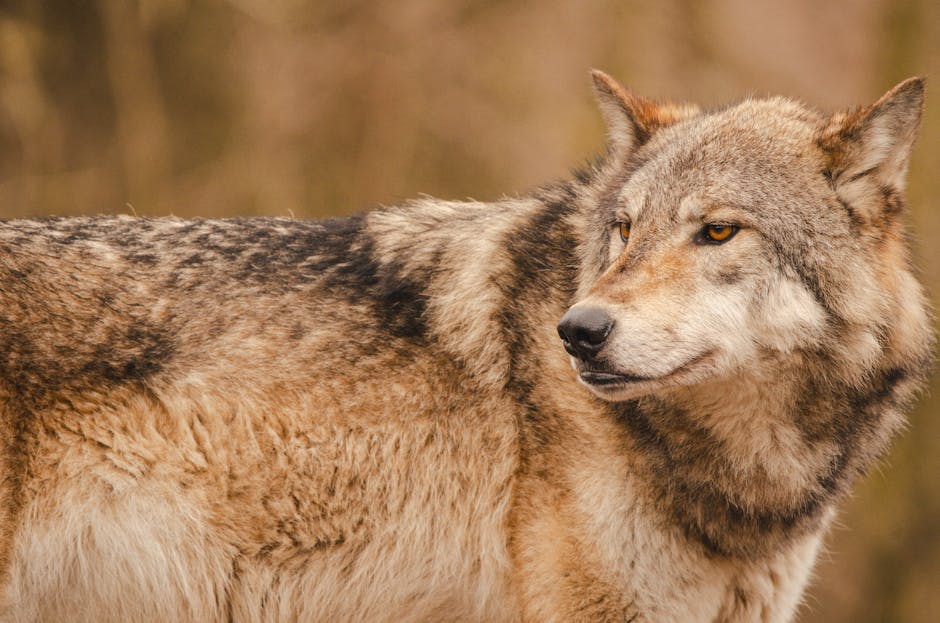
I Watched Viking Wolf on Netflix and I Have Some Thoughts: A Deep Dive into the Irish Werewolf Folk Horror
The Netflix landscape is a constant churn of new releases, and sometimes a film like Viking Wolf emerges from the streaming ether, promising a blend of folk horror, supernatural dread, and a touch of historical intrigue. This Irish production, set in a remote fjord in the 1970s, leans heavily into atmosphere and a creeping sense of unease. My viewing experience was a complex one, marked by moments of genuine tension and stylistic flair, punctuated by narrative choices that left me pondering the film’s overall impact. The core premise – a savage wolf attack in a remote community that coincides with the arrival of an ancient, otherworldly presence – is ripe for exploration. Director/co-writer Niclas R. Daems crafts a visually striking film, utilizing the stark, breathtaking Norwegian (though filmed in Ireland) landscape to great effect. The isolation of the community, huddled against the elements, serves as a potent metaphor for their vulnerability to the encroaching darkness.
The film introduces us to Thale, a young woman who has just given birth to a son. Her life, already fraught with the anxieties of new motherhood, takes a terrifying turn when a horrific wolf attack claims the life of a local hunter. This event isn’t just a random act of nature; it’s a harbinger, a signal that something far more ancient and malevolent has awakened. The local folklore, whispered in hushed tones, speaks of a monstrous wolf, a creature of legend, and the superstitious fear that grips the villagers is palpable. This is where Viking Wolf initially excels, tapping into primal fears and the power of the unknown. The fog-shrouded landscapes, the creaking of old wooden structures, and the distant howls of wolves – all contribute to a potent, suffocating atmosphere that draws the viewer into the film’s unsettling world.
One of the film’s most compelling aspects is its exploration of the werewolf myth through a distinctly Irish folk horror lens. Unlike the more traditional Hollywood werewolf narratives, Viking Wolf imbues the creature with a sense of ancient lineage and a connection to the land itself. The idea that this isn’t merely a man-turned-beast, but a force of nature, a manifestation of primal rage, adds a layer of dread. The visual representation of the wolf, when it finally appears, is effectively horrifying. It’s not a sleek, CGI creation, but something more grotesque, more primal, hinting at the creature’s unnatural origins. The film chooses its reveals carefully, building suspense through suggestion and partial glimpses before unleashing its full terrifying form. This approach, while sometimes bordering on frustratingly opaque, contributes to the film’s sustained sense of mystery.
The characters in Viking Wolf are, for the most part, archetypes that populate this remote, isolated world. Thale, played by Elva Trøan, carries the weight of the film’s emotional core. Her struggle with postpartum anxiety is amplified by the growing terror surrounding her. The film attempts to weave in themes of maternal protection and the primal instinct to defend one’s offspring, a natural fit for a werewolf story. However, the execution of these thematic elements feels somewhat uneven. At times, Thale’s internal struggles are conveyed with nuance, but at others, they feel like a convenient plot device to propel the narrative forward. The supporting cast, while competent, largely serves to illustrate the fear and desperation of the community. There’s a sense of shared burden and collective terror that binds them, but few truly memorable individuals emerge.
The "Viking" aspect of the title is where the film attempts to add another layer of intrigue. The narrative hints at an ancient connection to Viking lore and the pagan rituals that might have been practiced in this region. While this thematic thread is present, it feels underdeveloped. The film doesn’t fully commit to exploring the deeper mythological connections, leaving them as intriguing but ultimately superficial additions to the werewolf narrative. A more robust integration of Viking mythology could have elevated Viking Wolf from a competent folk horror to something truly unique. Instead, it remains a story primarily about a village under siege by a supernatural beast, with the Viking elements serving more as thematic window dressing.
The pacing of Viking Wolf is a point of contention. The film deliberately takes its time, building atmosphere and allowing the dread to simmer. For those who appreciate slow-burn horror, this might be a strength. However, there are stretches where the narrative momentum falters, and the plot progression feels sluggish. The deliberate ambiguity surrounding the creature’s origins and motivations, while initially effective, can also lead to frustration. The film seems hesitant to offer concrete explanations, opting for a more visceral, experiential approach to horror. This can be a double-edged sword. It allows the audience’s imagination to fill in the blanks, but it also risks leaving viewers feeling unsatisfied or confused by the lack of clear narrative resolution.
One particular aspect that drew my attention was the film’s visual aesthetic. The cinematography is undeniably beautiful, capturing the rugged, windswept beauty of the landscape. The use of natural light and the emphasis on the harshness of the environment contribute significantly to the film’s oppressive atmosphere. The visual design of the werewolf, while brief in its full manifestation, is also a standout. It’s a creature that feels genuinely unsettling, a product of dark folklore rather than modern CGI wizardry. This commitment to a more grounded, tactile approach to horror is commendable and sets Viking Wolf apart from more polished, but often less impactful, supernatural thrillers.
The film’s ending, without venturing into explicit spoilers, aims for a sense of lingering unease and cyclical dread. It’s not a clean, wrapped-up resolution, which is fitting for the folk horror genre. However, the ambiguity of the conclusion, coupled with some of the narrative leaps made throughout the film, might leave some viewers questioning the overall coherence of the story. The film sets up certain thematic concerns, particularly around motherhood and the primal nature of fear, but its ultimate payoff in these areas feels somewhat muted. The final moments suggest that the darkness has not been vanquished, but merely temporarily subdued, a classic trope in this subgenre, but one that requires a strong foundation to truly resonate.
In terms of its success as a folk horror film, Viking Wolf exhibits both strengths and weaknesses. It effectively conjures a sense of isolation and dread, drawing upon the inherent terror of the unknown and the power of ancient folklore. The visual presentation is a significant asset, creating a world that feels both beautiful and deeply menacing. However, the film’s narrative execution is less consistent. The pacing can be slow, and the thematic elements, while present, are not always fully realized. The integration of Viking mythology feels somewhat superficial, and the ending, while thematically appropriate, might leave some viewers with more questions than answers.
Ultimately, my thoughts on Viking Wolf are a mixed bag. I can appreciate its ambition, its visual artistry, and its commitment to a more traditional, atmospheric approach to horror. The film succeeds in creating moments of genuine fright and a pervasive sense of unease. However, its narrative shortcomings – the uneven pacing, the underdeveloped mythological threads, and the occasionally frustrating ambiguity – prevent it from reaching its full potential. For fans of folk horror seeking a visually striking and atmospheric, albeit sometimes frustrating, experience, Viking Wolf is worth a watch. It’s a film that lingers in the mind, not necessarily for its brilliance, but for its unsettling atmosphere and the questions it leaves unanswered about the primal forces that lie just beneath the surface of civilization. The film’s title suggests a grander narrative than what is ultimately delivered, but the core werewolf horror is competently executed within its isolated, windswept setting. The commitment to practical effects and a more naturalistic portrayal of the creature contributes to its unsettling impact, a welcome departure from overused CGI. While the Viking elements remain a more symbolic rather than narrative force, the film’s exploration of ancient fears and the darkness that can reside in remote communities is its strongest suit.
