
Wednesdays Jenna Ortega Has Only Heard Scary Things About Hosting Snl Ahead Of Her Debut
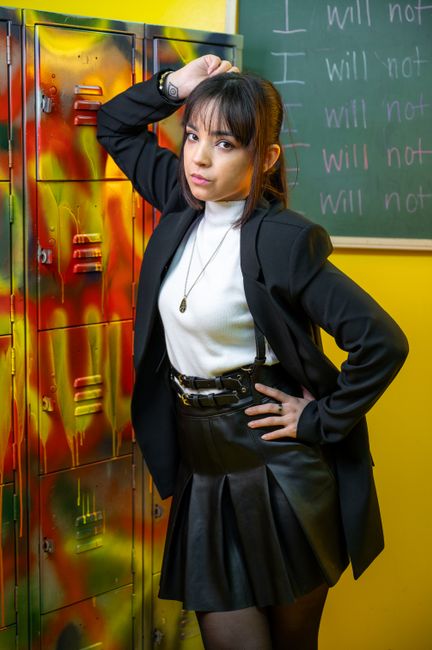
Wednesdays: Jenna Ortega Only Heard Scary Things About Hosting SNL Ahead of Her Debut
The imminent hosting debut of Jenna Ortega on Saturday Night Live is a moment circled with anticipation, and if industry whispers and her own candid admissions are any indication, a significant degree of trepidation. While the role of a SNL host is often lauded as a career milestone, Ortega has been vocal about the daunting reputation the iconic sketch comedy show holds, particularly concerning its demanding nature and the potential for creative missteps. The very phrase "hosting SNL" seems to conjure a specter of past performances that have fallen flat, of comedians struggling to find their footing, and of sketches that simply don’t land. For Ortega, fresh off the stratospheric success of Netflix’s "Wednesday," where her portrayal of the titular, macabre Addams daughter has cemented her as a Gen Z icon, the pressure to translate that compelling, albeit specific, persona to the live, unpredictable stage of SNL is immense. The fear, it appears, isn’t about the performance itself, but rather the inherent chaos and unforgiving nature of live television comedy, a stark contrast to the meticulously crafted, character-driven world of Wednesday Addams.
Ortega’s journey to 30 Rock has been a whirlwind, punctuated by the phenomenon of "Wednesday." Her portrayal of Wednesday Addams resonated deeply, offering a nuanced and darkly humorous take on the iconic character. This success, however, has also amplified the expectations surrounding her SNL appearance. The internet, a vast and often unforgiving landscape, has been abuzz with discussions about her hosting gig, many drawing parallels between her established persona and the demands of live comedy. The "scary things" she’s heard are likely a confluence of factors: the notoriously tight rehearsal schedules, the pressure to embody multiple characters on demand, the unpredictable nature of live sketches, and the inherent risk of a joke or bit not connecting with a global audience. Unlike the controlled environment of a television set, SNL is a beast of its own, demanding rapid-fire adaptation and a fearless embrace of potential failure. The very essence of sketch comedy, with its reliance on immediate audience reaction and the possibility of unexpected interruptions or technical glitches, can be a breeding ground for anxiety.
The specter of past SNL hosting performances that have been deemed less than stellar hangs heavy in the comedic ether. Comedians, seasoned or otherwise, have been known to falter under the SNL spotlight. The pressure to be funny across a diverse range of sketches, from political satire to absurd character-driven pieces, is a considerable challenge. For someone whose recent defining role has been so singular and tonally specific, the transition to the broader comedic palette of SNL is undoubtedly a daunting prospect. Ortega’s strength lies in her ability to inhabit a character with a distinct voice and demeanor. SNL, on the other hand, requires a chameleon-like adaptability, an ability to morph into various personas, often within the same episode. The "scary things" she’s encountered in her research or through industry chatter are likely tales of hosts who struggled to shed their own comedic identities and truly inhabit the sketches, or those who were overshadowed by the show’s ensemble cast, or worse, those whose comedic timing seemed off-kilter in the live setting.
The rapid pace of SNL is legendary. Hosts typically have a mere week to rehearse, write, and perfect multiple sketches. This compressed timeline is a breeding ground for stress, and for a performer accustomed to the more deliberate process of television production, it can be particularly intimidating. Ortega, having navigated the production of a hit streaming series, is no stranger to demanding schedules, but the live, immediate nature of SNL presents a different kind of pressure cooker. The fear of not having enough time to adequately prepare, of feeling rushed into performances, or of sketches not being fully fleshed out before going live, are all valid concerns that contribute to the "scary things" she’s heard. The fear isn’t necessarily of her own talent, but of the environment itself and its unforgiving nature when it comes to timing and execution.
Furthermore, the inherent vulnerability of live comedy cannot be overstated. While "Wednesday" offers a controlled narrative and the safety net of multiple takes, SNL is a live broadcast. A missed cue, a flubbed line, a sketch that bombs with the audience – these are all immediate and unedited realities. For a performer who has just achieved such widespread acclaim, the prospect of a public misstep on such a massive platform can be a source of considerable anxiety. The "scary things" likely include cautionary tales of hosts who were met with awkward silence or lukewarm laughter, moments that are amplified by the live nature of the broadcast and the ensuing social media commentary. The internet’s ability to dissect and critique every aspect of a performance is a powerful force, and the thought of becoming the subject of such intense scrutiny can be a sobering one.
The "scary things" Ortega has heard might also stem from the comedic expectations associated with hosting SNL. The show has a long history of hosts bringing their own comedic styles, and sometimes, those styles don’t mesh seamlessly with the established SNL comedic sensibilities. While Ortega has proven her dramatic and darkly comedic prowess, SNL demands a specific brand of sketch comedy, often leaning into absurdity, observational humor, and rapid-fire punchlines. The fear might be that her established persona, while beloved, might not translate into the broad appeal required for a successful SNL hosting gig. The pressure to be funny in a multitude of ways, not just through her Wednesday Addams-esque deadpan, is a significant hurdle.
Industry insiders and long-time SNL viewers often speak of the show’s unique ecosystem. The cast members are seasoned sketch comedians, accustomed to the show’s rhythm and humor. A host, even a successful actor, is essentially an outsider entering this established world. The fear might be of not being able to keep up with the pace, of feeling out of sync with the cast, or of not understanding the nuances of SNL’s comedic language. The "scary things" could include anecdotes of hosts who struggled to integrate with the cast, or whose comedic contributions felt forced or disconnected. The collaborative nature of SNL, while often a strength, can also be a source of anxiety for an individual performer stepping into an unfamiliar dynamic.
The internet’s dissection of performances, particularly on platforms like Twitter and TikTok, is a constant presence. A less-than-stellar SNL hosting gig can become fodder for memes, jokes, and prolonged online discussions. For an actor who has just reached a new level of superstardom, the prospect of this kind of intense, often brutal, online critique can be a significant worry. The "scary things" are likely amplified by the knowledge that every moment of her performance will be scrutinized by millions, and any perceived misstep will be amplified and dissected in real-time. This level of public accountability, combined with the inherent risks of live television, creates a potent cocktail of anxiety.
The very act of stepping onto the SNL stage is a leap of faith. It’s a commitment to embracing the unpredictable, to pushing comedic boundaries, and to facing the potential for both triumph and tribulation. For Jenna Ortega, the "scary things" she’s heard about hosting SNL are likely a testament to the show’s formidable reputation and the immense pressure that comes with inhabiting such an iconic role. Her success on "Wednesday" has provided a powerful platform, but it has also elevated the stakes for her SNL debut. The fear is palpable, a natural response to the challenge of stepping into the unforgiving, yet exhilarating, arena of live sketch comedy. The anticipation is not just for her performance, but for how she will navigate the inherent terrors and triumphs that have long been associated with the legendary Saturday Night Live stage. Her journey into the world of SNL is one shadowed by the whispered warnings of its demanding nature, a testament to the show’s enduring power to both elevate and, at times, intimidate its hosts, even those who have already conquered the macabre with chilling precision. The allure of SNL is undeniable, but for Ortega, it’s a siren song accompanied by a chorus of cautionary tales, a testament to the very real fear that accompanies stepping onto its hallowed, and often terrifying, stage. The "scary things" are not just rumors; they are the echoes of a legacy built on risk, laughter, and the occasional, unforgettable stumble.
