
Andy Serkis And Cynthia Erivo Break Down The Piccadilly Circus Stunt In Luther The Fallen Sun
Andy Serkis and Cynthia Erivo Break Down the Piccadilly Circus Stunt in Luther: The Fallen Sun
The explosive climax of Luther: The Fallen Sun, a Netflix film continuing the saga of Detective Chief Inspector John Luther, hinges on a breathtakingly ambitious stunt sequence staged in the heart of Piccadilly Circus. This pivotal scene, featuring a meticulously choreographed car chase and the subsequent dramatic confrontation between Luther (Idris Elba) and his nemesis David Robey (Andy Serkis), with the formidable Odette (Cynthia Erivo) hot on their heels, required immense planning, innovative filmmaking, and the unparalleled dedication of its lead actors. Serkis, who also served as executive producer, and Erivo, alongside director Jamie Payne, have spoken extensively about the complexities and exhilaration of bringing this iconic London landmark to life as a chaotic battleground.
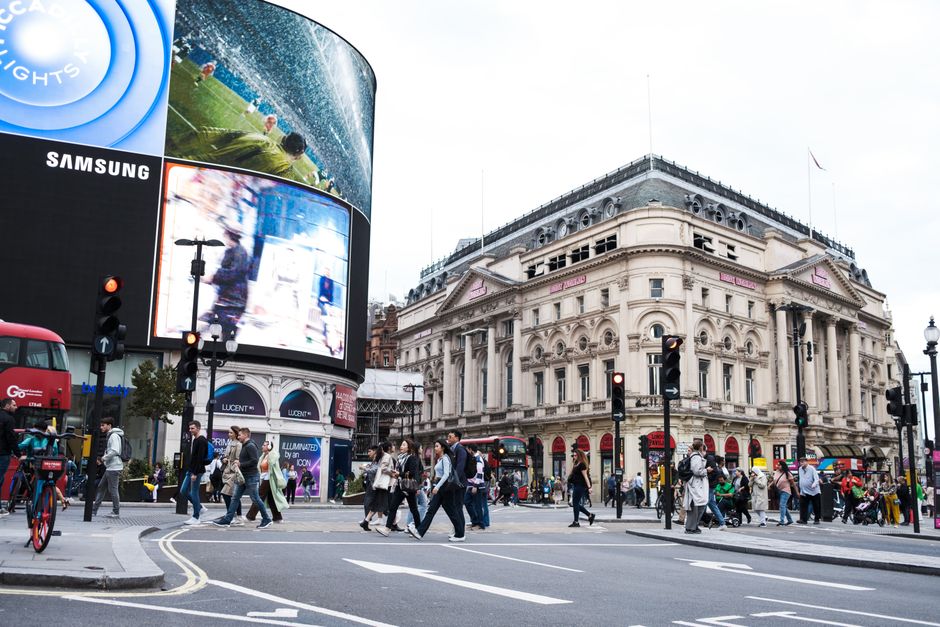
The decision to set such a crucial scene in Piccadilly Circus was not taken lightly. It’s a location synonymous with London’s vibrant energy, a bustling nexus of culture and commerce, making it an instantly recognizable and visually arresting setting for a high-stakes thriller. However, this very ubiquity presented significant logistical hurdles. Shutting down Piccadilly Circus, a thoroughfare teeming with life and traffic, is a monumental undertaking. The production team worked tirelessly with Transport for London and Westminster City Council to secure the necessary permissions and meticulously plan every inch of the operation. This involved extensive pre-visualization, detailed storyboarding, and multiple site recces to identify the safest and most impactful ways to execute the action. The aim was to capture the raw, visceral feel of a desperate chase and a final, desperate stand, while ensuring the safety of cast, crew, and the public, even during carefully controlled periods of closure.
Andy Serkis, known for his groundbreaking work in motion capture and his immersive approach to character, played the psychopathic serial killer David Robey. Robey’s character is defined by his chilling intellect and his ability to manipulate those around him, and his presence in Piccadilly marks his most audacious and public act of terror yet. Serkis detailed the process of embodying such a villain, emphasizing that even in a spectacle-driven scene, the psychological underpinnings of Robey’s actions remain paramount. For Serkis, Robey’s motivation is rooted in a profound nihilism, a desire to expose the perceived hypocrisy and superficiality of modern society by plunging its most iconic symbols into chaos. The Piccadilly Circus stunt, in this context, becomes Robey’s ultimate performance piece, a grand statement designed to shock and shatter the public’s sense of security. He described it as “an act of ultimate performance art for Robey, designed to be seen, to be broadcast, to terrorize on a global scale.”
Cynthia Erivo’s character, Odette, is a relentless and formidable adversary to both Luther and Robey. As a skilled operative with her own personal demons and a steely resolve, her pursuit of Robey is fueled by a sense of justice and a deep understanding of his predatory nature. Erivo spoke about the physical and emotional toll of the Piccadilly sequence, highlighting the demanding nature of her role as she navigates the chaos to apprehend Robey. She emphasized the importance of conveying Odette’s unwavering determination amidst the pandemonium. “It was about holding that focus,” Erivo stated, “knowing that even with everything falling apart around you, your objective remains the same. The environment itself became another obstacle, another element to contend with.” The sheer scale of the stunt, with multiple vehicles moving at speed and the iconic digital billboards of Piccadilly providing a dazzling, disorienting backdrop, required Erivo to maintain an intense level of concentration.
The Piccadilly Circus sequence can be broadly divided into two main phases: the high-speed chase and the subsequent static confrontation. The chase itself involved a carefully choreographed ballet of vehicles. Real cars, stunt vehicles, and even specially adapted vehicles were used to create the illusion of a frantic pursuit. The production team employed a combination of practical effects, including controlled spins and near misses, and cutting-edge camera work to capture the speed and danger. Drones were utilized to provide sweeping aerial shots, while multiple cameras positioned at ground level and on the vehicles themselves offered dynamic perspectives. The iconic red double-decker buses and black cabs of London were incorporated into the mayhem, adding to the authentic sense of place and the escalating stakes.
Serkis explained that Robey’s escape, even in the midst of this chaos, was designed to be calculated and opportunistic. He wasn’t simply fleeing; he was dictating the terms of the chase, using the environment to his advantage. “He revels in the chaos he creates,” Serkis remarked. “Piccadilly becomes his playground, his stage. He’s orchestrating this destruction, and he sees himself as an artist of anarchy.” The visual spectacle of cars swerving and narrowly avoiding collisions with London’s iconic landmarks was meticulously planned by the stunt coordinators. They worked to ensure that the action, while appearing wild and unpredictable, was executed with the utmost precision, minimizing risks while maximizing the visual impact.
The second phase of the stunt involved the dramatic showdown. Following the chase, the narrative culminates in a tense standoff where Luther and Odette converge on Robey. This part of the sequence demanded a different kind of intensity. The focus shifted from kinetic motion to raw, emotional confrontation, set against the surreal backdrop of a disrupted Piccadilly. Erivo highlighted the challenge of performing intense dialogue and physical action under such extreme conditions. “You’re in the middle of this incredibly busy, iconic place,” she said, “and yet, for the characters, it’s this intensely personal and dangerous moment. The contrast between the external spectacle and the internal stakes for Odette was crucial.”
The use of Piccadilly’s famous digital screens played a significant role in the visual storytelling. During the stunt, these screens, which normally display advertisements and vibrant imagery, were manipulated to reflect the unfolding chaos. Images could be distorted, or even replaced with thematic elements that underscored Robey’s psychological manipulation or the gravity of the situation. This was achieved through a combination of pre-programmed sequences and real-time visual effects, seamlessly integrated into the live-action filming. The effect was a disorienting and immersive experience for the audience, mirroring the psychological torment Robey inflicts.
Director Jamie Payne emphasized the collaborative nature of realizing such an ambitious stunt. He credited the stunt teams, the visual effects department, and the actors for their dedication. “It was a massive undertaking,” Payne stated. “Every element had to be perfect. The timing of the cars, the performance of the actors, the integration of the VFX – it was like a giant, intricate puzzle. But when it all comes together, and you see Piccadilly Circus erupt in this controlled pandemonium, it’s incredibly rewarding.” The challenge was to maintain the narrative drive and emotional core of the scene amidst the technical complexities. Payne wanted the audience to feel the visceral threat posed by Robey and the desperation of Luther and Odette’s pursuit, not just to be impressed by the spectacle.
Furthermore, the sound design for the Piccadilly Circus stunt was as crucial as the visuals. The roar of engines, the screech of tires, the distant sirens, and the amplified sounds of impact all contributed to the immersive and terrifying atmosphere. The juxtaposition of these sounds with the ambient noise of a (albeit partially controlled) public space created a heightened sense of realism and urgency. This sonic landscape was carefully sculpted to draw the audience deeper into the action and to amplify the emotional weight of the scene.
The success of the Piccadilly Circus stunt in Luther: The Fallen Sun is a testament to the power of meticulous planning, innovative technology, and the commitment of its cast and crew. It’s a sequence that not only serves as a thrilling set piece but also as a powerful narrative device, propelling the story to its dramatic conclusion. For Andy Serkis, it was an opportunity to fully embody a villain whose nihilistic philosophy found its ultimate expression in the disruption of a beloved public space. For Cynthia Erivo, it was a chance to showcase Odette’s unyielding pursuit of justice in the face of overwhelming odds. Together, their performances, combined with the sheer scale of the production, transformed Piccadilly Circus into an unforgettable cinematic battleground, solidifying Luther: The Fallen Sun as a high-octane addition to the beloved detective franchise. The stunt pushed the boundaries of what’s possible in urban action filmmaking, demonstrating that even the most familiar of locations can be reimagined as sites of thrilling cinematic adventure. The integration of practical effects, advanced visual effects, and compelling performances ensured that the Piccadilly Circus sequence was not merely a display of technical prowess but a narrative-driven moment of high tension and dramatic impact.
