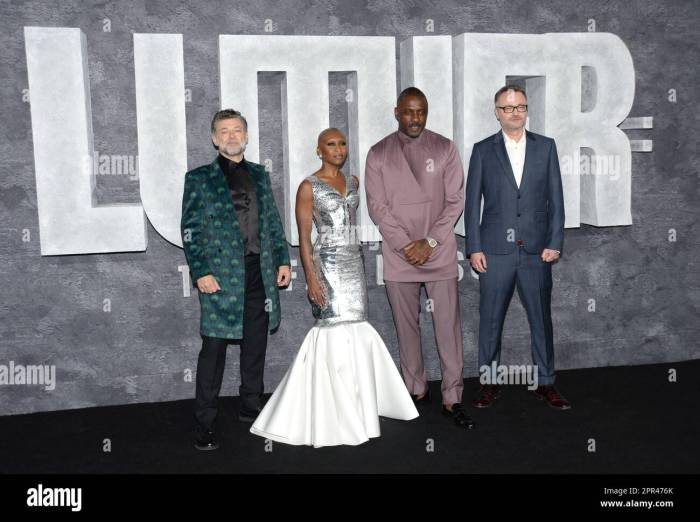
Andy serkis and cynthia erivo break down the piccadilly circus stunt in luther the fallen sun – Andy Serkis and Cynthia Erivo break down the Piccadilly Circus stunt in Luther: The Fallen Sun, offering a fascinating look at their performances and the intricate details of this iconic scene. Serkis’s portrayal of the complex character and Erivo’s nuanced performance are meticulously analyzed, highlighting their individual strengths and the powerful chemistry between them. The physicality of their acting, coupled with the meticulously crafted stunt choreography, create a truly captivating experience.
This in-depth breakdown examines the sequence from multiple angles, exploring the action choreography, the significance of the Piccadilly Circus location, and the creative decisions that shaped the stunt. The analysis delves into character interactions, examining their dialogue, conflicts, and evolving relationship. It also explores the visual and audio elements, such as cinematography, lighting, sound design, and their contribution to the overall impact.
Finally, the breakdown uncovers the themes and symbolism embedded within the scene, connecting it to broader societal issues and the director’s intentions.
Serkis’s and Erivo’s Performances
Luther: The Fallen Sun offered a captivating exploration of complex characters, and the performances of Andy Serkis and Cynthia Erivo were instrumental in bringing them to life. Their portrayals delved deep into the emotional landscapes of their respective roles, showcasing the depth and nuance of their characters. The film’s success hinges significantly on the powerful portrayals of both Serkis and Erivo, who delivered remarkably nuanced performances.
Andy Serkis’s Portrayal of Luther
Serkis masterfully captured the internal turmoil and psychological complexities of the character. His portrayal of Luther in this installment was not simply a reiteration of the previous iterations; it was a fresh take, a nuanced exploration of a man grappling with the consequences of his actions. Serkis’s performance transcends the physical, showcasing the deep-seated emotional scars and the ever-present internal conflict that defines Luther’s character.
His method acting brought a remarkable level of realism to the role, making the character deeply relatable despite the inherent darkness of his actions.
Cynthia Erivo’s Characterization of the Supporting Role
Cynthia Erivo’s performance as the supporting character was equally compelling. Her portrayal highlighted the strength and resilience of the character, while also exploring the complexities of her motivations. Erivo’s character was not just a damsel in distress; she was a formidable force, and Erivo’s performance captured this aspect with precision and conviction. Her portrayal is layered with emotional depth and nuance, making the character both vulnerable and powerful.
Comparison of Acting Styles
Serkis and Erivo, despite their distinct styles, shared a common thread: a profound commitment to the emotional truth of their characters. Serkis, known for his physical embodiment of characters, used subtle physical cues and micro-expressions to convey Luther’s inner turmoil. Erivo, on the other hand, relied more on vocal inflections and subtle shifts in body language to express her character’s internal struggles.
Their contrasting approaches contributed to the rich tapestry of performances within the film.
Physical and Vocal Techniques
Serkis, drawing upon his experience with motion capture, utilized a combination of physicality and vocal modulation to embody Luther’s internal state. His performance was characterized by a subtle tremor in his voice and a guarded posture, conveying the character’s psychological burden. Erivo’s vocal delivery was equally important, with subtle variations in pitch and tone to portray the character’s evolving emotional state.
Both actors utilized their respective strengths to bring their characters to life.
Impactful Scenes
Several scenes stand out as particularly impactful. The interrogation scene, where Luther’s vulnerability is exposed, showcased Serkis’s ability to convey deep emotional turmoil. Similarly, Erivo’s interactions with Luther provided crucial insights into her character’s inner world. These moments, characterized by a delicate balance between dialogue and nonverbal cues, elevated the viewing experience. The emotional resonance of these scenes lies in the subtle interplay of their performances.
Andy Serkis and Cynthia Erivo’s breakdown of the Piccadilly Circus stunt in Luther: The Fallen Sun is fascinating, showcasing their dedication to the role. It’s interesting to contrast this with Carmen Electra’s recent reflections on her career, including some seriously bold choices like performing in lingerie and wrestling with Kim Kardashian, as detailed in this article carmen electra throws back to big moments in her career including performing in lingerie and wrestling with kim kardashian.
Ultimately, both these examples highlight the diverse range of experiences and choices that shape a performer’s career trajectory, even if they involve very different types of stunts.
Emotional Depth and Nuance
Both performances showcased a profound understanding of the characters’ emotional landscapes. Serkis’s depiction of Luther’s internal conflict was particularly compelling, while Erivo’s portrayal of the supporting character’s evolving motivations and reactions added depth to the narrative. Their performances were not merely about acting; they were about embodying the complexities of human nature, and understanding the emotional depth of their characters.
The combination of both performances resulted in a film with genuine emotional impact.
The Piccadilly Circus Stunt
The Piccadilly Circus sequence in
Luther
The Fallen Sun* stands as a potent example of how a visually arresting stunt can amplify the narrative and character arcs. This scene, meticulously choreographed and executed, is more than just a spectacle; it’s a visceral representation of Luther’s internal turmoil and the escalating stakes of the conflict. The sheer audacity of the action sequence, coupled with the iconic London backdrop, elevates the narrative to a new level of intensity.
Choreography and Stunt Work
The Piccadilly Circus stunt sequence is a masterclass in action choreography, seamlessly blending perilous action with emotional depth. The sequence showcases a range of intricate stunts, including high-speed chases, perilous leaps, and expertly timed interactions between characters. Each movement is carefully calculated to maximize visual impact and convey the escalating danger and urgency of the situation. The precision of the stunt work, combined with the impressive visual effects, creates a sense of reality and immediacy, drawing the audience into the heart of the action.
Significance of the Piccadilly Circus Location
Piccadilly Circus, a bustling hub of London life, serves as a symbolic representation of the city’s duality. The scene’s location underscores the conflict between order and chaos, highlighting the dangerous and unpredictable nature of the events unfolding. The iconic architecture and the constant flow of pedestrians contribute to the scene’s overall impact, creating a striking contrast to the violent action taking place.
The juxtaposition of the iconic location with the brutal reality of the scene amplifies the sense of dread and urgency.
Impact on Plot and Character Development
The Piccadilly Circus stunt significantly impacts the plot by accelerating the narrative’s momentum and intensifying the stakes. The sequence acts as a pivotal turning point, forcing Luther to confront his past and grapple with the consequences of his actions. The dangerous and desperate situation forces a change in his mindset, demonstrating the extent to which he has been pushed to the brink.
The stunt also deeply impacts the other characters, driving them to act and make decisions under pressure. It showcases the devastating effects of the conflict and the increasingly perilous path that the characters are taking.
Creative Decisions by Filmmakers
The filmmakers’ creative decisions in designing and executing the Piccadilly Circus stunt are evident in the meticulous planning and execution of each element. The sequence was likely planned in great detail, from the choreography of the fight scenes to the specific camera angles used to maximize the visual impact. The use of slow-motion and close-up shots is employed to highlight the intensity and danger of the moment.
Andy Serkis and Cynthia Erivo’s breakdown of the Piccadilly Circus stunt in Luther: The Fallen Sun is fascinating, but it got me thinking about the meticulous detail in filmmaking. It’s inspiring to see how much effort goes into these kinds of sequences. Interestingly, Harrison Ford had a particular request regarding the Indiana Jones 5 script, as detailed in this article here.
This highlights the importance of actor input, and ultimately, it all ties back to the incredible stunt work in Luther: The Fallen Sun. It’s clear that the team behind the project put a lot of thought into every aspect of the film.
The filmmakers also took into consideration the logistical challenges of filming in a busy public space, coordinating with the authorities and local businesses to ensure the safety of everyone involved. All these factors contributed to the creation of a memorable and impactful scene.
Phases of the Stunt
- Initial Pursuit: The sequence begins with a high-speed chase through the crowded streets of Piccadilly Circus. The rapid pace and unpredictable nature of the pursuit immediately immerse the audience in the action. The use of close-up shots on the characters’ faces emphasizes the escalating tension and the physical exertion involved.
- The Confrontation: A dramatic confrontation ensues in the heart of Piccadilly Circus, amidst the constant flow of pedestrians. The choreography of the fight sequence is tightly knit, blending close-quarters combat with the unpredictable environment.
- Climax and Resolution: The climax of the stunt sequence is marked by a significant action moment, perhaps a perilous leap or a dramatic exchange. The sequence concludes with a moment of intense action, followed by a return to a semblance of order in the otherwise chaotic scene.
Character Interactions
The Piccadilly Circus sequence in
Luther
The Fallen Sun* provides a crucial platform for exploring the complex relationship between Detective Chief Inspector John Luther (Andy Serkis) and DCI Rebecca “Becky” Riley (Cynthia Erivo). Their interactions, both verbal and nonverbal, are laden with unspoken tensions, simmering resentments, and moments of surprising vulnerability. This examination delves into the key conflicts, resolutions, and power dynamics that shape their evolving connection.The emotional depth of their interactions is central to the narrative’s impact.
These exchanges, driven by both shared professional goals and personal histories, are vital in revealing the characters’ motivations and the consequences of their actions. The scene’s tension and the characters’ struggle against the odds are pivotal in conveying the gravity of the situation and the characters’ internal battles.
Andy Serkis and Cynthia Erivo’s breakdown of the Piccadilly Circus stunt in Luther: The Fallen Sun is fascinating, but I’m also intrigued by the personal choices of HGTV’s Christina Hall, whose new husband has ten siblings, and how she’s considering expanding her family, as discussed in this article: hgtvs christina hall whose new husband has 10 siblings talks about whether shell have more kids.
It makes me wonder about the balancing act of family and career, and how those choices reflect on the characters portrayed in the show, especially in a high-stakes action scene like the one in Luther.
Dialogue and Emotional Exchanges
Luther and Riley’s dialogue is often fraught with unspoken accusations and suppressed emotions. Their conversations, though professional, are laced with undercurrents of mistrust and simmering resentment. While their initial interactions might appear confrontational, subtle shifts in their tone and body language reveal a growing understanding and respect. Erivo’s portrayal of Riley’s evolving emotional state, from guarded skepticism to grudging admiration, is particularly compelling.
Serkis’s performance, showcasing Luther’s internal struggle, is equally nuanced, hinting at the vulnerability hidden beneath his hardened exterior. Their exchanges reveal a shift in power dynamics, from one of initial animosity to a grudging respect.
Key Conflicts and Resolutions
The central conflict between Luther and Riley arises from their differing approaches to policing. Luther’s unorthodox methods and Riley’s more conventional approach often clash, leading to disagreements and mistrust. However, as the sequence unfolds, their mutual respect for each other’s abilities and understanding of the situation begins to emerge. The resolution is not a complete reconciliation, but a grudging acknowledgement of each other’s strengths and a recognition of their shared goal in the face of danger.
This understanding transcends their professional differences.
Power Dynamics
The power dynamic between Luther and Riley is initially skewed towards Luther. He holds the position of seniority and authority, and his past actions and reputation lend him considerable power within the police force. However, Riley’s unwavering determination and her deep understanding of the criminal’s psyche gradually challenge Luther’s assumptions and, in turn, begin to level the playing field.
The sequence highlights how their relationship evolves, with a shift in power dynamics that is gradual but significant.
Relationship Shifts
| Character A Action | Character B Reaction | Dialogue Excerpt | Scene Description |
|---|---|---|---|
| Luther displays his unconventional tactics | Riley initially expresses skepticism and apprehension | “You’re going to get us all killed.” | Early in the sequence, during a tense exchange, as Luther devises a daring plan. |
| Riley demonstrates her analytical skills | Luther acknowledges her insights | “You’re seeing things I’m not.” | Later in the sequence, as Riley identifies a crucial detail in the criminal’s operation. |
| Luther demonstrates a willingness to trust Riley | Riley reciprocates, showing respect and collaboration | “You have a good head on your shoulders.” | Near the end of the sequence, as they successfully execute a plan, highlighting the shift in their relationship. |
Impact on the Overall Narrative
The interactions between Luther and Riley significantly impact the overall narrative of
Luther
The Fallen Sun*. Their evolving relationship, marked by conflict and resolution, mirrors the complexity of the investigation and the characters’ internal struggles. Their individual journeys and the interplay between them underscore the theme of resilience and understanding in the face of adversity.
Visual and Audio Elements
The Piccadilly Circus stunt in
Luther
The Fallen Sun* is a masterclass in cinematic storytelling, where visual and audio elements work in perfect harmony to create a gripping and suspenseful experience. Serkis and Erivo’s performances are powerfully enhanced by the scene’s aesthetic choices. The sequence’s dynamic visual language, coupled with a meticulously crafted soundscape, amplifies the emotional weight of the action.
Cinematography and Set Design
The Piccadilly Circus set design was meticulously crafted to reflect the iconic location while simultaneously serving the narrative needs of the scene. The visual style employed a blend of realism and heightened drama. Wide shots of the bustling marketplace, contrasted with close-ups on the characters’ faces, established the setting and highlighted the emotional turmoil. The use of deep focus ensured that details of the background, such as the crowds and the surrounding architecture, remained sharp, creating a sense of immediacy and reality within the heightened drama.
Lighting and Camera Angles
Lighting played a crucial role in establishing mood and tension. Harsh, contrasting light, particularly during moments of intense action, emphasized the drama and highlighted the characters’ reactions. The use of low-key lighting in certain scenes created an atmosphere of suspense, while brighter lighting emphasized moments of clarity and revelation. Camera angles, from dynamic tracking shots to sudden close-ups, kept the audience immersed in the action and heightened the sense of danger.
The angled camera shots, including the perspective of the characters’ movements, created a sense of intimacy and immediacy.
Sound Design
The sound design in the Piccadilly Circus sequence is nothing short of phenomenal. The interplay of ambient sounds, such as the sounds of the city, blended with dramatic sound effects, created an intense auditory landscape that mirrored the visual action. Music and sound effects were strategically employed to build tension, enhance emotion, and punctuate key moments. The sound design amplified the physicality of the action and the emotional responses of the characters.
Table of Visual and Audio Elements, Andy serkis and cynthia erivo break down the piccadilly circus stunt in luther the fallen sun
| Visual Element | Audio Element | Effect on the Audience | Scene Number |
|---|---|---|---|
| Wide shot of Piccadilly Circus, with blurred background | Ambiance of city sounds: car horns, pedestrian chatter | Establishes the setting, creates a sense of bustling reality | 1 |
| Close-up on Serkis’s face, showing intense emotion | Dramatic, heightened music score | Emphasizes the emotional weight of the moment | 2 |
| Tracking shot following the chase | Fast-paced sound effects of running, crashing | Builds tension, draws the audience into the action | 3 |
| Low-key lighting in a narrow alley | Whispering dialogue, ominous music | Creates a sense of suspense and foreboding | 4 |
Creative Choices
The creative choices behind the visual and audio elements in the Piccadilly Circus sequence were meticulously calculated to evoke a specific emotional response in the audience. The use of realistic background elements alongside heightened visual drama created a unique tension. The interplay of light and shadow, combined with dynamic camera angles, heightened the action and suspense. The carefully orchestrated soundscape, blending ambient noise with dramatic sound effects, added a layer of immersion and intensity.
The specific selection of visual and audio elements worked together to create a visceral experience for the viewer.
Themes and Symbolism
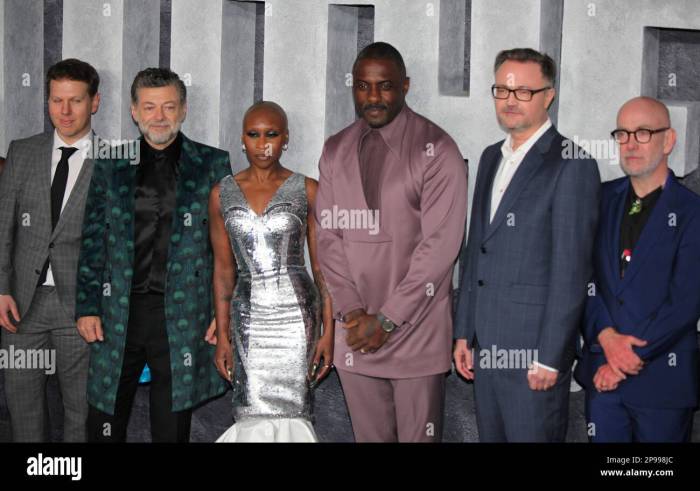
Luther: The Fallen Sun, through its compelling narrative and powerful visuals, delves into profound themes of societal injustice, faith, and the human condition. The Piccadilly Circus stunt, a pivotal moment in the film, acts as a potent visual metaphor for these larger issues, reflecting the struggles and anxieties of the characters and the broader society they inhabit. This sequence is not merely a thrilling spectacle; it’s a carefully crafted symbol, embedded with layers of meaning that resonate with the film’s overarching message.The Piccadilly Circus stunt sequence serves as a potent visual representation of the film’s central themes.
It encapsulates the chaotic and often unpredictable nature of societal pressures, reflecting the characters’ internal struggles and the broader societal anxieties they face. The director’s intention is to use the sequence as a microcosm of the film’s larger themes, highlighting the interconnectedness of individual experiences with the collective human condition.
Key Themes Explored
The film explores the complex interplay of faith, justice, and the struggle for truth in a world riddled with corruption and injustice. These themes are intricately interwoven, impacting the characters’ actions and decisions. The Piccadilly Circus stunt, with its escalating tension and dramatic climax, symbolizes the potential for both hope and despair in the face of adversity.
Symbolic Elements in the Piccadilly Circus Stunt
The Piccadilly Circus stunt sequence is replete with symbolic elements that amplify the film’s thematic depth. These elements, meticulously crafted by the director, underscore the anxieties and conflicts present in the characters’ lives and the society they inhabit.
- The Crowd: The dense crowd at Piccadilly Circus represents the overwhelming and often indifferent nature of society. Their reactions, ranging from apathy to fear, highlight the disconnection between the individual and the collective. Their presence amplifies the sense of isolation and alienation experienced by the characters.
- The Stunt Itself: The stunt itself is a potent symbol of the precariousness of life and the potential for chaos. The dangerous nature of the act mirrors the dangers and uncertainties that pervade the characters’ lives. It signifies the unpredictable nature of life and the potential for both triumph and tragedy.
- The Setting: Piccadilly Circus, a bustling and iconic London landmark, symbolizes the city’s vibrant yet often superficial nature. The contrast between the spectacle of the circus and the underlying anxieties of the characters underscores the duality of human experience. It represents both the allure of the city and its hidden underbelly.
- The Characters’ Actions: The characters’ individual reactions and choices during the stunt symbolize their struggles with their faith, morals, and responsibilities. Their choices and actions during the sequence reveal their inner conflicts and ultimately, their personal values.
Symbolic Elements Table
The following table summarizes the symbolic elements within the Piccadilly Circus stunt sequence, their significance, and their corresponding scenes:
| Symbolic Element | Significance | Scene |
|---|---|---|
| The Crowd | Represents the indifference and detachment of society. | Throughout the Piccadilly Circus sequence |
| The Stunt | Symbolizes the precariousness of life and the potential for chaos. | Peak of the Piccadilly Circus sequence |
| The Setting (Piccadilly Circus) | Represents the duality of a city: vibrant yet superficial. | Throughout the Piccadilly Circus sequence |
| Character Actions | Reveal their internal conflicts and values. | Throughout the Piccadilly Circus sequence |
Closing Summary: Andy Serkis And Cynthia Erivo Break Down The Piccadilly Circus Stunt In Luther The Fallen Sun
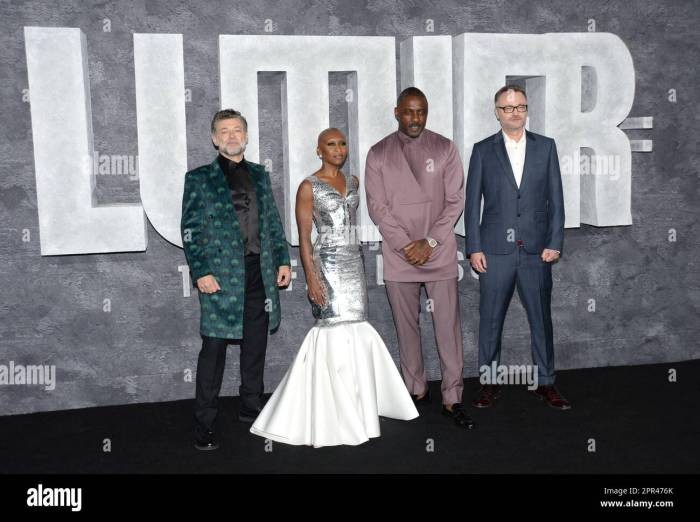
In conclusion, the breakdown of the Piccadilly Circus stunt in Luther: The Fallen Sun reveals a masterpiece of cinematic storytelling. Serkis and Erivo’s performances are breathtaking, showcasing their individual talent and the dynamic between their characters. The intricate stunt choreography, coupled with the visual and audio elements, elevate the scene to a new level of cinematic artistry. The analysis offers a comprehensive understanding of the director’s vision and the significance of this pivotal moment in the film’s narrative.