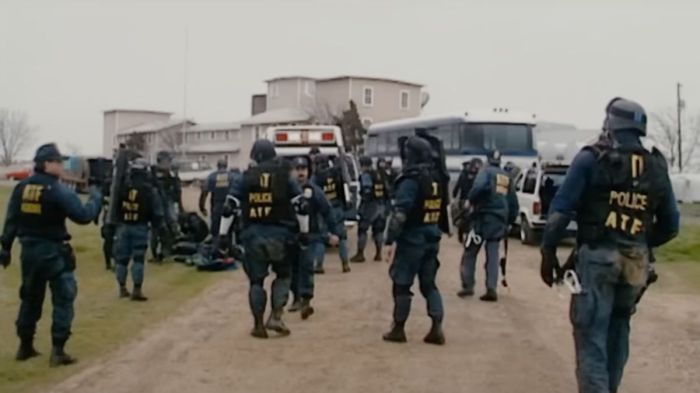
Waco american apocalypse things to know before you watch the netflix docuseries – Waco American Apocalypse: things to know before you watch the Netflix docuseries delves into the 1993 Waco siege, a pivotal moment in American history. This intense event, marked by religious fervor, government action, and media scrutiny, left an enduring mark. Understanding the context, key players, and the docuseries’ approach is crucial for a richer viewing experience. The series offers a multi-faceted perspective, examining the events from various angles.
The docuseries explores the beliefs of the Branch Davidians, contrasting them with the government’s perspective. It unpacks the sequence of events, highlighting key decisions and the escalating tension. The Netflix series also analyzes the narrative’s strengths and weaknesses, exploring the different voices and visual elements that shape our understanding of the siege.
Overview of the Waco Siege: Waco American Apocalypse Things To Know Before You Watch The Netflix Docuseries
The 1993 Waco siege, a tragic and deeply complex event, remains a controversial chapter in American history. The confrontation between the U.S. government and the Branch Davidian religious group unfolded over several months, culminating in a devastating fire that claimed the lives of numerous individuals. Understanding the events leading up to the siege, the beliefs of the Branch Davidians, and the differing perspectives surrounding the conflict is crucial to comprehending the full scope of this historical incident.The conflict stemmed from a combination of factors, including the FBI’s investigation into the Branch Davidians, their perceived isolation and distrust of the outside world, and the increasing tensions between the group and the government.
The siege highlights the difficulties of balancing religious freedom with law enforcement’s responsibility to uphold the law.
Events Leading to the Siege
The Branch Davidians, led by David Koresh, had established a compound in Waco, Texas, in the early 1990s. The group’s beliefs and practices, including communal living and strict adherence to their interpretation of biblical prophecies, became a source of concern for law enforcement and the wider community. FBI surveillance and increasing scrutiny ultimately led to a standoff.
Key Players and Their Roles
David Koresh, the charismatic leader of the Branch Davidians, played a central role in the events leading up to the siege. He wielded significant influence over the group’s members and was responsible for their day-to-day operations and decisions. Federal agents, such as those with the FBI, were tasked with investigating the Branch Davidians and enforcing the law. The role of the local law enforcement, along with the perspectives of the surrounding community, were also important factors in shaping the narrative.
Branch Davidian Beliefs and Practices
The Branch Davidians held a unique interpretation of Christian scripture, emphasizing apocalyptic prophecies and a divinely ordained destiny. Their communal living, strict discipline, and adherence to a rigid set of rules and beliefs were central to their way of life. They believed in the imminent arrival of the end times and saw themselves as a chosen people. They also viewed the outside world with suspicion and distrust, leading to an insular community.
Varying Perspectives on the Events
The Waco siege was viewed differently by various stakeholders. The government saw the Branch Davidians as a potential threat, citing their weapons cache and alleged criminal activities. The Branch Davidians, on the other hand, viewed the government’s actions as an unwarranted attack on their religious freedom and community. The local community also held a range of opinions, from concern about the group’s activities to support for their right to practice their faith.
These contrasting perspectives shaped the public discourse and contributed to the ongoing controversy surrounding the event.
Comparison of Branch Davidian Claims and Government Accusations
| Branch Davidian Claims | Government Accusations |
|---|---|
| The government’s actions were a violation of their religious freedom and a persecution of a peaceful community. | The Branch Davidians possessed illegal weapons and engaged in criminal activities, including child abuse. |
| They were acting in accordance with their religious beliefs and interpretations of prophecy. | Their actions posed a threat to public safety and required law enforcement intervention. |
| Their isolation was a conscious choice to protect their community from outside influences. | Their isolation created a breeding ground for criminal behavior and allowed for the abuse of children. |
The Events of the Siege
The Branch Davidian compound in Waco, Texas, became the epicenter of a tense standoff that captivated the nation. This complex series of events, fueled by mistrust, miscommunication, and escalating rhetoric, culminated in a tragic outcome. Understanding the sequence of actions and the tactics employed by both sides is crucial to comprehending the full scope of the conflict.The siege wasn’t a sudden eruption but a gradual escalation, fueled by a combination of factors, including the Branch Davidians’ unique beliefs, their history of isolation, and the government’s perception of their potential threat.
The actions and decisions made by both sides played a critical role in shaping the course of the siege, ultimately leading to a confrontation that proved incredibly damaging to all involved.
Sequence of Events
The Branch Davidians, led by David Koresh, had been under scrutiny for some time. This scrutiny culminated in a federal investigation that led to a series of escalating events. The events of the siege were characterized by a series of actions and counter-actions, marked by escalating tension and ultimately, violence. The timeline of events offers a crucial perspective on the progression of the conflict.
| Date | Event | Impact |
|---|---|---|
| February 28, 1993 | Federal agents attempted to serve a warrant on the compound, initiating a tense standoff. | Established the initial conflict and the beginning of the siege. |
| March 1993 | Several attempts to negotiate a peaceful resolution failed. | Highlighted the difficulty of de-escalating the situation. |
| February 28, 1993 | A fire broke out at the compound. | A critical moment of uncertainty, and a further escalation in tension. |
| April 19, 1993 | A federal assault on the compound began. | Marked the violent climax of the conflict. |
| April 19, 1993 | The compound was set ablaze and a firefight ensued. | The final act of violence and tragedy. |
Tactics Employed
Both the Branch Davidians and the federal agents employed various tactics during the siege. The Branch Davidians, holed up in their compound, prioritized defensive strategies and stockpiling resources. The federal government, on the other hand, employed a multifaceted approach that included negotiation, surveillance, and ultimately, forceful intervention.
- Branch Davidian Tactics: The Branch Davidians focused on fortifying their compound and stockpiling resources. They viewed themselves as besieged and under attack, justifying their actions based on their beliefs. This included preparing for a prolonged confrontation, building fortifications, and stocking provisions for a possible siege.
- Federal Tactics: The federal government employed a range of tactics, from negotiation to surveillance and ultimately, a forceful assault. The government’s actions were guided by a complex mix of concerns, including the safety of law enforcement personnel and the perceived threat posed by the Branch Davidians. The decisions made by federal authorities, while aiming to resolve the situation, were not without criticism.
Impact of Media Coverage
The siege was heavily covered by the media, significantly impacting public perception. Media reports shaped public opinion, influencing how the conflict was viewed and ultimately, how the events were interpreted. The media’s role in shaping public opinion was profound, and its coverage was undeniably instrumental in the course of the siege.
- Public Opinion: Media coverage heavily influenced public perception. Live coverage and extensive reporting played a major role in shaping public opinion, often framing the events through a lens of perceived threat and danger.
- Media Framing: Media portrayals frequently presented a narrative of conflict and confrontation, which often impacted public understanding and support for both sides of the situation.
Key Moments Escalating the Conflict
Several key moments significantly escalated the conflict, pushing the situation toward a violent resolution. These events, in conjunction with the tactics used, illustrate the gradual escalation and eventual culmination of the siege.
- Failed Negotiations: Repeated attempts to negotiate a peaceful resolution failed, highlighting the deepening mistrust and the increasing likelihood of a violent confrontation.
- Escalating Tensions: The perceived threat by both sides led to an increase in tension, further solidifying the perception of imminent conflict and contributing to the escalating situation.
Analysis of the Docuseries’ Narrative
The Netflix docuseries, “Waco: American Apocalypse,” provides a comprehensive look at the 1993 siege of the Branch Davidian compound. While offering a wealth of information, the series’ narrative choices and storytelling methods shape our understanding of the events, potentially influencing viewers’ perspectives. This analysis delves into the strengths and weaknesses of the series’ approach, examining its potential biases and comparing it to other historical accounts.The series effectively utilizes archival footage, interviews with key participants, and re-enactments to reconstruct the events surrounding the siege.
This multifaceted approach creates a more immersive and engaging experience for the viewer. However, the narrative choices inherent in any documentary project are crucial, and it is essential to critically evaluate the information presented.
Narrative Strengths
The docuseries succeeds in presenting a multitude of perspectives on the events of the siege. By including interviews with various participants, including former Branch Davidians, FBI agents, and even local residents, the series avoids a singular narrative. This multifaceted approach offers viewers a more comprehensive understanding of the complexities surrounding the crisis. The series also excels in its use of archival footage, which provides a tangible connection to the past.
Narrative Weaknesses
While the series strives for objectivity, inherent biases are unavoidable. The selection of interviewees and the emphasis on certain aspects of the narrative might inadvertently favor certain interpretations. The use of re-enactments, while visually engaging, can potentially oversimplify the intricacies of the events.
Storytelling Techniques
The series employs a combination of storytelling techniques, including chronological sequences, flashbacks, and interviews. These techniques contribute to a dynamic narrative, allowing viewers to follow the unfolding events and understand the motivations of different actors. The effectiveness of these techniques, however, depends on how they are utilized and presented.
Potential Biases and Limitations
The docuseries, like any documentary, faces inherent limitations. The focus on the emotional impact of the events, particularly for the Branch Davidians, might sometimes overshadow the larger political and social context. Furthermore, the series’ portrayal of the FBI’s actions, while nuanced, might not fully address potential criticisms of their approach.
Comparison to Other Accounts
The series’ depiction of the Waco siege is often contrasted with other documentaries and historical accounts. A critical comparison reveals different perspectives and emphases. Some accounts might focus more on the religious aspects, while others might concentrate on the role of the federal government. The value of the docuseries lies in its attempt to present a comprehensive view of the multifaceted event, though this inevitably involves choices and perspectives that might differ from other accounts.
Overall Message and Impact
The series aims to offer a balanced portrayal of the Waco siege, exploring the complex interplay of religious extremism, law enforcement tactics, and political pressures. Ultimately, the impact of the series depends on the viewer’s critical evaluation of the presented information. It prompts a broader reflection on the events that occurred, their consequences, and the potential for misunderstandings and misjudgments.
The Legacy of Waco
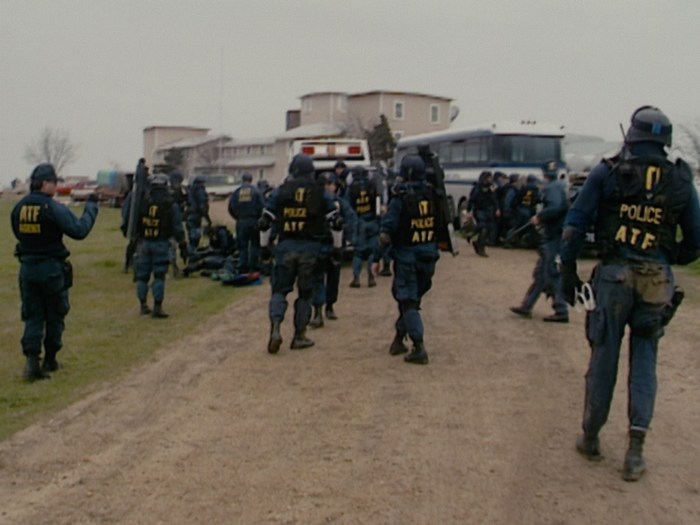
The Waco siege, a deeply divisive event in American history, continues to resonate decades later. The intense media coverage, the tragic loss of life, and the stark ideological clash between the Branch Davidians and the federal government have shaped subsequent events and continue to fuel debate. The incident’s legacy extends beyond the immediate aftermath, influencing everything from firearms policies to perceptions of religious freedom and law enforcement tactics.The lasting impact of the Waco siege is multi-faceted and profound.
It profoundly altered the relationship between law enforcement and religious communities, leaving a lingering distrust and anxiety. The government’s response, including the use of force, sparked intense scrutiny and debate regarding the appropriate use of power in such situations. The siege became a potent symbol of a perceived clash between individual liberties and the authority of the state.
Government Actions: Criticisms and Defenses
The government’s handling of the Waco siege remains a subject of intense debate. Different perspectives exist regarding the effectiveness and morality of the strategies employed.
Ready to dive into the Waco American Apocalypse Netflix docuseries? Before you watch, know that it’s a deeply intense look at a truly historical event. It’s a must-see, but also something to prepare for emotionally. Thinking about how actors approach complex characters in similar, dramatic stories, like Hong Chau’s portrayal in the Netflix thriller The Night Agents, is fascinating.
the night agents hong chau discusses what drew her to the netflix thriller and how she approached her shady character offers some insight into the nuances of portraying such characters, and that can definitely make you appreciate the complexities of the historical events even more when you watch the Waco docuseries. It’s definitely a powerful piece of filmmaking, though.
| Criticism | Defense |
|---|---|
| Excessive use of force and disregard for potential civilian casualties. | Necessity to maintain order and protect federal agents in a volatile situation. |
| Poor communication and lack of negotiation tactics. | Difficulty in assessing the situation and communicating effectively with a potentially hostile group. |
| Failure to consider alternative resolutions. | Belief that the Branch Davidians posed a clear and present danger, necessitating a decisive response. |
| Ignoring potential peaceful resolutions and diplomatic approaches. | Belief that negotiation could have jeopardized the safety of federal agents and the public. |
Long-Term Effects on the Branch Davidians
The Branch Davidians’ community was profoundly impacted by the siege. The event resulted in the loss of life, the destruction of their community, and the shattering of their sense of security and autonomy. Many members were displaced, facing immense hardship and social ostracization.
- The siege led to a loss of property and livelihoods for the Branch Davidian community. Their communal lifestyle was disrupted, and many members were forced to rebuild their lives from scratch, encountering significant social and economic challenges.
- The trauma of the siege and the subsequent legal battles had a profound and lasting impact on the survivors. They struggled with mental health issues, feelings of isolation, and the challenge of reintegrating into society.
- The Waco siege became a symbol of religious persecution, contributing to a climate of distrust between law enforcement and religious communities. It fueled ongoing discussions about the balance between religious freedom and public safety.
Influence on Subsequent Events and Policies, Waco american apocalypse things to know before you watch the netflix docuseries
The Waco siege has undeniably influenced subsequent events and policies. The incident has contributed to the ongoing debate surrounding the use of force by law enforcement during standoffs, particularly when dealing with armed religious or extremist groups.
- The siege highlighted the importance of effective communication and negotiation strategies during such incidents. It prompted a re-evaluation of tactics and protocols in handling similar situations.
- The Waco case led to heightened scrutiny of government responses to perceived threats and a more cautious approach to the use of force. The incident raised awareness about the need for careful consideration and the importance of minimizing potential civilian casualties.
- The Waco siege significantly influenced the development and refinement of crisis negotiation techniques. Law enforcement agencies learned valuable lessons about de-escalation tactics, communication strategies, and the importance of patient and strategic approaches.
Ongoing Debates and Controversies
The Waco siege continues to be a subject of debate and controversy. The motivations behind the government’s actions and the Branch Davidians’ beliefs remain subjects of scrutiny. The role of media coverage in shaping public opinion and influencing the course of events is also frequently discussed.
- The extent of the Branch Davidians’ threat to the community and the necessity of a forceful response are still debated. Different interpretations exist regarding the risk they posed to public safety.
- The role of religious freedom in the context of the siege and the extent to which the government’s actions infringed upon religious liberties are still discussed.
- The role of media coverage in shaping public opinion and influencing the course of events is still examined. The potential for media bias and the impact of sensationalized reporting on public perception are frequently questioned.
Understanding the Religious Context
The Branch Davidians, a fundamentalist Christian group, held a unique and often controversial interpretation of biblical prophecies and scriptures. Their beliefs significantly shaped their actions and their response to the events surrounding the Waco siege. Understanding these religious convictions is crucial to comprehending the complexities of the situation.
Branch Davidian Beliefs and Practices
The Branch Davidians, led by David Koresh, interpreted biblical texts literally and believed themselves to be the chosen people, destined for a future apocalyptic battle. Their faith centered around a highly personalized and esoteric interpretation of scripture, often diverging from mainstream Christian denominations. Their daily lives were intensely structured around their religious principles. This included strict dietary restrictions, communal living, and a distinctive understanding of the roles of men and women within the group.
Religious Motivations Behind the Group’s Actions
The Branch Davidians viewed the federal government’s actions as a manifestation of the prophesied apocalyptic conflict. They believed that the government, acting against them, was fulfilling biblical prophecies. This belief fueled their resistance and contributed to their sense of martyrdom. Their interpretation of biblical texts led them to see the government’s actions as a threat to their survival and spiritual mission.
Scholarly Interpretations of Branch Davidian Religious Views
Various scholars and commentators have analyzed the Branch Davidian faith. Some emphasize the group’s apocalyptic worldview, linking their interpretations to broader historical and religious contexts. Others highlight the charismatic leadership of David Koresh, arguing that his personal interpretations and pronouncements shaped the group’s beliefs and actions. The diverse interpretations reflect the complexity of understanding a group whose beliefs and actions were so deeply intertwined.
Key Tenets of the Branch Davidian Faith
| Tenet | Description |
|---|---|
| Apocalyptic View | Believed they were the chosen people destined for a final battle against evil forces. |
| Literal Interpretation of Scripture | Interpreted biblical texts literally, often diverging from mainstream Christian denominations. |
| Charismatic Leadership | Followed David Koresh, who held significant influence and authority within the group. |
| Communal Living | Practiced communal living and shared resources, reinforcing their sense of unity and purpose. |
| Esoteric Interpretations | Developed their own, often unique and complex interpretations of biblical prophecy. |
Impact on the Response to Government Actions
The Branch Davidians’ strong belief in their apocalyptic destiny and their interpretation of government actions as an attack against their faith directly influenced their response to the FBI’s approach. Their sense of being persecuted and threatened led them to feel justified in their resistance, shaping their actions during the siege. This, in turn, contributed to the escalation of the conflict.
So, you’re diving into the Waco American Apocalypse Netflix docuseries? Good choice! Before you binge, know that the story’s complexities extend beyond the headlines. For example, did you know that Michael Bay, a name you might recognize from some pretty action-packed movies, has gotten a lawyer involved after a story claimed he’d been charged with killing a pigeon?
This whole thing adds another layer to the often-strange world of celebrity news, and it’s a reminder that even seemingly unrelated events can be connected to the larger narrative of the Waco incident. Hopefully, the docuseries will touch on some of this as well. Either way, get ready for a fascinating, and possibly disturbing, journey into a pivotal moment in American history.
The perceived threat to their spiritual mission fueled their resistance.
Impact on Law Enforcement and Society
The Waco siege, a harrowing clash between federal agents and the Branch Davidians, profoundly reshaped law enforcement strategies and public perceptions. The events of 1993 exposed vulnerabilities in both tactical approaches and the handling of high-stakes confrontations involving religious groups. The aftermath continues to influence how law enforcement agencies approach similar situations today.The siege’s impact extended beyond law enforcement, touching on the relationship between the government and religious groups and prompting a critical examination of civil liberties.
Public trust in both law enforcement and government institutions was tested, leading to a period of reflection on the balance between security and individual rights. The lasting effects are still felt today.
Impact on Law Enforcement Procedures and Tactics
The Waco siege highlighted significant shortcomings in law enforcement tactics. The protracted nature of the siege, combined with the escalating violence, forced a reassessment of siege strategies. The use of overwhelming force and the lack of a clear exit strategy were crucial factors that fueled criticism. This prompted a deeper understanding of the need for careful planning, tactical precision, and the importance of minimizing civilian casualties in high-risk situations.
Long-Term Effects on the Relationship Between the Government and Religious Groups
The Waco siege profoundly impacted the relationship between the government and religious groups. The perception of government overreach and the mistreatment of a religious community created a climate of suspicion and distrust. The case became a rallying point for those concerned about the potential for religious persecution, and it prompted a greater emphasis on religious freedom and civil liberties.
This heightened awareness influenced the way subsequent government interactions with religious groups unfolded.
Influence on Public Perceptions of Religious Freedom and Civil Liberties
The Waco siege served as a potent symbol of the tension between religious freedom and public safety. The perceived mishandling of the situation and the loss of life fueled concerns about government overreach and the potential for violating civil liberties. The siege highlighted the crucial importance of understanding and respecting diverse religious beliefs, ensuring fair treatment, and avoiding potential misinterpretations that could exacerbate existing tensions.
Getting ready to dive into the Waco American Apocalypse Netflix docuseries? It’s a fascinating but intense look at a complex event. Before you watch, know that it’s deeply emotional and will likely leave you pondering the details. Speaking of fascinating and heartwarming moments, have you seen watch avatar 2s kate winslet give a child journalist the sweetest pep talk before their interview ?
Regardless, the docuseries is a good starting point for understanding the historical context and events leading up to this tragic chapter in American history. You’ll want to have a notepad handy for taking notes.
Comparison of Law Enforcement Tactics in Waco to Similar Situations
Analyzing law enforcement tactics in Waco in comparison to similar situations reveals critical insights. The siege was unusual in its duration, intensity, and the level of public scrutiny. While other sieges may involve similar dynamics, the specifics of the Waco situation, including the unique religious context and the escalation of conflict, made it a defining moment. A thorough examination of past and current law enforcement approaches to similar conflicts can provide crucial lessons.
For example, the response to the Ruby Ridge standoff, while also highly controversial, presented a different set of circumstances, which can help inform tactical approaches. Comparison studies and historical analyses help develop a deeper understanding of how to approach such situations more effectively.
How the Waco Siege Changed the Approach to Dealing with Such Conflicts
The Waco siege significantly altered the approach to dealing with such conflicts. The subsequent emphasis on careful planning, risk assessment, and the need for de-escalation strategies became paramount. Law enforcement agencies adopted a more measured and cautious approach to similar confrontations. The need for community engagement and clear communication with the public, particularly in situations involving religious groups, became increasingly recognized.
These lessons are continually refined and integrated into modern law enforcement training. For example, the development of specialized negotiation teams and advanced communication strategies are direct responses to the challenges of the Waco situation.
Visual Representations (Illustrative Content)
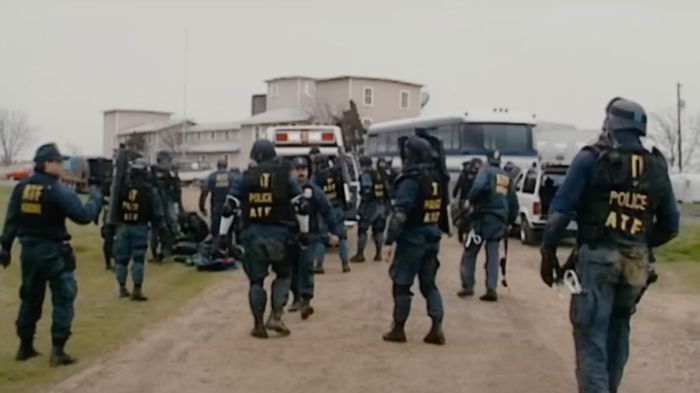
The Netflix docuseries “Waco: American Apocalypse” masterfully employs visual storytelling to immerse viewers in the complex events surrounding the 1993 siege. From stark black-and-white archival footage to meticulously crafted recreations, the series uses visual elements to evoke emotion, highlight key moments, and ultimately shape our understanding of the tragedy. The visuals, carefully chosen and strategically placed, are not merely illustrations; they are integral to the narrative, forcing viewers to confront the realities of the situation.The docuseries’ visual approach goes beyond simply showing; it actively engages viewers, prompting reflection on the events’ impact and the lasting consequences.
By effectively utilizing a variety of visual mediums, the series creates a powerful and multi-layered portrayal of the Waco siege. The combination of historical images, recreations, and expert commentary allows viewers to grasp the complexities of the situation in a comprehensive and moving manner.
Archival Footage and Photographs
The series extensively utilizes archival footage and photographs to transport viewers back to the time of the siege. These visual elements, often grainy and stark, provide a raw, unfiltered glimpse into the events unfolding. The images capture the tension, fear, and desperation of the situation, allowing viewers to witness the unfolding drama firsthand. For instance, images of the compound’s exterior, showing the increasing security and military presence, powerfully depict the escalating tensions.
Similarly, photos of the injured and deceased, though difficult to witness, serve as a stark reminder of the human cost of the conflict. These visuals are not just historical records; they are visceral reminders of the human toll of the siege.
Recreating the Atmosphere
The series utilizes detailed recreations of key events and environments. These scenes are not mere embellishments; they provide crucial context and perspective. For example, meticulously recreated scenes within the compound help viewers understand the living conditions and daily routines of the Branch Davidians. These scenes are significant because they provide a sense of immersion, allowing viewers to empathize with the inhabitants and comprehend the challenges they faced.
Likewise, recreations of confrontations and negotiations between the Branch Davidians and the FBI offer a more nuanced understanding of the decision-making processes and escalating tensions.
Impact on Viewers
The use of recreations is particularly impactful. By placing viewers within the scene, the docuseries generates a visceral sense of presence and immediacy. These visuals are not meant to be simply entertaining; they serve to deepen the viewers’ emotional connection to the story. The combination of archival footage and recreations creates a powerful juxtaposition. The starkness of the archival footage highlights the immediacy of the events, while the recreations add a layer of understanding and empathy.
This dual approach is key to the series’ success in conveying the full complexity of the Waco siege.
Visual Analysis Table
| Visual Element | Description | Impact on Viewers | Significance |
|---|---|---|---|
| Archival Photographs | Grainy black and white images of the compound, the Branch Davidians, and the surrounding area. | Evoke a sense of immediacy and historical context, often with a sense of starkness and uncertainty. | Present a direct glimpse into the historical events. |
| Recreating the Compound | Detailed recreations of the compound’s interior and exterior, showing the living conditions of the Branch Davidians. | Provide viewers with a sense of the Branch Davidian community’s environment and everyday life. | Enable viewers to better understand the context of the events. |
| FBI Raid Footage | Footage of the FBI raid, including confrontations and negotiations. | Visually portray the escalating tension and the confrontations between the two sides. | Show the intensity and drama of the raid. |
| Expert Commentary | Interviews with law enforcement officials, historians, and former Branch Davidians. | Offer context and perspective, enabling a deeper understanding of the events. | Provide essential details and insights from relevant parties. |
Presentation Structure
The docuseries’ presentation structure, using archival footage alongside recreations and expert commentary, provides a multifaceted and nuanced portrayal of the Waco siege. This strategy enables a comprehensive understanding of the events by allowing viewers to experience them through multiple lenses. The visual components work together to highlight the complex interplay of religious fervor, law enforcement action, and personal narratives, ultimately creating a compelling and thought-provoking historical account.
Closure
Ultimately, the docuseries provides a compelling look at the Waco siege, offering a crucial lens for understanding its impact on American society. By examining the historical context, the motivations of key figures, and the series’ own narrative choices, we gain a more profound appreciation for this complex and controversial event. The series prompts us to consider the lasting consequences of this clash between faith, government, and public perception.