Nikon Announces Firmware Version 2.00 for the Nikon ZR Cinema Camera Bringing Advanced RED Color Science to H.265 Recording


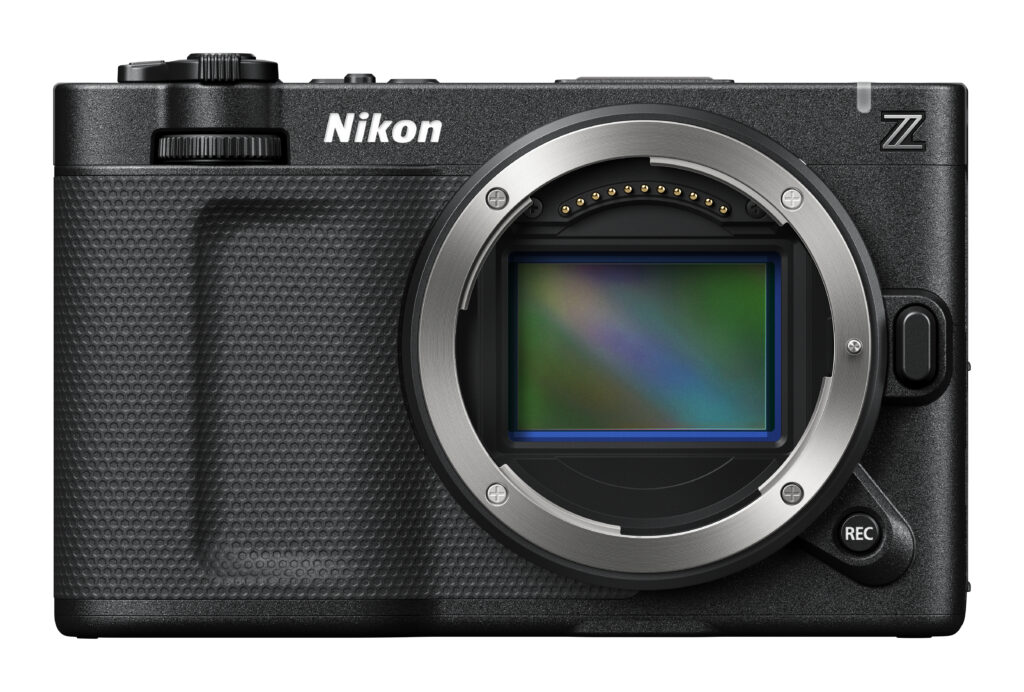
Nikon has officially unveiled Firmware Version 2.00 for the Nikon ZR, the flagship full-frame sensor camera within its burgeoning Z CINEMA series. Scheduled for release before the end of the calendar year, this update represents the most significant software iteration for the camera since its market debut in October 2025. By integrating advanced color science typically reserved for higher-tier production equipment into the more accessible H.265 recording format, Nikon is positioning the ZR as a bridge between high-end professional cinematography and compact, efficient production workflows.
The Evolution of the Z CINEMA Series: A Chronology
The launch of the Nikon ZR in October 2025 marked a definitive turning point for the Japanese imaging giant. Having long dominated the still photography market, Nikon’s entry into the dedicated cinema camera space was accelerated by the strategic acquisition and integration of RED Digital Cinema technologies. The ZR was designed to serve as a versatile tool for independent filmmakers, documentary crews, and broadcast professionals who required the image quality of a full-frame sensor in a form factor that could be deployed rapidly in the field.
Following the initial launch, user feedback centered on a desire for greater integration between the camera’s high-bitrate R3D capabilities and its more storage-efficient H.265 options. Firmware Version 2.00 is a direct response to this demand, effectively closing the gap between the two recording formats. This update marks the first major milestone in a long-term roadmap intended to keep the ZR competitive against entrenched rivals from companies like Sony and Blackmagic Design.
Deep Dive: Integrating RED Color Science into H.265
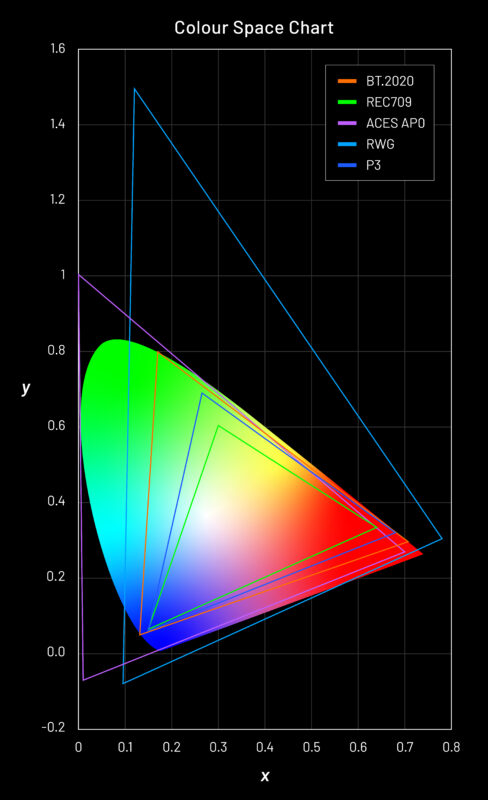
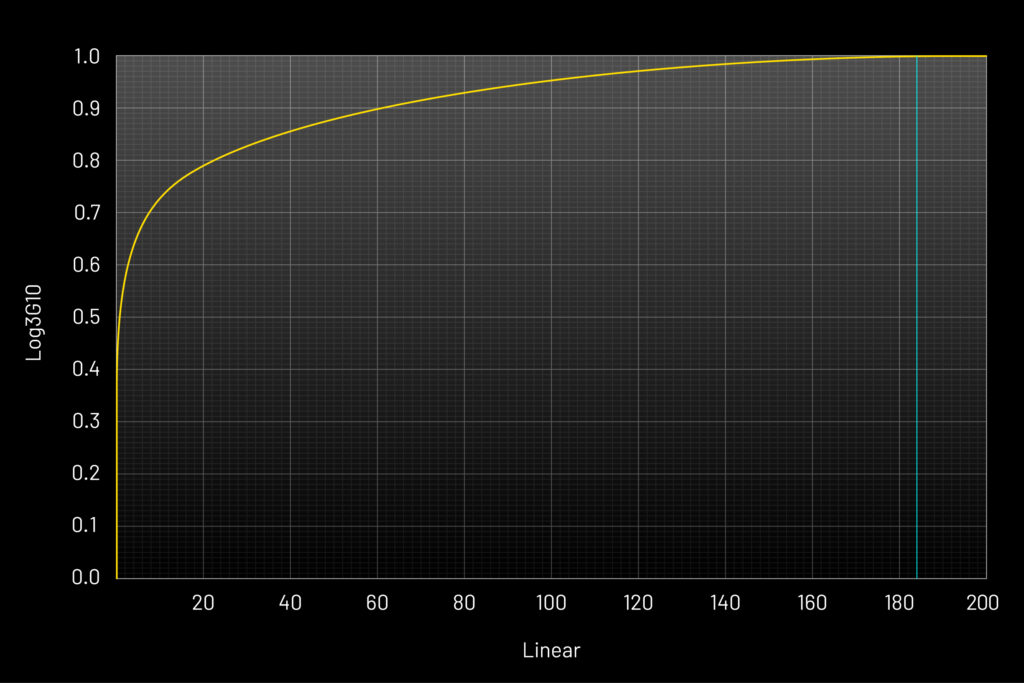
The headline feature of the 2.00 update is the introduction of Log3G10 gamma support for H.265 video files. Prior to this update, users working in the H.265 codec—often chosen for its smaller file sizes and ease of use in post-production—found themselves limited in terms of color grading latitude compared to those shooting in the proprietary R3D NE format.
By enabling Log3G10, Nikon has effectively ported the REDWideGamutRGB color space into the H.265 ecosystem. This allows filmmakers to maintain the smooth tonal gradations and the expansive color depth synonymous with RED’s heritage, even when working with the more compressed H.265 format. This is a critical development for productions that require long-duration recording where storage bandwidth is a constraint but color fidelity remains non-negotiable.
Furthermore, the firmware introduces a four-level [High ISO NR] (Noise Reduction) adjustment. This functionality is available when shooting in either Log3G10 or N-Log. By allowing creators to select the degree of noise reduction, Nikon provides a level of granular control that allows the camera to adapt to different lighting scenarios. In controlled, low-ISO environments, users can prioritize the preservation of fine textures, whereas, in high-gain situations, they can apply more aggressive noise reduction to maintain a clean image, ensuring that the "look" of the production remains consistent from the moment of capture.
Ergonomics and Operability: Redesigning the User Experience
Beyond the imaging pipeline, Firmware 2.00 addresses the physical interaction between the operator and the hardware. In professional cinema environments, the ability to change settings rapidly without navigating deep, hierarchical menus is paramount.
Nikon has significantly expanded the customizability of the ZR’s command dials and function (Fn) buttons. Operators can now map critical exposure parameters—including ISO sensitivity, shutter speed, white balance, and white balance color temperature (WBK)—directly to the command dials. This allows for "blind" operation, where a camera assistant or solo shooter can adjust exposure on the fly while maintaining their eye on the viewfinder or monitor.
The addition of [3D LUT/View Assist] to the assignable Fn buttons further streamlines the process. This allows the cinematographer to toggle between a raw log image and a color-graded preview instantly. Such functionality is essential for on-set monitoring, ensuring that the director and cinematographer can accurately gauge the final look of the footage while still recording the flat, high-dynamic-range data necessary for post-production.
Efficiency Enhancements: Monitoring and Metadata
The firmware also introduces critical monitoring tools that were previously absent or restricted. The inclusion of a focus-peaking display during R3D NE recording is a major quality-of-life improvement for users who rely on manual focus for cinematic depth-of-field shots. Focus peaking provides a visual indicator—typically a highlighted edge—that allows the operator to confirm focus accuracy even on smaller, high-resolution on-camera monitors.
Additionally, the ability to apply a 3D LUT to the HDMI output facilitates a more seamless handoff to external monitors or wireless video transmitters. In modern production, the video village (the area where the director and client view the feed) requires a graded image to make creative decisions. With Firmware 2.00, the Nikon ZR can now output this graded signal via HDMI while simultaneously recording the log-encoded master file internally, simplifying the signal chain and reducing the need for external LUT boxes.
Industry Implications and Market Positioning
The release of Firmware 2.00 is a calculated move that reinforces Nikon’s commitment to the professional video market. By providing these updates free of charge to existing owners, Nikon is not only increasing the value proposition of the hardware but also fostering a sense of loyalty within the professional community.
From an analytical perspective, this update demonstrates the benefits of Nikon’s recent corporate restructuring and technological acquisitions. The ability to synthesize RED’s color science with Nikon’s optical expertise and Z-mount system creates a unique value proposition. Competitors who rely on standardized color profiles may find it increasingly difficult to match the specific "cinematic" output that the Log3G10 gamma provides.
Moreover, this update highlights a shift in the camera industry toward "evergreen" hardware. In the past, professional cinema cameras were static devices; once purchased, their feature sets were largely locked. Today, the expectation is that a camera will improve over its lifecycle through software. By iterating on the ZR, Nikon is signaling that it intends to support the Z CINEMA series as a long-term professional platform rather than a short-term consumer product.
Future Outlook and Developer Commitment
Nikon has stated that it will continue to monitor user feedback to guide future firmware releases. The company’s focus on the cinema market is part of a broader strategy to expand its footprint in the film and broadcast sectors. As imaging technology continues to converge with digital cinema workflows, the importance of efficient data management and color accuracy will only grow.
For current owners of the Nikon ZR, the upcoming release of version 2.00 is more than a simple patch; it is an expansion of the camera’s utility. Whether it is a documentary filmmaker needing better low-light performance or a production house requiring faster on-set monitoring, these changes address specific pain points that often dictate the success or failure of a shooting day.
As the industry moves toward higher-resolution capture and more complex color grading requirements, the Nikon ZR is positioning itself as a robust tool that balances the technical demands of the cinema industry with the agility of a mirrorless-style interface. As we look toward the next year, the success of this firmware update will likely serve as a benchmark for how well Nikon can continue to integrate its new technological assets into the highly competitive landscape of professional digital cinematography.
The update is expected to be available for download through the official Nikon support portal for all registered ZR users. The company recommends that users back up all camera settings and format their memory cards according to manufacturer guidelines before initiating the update process to ensure data integrity. With this release, Nikon continues its trajectory as a serious contender, proving that it understands the nuances of the cinema craft and is willing to invest the development resources required to meet those high standards.