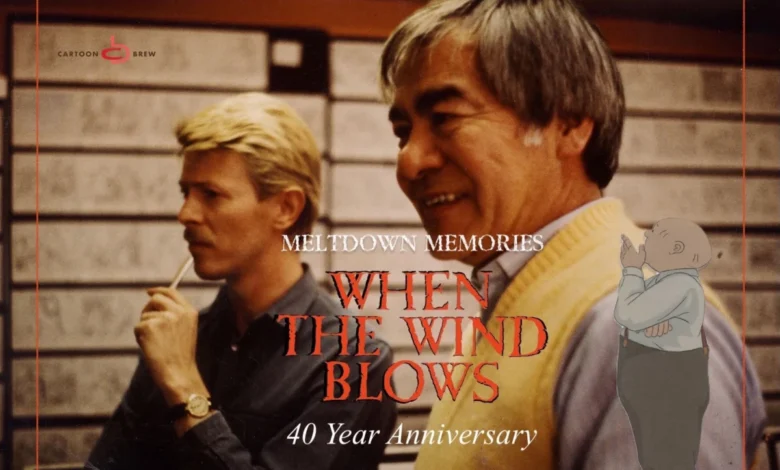
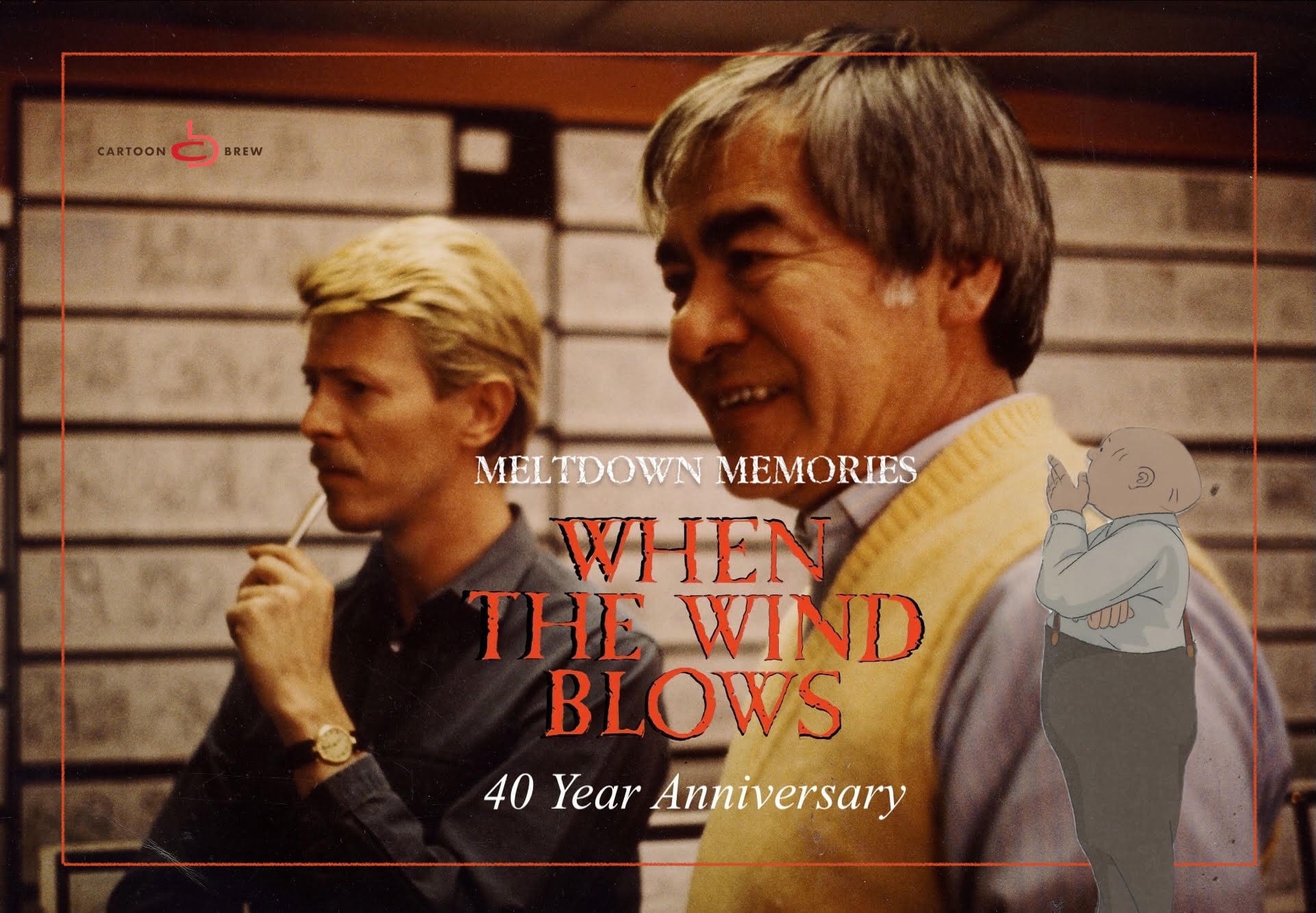
In 1983, animation producer John Coates issued a one-page pitch for a project that would become one of the most haunting pieces of British cinema: an adaptation of Raymond Briggs’ 1982 graphic novel, When the Wind Blows. Operating under the banner of Snowman Enterprises—a division of TV Cartoons (TVC)—Coates and executive producer Iain Harvey envisioned a stark, 85-minute feature film that departed significantly from the whimsy of their previous success, the Oscar-nominated short The Snowman. As the Cold War reached a fever pitch in the early 1980s, the producers sought to address the most pressing existential threat of the era: the human reality of a nuclear exchange.
The Genesis of a Dark Vision
The pitch document was clear about its intentions, aiming to explore the "human consequences of a nuclear attack" in a manner that avoided overt political grandstanding while critiquing the government’s tendency to minimize the dangers of nuclear war. The story followed Jim and Hilda Bloggs, an elderly, unassuming couple living in the English countryside, as they navigated the bureaucratic absurdity and eventual horror of a nuclear strike.

To bring this vision to life, Coates tapped director Jimmy T. Murakami. A veteran of the industry with a pedigree including the 1967 Oscar-nominated short Breath and the visually striking "Soft Landing" sequence from the 1981 film Heavy Metal, Murakami was uniquely positioned to handle the blend of domestic banality and apocalyptic dread. Murakami’s direction emphasized the deadpan nature of the source material, using the contrast between the couple’s quaint, traditional life and the encroaching shadow of global annihilation to drive home the film’s gravity.
Technical Innovation: The Marriage of 2D and 3D
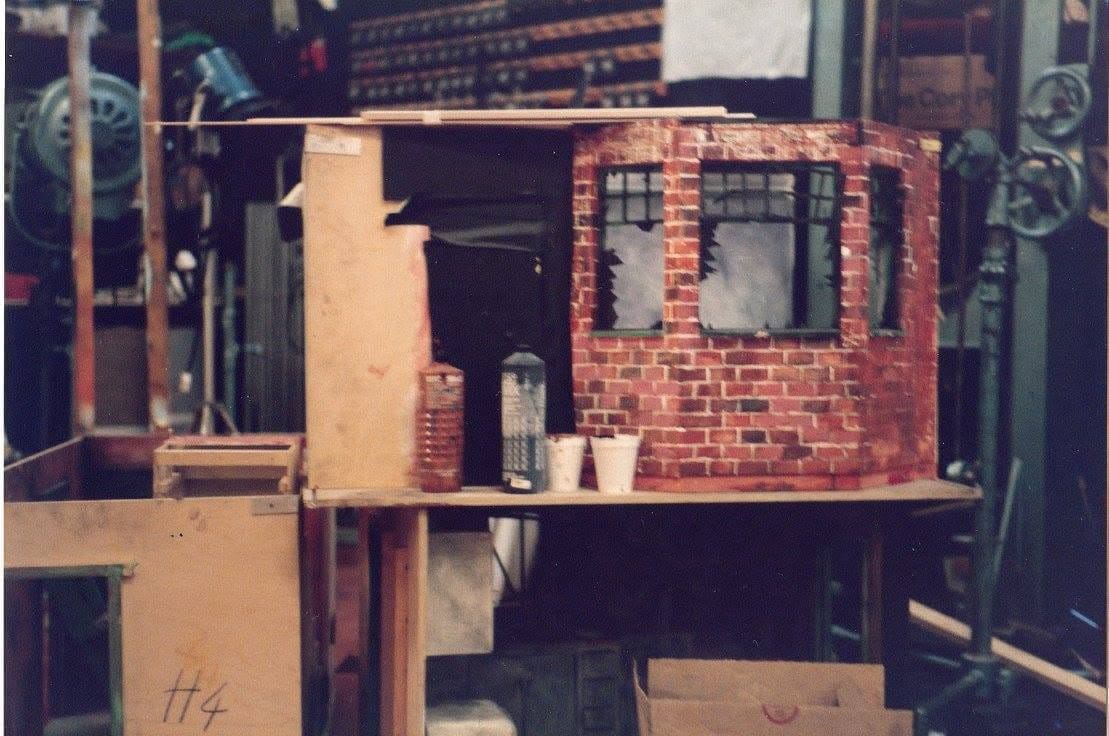
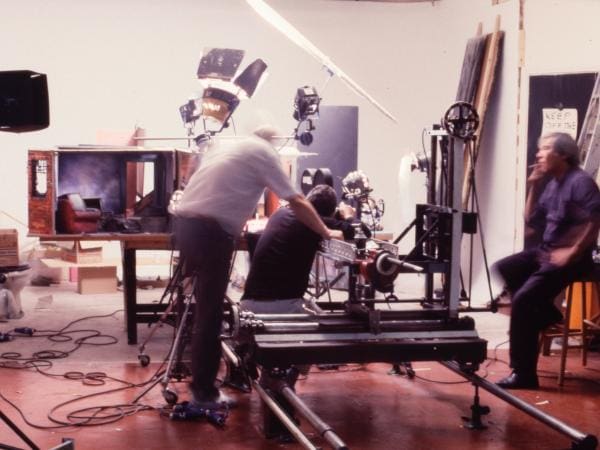
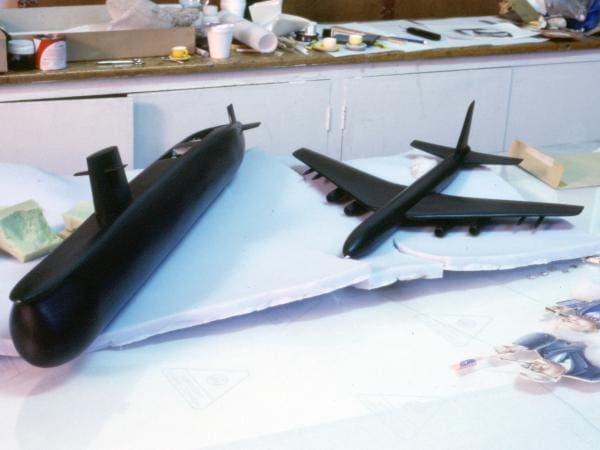
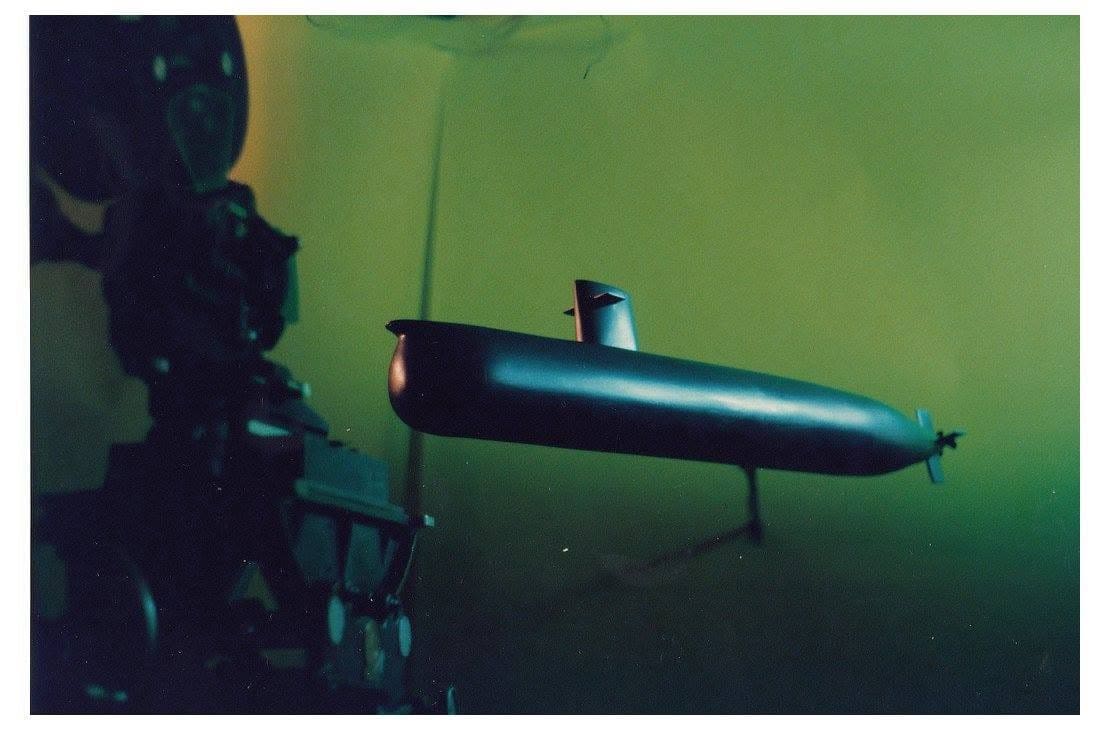
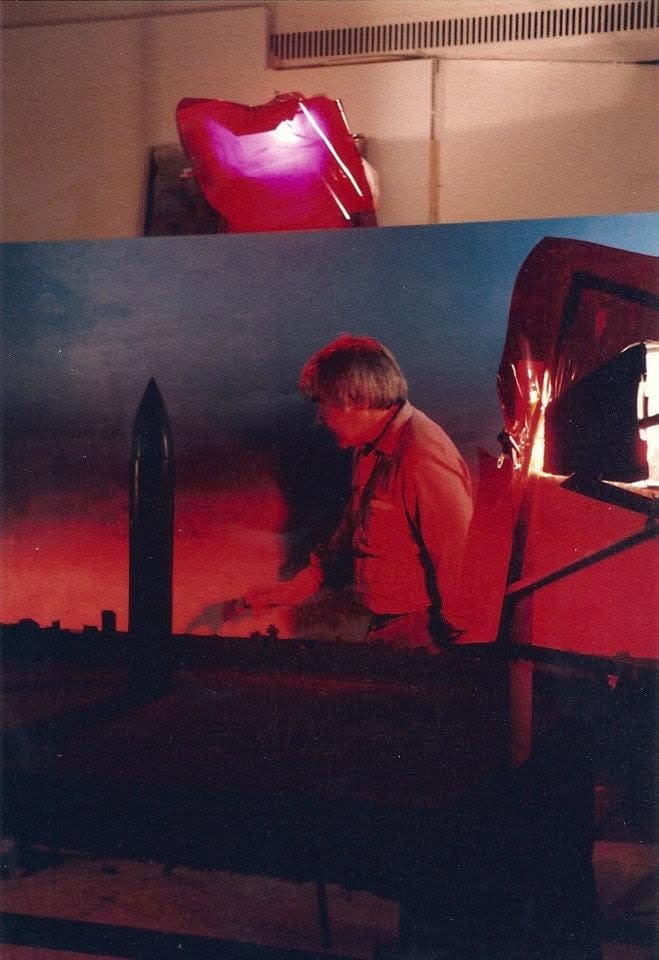
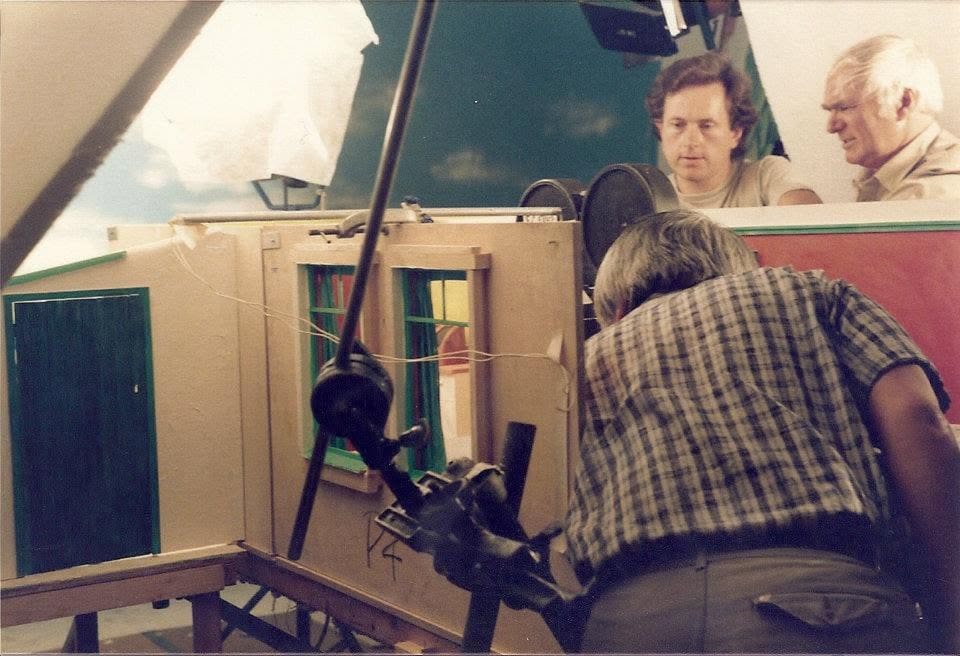
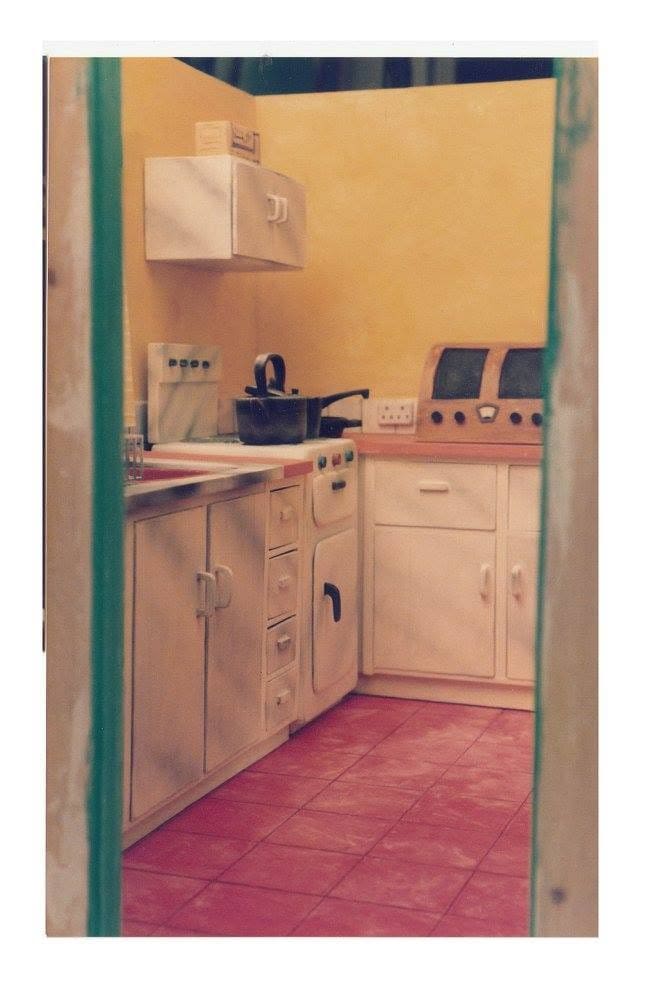
The production of When the Wind Blows was defined by a daring, pioneering visual technique. Murakami and his team adopted a "setback" or "stereoptical" process, a method originally popularized by Fleischer Studios in the 1930s for cartoons like Popeye and Superman. The production layered hand-drawn 2D cel animation over elaborate, 3D stop-motion miniature backgrounds.
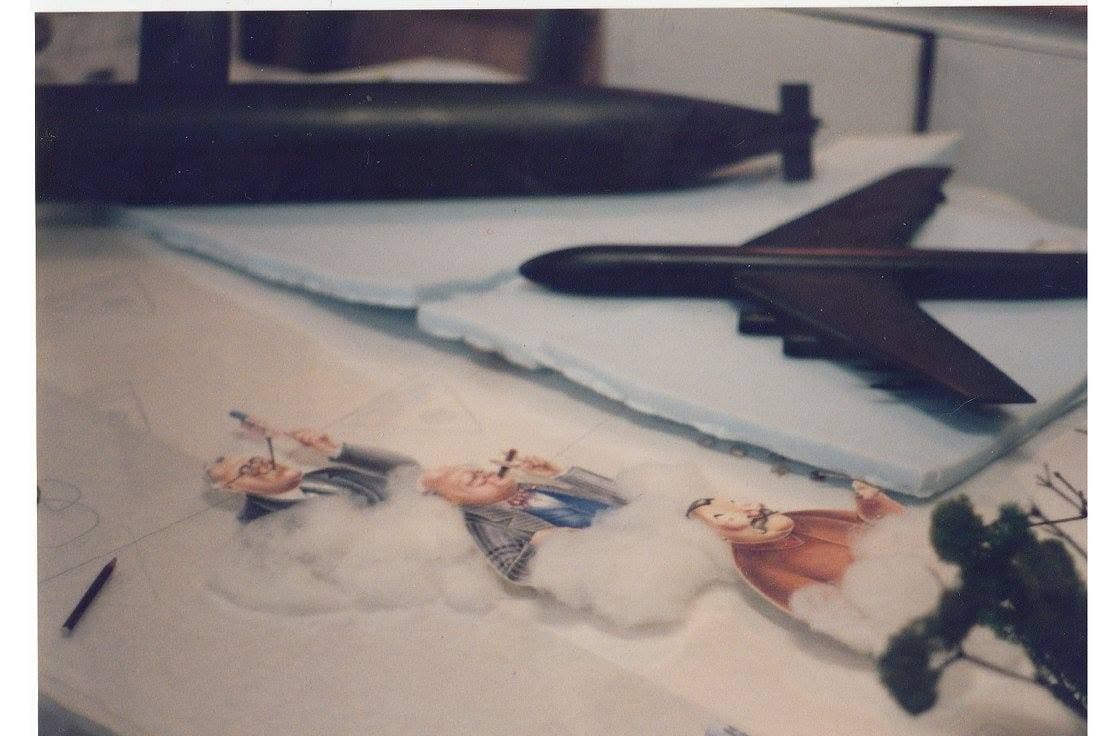
This hybrid approach served a narrative purpose; by placing hand-drawn characters into a tangible, physical environment, the film created a sense of displacement that mirrored the couple’s own disorientation as their world was systematically destroyed. The miniatures, constructed by art director Errol Bryant, included everything from the Bloggs’ cozy home to the chillingly sterile military hardware of the era, such as B-52 bombers and ICBM silos. The level of detail was immense—production logs indicate that the team captured 17,000 pin-registered, 12-by-10-inch 3M photographic prints for these backgrounds, a process that was not only an aesthetic choice but a fiscal one, as it cost roughly half the price of hand-painting every background frame.
A Chronology of Production and Release
The production timeline spanned several years, with the film officially hitting U.K. cinemas on October 24, 1986. The process was a collaborative effort involving an international team of animators, many of whom were recruited from the prestigious Sheridan College in Canada.
- 1983: The initial pitch is drafted under the Snowman Enterprises letterhead.
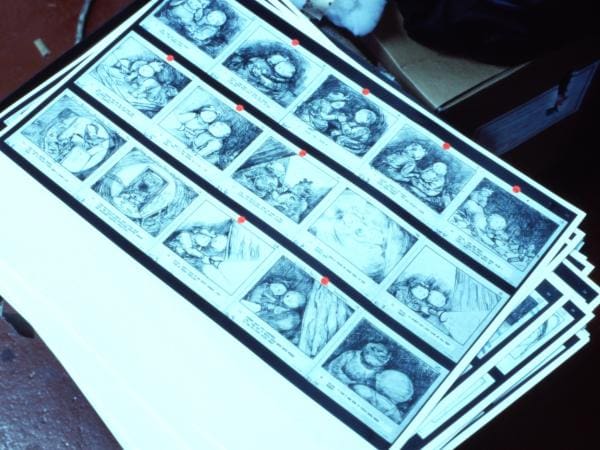
- 1984: Development of the storyboard and testing of the hybrid 2D/3D process.
- 1985: Intensive production, including the miniature model construction and the recording of the iconic soundtrack by Roger Waters and David Bowie.
- April 1986: The Chernobyl disaster occurs, casting a real-world pall over the production and mirroring the film’s themes of radiation and environmental collapse.
- October 24, 1986: Official U.K. release of When the Wind Blows.
- 1987: The film earns the Grand Prix at the Annecy International Animation Film Festival, solidifying its status as a critical success.
Cultural Impact and Thematic Resonance
When the Wind Blows arrived during a period of heightened public anxiety regarding the nuclear arms race. Its release was met with a complex reception; while some viewers and critics praised its bravery in addressing taboo subjects, others felt the film was "anti-bomb" in a way that challenged the prevailing governmental narrative of nuclear deterrence.
The film’s legacy has only deepened with time. The emergence of Chernobyl in the months leading up to the film’s release inadvertently bolstered its terrifying realism. In contemporary discourse, the film has found a new generation of viewers through social media platforms, where its imagery and themes are frequently referenced in the context of modern geopolitical tensions. The film serves as a time capsule of 1980s nuclear anxiety, yet its core message—the vulnerability of the individual in the face of state-level violence—remains timeless.
The Human Element: Behind the Scenes
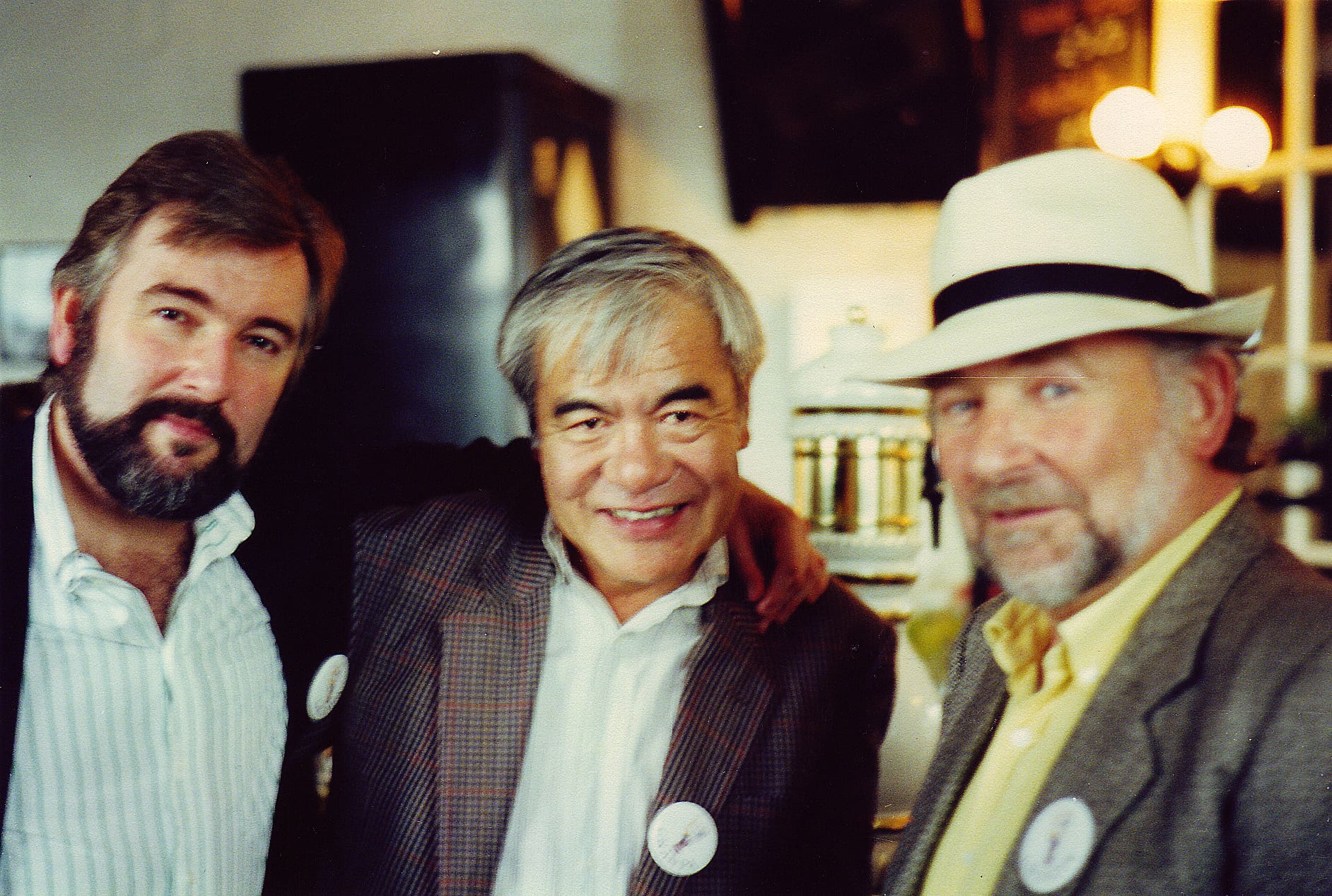
The production at 70 Charlotte Street was more than just a technical exercise; it was a hub of artistic exchange. The studio environment, described by in-house editor Taylor Grant as a "Fisher’s Folly" for the animation industry, housed a diverse group of talent. Animators like Harold Whitaker, whose work on the post-bomb sequences is often cited as a pinnacle of animation acting, brought a level of emotional nuance that prevented the film from becoming merely a clinical study of radiation sickness.
The studio was also a site of celebrity intrigue. During production, the team hosted visits from notable figures such as Sir John Mills, Dame Peggy Ashcroft, and Paul and Linda McCartney. These moments of levity existed in stark contrast to the grim nature of the project being created, highlighting the unique psychological space inhabited by the crew.
Technical Implications and Industry Legacy
The "rendering" technique utilized in When the Wind Blows, which involved a combination of colored line work and layered cel effects, set a new standard for British animation. This period saw the first industrial action by a rendering crew in U.K. animation history, marking a shift in how the industry recognized the skill required for technical production.
The film’s influence extended beyond its own runtime. Many of the artists involved, such as Roger Mainwood, went on to shape the future of British animation, directing acclaimed works like the 2016 feature Ethel & Ernest. The expertise gained through the trial-and-error process of When the Wind Blows—particularly in balancing hand-drawn artistry with mechanical precision—laid the groundwork for the British animation industry’s later successes in the 1990s and 2000s.
Conclusion: A Masterpiece of Bleak Realism
Four decades after its release, When the Wind Blows stands as a testament to the power of independent, hand-crafted animation. It dared to treat its audience as adults, respecting their capacity to sit with discomfort, fear, and profound sadness. By refusing to offer a happy ending or a sanitised version of events, the film achieved a level of honesty that is rarely seen in modern animated features.
Today, the work of Coates, Murakami, and their dedicated team at TVC serves as both a historical artifact and a cautionary tale. As international relations continue to fluctuate and the specter of nuclear conflict occasionally re-emerges in global discourse, the story of Jim and Hilda Bloggs remains a poignant reminder of the fragility of the human condition and the enduring, often terrifying, power of the medium of animation to reflect our deepest collective fears. The film is currently preserved and available via the British Film Institute, ensuring that this landmark piece of cinema continues to challenge and inform future generations.