Brad Bird Wants To Push Animation ‘Less Towards The Kiddies Table’ With ‘Ray Gunn’

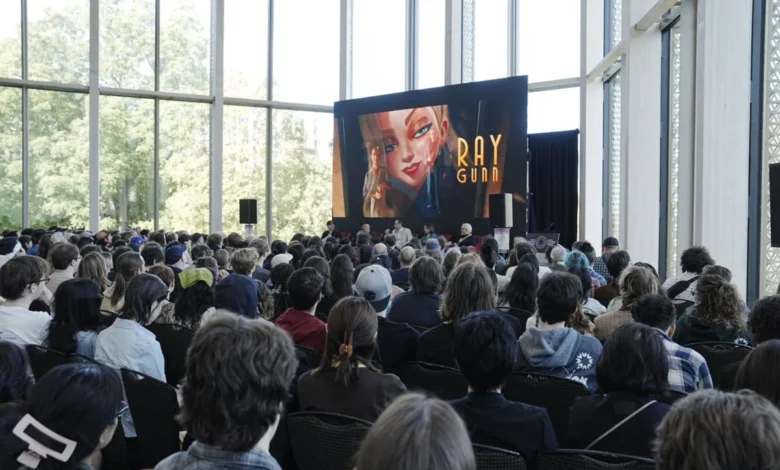
The Ottawa International Animation Festival (OIAF) served as the stage for a landmark industry presentation on Saturday, as legendary director Brad Bird and his production team provided an exhaustive look at the technical and creative hurdles overcome to realize Ray Gunn. After spending nearly three decades in development limbo, the sci-fi noir feature is finally poised for a wide release. The film, which stars Sam Rockwell as a gritty private detective and Scarlett Johansson as a mysterious celebrity, is scheduled for a limited 70mm theatrical run beginning December 4, followed by a global streaming premiere on Netflix on December 18.
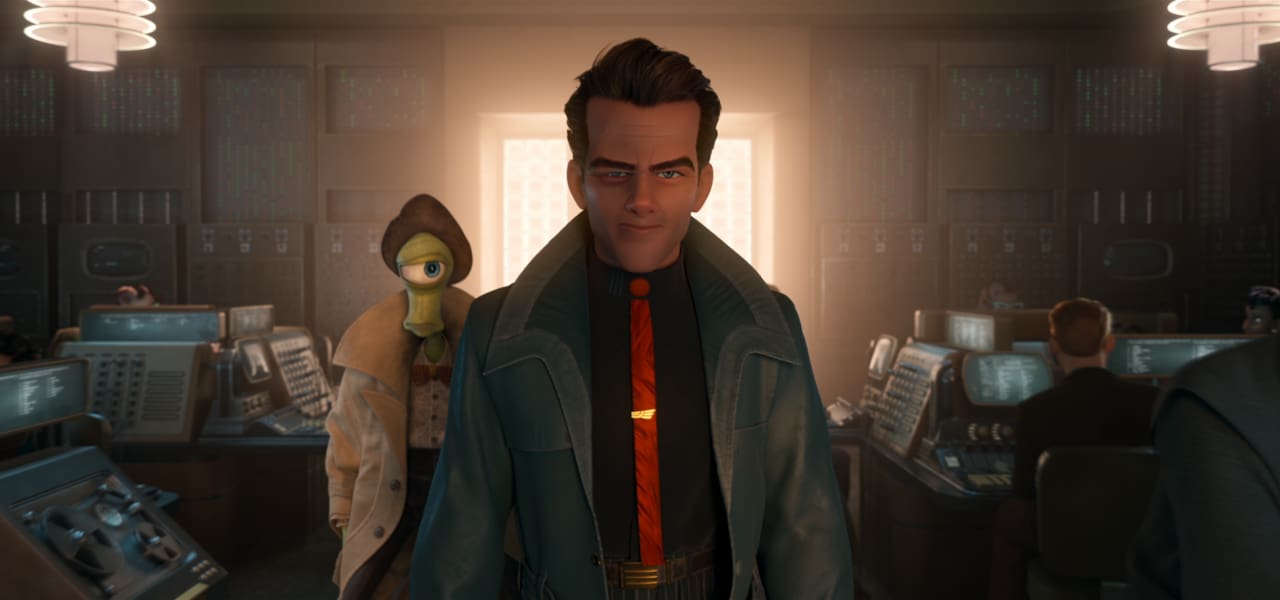
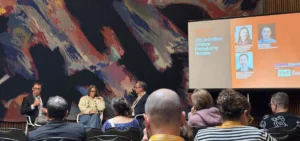
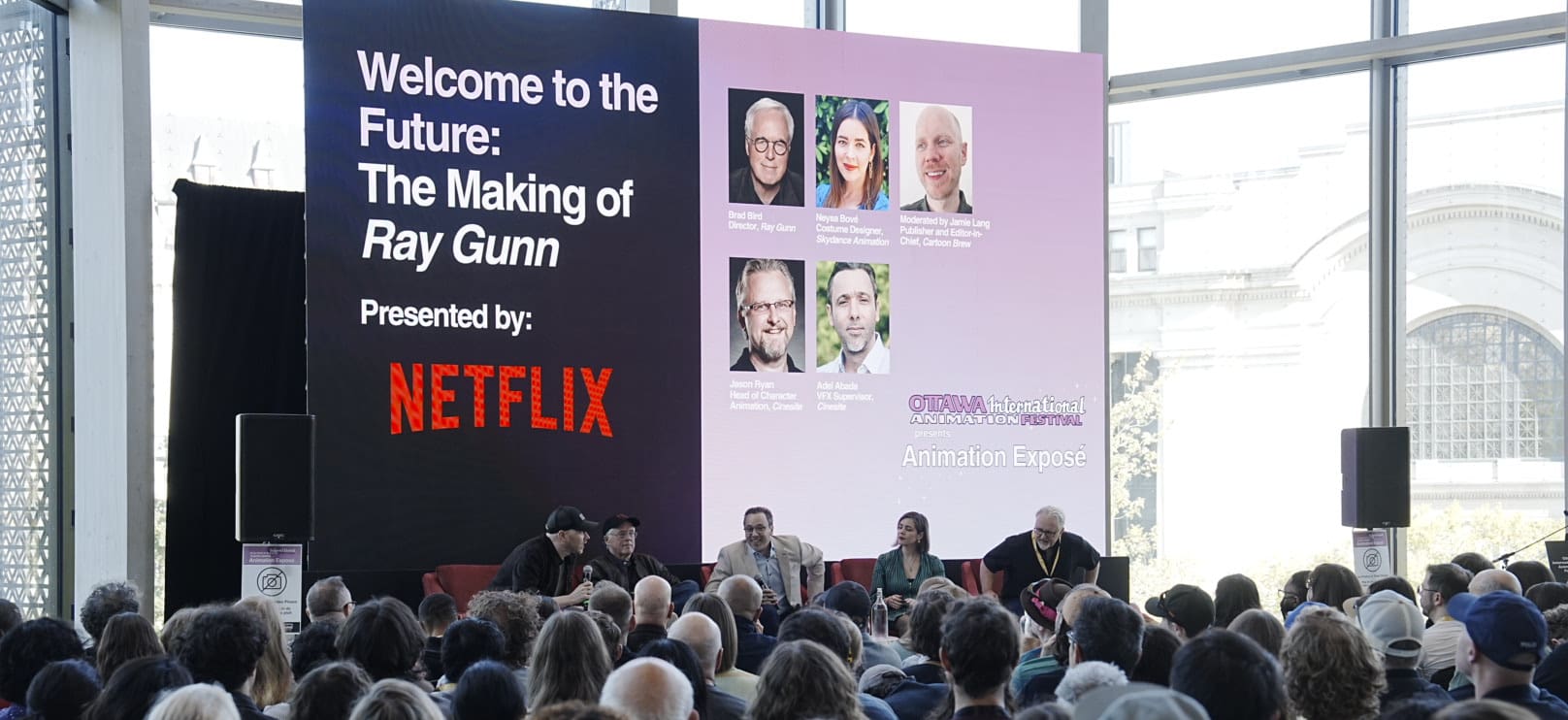
The OIAF panel, moderated by Cartoon Brew, brought together the key architects of the film’s unique aesthetic, including Cinesite VFX supervisor Adel Abada, Skydance Animation costume designer Neysa Bové, and Cinesite head of character animation Jason Ryan. Together, they detailed a production process that defied modern animation standards by prioritizing the language of live-action cinema over the conventional tropes of computer-generated imagery.
A Chronology of a Long-Gestating Vision
The inception of Ray Gunn dates back to the early 1990s, a period when Brad Bird was actively seeking to push the boundaries of what animated features could achieve. During this era, Bird famously attempted to adapt Will Eisner’s iconic comic book series, The Spirit, in collaboration with producer Gary Kurtz. That project, however, failed to secure the necessary financing, as the prevailing industry consensus at the time viewed animation strictly as a medium for children’s entertainment.
For Bird, the inability to move forward with The Spirit and the subsequent shelving of the Ray Gunn concept became a professional "unscratched itch." For years, the project remained in storage—a metaphorical cinematic "Ark of the Covenant" hidden away from the public eye. When the opportunity finally arose to produce the film at Skydance Animation and Cinesite, the core narrative remained largely unchanged. Bird noted that while the intervening decades allowed for the evolution of his storytelling techniques and the refinement of structural subplots, the heart of the story—a fusion of 1940s detective fiction and retro-futuristic science fiction—remained the driving force behind his commitment to the project.
Technical Innovation and the "Language of Cinematography"
A primary focus of the OIAF presentation was the film’s visual language. Abada and his team consciously sought to break away from the standard CG pipeline, where layout and lighting departments often operate in isolation. To capture the tactile, moody atmosphere of classic noir films such as Chinatown, the production team integrated lighting and layout processes simultaneously. This allowed Bird to make directorial decisions in real-time, effectively treating the virtual production environment as if it were a physical set.
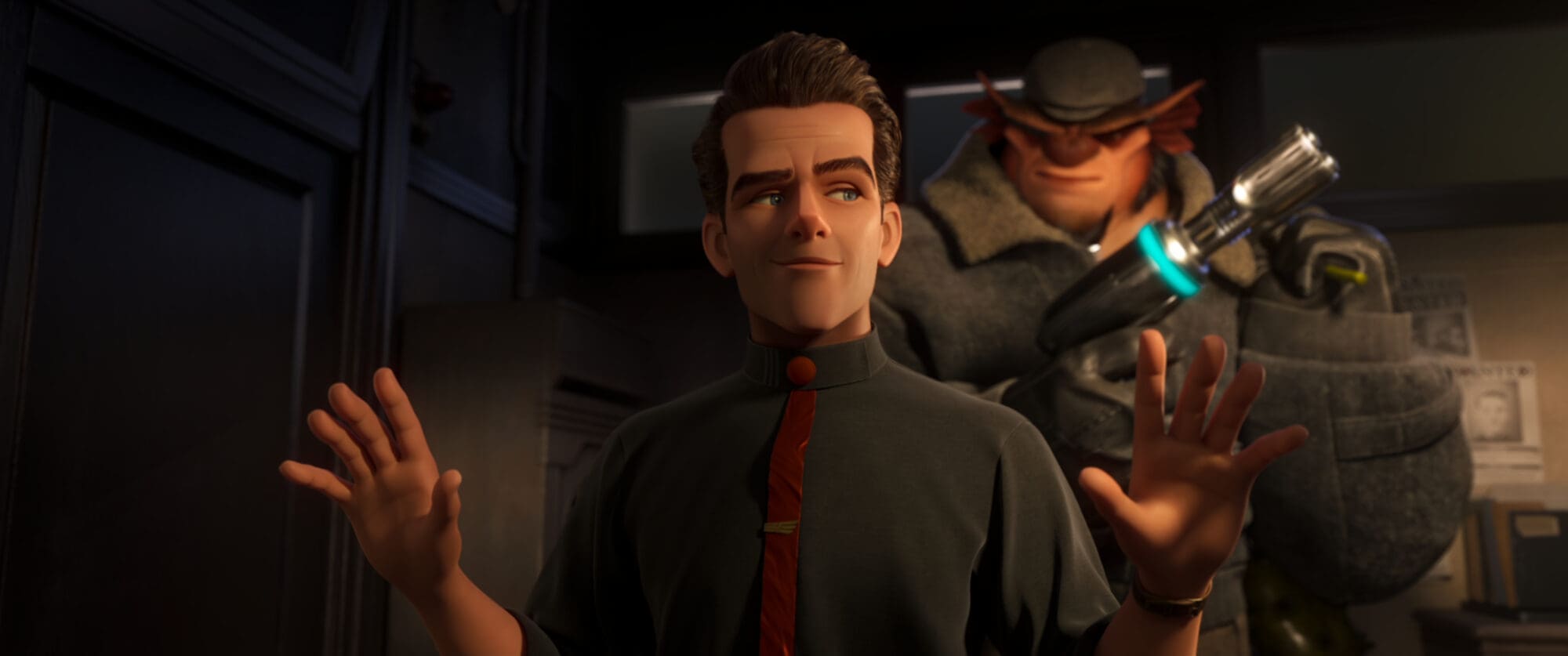
The film’s cinematography was heavily influenced by the work of legendary cinematographer Conrad Hall. The team’s rule of thumb—"don’t be afraid of the shadow"—marks a significant departure from the typically bright, high-fidelity look of contemporary digital features. Furthermore, the use of wide 28mm lenses, while challenging due to the potential for distorting character models, was employed to create the immersive, dramatic perspective typically associated with live-action noir. Bird also drew inspiration from John Huston’s The Maltese Falcon, specifically the use of low-angle shots that incorporate ceilings to emphasize the scale and power of the characters within the frame.
Production Scale and the Metropia Environment
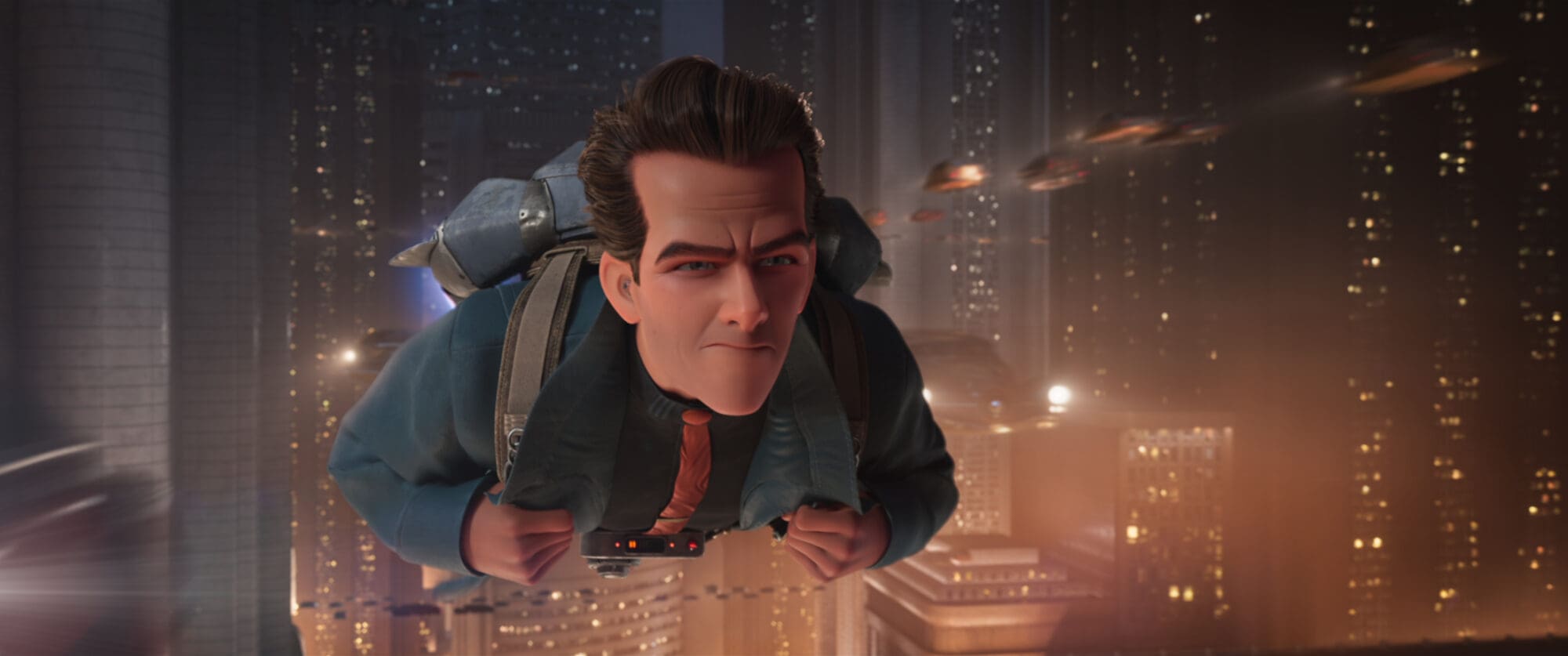
The scale of the production was significant, involving approximately 1,800 shots across 35 distinct sequences. The setting of the film, the sprawling city of Metropia, was designed as a vertical metropolis, imagined through the lens of a 1939 futurist.
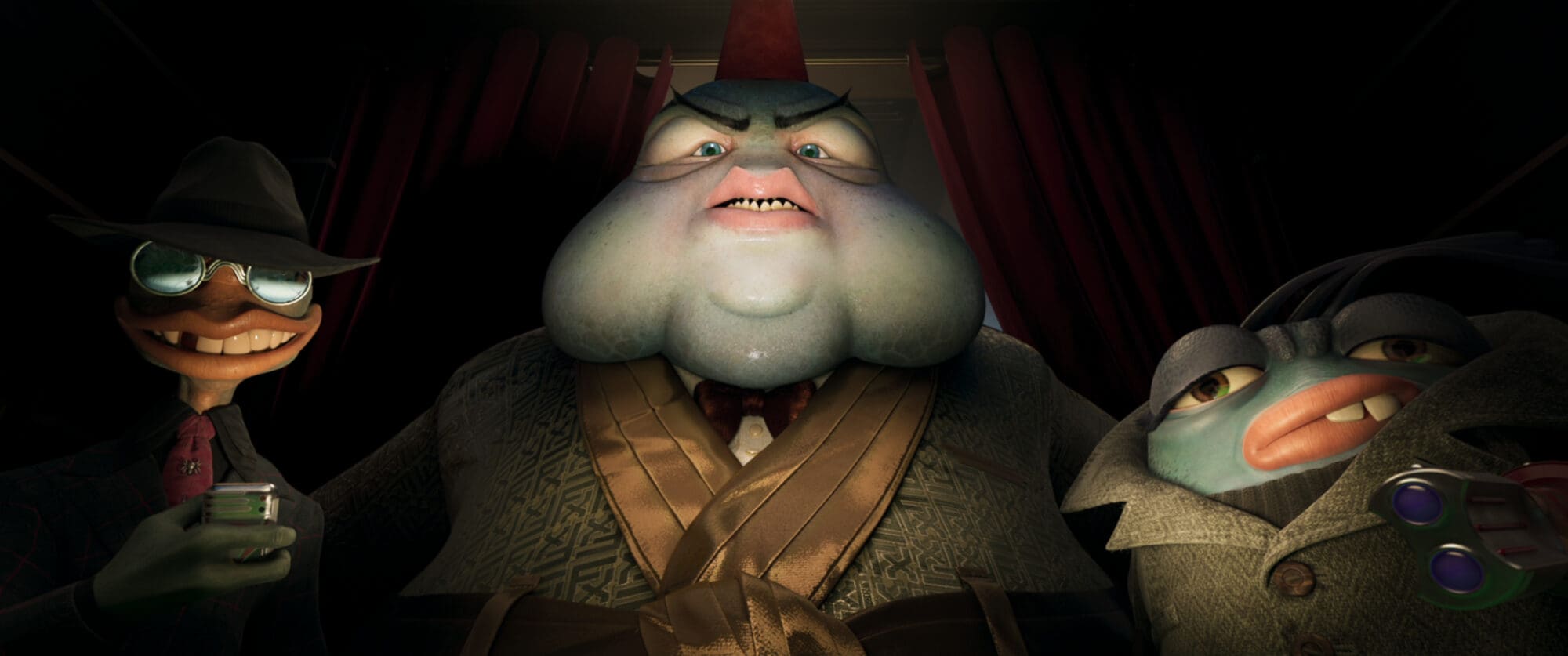
To prove the efficacy of their ambitious visual approach, the team tackled one of the most complex sequences of the film—a 65-second vertical chase—early in the production schedule. This sequence, which featured 35 shots, integrated intricate elements including rain effects, interior lighting through windows, character-specific destruction, and complex hair and cloth physics. By successfully executing this "proof of concept" early on, the team established the necessary confidence to scale the environment for even larger sequences, some of which spanned over 110 shots in varying light conditions, from sunset to high noon.
Costume Design as Industrial Engineering
Neysa Bové, the film’s costume designer, faced the unique challenge of creating a wardrobe that felt authentic to the 1940s while simultaneously reflecting a retro-futuristic technological reality. Rather than simply recreating period dress, Bové drew inspiration from Streamline Moderne technology, such as the design of 1940s radios. Fabrics were designed to mimic the speaker-grille textures and Bakelite surfaces of the era.
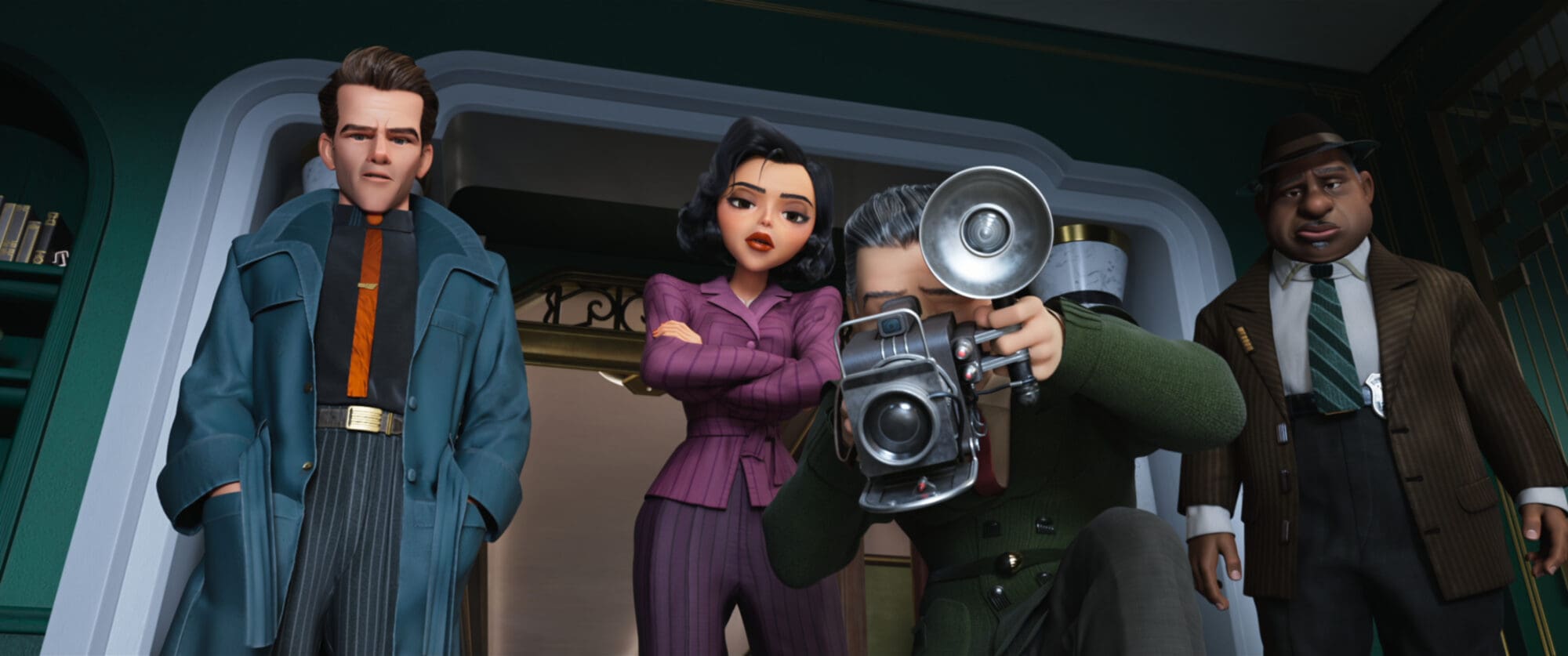
The character of Venus Nova, who undergoes a massive visual transformation throughout the film, required an unprecedented level of detail. Her wardrobe, consisting of over 23 unique costumes, was grounded in real-world logic. Her signature halo, for example, was designed as a mechanical apparatus, with the team mapping out the specific placement of tubing, lighting, and electronic components. Bové emphasized that the designs were so technically sound that they could theoretically be manufactured by a tailor, ensuring that the technology felt tactile and tangible rather than magical or abstract.
Performance and the "Handmade" Aesthetic
Jason Ryan’s approach to character animation was rooted in the study of classic screen actors. By analyzing the physicality of legends like Humphrey Bogart, the animation team learned to incorporate "contained caricature"—using small, precise movements to convey deep emotion.
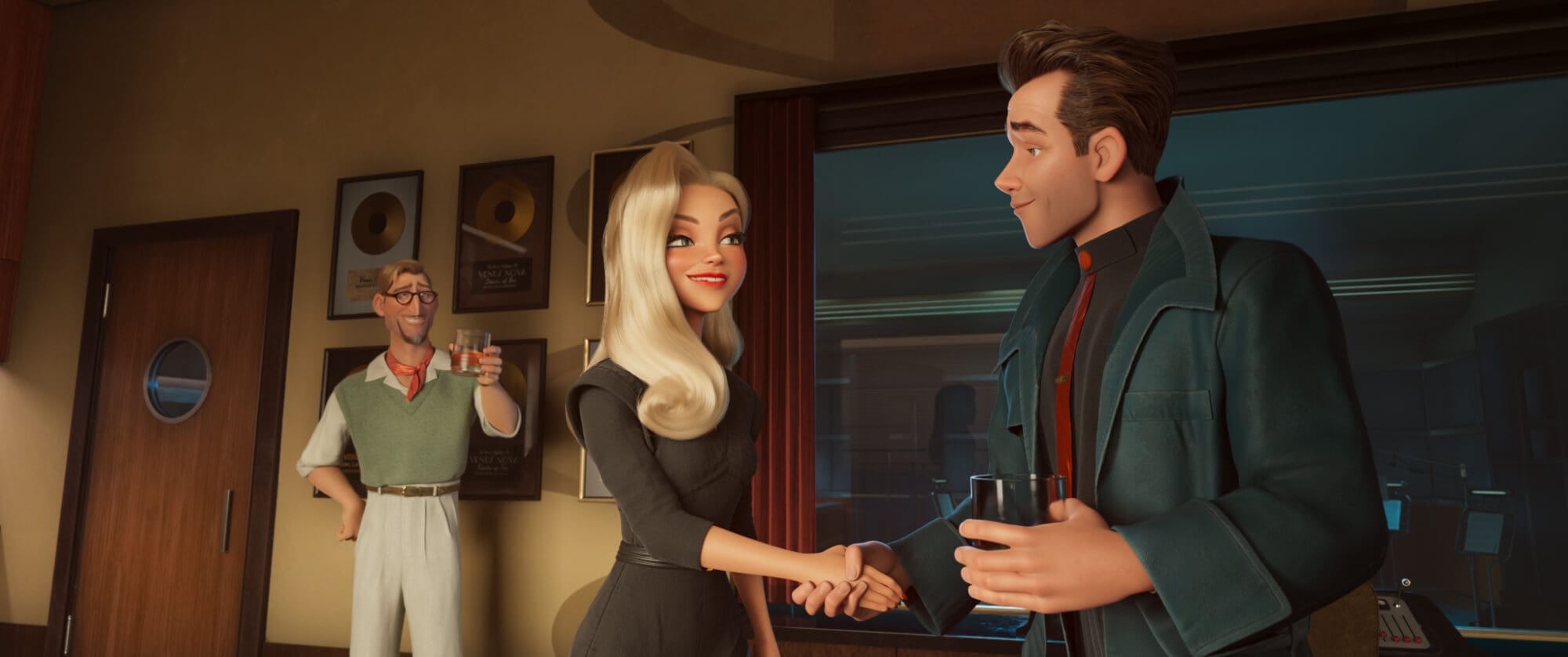
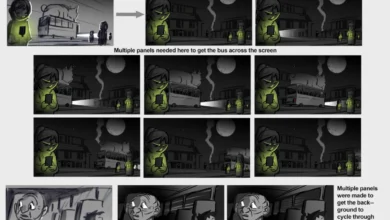
The production also relied heavily on pre-visualized, highly specific storyboards; approximately 90% of the film’s final composition was mapped out two years prior to completion. Despite the digital medium, the team worked to preserve a "handmade" quality. This included the manual insertion of smear frames and the use of 2D animation techniques for specific effects, such as the flames on Venus Nova’s dress. This synthesis of CG structure and traditional animation principles allowed for an expressive, fluid performance that defied the "uncanny valley" often associated with high-budget computer animation.
Broader Implications for the Animation Industry
The development and eventual release of Ray Gunn represent a broader, ongoing shift in the animation industry. Brad Bird has long been a vocal proponent of elevating the medium beyond the "kiddies’ table," aiming instead for a mainstream, all-ages audience that values complex, challenging storytelling.
By avoiding a pitch to studios that prioritize traditional family-friendly fare, Bird has carved out a space for animation that treats its audience with the same intellectual respect as live-action dramas. This trajectory, which began with the nuanced exploration of Cold War anxieties in The Iron Giant, finds a new zenith in Ray Gunn.
Industry analysts suggest that the success of a film like Ray Gunn could prove vital in demonstrating that there is a significant, underserved market for animated features that address adult or young-adult themes. As the industry continues to grapple with the rising costs of production and the saturation of the streaming market, the ability to deliver high-concept, auteur-driven animation that appeals to a diverse age demographic may become a crucial differentiator for major studios and streamers alike.
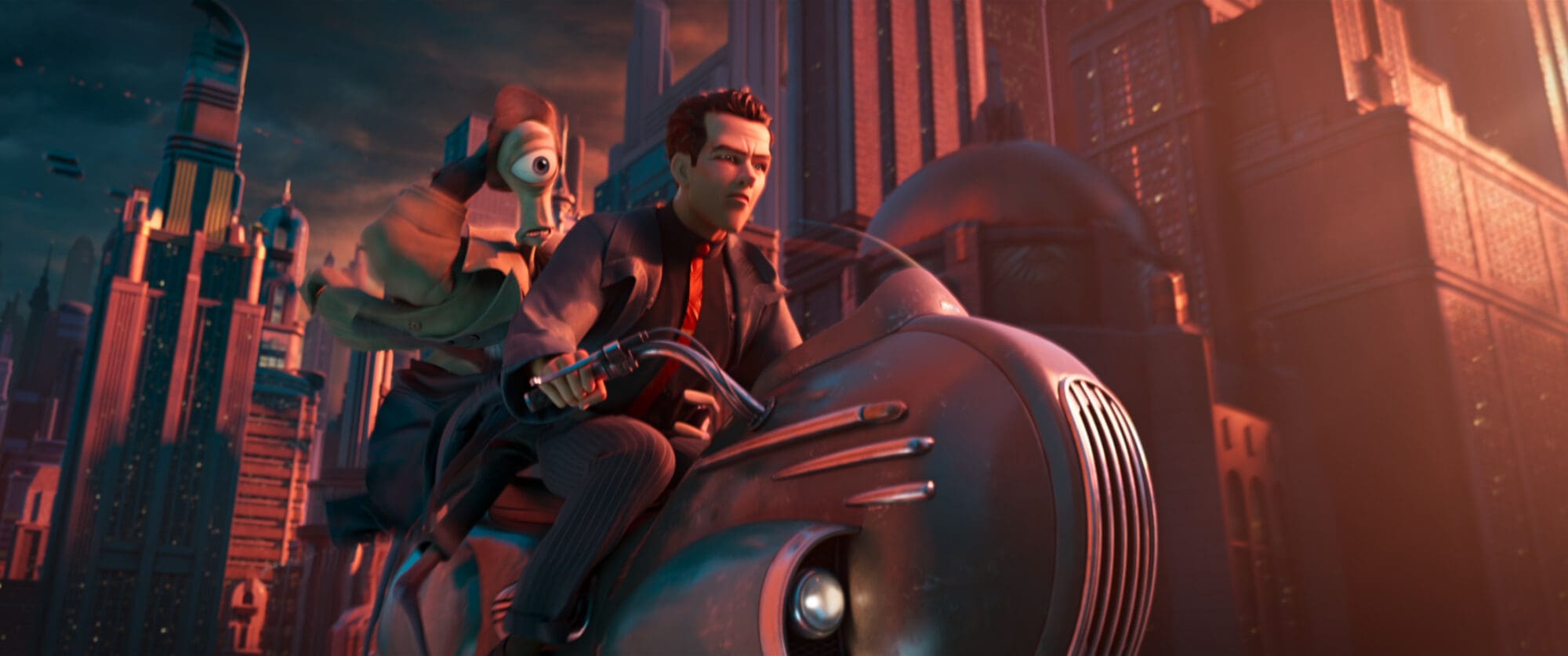
For Bird, however, the film is not the "culmination" of his career, but rather a continuation of his mission to nudge the medium toward greater maturity. As he reflected during the Q&A session at the OIAF, he continues to advocate for the kind of cinema that challenges its audience—a reflection of his own childhood experiences of watching complex films like Doctor Zhivago and finding wonder in the questions they raised. With Ray Gunn, he is once again inviting his audience to reach for something more.
Related posts: