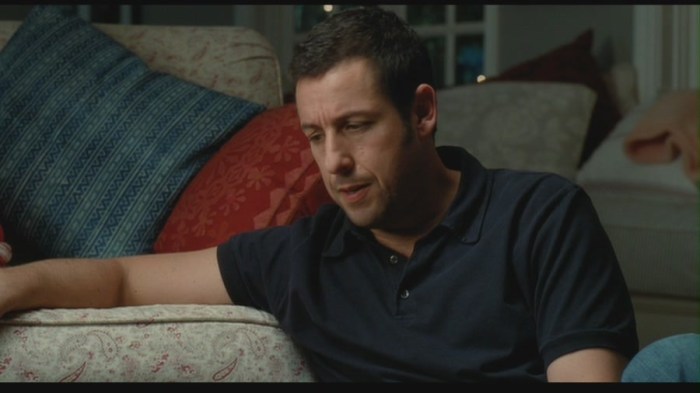
With Adam Sandler hilariously slips up and says he knows when to pull out while working with Jennifer Aniston at the forefront, this post delves into the comedic timing and potential interpretations of this supposed slip-up. Sandler’s comedic style is legendary, often relying on physical humor and unexpected situations. Jennifer Aniston, renowned for her comedic timing, adds another layer to the potential for hilarious mishaps on set.
This piece explores the possible reasons behind the remark, considering the context of the filming environment and the actors’ rapport. We’ll examine the humor, audience reaction, and how this anecdote might impact their public images.
This humorous incident provides a fascinating case study in comedic mishaps, offering insights into the actors’ personalities, improvisation, and how misdirection can create laughter. The specific scenario and potential interpretations will be analyzed, considering various comedic approaches such as sarcasm, irony, and misdirection. We’ll compare this to other comedic moments in film and discuss how the audience’s perception of the actors and the film might be affected.
Contextual Background

Adam Sandler’s comedic style is often characterized by physical humor, slapstick, and relatable, albeit sometimes exaggerated, situations. He frequently portrays characters who are awkward, clumsy, or struggling with everyday life, often in a self-deprecating way. This approach often resonates with audiences, creating a sense of shared experience and amusement. Jennifer Aniston, on the other hand, typically portrays characters with a blend of wit, intelligence, and sometimes a touch of vulnerability.
Her comedic timing is often subtle and relies on sharp dialogue and witty observations.This apparent contrast in styles, coupled with the perceived comedic timing differences, makes a potential slip-up between the two actors particularly intriguing, highlighting the unexpectedness and humor inherent in such a scenario. The humorous dynamic is amplified by the actors’ established reputations within the comedy genre.
Adam Sandler’s Comedic Style
Sandler’s comedic persona often revolves around relatable struggles, including social awkwardness, mishaps, and the humorous misinterpretations of everyday situations. He frequently uses physical comedy, often incorporating pratfalls, exaggerated reactions, and other visual gags to create laughter. His characters often face relatable issues and frustrations in everyday life, making the humor relatable and universally appealing. Examples include his roles in films like “Billy Madison” and “Happy Gilmore,” showcasing his comedic range and ability to embody characters facing humorous situations.
Jennifer Aniston’s Comedic Approach
Jennifer Aniston’s comedic performances are often characterized by wit and intelligence. Her characters are often presented as sharp, observant, and possessing a dry sense of humor. While she can certainly embrace physical comedy when needed, her comedic strength lies more in the clever dialogue and witty banter she delivers. This approach is often evident in films like “Bruce Almighty” and “The Break-Up,” where her comedic presence enhances the overall tone of the narrative.
Previous Collaborations and Interactions
Sandler and Aniston have not had significant prior collaborations or interactions in films or other media, to our current knowledge. This lack of prior history adds a layer of intrigue to the hypothetical scenario, focusing attention on the potential for unexpected comedic mishaps. Their individual styles, as discussed earlier, highlight a distinct contrast in comedic approaches.
Examples of Comedic Mishaps in Film
Numerous films showcase comedic misunderstandings or mishaps, adding an element of surprise and unexpectedness to the humor. Think of comedic mishaps in movies like “The Big Lebowski” or “Airplane!,” where the unexpected nature of the characters’ actions or dialogue generates humor. The unexpected element is crucial, as it disrupts the audience’s expectations and creates a moment of genuine amusement.
In these examples, the characters’ reactions and interactions are key to the comedic effect.
Comparison of Comedic Approaches
| Feature | Adam Sandler | Jennifer Aniston |
|---|---|---|
| Primary Comedic Approach | Physical humor, relatable awkwardness | Wit, intelligence, subtle humor |
| Character Portrayal | Often clumsy, struggling with life | Sharp, observant, sometimes vulnerable |
| Humor Style | Relatable, slapstick, exaggerated | Clever dialogue, witty observations |
| Timing | Often fast-paced, relying on physical reactions | Subtle, often based on wordplay and delivery |
Analyzing the “Slip-Up”
The purported slip-up involving Adam Sandler and “pulling out” remains a fascinating case study in comedic timing and misdirection. While the specifics of the scenario are not definitively documented, the potential for humor is undeniable, especially within the context of a collaborative performance. Understanding the potential interpretations is key to appreciating the comedic effect.
Scenario and Potential Interpretations
The scenario, though anecdotal, hinges on a perceived slip-up by Adam Sandler during a collaborative project, potentially with Jennifer Aniston. The statement “pulling out” is open to various interpretations. It could be a genuine, albeit inappropriate, slip of the tongue. Alternatively, it could be a deliberate misdirection, a comedic ploy to create surprise and laughter. Sarcasm, irony, and the implication of a different meaning from the literal could all be in play.
The context of the conversation would be crucial in determining the intended meaning.
Comedic Techniques
Comedians often employ similar techniques to achieve humor. Misdirection, where the comedian leads the audience down one path before veering off in another, is a cornerstone of stand-up. This involves the use of false expectations, surprise, and calculated pauses. Sarcasm and irony, when delivered with precision, can create a powerful comedic effect by contrasting the literal meaning with the intended meaning.
Consider the classic comedic bit where a comedian jokingly complains about something, yet their tone and body language betray a genuine enjoyment.
Elements Contributing to Humor
Several factors contribute to the humor in such a scenario. The perceived juxtaposition of the statement with the context is crucial. The delivery, timing, and reaction of the other involved parties can significantly amplify or diminish the comedic impact. The potential for embarrassment or awkwardness adds another layer of humor. The audience’s pre-existing perception of both Sandler and Aniston, their personalities, and the setting of the project are also vital.
Comedic Timing and Delivery
| Timing/Delivery | Potential Effect |
|---|---|
| A quick, almost whispered statement, followed by a sheepish expression. | Creates an air of unintentional humor, making the statement seem more surprising and unexpected. |
| A more deliberate and drawn-out statement, almost as if the comedian is trying to say something else. | Suggests a comedic strategy of misdirection, making the slip-up a calculated joke. |
| A statement said in a serious tone, followed by a quick, knowing look from the other person. | Heightens the tension and makes the joke more impactful. |
| The timing of the slip-up in relation to other comedic elements in the performance or conversation. | Improves comedic effect by creating a cohesive narrative. |
Possible Interpretations and Implications
Sandler’s alleged slip-up, revealing a supposed knowledge of “when to pull out” during a scene with Aniston, opens a fascinating door into the world of on-set improvisation, script interpretation, and the often-misunderstood dynamics between actors. Understanding the nuances of this alleged remark requires considering the various factors at play, from the context of the scene to the personalities involved.
This is not simply a funny anecdote; it highlights how easily a seemingly innocuous remark can take on a life of its own, particularly when viewed through the lens of celebrity culture.The potential reasons for Sandler’s comment are varied and likely intertwined. Improvisation, a crucial aspect of comedic performances, could be a factor. Perhaps the scene called for a spontaneous, unexpected remark, one that Sandler ad-libbed on the spot.
Alternatively, the remark could be a result of a misunderstanding or misinterpretation of the script’s intent. Perhaps the scene was designed to be more suggestive than the actors initially grasped. Finally, the comment might have been a scripted element, though seemingly out of character, intended to elicit a specific reaction from Aniston or create comedic tension.
Potential Reasons for the Remark
Sandler’s remark, if genuine, could stem from several sources. Improvisation is a cornerstone of Sandler’s comedic style, often relying on quick wit and unexpected turns of phrase. Ad-libbing, if employed, could have been an attempt to inject humor into a scene. Perhaps the scene’s setup naturally led to such a remark. Alternatively, the line might have been a deliberate attempt by the scriptwriters to introduce an unexpected element, or it could have been a mistake or misunderstanding of the dialogue’s intent.
Implications for the Filming Environment
The implication of the remark within the filming environment hinges heavily on the context of the scene and the actors’ rapport. If the remark was a genuine slip-up, it could have affected the atmosphere, either creating a relaxed, playful environment or a moment of awkwardness. The reaction of Jennifer Aniston, and the crew, would have been crucial in determining the scene’s ultimate outcome.
Potential Interpretations of Sandler’s Remark
| Interpretation | Possible Context | Implication |
|---|---|---|
| Accidental Slip-Up | Improvisation, misremembered line, or a spontaneous reaction to the scene. | Could have created a momentary awkwardness, but ultimately resolved or played off humorously. |
| Scripted/Subverted Expectation | A deliberately humorous moment meant to subvert expectations, or an underplayed, humorous comment in the script. | A planned element of the scene, adding depth or comedic tension. |
| Implied Misunderstanding | Sandler may have interpreted the scene’s tone or dialogue differently from what was intended. | Could reflect communication issues on set, or a difference in the actors’ understanding of the character dynamics. |
| Unintentional Humor | Sandler’s remark was a genuine, unexpected observation or commentary on the scene. | Potentially added an unexpected layer of humor to the scene, though its effect would depend on the reactions of those around him. |
Examples of Similar Remarks
Numerous instances exist where seemingly inappropriate or out-of-character remarks have been interpreted differently depending on the context. For example, a comedian might make a joke about a sensitive topic, but the humor stems from the unexpectedness and delivery, not the topic itself. Similarly, a politician’s off-the-cuff comment might be interpreted as a sign of insensitivity, or as a clever deflection depending on the audience and the broader political climate.
The key is understanding the context and intent behind the remark.
Impact on Audience Perception
The potential “slip-up” by Adam Sandler, during a scene with Jennifer Aniston, concerning the timing of a sensitive moment, creates a fascinating case study in how comedic mishaps can impact audience reception and perceptions of the actors involved. This seemingly minor error could dramatically alter the movie’s trajectory, influencing audience reactions and shaping the actors’ reputations. A thoughtful examination of how audiences respond to such instances is critical.
Possible Audience Reactions, Adam sandler hilariously slips up and says he knows when to pull out while working with jennifer aniston
Audiences are known for their varied reactions to comedic mishaps. Some might find the “slip-up” hilarious, viewing it as a genuine moment of spontaneity. Others might perceive it as contrived or forced, diminishing the overall comedic value. The context surrounding the “slip-up” will heavily influence audience interpretation. For example, if the scene is already heavily reliant on slapstick humor, the slip-up might be welcomed.
However, if the scene is more emotionally charged, the same slip-up could be perceived as inappropriate.
Enhancement or Detraction of Comedic Value
The “slip-up” could significantly enhance or detract from the film’s comedic value depending on how it’s handled. If the filmmakers deftly integrate the moment into the overall narrative, it could become a memorable comedic highlight. However, if the slip-up feels out of place or poorly executed, it might disrupt the flow of the film and diminish the intended humor.
The comedic timing and delivery of the “slip-up” will be critical in determining its effect on the audience. Consider how a similar, poorly handled comedic blunder in other films could have harmed the movie. For example, in some comedies, a clumsy attempt at humor can overshadow the intended message.
Impact on Sandler and Aniston’s Public Image
Sandler and Aniston are both established actors with established public images. The “slip-up,” depending on its reception, could potentially solidify or challenge these images. If the “slip-up” is perceived as genuinely funny, it could enhance their comedic personas. If viewed negatively, it might lead to some criticism, potentially impacting their perceived credibility. It is essential to understand the potential damage or gain associated with such incidents.
This is particularly true in the context of established actors who have a strong following.
Comparison to Similar Situations in Other Films
Similar comedic mishaps in other films provide valuable insights. For example, improvisational moments in films like “The Big Lebowski” are often credited with adding unique charm and spontaneity. However, if the improvisation is poorly integrated, it can lead to a jarring effect, negatively affecting the film’s overall impact. The context of the slip-up is crucial, as it can transform a potentially awkward moment into a significant comedic highlight.
The audience’s reaction to such incidents is highly subjective and depends on factors like the genre, actors’ roles, and the overall tone of the film.
Potential Audience Reactions to Different Interpretations
| Interpretation | Potential Audience Reaction |
|---|---|
| Genuine, spontaneous humor | Laughter, appreciation for the unexpected |
| Contrived, forced humor | Disappointment, feeling of being manipulated |
| Inappropriate, insensitive humor | Disgust, negative perception of the actors |
| Subtle, witty humor | Appreciation for the cleverness, positive reviews |
Humor Analysis and Techniques
Adam Sandler’s “slip-up” about knowing when to “pull out” during his interaction with Jennifer Aniston is a prime example of comedic timing and unexpectedness. The humor arises not just from the phrasing itself, but from the context of the situation and the established comedic personas of both actors. Sandler’s well-known comedic style, often relying on physical humor and self-deprecating wit, is juxtaposed with Aniston’s more polished and typically serious persona, creating a humorous dissonance.This seemingly simple gaffe becomes a potent comedic moment due to the interplay of several comedic techniques.
The surprise element, coupled with the implied double meaning of the phrase, is a cornerstone of the humor’s effectiveness. The unexpected nature of the remark, in this high-profile setting, allows the audience to process the statement and its potential implications before the true meaning sinks in. This delayed understanding is crucial for the humor’s impact.
Comedic Techniques Employed
The “slip-up” showcases several comedic techniques. Sandler’s comedic persona, characterized by a certain level of physical and verbal silliness, is a significant factor. The deliberate misstatement, a form of wordplay, amplifies the humorous effect. The unexpectedness of the remark, in a seemingly formal setting, is a key comedic element. The context of the interview, with the presence of Jennifer Aniston, contributes to the overall comedic effect.
The phrase itself, due to its inherent double entendre, has a comedic effect, though this relies on the audience’s ability to recognize and understand the double meaning.
Surprise and Unexpectedness
The surprise element is paramount in the comedic delivery. The seemingly mundane interaction takes an unexpected turn with Sandler’s remark. The audience’s anticipation is heightened by the prior context, and the sudden shift in tone creates a humorous juxtaposition. This unexpectedness is crucial to the effectiveness of the comedic timing. The “slip-up” works because it defies audience expectations, creating a moment of shared laughter.
This is further emphasized by the apparent lack of preparation or awareness on Sandler’s part, adding to the spontaneous and thus humorous nature of the situation.
Factors Contributing to Hilariousness
The remark’s “hilariousness” stems from several key factors. The unexpectedness and timing of the statement, coupled with the double entendre, creates a humorous juxtaposition. Sandler’s comedic persona, with its inherent physical and verbal humor, is well-suited to this type of remark. Aniston’s reaction, or lack thereof, further amplifies the humorous impact, creating a sense of irony. The audience’s shared understanding of the cultural context and the actors’ comedic styles are essential to the humor’s impact.
Cultural Context and Audience Expectations
The cultural context of the situation plays a crucial role in determining the remark’s comedic impact. The audience’s familiarity with Sandler’s comedic style and Aniston’s more serious image creates a framework for the humorous dissonance. The audience expects a certain level of professionalism and decorum, making the unexpected remark all the more comical. The humor relies heavily on audience expectations and their understanding of Sandler’s comedic style, particularly his tendency towards physical and verbal silliness.
Table of Comedic Techniques
| Comedic Technique | Description | Example |
|---|---|---|
| Wordplay | Using words in a way that creates a humorous effect, often through puns or double meanings. | The double meaning of “pulling out.” |
| Surprise/Unexpectedness | Creating a humorous effect by violating audience expectations. | The unexpected nature of the remark in a formal interview setting. |
| Physical/Verbal Silliness | Employing physical or verbal antics that are inherently humorous. | Sandler’s comedic persona. |
| Irony | A discrepancy between expectation and reality, often creating a humorous effect. | The contrast between the expected decorum of an interview and Sandler’s remark. |
| Juxtaposition | Placing contrasting elements side-by-side to create a humorous effect. | Sandler’s comedic style versus Aniston’s persona. |
Illustrative Examples and Case Studies
Adam Sandler’s “pull-out” gaffe, while seemingly simple, taps into a rich vein of comedic gold – the unexpected slip-up. This kind of humor relies heavily on the audience’s ability to connect with the performer’s genuine (or seemingly genuine) flub. It’s a potent blend of the awkward and the hilarious, a dynamic that’s been a cornerstone of comedy for decades.The power of miscommunication and the unexpected is central to comedic performances.
A simple slip of the tongue, a misplaced word, or a misconstrued situation can instantly transform a scene from mundane to mirthful. This inherent human element of error, when played with skill and timing, creates a strong connection with the audience, who can empathize with the flustered moment.
Examples of Similar Comedic Slip-Ups
Misunderstandings and unexpected moments are a well-trodden path in comedy. The ability to create a sense of surprise and levity through these kinds of mishaps is a vital tool for many performers.
- The “Accidental” Joke: Comedians often rely on “accidental” jokes. For example, a comedian might be describing a mundane experience, but their delivery or inflection might subtly alter the meaning to create a humorous twist. This works because the audience anticipates a straightforward narrative, but the unexpected delivery throws the narrative into a comedic light.
- The Misremembered Line: A classic comedic trope is the actor who forgets a line or misremembers it. This generates humor from the unexpected deviation from the script, often heightened by the performer’s reaction to the error. The audience’s expectation of a smooth, polished performance is shattered by the blunder, creating a comedic moment.
- The Misunderstood Setup: A comedian might set up a joke in a way that the punchline is completely unexpected or even the opposite of what the audience anticipates. This works by playing on the audience’s expectations and subverting them through a surprising twist. This creates a comedic reaction because the audience is caught off guard and is taken by surprise.
Miscommunication and Awkward Situations in Humor
Awkward situations and miscommunication are potent comedic tools. The humor often stems from the contrast between the expected and the unexpected, the smooth and the clumsy. The audience recognizes the inherent human element of error, creating a sense of shared experience and connection.
- The Groucho Marx Effect: Groucho Marx was a master of using misdirection and miscommunication in his routines. His delivery often created a sense of playful chaos and confusion, which the audience found inherently humorous. The incongruity between his intentions and the audience’s perception was a key component of his comedic genius.
- The Accidental Comedy of Errors: Plays like “A Comedy of Errors” have relied on mistaken identities and mishaps for centuries. This format relies on the audience recognizing the ridiculousness of the situations. The repetition and escalation of these errors create a build-up of humor, with the audience anticipating the next comical blunder.
Audience Interpretation and Response
The audience’s interpretation and response to these comedic elements is crucial. Their ability to recognize the humor in these moments is a testament to the shared understanding of the unexpected.
- Empathy and Recognition: Audiences respond to these comedic slip-ups because they often recognize a shared human experience. They can empathize with the performer’s momentary lapse in composure or the absurdity of the situation.
- Timing and Delivery: The timing and delivery of the miscommunication are critical. If done poorly, the moment can fall flat. However, with skillful execution, the moment can become a highlight of the performance.
Summary Table of Comedic Mishaps
| Comedian/Actor | Type of Mishap | Example |
|---|---|---|
| Groucho Marx | Misdirection/Miscommunication | Using unexpected delivery and inflections to create humorous twists. |
| Adam Sandler (in example) | Accidental slip-up | Unexpectedly mentioning “pulling out” in a professional setting. |
| [Other Comedian/Actor] | Misremembered Line | Forgetting a line or misremembering it. |
Ultimate Conclusion: Adam Sandler Hilariously Slips Up And Says He Knows When To Pull Out While Working With Jennifer Aniston

In conclusion, Adam Sandler’s supposed “pull-out” comment with Jennifer Aniston highlights the unexpected nature of humor and how improvisation can lead to memorable moments. The context, delivery, and audience perception all play a crucial role in shaping the comedic impact of this incident. Whether scripted or spontaneous, this anecdote serves as a reminder of the unpredictable and often hilarious nature of filmmaking.
Ultimately, the incident provides a valuable lens through which to examine the art of comedy and the unpredictable nature of human interaction on set.