Jennifer Hudson to Perform U.S. National Anthem Ahead of 2026 FIFA World Cup Final in New York-New Jersey Amidst Fan Debate

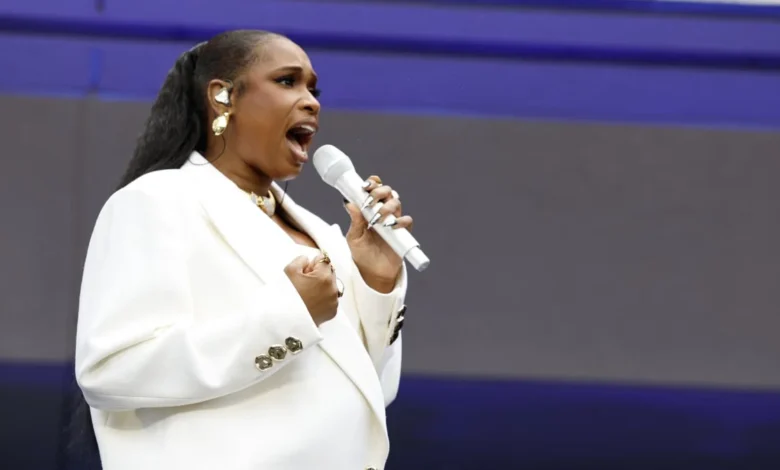
The U.S. national team may not have secured a spot in the upcoming 2026 FIFA World Cup final, but "The Star-Spangled Banner" is confirmed to resonate through the stadium. On July 14, 2026, FIFA officially announced that Grammy Award-winning singer and acclaimed talk show host Jennifer Hudson is slated to perform a "special rendition" of the American national anthem. This performance is scheduled to precede the highly anticipated World Cup final on Sunday, July 19, 2026, at the New York New Jersey Stadium, more commonly recognized as MetLife Stadium in East Rutherford, New Jersey. The announcement immediately ignited a flurry of discussion among global soccer fans, many of whom questioned the rationale behind performing the U.S. anthem at a match that will not feature the United States national team.
The Rationale Behind the Performance: Honoring the Host Nation
The decision to feature Jennifer Hudson performing "The Star-Spangled Banner" is rooted less in the competing finalists — Spain and Argentina, as per the current projection — and more in the geographic location of the final match. FIFA clarified that Hudson’s performance is an integral part of the pre-game ceremony, a distinct event orchestrated before the official kickoff. This ceremony, scheduled for 1:30 p.m. ET, approximately 90 minutes before the match begins, is designed to celebrate the extensive journey of the 2026 tournament across its three host nations: Canada, Mexico, and the United States.
As the culminating match of the tournament is being held on American soil, Hudson’s rendition is intended as a tribute to the host country. This aligns with a broader FIFA strategy to acknowledge the significant contributions of the organizing nations, particularly for major milestones like the final. The performance serves as a ceremonial gesture, recognizing the logistical, financial, and cultural investment made by the United States in hosting such a monumental global event.
Fan Reactions and the Cultural Debate
Despite FIFA’s explanation, the announcement sparked considerable debate across social media platforms and among soccer purists. Many fans expressed confusion and even frustration, questioning the perceived "Americanization" of a globally revered sport. A common sentiment revolved around the perceived inequity, given that the United States is sharing hosting duties with Canada and Mexico. Critics argued that if the anthem of a host nation is to be played, then the anthems of all three co-hosts should be included, or none at all, to maintain a sense of international neutrality and fairness.
Online discussions highlighted concerns that the introduction of such an elaborate pre-game spectacle, including a host nation’s anthem when their team isn’t competing, deviates from traditional World Cup protocol. For many, the World Cup final has always been characterized by a focused solemnity, where only the anthems of the two competing nations are performed, followed by the immediate start of play. The perceived insertion of American entertainment norms into this hallowed tradition was met with resistance by those who cherish the sport’s global, non-nationalistic spirit at its highest competitive level.
A Precedent, Albeit Rare: The 1994 World Cup
While the current situation has generated significant discussion, the concept of a host nation’s anthem being performed at a World Cup final without their team is not entirely without precedent, though it remains rare. When the U.S. last hosted the men’s World Cup in 1994, jazz saxophonist Kenny G performed "The Star-Spangled Banner" during the closing ceremony. This performance occurred before Brazil and Italy faced off in the final match at the Rose Bowl in Pasadena, California. This historical context suggests that FIFA has, on occasion, integrated host nation cultural elements into its major events, particularly when held in countries with robust entertainment industries like the United States. However, the scale and integration of entertainment have evolved significantly since 1994, leading to the current amplified scrutiny.
The Broader Entertainment Extravaganza: A Shift Towards American Sports Spectacle
Hudson’s performance is just one component of an extensive entertainment lineup planned for the 2026 World Cup final. The pre-game event promises a star-studded roster beyond Hudson, including a headline performance by Post Malone. Other notable artists and personalities scheduled to participate are Robbie Williams, Nicole Scherzinger, Laura Pausini, and popular streamer IShowSpeed. Adding to the spectacle, Hollywood icon Tom Cruise is slated to make a special, yet unspecified, appearance, further blurring the lines between a traditional sports event and a major entertainment production.
This emphasis on celebrity appearances and elaborate musical numbers extends beyond the pre-game ceremonies to a historic first for the World Cup: a dedicated halftime show. Curated by Coldplay frontman Chris Martin, this 11-minute performance is set to feature global superstars Madonna, Shakira, BTS, and Justin Bieber. The lineup is further enriched by appearances from Burna Boy, renowned conductor Gustavo Dudamel, the PS22 Chorus performing alongside Coldplay, and beloved characters from Sesame Street and The Muppets. This unprecedented halftime show is also linked to a charitable initiative, supporting the FIFA Global Citizen Education Fund, which aims to expand access to education and soccer programs for children worldwide.
This comprehensive entertainment package, particularly the introduction of a full-fledged halftime show akin to American football’s Super Bowl, has drawn sharp criticism from a segment of the global soccer fanbase. Many view it as a deliberate attempt by FIFA to import the structure and commercial appeal of American sports into the World Cup, potentially at the expense of the sport’s traditional rhythm and focus. Complaints have surfaced throughout the tournament regarding entertainment-heavy opening ceremonies and even "hydration breaks" that some viewers perceive as thinly veiled opportunities for additional television advertising.
The Business Imperative: Tapping into the Lucrative American Market
The extensive investment in entertainment and the strategic integration of American cultural elements become clearer when viewed through FIFA’s financial lens. The organization projects a record-breaking revenue of $13 billion during the current World Cup cycle, encompassing the period leading up to and including the 2026 tournament. A substantial portion of this revenue is expected to be generated from the lucrative North American market, particularly the United States. This financial goal underscores the critical importance of attracting and retaining American viewers, including those who may not typically follow soccer.
Data from earlier stages of the tournament supports this strategy’s efficacy. Fox’s group-stage broadcasts for the 2026 World Cup averaged over 5 million viewers, nearly doubling the audience recorded for the corresponding stage in 2022. Furthermore, matches involving the U.S. national team garnered significantly larger Spanish-language audiences on Telemundo and Peacock compared to the previous World Cup cycle. These statistics highlight the immense potential of the American market, both in terms of direct viewership and the associated advertising and sponsorship revenues.
In this context, Jennifer Hudson’s performance of the U.S. anthem, alongside the broader entertainment spectacle, serves a strategic commercial purpose. Even with the American team out of contention, the American audience, and the significant financial opportunities it represents, remain firmly "in the game" for FIFA. The organization appears to be making a calculated effort to broaden the World Cup’s appeal beyond traditional soccer aficionados, aiming to capture a wider demographic accustomed to high-production value sporting events.
Implications and the Future of World Cup Entertainment
The decision to feature "The Star-Spangled Banner" and to introduce a Super Bowl-esque halftime show signals a significant evolution in FIFA’s approach to its flagship tournament. This shift carries several implications:
- Commercialization vs. Tradition: It highlights an ongoing tension between maximizing commercial revenue and preserving the long-standing traditions of international soccer. While increased revenue can be reinvested into global soccer development, critics worry about the dilution of the sport’s purist appeal.
- Cultural Exchange and Influence: The World Cup, traditionally a platform for showcasing diverse global cultures through sport, is now also becoming a conduit for American entertainment influence. This raises questions about cultural hegemony versus genuine celebration of host nations.
- Fan Engagement: While some fans may appreciate the added entertainment value, others may feel alienated by what they perceive as an unnecessary spectacle. FIFA will need to carefully balance these perspectives to maintain broad appeal.
- Future Hosting Bids: The success or failure of this entertainment-heavy model in 2026 could set a precedent for future World Cup bids, potentially encouraging other host nations to integrate more elaborate, American-style entertainment elements.
Watching the Climax: The 2026 World Cup Final and Ceremonies
Regardless of the ongoing debates, the 2026 FIFA World Cup final promises to be a memorable event. Spain and Argentina are projected to compete for the coveted trophy on Sunday, July 19, at the New York-New Jersey Stadium in East Rutherford.
The extensive closing ceremony, featuring Jennifer Hudson and other performers, is scheduled to commence at 1:30 p.m. ET. The highly anticipated match kickoff is set for 3 p.m. ET.
For English-language viewers in the United States, comprehensive coverage will be available on Fox, with streaming options through Fox One and the Fox Sports app. Spanish-language coverage will be broadcast on Telemundo, with all 104 matches of the tournament, including the final, streaming live in Spanish on Peacock. As the world tunes in, the 2026 World Cup final will not only determine a new champion but also mark a significant moment in the ongoing evolution of how global sports events are presented and experienced.