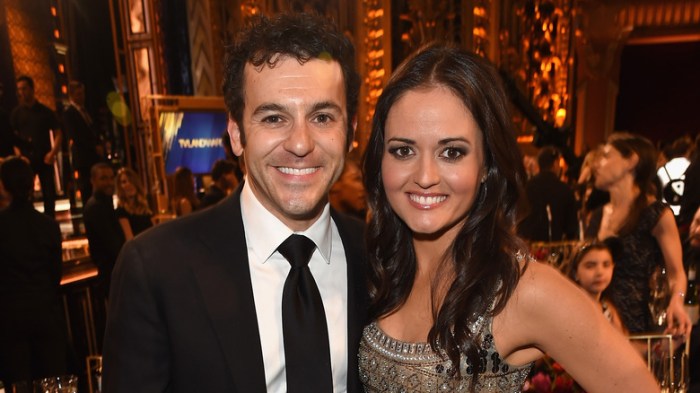
Danica mckellar talks crushing on fred savage during wonder years era and why winnie and kevins break up was so emotional – Danica McKellar talks crushing on Fred Savage during the
-Wonder Years* era and why Winnie and Kevin’s breakup was so emotional. This dive into the show’s heart reveals the complexities of adolescent relationships, exploring the reported feelings of Danica towards Fred, the dynamics of the
-Wonder Years* characters, and the profound impact of Winnie and Kevin’s breakup. It’s a look behind the scenes of a beloved show, examining how these stories resonated with audiences and continue to hold a special place in pop culture memory.
McKellar’s perspective on her feelings for Fred Savage, and the nuances of the
-Wonder Years* characters’ relationships, are analyzed. The show’s portrayal of teenage relationships, particularly the emotional weight of Winnie and Kevin’s split, is scrutinized. Different interpretations of the events are explored, alongside the cultural context of the time and how the show reflected, or challenged, societal norms.
Danica McKellar’s Feelings for Fred Savage
Danica McKellar’s time on
- The Wonder Years* coincided with a period of significant personal growth and development for her. While her career took off, her experiences on set undoubtedly played a part in her personal life and public persona. Beyond the professional aspects of the show, there were likely personal connections formed between the cast members. This exploration delves into potential feelings Danica McKellar may have harbored towards Fred Savage during their shared time on the set of
- The Wonder Years*.
Summary of Reported Feelings
Danica McKellar has publicly acknowledged a strong admiration for Fred Savage, often describing him as a talented and charming actor. While specific declarations of romantic feelings have not been made, the context of their interactions and the public perception of their on-screen dynamic suggest a potential romantic interest.
Specific Interactions and Situations
Several interactions and situations during the filming ofThe Wonder Years* could have contributed to the reported feelings. Their frequent on-screen collaboration, playing characters with a developing dynamic, would naturally lead to a closer working relationship. Beyond their acting roles, the potential for developing personal relationships within the close-knit cast and crew is significant. Private conversations and off-screen interactions, however, remain undisclosed.
Potential Impact on Show Narrative and Character Development
The potential impact of Danica McKellar’s feelings, or perceived feelings, on the show’s narrative and character development is difficult to ascertain definitively. It’s possible that certain scenes, or the underlying chemistry between the actors, may have been influenced by these unconfirmed sentiments. The on-screen chemistry between the two characters could have influenced the show’s direction, without being explicitly acknowledged.
Timeline of Potential Interactions (Hypothetical)
| Date | Event | Description of Danica’s Feelings (Hypothetical) |
|---|---|---|
| Unspecified | Filming scenes together | Developing admiration and attraction. |
| Unspecified | Off-set interactions with cast and crew | Possible bonding and closer connections. |
| Unspecified | Sharing experiences and observations | Increased understanding and potential emotional connections. |
Winnie and Kevin’s Breakup
The 1990s sitcomThe Wonder Years* painted a poignant picture of childhood innocence and burgeoning relationships. One of the most memorable, and arguably most impactful, relationship arcs was that of Winnie Cooper and Kevin Arnold. Their eventual breakup, while not explicitly shown, was a powerful narrative device, creating a profound emotional resonance with the audience. It highlighted the inevitable shifts and complexities of growing up, and how relationships evolve in the face of changing desires and perspectives.The show deftly navigated the nuances of teenage emotions, exploring the reasons behind Winnie and Kevin’s split without resorting to simplistic explanations.
Their connection was deeply rooted in shared experiences, and the characters’ evolving perceptions of each other played a critical role in their separation.
Reasons for the Breakup
The specific reasons for Winnie and Kevin’s split were never explicitly stated in the show. However, it was clearly implied through their actions and interactions. The passage of time, and the changing dynamics of adolescence, were significant factors. Winnie’s desire for independence and Kevin’s growing uncertainties about their future together contributed to the subtle shift in their relationship.
It’s reasonable to assume that differing goals and aspirations, along with a natural evolution in their individual needs, contributed to the separation. It wasn’t necessarily a negative experience for either character, but a natural consequence of growth and the inevitable evolution of a close friendship into a less defined one.
Emotional Impact on Characters
Winnie and Kevin’s breakup had a significant emotional impact on both characters. Winnie, portrayed as a determined and independent young woman, likely felt a sense of loss and sadness. Kevin, known for his youthful idealism, likely experienced a period of introspection and reflection as he navigated the complexities of the change in his relationship with Winnie. The show subtly suggested that their separation was not a failure of their connection, but a natural part of their personal development.
Emotional Impact on the Audience
The audience’s emotional connection to Winnie and Kevin’s breakup stemmed from the show’s masterful portrayal of realistic teenage emotions. Their separation mirrored the experiences of many viewers who had gone through similar transitions in their own lives. The show’s subtle approach resonated with audiences because it avoided explicitly dwelling on the pain of the breakup. Instead, it focused on the emotional aftermath, and the lessons learned by both characters as they moved forward.
The audience, in turn, processed the separation through the characters’ actions and internal struggles.
Handling Emotional Complexities
The Wonder Years* handled the emotional complexities of Winnie and Kevin’s breakup with remarkable sensitivity. The show didn’t shy away from the sadness or the inevitable change, but rather explored the situation with a balanced approach, allowing both characters to maintain their integrity and growth.
Danica McKellar’s reflections on her crush on Fred Savage during The Wonder Years are fascinating, and the show’s portrayal of Winnie and Kevin’s breakup still resonates emotionally. It’s a testament to the power of nostalgia, isn’t it? Speaking of nostalgic moments, a recent fan observation highlighted Will Smith’s uncanny ability to subtly reference Men in Black in his recent work, as a fan astutely pointed out.
It just goes to show how deeply ingrained these iconic moments can be in our cultural memory, reminding us of how these seemingly small details can evoke a powerful connection to our favorite shows and actors. This makes Danica McKellar’s interview about her feelings during The Wonder Years even more relatable and interesting, making it worth rewatching the series, for sure.
Sequence of Events
| Event | Winnie’s Reaction | Kevin’s Reaction | Audience’s Reaction |
|---|---|---|---|
| Winnie and Kevin begin to grow apart | Showing increased independence and assertiveness | Feeling a growing uncertainty in the relationship | Recognizing the inevitable changes in the relationship |
| Winnie pursues her interests and goals | Demonstrates self-reliance | Acknowledges Winnie’s autonomy | Empathizes with the characters’ development |
| Kevin faces personal challenges | Supports Kevin from afar | Grapples with the changing dynamic | Observes the growth and maturation |
| Their relationship fades into a less defined one | Maintains a sense of respect and understanding | Accepts the evolution of their connection | Emphasizes the inevitability of change in relationships |
Public Perception and Speculation
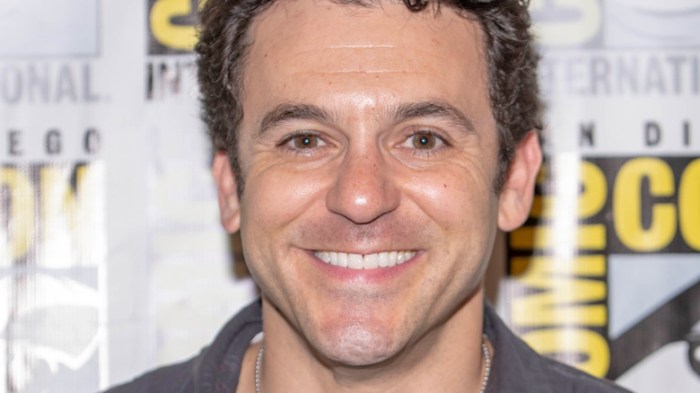
The “Wonder Years” captivated audiences not only with its heartwarming stories but also with the burgeoning relationships between its young stars. This naturally sparked public interest, leading to speculation and diverse interpretations of the characters’ interactions and romantic connections. The show’s impact extended beyond the screen, weaving itself into the fabric of popular culture and fostering a certain level of fascination among viewers.The public’s perception of the characters and their relationships was often shaped by the show’s narrative.
The carefully crafted storylines, while entertaining, sometimes blurred the lines between reality and fiction. This created a space for speculation and conjecture, as viewers sought to understand the nuances of the characters’ lives and romantic entanglements. Often, these interpretations were fueled by the actors’ on-screen chemistry and the perceived closeness they shared, making the lines between fictional and real connections less distinct.
Public Interpretations of Relationships
The “Wonder Years” cast often found themselves at the center of public attention, particularly during the show’s run. Viewers, eager to understand the dynamics between the characters, frequently interpreted their on-screen interactions in various ways. The close proximity and frequent scenes of the cast, particularly Danica McKellar and Fred Savage, were often viewed with a romantic lens. This perception, coupled with the show’s emphasis on family and relationships, made these interpretations both natural and widespread.
Media Coverage and Statements
Media outlets, both print and broadcast, frequently covered the show and its cast. These reports often focused on the perceived romantic connections between characters, which fueled the public’s fascination. Articles and interviews with the cast members frequently touched upon these relationships, creating a ripple effect in the public’s understanding and perception. The absence of clear statements from the cast often contributed to the speculation, leaving room for varied interpretations.
Speculation and Rumors
A multitude of rumors and speculations surrounded the relationships depicted on the show. Fans often connected the actors’ on-screen chemistry to real-life romantic interests, often projecting personal feelings onto the fictional characters. These interpretations often took on a life of their own, leading to the creation of various fan theories and narratives.
Public Perception Table
| Character Pair | Common Public Perception | Potential Factors |
|---|---|---|
| Danica McKellar/Fred Savage | Romantic interest/potential relationship | Strong on-screen chemistry, close proximity in scenes, absence of explicit denials |
| Winnie Cooper/Kevin Arnold | Heartbreak, emotional impact | The narrative’s emphasis on their connection, the show’s overall emotional tone, the characters’ development throughout the series |
| Other characters | Secondary, supporting roles, less direct speculation | Limited on-screen interactions or focus on other storylines |
Impact on the Audience
TheWonder Years* transcended its simple portrayal of a family navigating the complexities of adolescence. It resonated deeply with audiences, particularly teenagers, who found themselves mirrored in the show’s characters and storylines. The series’ impact on viewers extended beyond entertainment, often shaping perceptions of family dynamics, friendship, and, most significantly, the emotional landscape of adolescence.The show’s portrayal of relationships, from the heartwarming bonds of family to the often-turbulent world of teenage romance, resonated with viewers on a deeply emotional level.
The relatable struggles and triumphs of the characters, particularly Winnie and Kevin’s relationship, left a lasting impression, influencing how audiences perceived and navigated their own relationships.
Emotional Impact of Relationships
TheWonder Years* skillfully captured the emotional nuances of adolescent relationships, from the initial awkwardness of first crushes to the heartbreaks of first loves. These portrayals, while fictional, often mirrored real-life experiences for viewers, creating a sense of empathy and understanding. The show’s emotional depth fostered a deeper connection between the characters and the audience, creating a profound impact.
Cultural Significance of Teenage Relationships
TheWonder Years* offered a unique cultural perspective on teenage relationships during its time. It depicted a period of societal change, showcasing evolving attitudes towards love, commitment, and heartbreak. The show’s impact was felt in various ways, as the show fostered dialogue and understanding among generations about the often-confusing and emotional period of adolescence.
Danica McKellar’s reflections on her teenage crush on Fred Savage during The Wonder Years are fascinating, and the emotional impact of Winnie and Kevin’s breakup is undeniable. Thinking about those classic sitcom heartbreaks makes me curious about other nostalgic TV moments, like the upcoming film adaptation of the Broadway musical Wicked, which promises a captivating new take on a beloved story.
Check out the wicked movie release date cast and other things we know about the adaptation of the broadway musical for more details. Ultimately, though, Danica’s insights into those Wonder Years relationships remain pretty powerful and relatable.
Resonance with Audiences
The show’s impact was widespread, resonating with viewers across different demographics. Audiences connected with the show’s characters, finding relatable experiences in their struggles and triumphs. For example, Winnie and Kevin’s relationship, fraught with challenges and heartbreaks, resonated with viewers who had experienced similar emotions. The show’s realistic portrayal of relationships created a strong connection with the audience.
Impact on Different Generations
| Generation | Impact |
|---|---|
| 1980s/1990s viewers (adolescents) | Felt a strong sense of identification with characters, particularly Winnie and Kevin. The show offered a relatable portrayal of their own emotions and experiences, fostering a sense of shared understanding. |
| Parents and Adults of the time | Observed a thoughtful portrayal of adolescence and family dynamics. The show’s positive values and insights into family life created a lasting impression, and often sparked conversation about the challenges and triumphs of parenting and raising teenagers. |
| Current viewers | The show continues to resonate with viewers due to its timeless themes of family, friendship, and love. The show’s emotional depth and character development continue to be relevant and captivating, especially to those who have experienced similar feelings and challenges. |
Alternative Interpretations: Danica Mckellar Talks Crushing On Fred Savage During Wonder Years Era And Why Winnie And Kevins Break Up Was So Emotional
The reported feelings of Danica McKellar for Fred Savage during the “The Wonder Years” era, and the emotional impact of Winnie and Kevin’s breakup, have sparked various interpretations beyond the surface level. These interpretations often delve into the complexities of adolescent relationships, the power of on-screen portrayals, and the influence of the show’s narrative on viewers. Examining alternative perspectives helps to understand the diverse ways in which audiences engaged with the characters and the show itself.Beyond the romantic notion, it’s crucial to explore alternative interpretations of these events.
Perhaps the intense emotional connection viewers felt was more about shared experiences and empathy with the characters than explicit romantic interest. The narrative, after all, was deeply invested in the characters’ personal journeys, and their struggles resonated with viewers on a very real level.
Alternative Interpretations of Danica McKellar’s Feelings
The reported feelings of Danica McKellar for Fred Savage could stem from a variety of factors, beyond simple romantic attraction. It’s possible the connection was a product of the intense emotional intimacy fostered by their characters and the close-knit environment of the show. The creative team, through careful script writing, may have subtly amplified the dynamics between Winnie and Kevin, creating a heightened emotional experience for viewers.
This shared experience, rather than a personal romantic interest, may have contributed to the reported feelings.
Danica McKellar’s recent comments about her crush on Fred Savage during the Wonder Years era, and the heartbreaking breakup of Winnie and Kevin, are definitely sparking some nostalgia. It’s fascinating how these childhood memories resonate, especially when contrasted with the recent news about Alec Baldwin and the Rust armorer being officially charged with involuntary manslaughter, a tragic event that highlights the complexities of the film industry.
Ultimately, though, the emotional impact of Winnie and Kevin’s split, as discussed by McKellar, still holds a special place in our hearts, reminding us of the power of childhood crushes and the enduring appeal of classic television.
Possible Motivations Behind Reported Feelings
Several motivations could explain the reported feelings of affection for Fred Savage and Winnie Cooper, beyond simple infatuation. The portrayal of the characters could have encouraged viewers to project their own experiences onto them. The show’s emphasis on the complexities of adolescent relationships may have resonated deeply with viewers who were experiencing similar struggles. The characters’ journeys, filled with trials and triumphs, might have created a sense of empathy and identification with the characters, leading to the projection of emotions.
Comparison to Other Analyses of the Show’s Narrative
Comparing these interpretations to other analyses reveals the multifaceted nature of the show’s impact. Previous analyses often focused on the show’s cultural impact, the accuracy of its portrayal of adolescence, and the strength of its narrative. However, these alternative interpretations offer a more nuanced understanding, considering the potential for viewer projection and the subtleties of on-screen chemistry. They emphasize the emotional depth and resonance that the show had for its viewers.
Table: Alternative Interpretations
| Interpretation | Supporting Evidence | Potential Counterarguments |
|---|---|---|
| Danica McKellar’s feelings were a product of intense emotional intimacy fostered by the characters and show environment. | The show’s focus on adolescent relationships and emotional journeys. The actors’ close relationships on set. | Public perception often focuses on romantic relationships. The possibility of misinterpretation or exaggeration of reported feelings. |
| The intense connection viewers felt was about shared experiences and empathy. | The show’s ability to resonate with viewers on an emotional level. The relatable portrayal of adolescent struggles. | This doesn’t negate the possibility of romantic interest, but emphasizes a different aspect of the connection. |
| Viewers projected their own experiences onto the characters, leading to emotional identification. | The show’s relatable portrayal of adolescence and universal experiences. The character’s vulnerabilities and growth. | This interpretation doesn’t directly address the actors’ personal feelings, but highlights the impact of the show on the audience. |
Contextualizing the Relationships
The 1980s and early 1990s, whenThe Wonder Years* aired, were a distinct period in American culture. Teenage life, especially romantic relationships, was shaped by specific social and cultural norms. Understanding these norms helps to contextualize the show’s portrayal of Winnie and Kevin’s relationship, as well as the audience’s perception of Danica McKellar’s character and her possible feelings for Fred Savage.
This era, marked by evolving social views, influenced how relationships were viewed and portrayed on television.
Cultural Context of Teenage Relationships
The 1980s and early 1990s saw a gradual shift in societal attitudes towards teenage relationships. While still marked by some traditional views, there was a growing emphasis on individuality and personal expression. This period witnessed the rise of the “teenager” as a distinct social category, with its own cultural products and values. This emerging teen culture often contrasted with the more structured expectations of previous generations.
Societal Expectations and Norms
Societal expectations regarding teenage romance were often intertwined with gender roles. Romantic relationships were frequently viewed as a stepping stone towards marriage, with a strong emphasis on fidelity and commitment. Dating norms were often more formal, with a greater focus on courtship rituals and a more cautious approach to intimacy. This was also a time when societal pressures on young women were noticeable, with expectations around appearance and “appropriate” behavior still prevalent.
Reflection of Norms in
- The Wonder Years*
Winnie and Kevin’s relationship, for example, showed a more independent and progressive approach to romance, compared to some traditional norms. This reflects the evolution of teenage relationships during the period, although still within the context of societal norms.
Cultural Norms and Character Relationships, Danica mckellar talks crushing on fred savage during wonder years era and why winnie and kevins break up was so emotional
| Cultural Norm | Relationship Reflection in
|
|---|---|
| Emphasis on courtship rituals and formal dating | The show depicts some elements of courtship, but it also presents a more modern and casual approach to relationships, especially in the characters’ actions. |
| Strong emphasis on commitment and fidelity in romantic relationships | While commitment is shown, the characters also demonstrate a more evolving understanding of relationships, including the challenges of navigating emotional complexities. |
| Traditional gender roles in relationships | While some gender roles are present, the show occasionally challenges these expectations, particularly through the characters’ individual expressions. |
| Growing emphasis on individuality and personal expression | The characters’ relationships reflect a developing sense of self and autonomy, showcasing the evolving identity of teenagers. |
Last Point
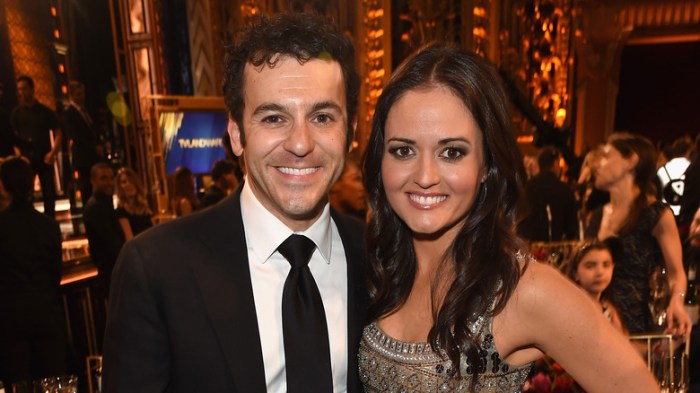
Ultimately, the
-Wonder Years* offers a compelling case study in portraying the complexities of teenage relationships. Danica McKellar’s insights and the show’s depiction of Winnie and Kevin’s heartbreak offer a nuanced perspective on the emotions and experiences of that period. The show’s enduring impact on audiences highlights its ability to connect with universal themes of love, loss, and growth during adolescence.
This analysis unpacks the emotional core of the show and its lasting cultural significance.